
In clinical diagnostics and lab testing, choosing the right blood collection method is critical. Understanding the use cases for capillary vs venous blood collection tools, integrating practical blood collection tips, and referencing a reliable lancet selection guide can help healthcare professionals and procurement teams improve sample accuracy, reduce patient discomfort, and streamline clinical workflows. Whether you’re outfitting a hospital, clinic, or mobile testing unit, this guide breaks down the tools and techniques that matter. Know more..
1. Capillary vs Venous Blood Collection: What’s the Difference?
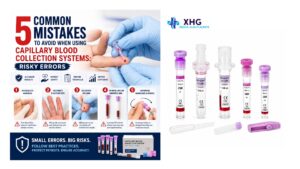
Capillary blood collection involves obtaining a small volume of blood from superficial vessels—typically through a skin puncture. Common sites include the fingertip (adults) or heel (infants). This method is fast, minimally invasive, and suitable for tests that require small volumes like glucose monitoring or hemoglobin levels.
Venous blood collection, on the other hand, involves drawing blood from a vein—usually the median cubital vein in the arm—using a needle and evacuated tube system. It’s the gold standard for most diagnostic tests due to its larger volume and consistent sample quality.
Both methods require different capillary vs venous tools and specific handling techniques.
2. Core Tools Used in Capillary Collection
Capillary procedures demand precision instruments tailored for low-volume sampling. Key tools include:
2.1 Lancets
A staple in every lancet selection guide, these tiny devices puncture the skin to access capillary blood. Options include:
- Manual lancets: Basic design, used with care by trained professionals.
- Automatic safety lancets: Spring-loaded and retractable to prevent accidental reuse and cross-contamination.
- Pediatric lancets: Smaller penetration depths to reduce infant pain.
Proper blood collection tips emphasize matching lancet depth with patient age, test type, and site.
2.2 Microcollection Tubes
Designed for tiny blood volumes, typically 250 to 500 µL, with color-coded caps for different anticoagulants (e.g., EDTA for CBCs).
2.3 Capillary Pipettes
Used for drawing up blood in ultra-micro volumes, particularly in research or neonatal care.
2.4 Alcohol Swabs and Gauze Pads
Critical for site disinfection and post-collection care to avoid contamination.
2.5 Heel Warmers (For Infants)
Warming the puncture site increases blood flow and reduces the number of attempts needed.
These capillary vs venous tools are ideal for environments where fast turnaround and minimal invasiveness are priorities.
3. Tools for Venous Blood Collection
Venous sampling calls for sterile technique and more advanced collection systems:
3.1 Needles and Holders
- Straight needles: Used with vacutainers for single-draw procedures.
- Butterfly (winged) sets: Used for patients with small or fragile veins.
3.2 Vacutainer Tubes
Pre-evacuated tubes draw blood automatically and are often color-coded for specific tests.
3.3 Tourniquet
Helps identify and stabilize veins for accurate puncture.
3.4 Alcohol Prep Pads & Cotton Balls
Used to sterilize the puncture site and apply pressure afterward.
3.5 Labeling Supplies
Proper labeling is vital to ensure traceability in lab analysis and prevent sample mix-ups.
Blood collection tips for venous draws include ensuring proper tourniquet use (less than 1 minute) and choosing the correct tube order to prevent cross-contamination.
4. Clinical Scenarios for Capillary vs Venous Tools
Understanding when to use each collection method is essential. Here’s a quick comparison:
| Situation | Recommended Method | Reason |
| Blood glucose monitoring | Capillary | Quick, low-volume, point-of-care |
| Newborn screening | Capillary | Heel stick minimizes trauma |
| Complete blood count (CBC) | Venous | Higher volume, better accuracy |
| Blood culture testing | Venous | Sterility and volume requirements |
| Home testing kits | Capillary | Patient-friendly, self-collection |
| IV drug monitoring | Venous | Requires precise serum levels |
Your lancet selection guide and blood collection tips should align with the diagnostic requirements and patient demographics.
5. Pros and Cons of Capillary Collection
Pros:
- Less invasive and more comfortable for patients
- Lower equipment cost
- Suitable for point-of-care and remote settings
- Faster turnaround for small tests
Cons:
- Limited blood volume
- Potential for hemolysis or contamination
- Requires trained personnel for consistent technique
Capillary collection is ideal when paired with the right capillary vs venous tools and when tests are volume-flexible.
6. Pros and Cons of Venous Collection
Pros:
- Consistent, high-quality samples
- Larger volume allows multiple tests from one draw
- Compatible with automated lab systems
Cons:
- More invasive, risk of complications (e.g., hematoma)
- Requires trained phlebotomists
- Slower and more resource-intensive
Venous blood draws remain the clinical gold standard and should be prioritized when test reliability is paramount.
7. Blood Collection Tips for Accuracy and Safety
Whether you’re using capillary or venous methods, best practices matter. Key blood collection tips include:
- Always follow antiseptic protocols to reduce contamination risk.
- Use the correct order of draw to avoid cross-contamination of additives.
- Warm the collection site to improve blood flow in capillary sampling.
- Rotate puncture sites in patients requiring frequent testing.
- Label samples immediately using barcodes or patient ID.
- Monitor for patient reactions like fainting or bleeding, especially in venous draws.
Your staff should be trained not just in tool use, but in the clinical science behind sample quality and patient safety.
8. Lancet Selection Guide: Matching Depth to Application
Lancet selection is key for effective capillary collection. Here’s a breakdown from our lancet selection guide:
| Patient Type | Penetration Depth | Lancet Type |
| Neonate (heel stick) | 0.85 – 1.0 mm | Low-flow safety lancet |
| Pediatric | 1.0 – 1.5 mm | Medium-depth safety lancet |
| Adult | 1.5 – 2.0 mm | Spring-loaded safety lancet |
| Geriatric | < 1.8 mm | Depends on skin condition |
Blood collection tips recommend using single-use, auto-disabling lancets to prevent cross-contamination and reduce needlestick injuries.
9. Sterility and Disposal Considerations
Whether using capillary vs venous tools, infection control is non-negotiable.
- Sterile packaging: Ensure that all tools are sealed and expire appropriately.
- Sharps containers: Use puncture-resistant containers immediately after needle or lancet use.
- Color-coding: Helps staff quickly distinguish between tools for different tests or patient groups.
- Waste management protocols: Must align with local and international guidelines for biohazard disposal.
An often overlooked but crucial piece of any lancet selection guide is understanding the manufacturer’s sterilization method (e.g., EO gas, gamma radiation).
10. Choosing the Right Supplier for Blood Collection Devices
For hospitals, labs, and mobile clinics, sourcing from a reputable disposable device manufacturer ensures:
- CE and FDA-certified tools
- Consistent quality and packaging
- On-time delivery for high-volume needs
- Custom branding and kit assembly options
Whether you’re building a procurement strategy or writing SOPs, always verify that your supplier understands the nuances of capillary vs venous tools, offers reliable lancet selection guide documentation, and can provide bulk inventory for high-demand environments.
11. Global Standards and Regulatory Considerations
Most blood collection tools must meet international regulatory benchmarks:
| Region | Key Standard |
| USA | FDA 21 CFR |
| Europe | CE Mark under MDR |
| Canada | Health Canada Class II |
| Global | ISO 15189, ISO 13485 |
Always confirm that tools meet clinical requirements in your distribution region, especially when exporting or importing bulk medical supplies.
Final Takeaway: Precision Tools Lead to Precision Diagnostics
Making the right choice between capillary vs venous tools isn’t just about preference—it’s about patient safety, sample integrity, and operational efficiency. Use a validated lancet selection guide, follow evidence-based blood collection tips, and make procurement decisions based on clinical needs, not guesswork.
At our facility, we specialize in CE/FDA-approved disposable blood collection tools, tailored for hospital systems, labs, and global distributors. We offer:
- Full lines of capillary and venous collection devices
- Custom kitting and white-label options
- Training materials, usage guides, and consultation
- Rapid, compliant export support