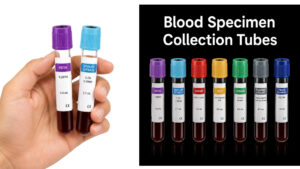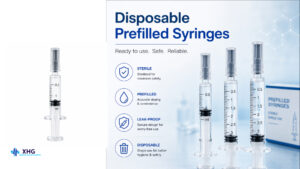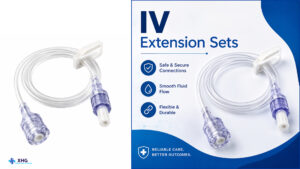

For any disposable medical device manufacturer entering the global market, getting CE FDA labeling, aligning with international labeling standards, and following a proper label guide export strategy are mission-critical steps for FDA Compliance. Regulatory labels are more than stickers—they’re legal statements about safety, compliance, and traceability. Whether you’re selling in Europe, the United States, or both, this guide breaks down the essentials of compliant medical labeling for smooth market access and risk-free distribution. Know more..
1. Why CE and FDA Labeling Matters
CE FDA labeling isn’t just a paperwork requirement. It directly affects:
- Product acceptance by customs and health authorities
- User safety through proper instructions and warnings
- Recall management, traceability, and quality audits
- Reimbursement eligibility and insurance compliance
As disposable medical devices multiply in usage—from syringes and PPE to diagnostic kits—clear, compliant labels signal that your product meets the highest labeling standards. They build trust and reduce liability.
2. Overview: CE vs. FDA Label Requirements
The CE mark applies to the European Economic Area (EEA), while FDA labeling is required for the U.S. market. Here’s a side-by-side comparison:
| Feature | CE Labeling (EU MDR) | FDA Labeling (21 CFR Part 801) |
| Authority | European Commission | U.S. Food & Drug Administration |
| Basis | EU MDR 2017/745 | 21 CFR Parts 801, 830 |
| Unique ID | UDI via EUDAMED | UDI via GUDID |
| Language | Official language(s) of member state | English |
| Symbols | ISO 15223-1 permitted | Must be explained if not standard |
| Instructions | Must be included and user-friendly | Required for most devices |
Knowing the specific labeling standards for each market ensures your product doesn’t get stuck in regulatory limbo or pulled from shelves.
3. Core Components of CE FDA Labeling
To meet CE FDA labeling rules, your packaging must include:
- Product Name: Generic name and proprietary brand (if any)
- Manufacturer Information: Legal entity name and full address
- CE Mark or FDA Registration: With Notified Body number for CE, or establishment registration for FDA
- UDI (Unique Device Identifier): Machine- and human-readable format
- Lot Number / Serial Number: For batch traceability
- Expiration Date: Clear format (YYYY-MM-DD preferred)
- Sterilization Method: If applicable
- Warnings and Precautions: Safety-critical data
- Country of Origin: Required for customs and many health systems
Having a comprehensive label guide export process ensures these elements are checked and verified before mass production or shipment.
4. CE Labeling Requirements in Depth
For CE marking under EU MDR, device labels must comply with Annex I, Chapter III of Regulation (EU) 2017/745. Key details:
4.1 CE Mark Format
- Must be at least 5mm high and visibly printed on the label
- For Class IIa, IIb, or III devices, include the Notified Body number (e.g., CE 2797)
4.2 Language Requirements
Labels and Instructions for Use (IFUs) must be in the official language(s) of the destination EU country (e.g., French for France, German for Germany). This is a top concern in label guide export audits.
4.3 Use of Standard Symbols
- ISO 15223-1 symbols are permitted and encouraged
- Must be included in a symbol legend if not universally recognized
4.4 EUDAMED and UDI
The European UDI system requires registration of all disposable medical devices. Labels must carry the device’s Basic UDI-DI and Production Identifier (UDI-PI), such as lot or serial number.
5. FDA Labeling Requirements in Depth
U.S. regulations under 21 CFR Part 801 govern FDA labeling. For Class I, II, and III disposable devices:
5.1 Language and Legibility
- All content must be in English
- Must be easily readable under normal conditions
- If the label uses symbols not officially recognized by FDA, they must be accompanied by explanations
5.2 UDI System via GUDID
Manufacturers must assign a UDI and upload product information to the Global Unique Device Identification Database (GUDID). Labels must show:
- Device Identifier (DI)
- Production Identifier (PI): batch number, expiration date, etc.
5.3 Sterile Devices
Labels must include the method of sterilization and the word “STERILE” prominently.
5.4 Reprocessing Instructions
If the device is reusable or has components requiring cleaning before use, these must be clearly stated.
6. How to Develop a Label Guide Export Strategy
Here’s how your team can build a global label guide export playbook:
6.1 Label Design Template
- Create a master template with placeholders for CE and FDA requirements
- Include space for UDI, barcodes, symbols, and multi-language inserts
6.2 Regulatory Checklist
- Maintain a running checklist for labeling standards by region
- Ensure updates to EU MDR and 21 CFR are tracked
6.3 Translation Control
Use professional medical translators and double-check for accuracy, especially in warnings and usage instructions.
6.4 Artwork Approval Process
Design labels using Adobe Illustrator or similar software and pass them through a document-controlled approval process with QA, Regulatory, and Manufacturing teams.
6.5 Supplier Coordination
Make sure packaging and printing vendors understand the need for CE and FDA compliance—errors here are expensive and delay exports.
7. Common Mistakes in CE FDA Labeling
| Mistake | Risk |
| Missing CE mark or NB number | Blocked market access in Europe |
| No UDI on label | Non-compliance and product seizure |
| Incomplete manufacturer info | Regulatory rejection |
| Language mismatch in IFUs | Violation of EU MDR |
| Unapproved symbols | Label reprint and re-inspection |
| Label too small or cluttered | Unreadable under clinical conditions |
Following proper labeling standards prevents these issues and protects your brand from regulatory scrutiny.
8. Using Digital Tools for Label Compliance
Automating label creation and compliance tracking can help:
- Label Management Software: Tools like Loftware or NiceLabel can auto-populate UDI, generate barcodes, and produce compliant layouts.
- Regulatory Databases: Use GUDID and EUDAMED as reference points for product entries and label verifications.
- Audit Trails: Keep version histories for every label, linked to your quality system.
- Investing in these systems speeds up your label guide export timeline and reduces human error.
9. Regional Customization Best Practices
As a global manufacturer, you may need to tailor your CE FDA labeling for:
- Latin America: Often requires additional registration numbers and Spanish/Portuguese translation
- Middle East: Arabic labels may be mandatory
- China: China NMPA requires labels in simplified Chinese, plus local distributor information
- India: BIS and CDSCO regulations include regional barcode requirements
Adapt your labels by building a modular label architecture—core data stays constant while region-specific elements are added via overlays or inserts.
10. CE FDA Labeling and Product Lifecycle
Labeling must evolve along with the product:
- Design Changes: If the product form factor, function, or materials change, labels must be revised accordingly.
- Regulation Updates: EU MDR and FDA rules continue to evolve—labels must stay current.
- Post-Market Surveillance (PMS): Complaint data may trigger label warnings or updates.
Track every change with proper document control and update your labeling standards SOPs regularly.
11. Sample Label Layout for a Disposable Device
Here’s what an ideal CE FDA labeling layout might include:
- Top Left: Brand name and generic description
- Top Right: CE mark with NB number or FDA registration
- Center: UDI barcode, expiration date, batch/lot number
- Bottom Left: Manufacturer details, contact info
- Bottom Right: Symbols and sterilization info
- Side Panel: Country of origin, warnings, disposal instructions
This balanced layout is easy to read and inspect—keeping users safe and regulators happy.
12. Final Thoughts: Your Label is Your Passport
Your label does more than display information—it’s your device’s passport to global markets. When done right, CE FDA labeling ensures faster approvals, smoother customs clearance, and greater brand trust. When done wrong, it becomes a costly liability.
At our certified facility, we implement world-class labeling standards across every stage—from design to post-market compliance. Whether you need a detailed label guide export strategy or a turnkey CE/FDA label design, our regulatory and QA teams have you covered.
Let’s Get You Compliant
📦 Need help optimizing your CE FDA labeling?
🔍 Want a custom label guide export checklist tailored to your device class?
🏷️ Looking to align your labeling with updated labeling standards?
Reach out today. We specialize in compliant, export-ready labeling solutions for disposable medical devices—and we’re ready to get your products global.