
Hospital environments are designed to heal, yet they can also expose patients to serious risks if infection control is not managed properly. Hospital-Acquired Infections Prevention has become a global healthcare priority, driven by rising patient safety standards, stricter regulations, and advanced technologies. Central to this effort is Infection Control Medical Equipment, which plays a critical role in reducing contamination and limiting pathogen transmission. Alongside this, Medical Equipment Sterilization ensures that tools and devices used in patient care remain free from harmful microorganisms. Together, these elements form the backbone of modern infection prevention strategies in hospitals and healthcare facilities. Know more..
Understanding Hospital-Acquired Infection
Hospital-acquired infection, also known as healthcare-associated infections, are infections that patients develop during the course of receiving medical treatment. These infections are not present or incubating at the time of admission and can significantly impact recovery outcomes, increasing hospital stays, treatment costs, and patient mortality.
Effective Hospital-Acquired Infection Prevention focuses on breaking the chain of infection through strict hygiene practices, advanced monitoring, and reliable Infection Control Medical Equipment. Medical equipment often comes into direct contact with patients, making proper Medical Equipment Sterilization essential to minimize microbial transmission.
Why Medical Equipment Is Central to Infection Control
Medical equipment is used continuously across multiple departments, including operating rooms, intensive care units, diagnostic labs, and outpatient clinics. Without adequate safeguards, these tools can become vectors for bacteria, viruses, and drug-resistant pathogens.
Modern Infection Control Medical Equipment is designed to support Hospital-Acquired Infection Prevention by incorporating antimicrobial surfaces, single-use components, and compatibility with advanced sterilization systems. When combined with standardized Medical Equipment Sterilization protocols, healthcare providers can significantly reduce infection rates and enhance patient safety.
Types of Infection Control Medical Equipment
Personal Protective Equipment (PPE)
Personal protective equipment forms the first line of defense in Hospital-Acquired Infection Prevention. Gloves, masks, gowns, respirators, and face shields are essential Infection Control Medical Equipment that prevent direct contact with infectious agents.
Proper usage, disposal, and where applicable, Medical Equipment Sterilization, ensure continued protection for healthcare workers while reducing the risk of cross-contamination between patients.
Sterilization and Disinfection Systems
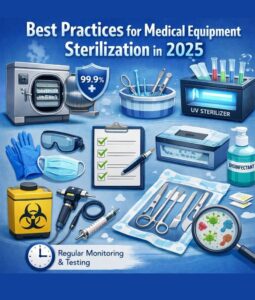
Autoclaves, ultraviolet sterilizers, and chemical disinfection units play a vital role in Medical Equipment Sterilization. These systems are designed to eliminate bacteria, viruses, fungi, and spores from reusable medical tools.
High-quality sterilization systems directly support Hospital-Acquired Infection Prevention by ensuring all Infection Control Medical Equipment meets strict hygiene standards before reuse.
Single-Use Medical Devices
Disposable syringes, catheters, surgical blades, and diagnostic tools reduce the risk of cross-infection by eliminating reuse entirely. Single-use devices are a growing category of Infection Control Medical Equipment, particularly in high-risk clinical settings.
By reducing dependency on repeated Medical Equipment Sterilization, disposable tools simplify Hospital-Acquired Infection Prevention while maintaining high safety standards.
Role of Medical Equipment Sterilization in Infection Prevention
Medical Equipment Sterilization is a cornerstone of effective Hospital-Acquired Infection Prevention. Sterilization ensures that all forms of microbial life are destroyed, making medical tools safe for patient care.
Common sterilization methods include steam sterilization, ethylene oxide gas, hydrogen peroxide plasma, and ultraviolet light. Selecting the appropriate method depends on the material, complexity, and usage frequency of Infection Control Medical Equipment.
Advanced Technologies Supporting Infection Control
Smart Sterilization Monitoring
Modern healthcare facilities use digital sensors and tracking software to monitor Medical Equipment Sterilization cycles. These systems ensure correct temperature, pressure, and exposure times are met.
Smart monitoring enhances Hospital-Acquired Infection Prevention by providing real-time validation and compliance documentation for Infection Control Medical Equipment.
Antimicrobial-Coated Medical Equipment
Antimicrobial coatings prevent the growth of bacteria on frequently touched surfaces such as hospital beds, IV stands, monitors, and wheelchairs. This innovation strengthens Hospital-Acquired Infection Prevention by reducing surface-based contamination.
These coatings complement routine Medical Equipment Sterilization and represent a significant advancement in Infection Control Medical Equipment design.
Impact on Patient Safety and Clinical Outcomes
The effective use of Infection Control Medical Equipment directly improves patient safety and clinical outcomes. Lower infection rates result in faster recovery times, fewer complications, and reduced antibiotic use.
By prioritizing Hospital-Acquired Infection Prevention, healthcare facilities also improve patient satisfaction and trust. Consistent Medical Equipment Sterilization remains essential to sustaining these benefits.
Compliance With International Infection Control Standards
Healthcare institutions must follow strict guidelines set by global authorities such as the World Health Organization, Centers for Disease Control and Prevention, and ISO certification bodies. These standards emphasize routine Medical Equipment Sterilization, proper equipment handling, and continuous infection surveillance.
Compliance ensures that Infection Control Medical Equipment meets safety requirements and supports long-term Hospital-Acquired Infection Prevention strategies.
Staff Training and Equipment Handling
Advanced Infection Control Medical Equipment is only effective when healthcare professionals are properly trained. Staff must understand correct usage, cleaning procedures, and Medical Equipment Sterilization protocols.
Ongoing training programs reinforce Hospital-Acquired Infection Prevention by ensuring consistency and accountability across all departments.
Environmental Cleaning and Medical Equipment
Environmental hygiene is closely linked to Hospital-Acquired Infection Prevention. Medical equipment used in patient rooms must be disinfected or sterilized regularly to prevent surface contamination.
Hospitals rely on specialized Infection Control Medical Equipment, including electrostatic sprayers and automated disinfection systems, to maintain a clean clinical environment alongside routine Medical Equipment Sterilization.
Future Trends in Infection Control Medical Equipment
The future of Hospital-Acquired Infection Prevention lies in automation, artificial intelligence, and predictive monitoring. Smart equipment will soon detect contamination risks and initiate Medical Equipment Sterilization processes automatically.
Innovations in Infection Control Medical Equipment will continue to enhance efficiency, safety, and regulatory compliance.
Economic Benefits of Infection Prevention Equipment
Although advanced Infection Control Medical Equipment requires initial investment, the long-term financial benefits are substantial. Reduced infection rates lead to lower treatment costs, fewer lawsuits, and improved hospital reputation.
Strong Hospital-Acquired Infection Prevention programs supported by reliable Medical Equipment Sterilization deliver both clinical and economic value.
Conclusion
Preventing hospital-acquired infection is a critical responsibility in modern healthcare. Hospital-Acquired Infection Prevention is most effective when supported by advanced Infection Control Medical Equipment and rigorous Medical Equipment Sterilization practices. By integrating innovative technology, adhering to international standards, and investing in staff training, healthcare facilities can create safer environments that protect patients and professionals alike.