Introduction
The demand for efficient, minimally invasive diagnostic tools continues to surge, placing Capillary Blood Collection Systems at the forefront of modern healthcare. As we progress through 2025, industry data indicates a robust compound annual growth rate for micro-sampling technologies, driven by the need for rapid point-of-care testing and patient comfort.
For wholesalers, distributors, and procurement managers, understanding the nuances of these systems is not merely a technical requirement but a strategic necessity to ensure product reliability and customer satisfaction. However, the efficiency of these systems hinges heavily on proper usage and the quality of components like Safety Lancets and Capillary Tubes. A failure to address common pitfalls in application and sourcing can lead to compromised sample integrity, increased safety risks, and financial losses.
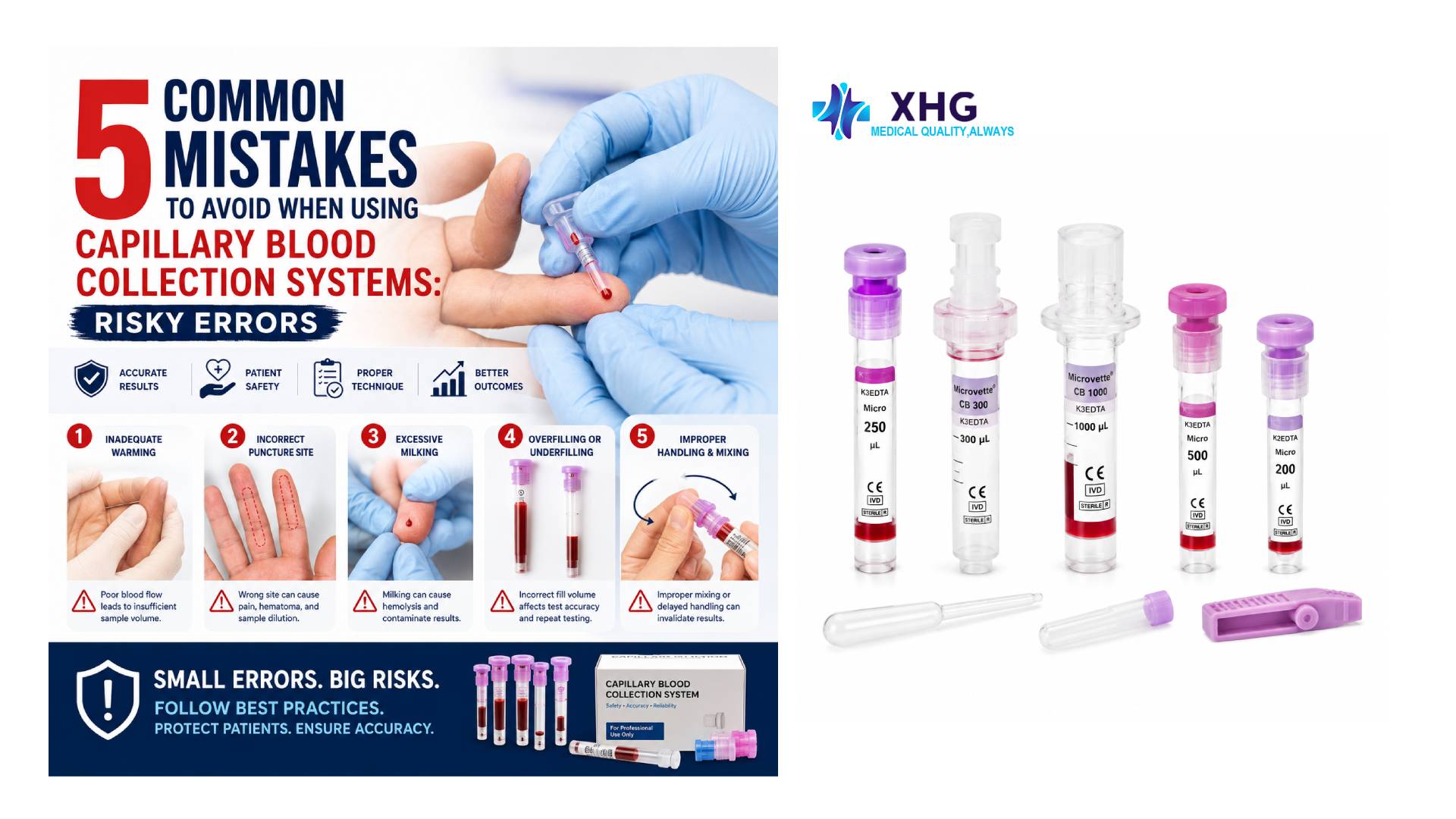
Recent 2025 statistics highlight that nearly 30% of pre-analytical errors in blood sampling originate from capillary collection techniques, a staggering figure that underscores the need for better training and superior equipment. As the market evolves toward 2026, projections suggest a heightened emphasis on integrated safety features and custom solutions tailored to specific clinical environments. Businesses that prioritize the correct deployment of Capillary Blood Collection Systems while leveraging wholesale and customization options will undoubtedly secure a competitive edge. This guide explores five common mistakes to avoid, ensuring that your organization maximizes efficiency and safety in blood collection protocols.
1. Why Neglecting Site Selection and Preparation Compromises Sample Integrity
The foundation of a successful blood draw lies in the preparation of the puncture site, yet this step is frequently rushed or standardized in ways that do not account for individual patient variability. When distributors and clinics overlook the critical nature of site selection, the resulting Capillary Blood Collection Systems often yield hemolyzed or clotted samples, rendering diagnostic tests invalid.
The peripheral circulation of a patient is dynamic, influenced by factors such as temperature, hydration, and age, all of which affect blood flow. Failing to assess these conditions leads to painful “milking” of the finger, which forces tissue fluid into the specimen and dilutes the analyte concentration. For wholesale buyers, promoting protocols that emphasize rigorous site assessment is essential, as it directly correlates with the perceived reliability of the supplied Safety Lancets and collection devices.
Furthermore, the warming of the puncture site is a scientifically proven method to increase arterial blood flow, yet it is often omitted in fast-paced clinical settings. A warm compress applied for approximately three minutes can significantly increase blood volume, reducing the need for repeat punctures and enhancing patient comfort. In the context of Capillary Blood Collection Systems, ensuring that end-users have access to and utilize warming packs can drastically improve collection success rates. Wholesale packages that include preparatory materials alongside Safety Lancets provide a comprehensive solution that encourages best practices. By addressing site preparation holistically, suppliers help clinics reduce the rate of rejected specimens, thereby solidifying the value proposition of their product offerings in a competitive B2B market.
The implications of poor site preparation extend beyond patient discomfort to significant operational inefficiencies and increased costs. When samples are compromised, the need for repeat visits draws valuable resources away from other clinical duties, creating a bottleneck that frustrates both staff and patients. For medical practices purchasing Capillary Tubes and related supplies in bulk, a high rate of failure translates directly into wastage and higher operational expenditure. Education regarding site selection should therefore be a key component of the value-added services offered by wholesalers. Providing clear, visual guides and training modules on how to select the optimal puncture site ensures that clients achieve the best possible return on investment from their Capillary Blood Collection Systems.
Looking toward 2026 market trends, the integration of smart technology to assess site perfusion is anticipated to become a standard feature in high-end collection kits. Until such innovations become ubiquitous, the emphasis must remain on rigorous manual techniques and superior product design. Suppliers who customize their wholesale offerings to include site assessment tools, such as skin perfusion indicators or integrated warmers, will position themselves as industry leaders. Avoiding the mistake of neglecting site preparation is not just about following procedure; it is about ensuring the clinical accuracy and economic efficiency of the entire blood collection process. This proactive approach safeguards the reputation of both the healthcare provider and the medical equipment distributor.
1.1 How Cold or Punctured Skin Affects Capillary Blood Collection Systems Performance
Cold skin vasoconstriction is a physiological barrier that significantly impedes the performance of Capillary Blood Collection Systems. When a patient’s hand is cold, the blood vessels constrict, reducing the volume of blood available at the puncture site and making collection difficult and time-consuming. This physiological challenge often forces phlebotomists to apply excessive pressure, leading to hemolysis and contamination of the sample with interstitial fluid.
For businesses supplying these markets, it is crucial to understand that the efficacy of Safety Lancets is heavily dependent on the physiological state of the patient’s skin. A lancet may perform perfectly mechanically, yet fail to yield an adequate sample if the skin is not properly prepared, leading to the erroneous conclusion that the device itself is faulty.
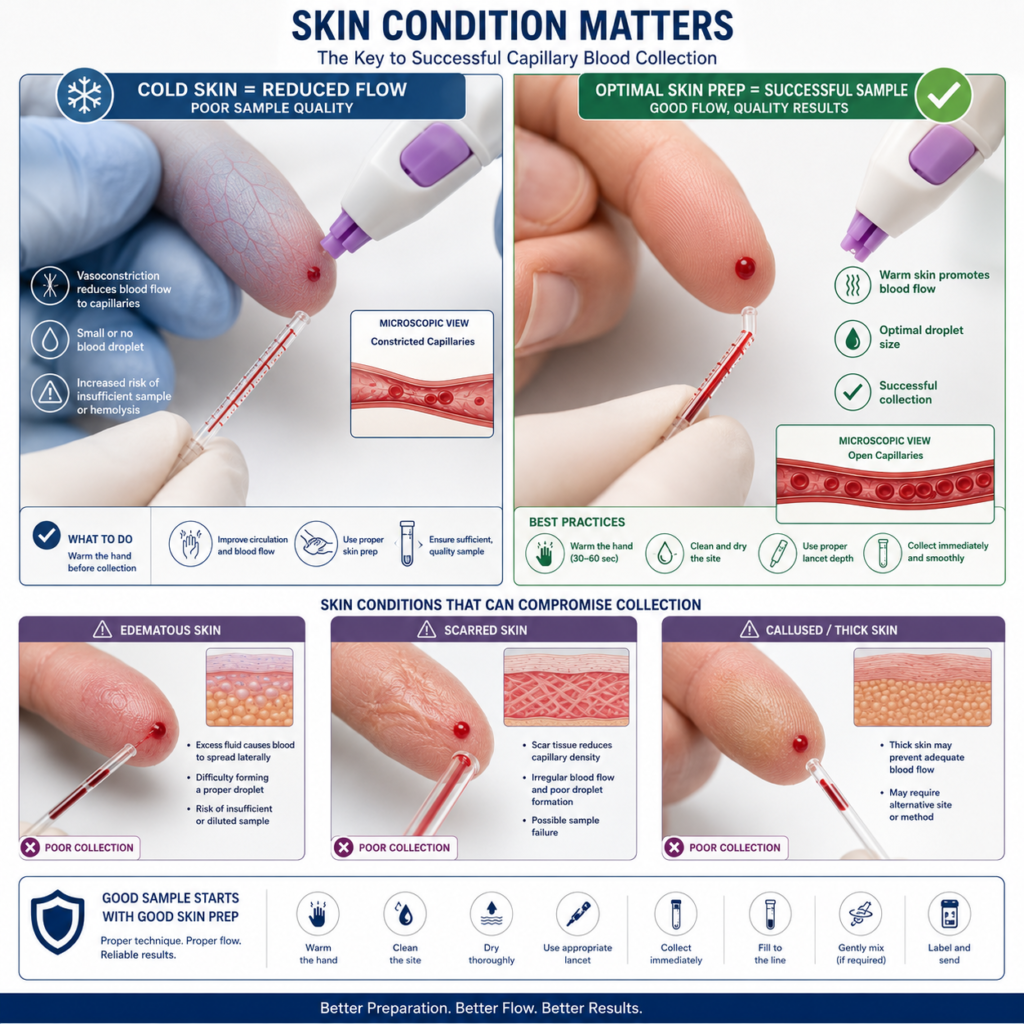
In addition to temperature, the condition of the skin surface plays a pivotal role in the success of the collection. Edematous or scarred tissue can distort the anatomy of the capillary bed, causing the blood to spread laterally rather than forming a distinct droplet. Using Capillary Blood Collection Systems on compromised sites often results in insufficient volume filling of the Capillary Tubes, necessitating a second stick. This not only wastes consumables but also deteriorates the patient experience. Wholesale suppliers must emphasize the importance of rotating puncture sites and avoiding areas with calluses or scars. By educating clients on these nuances, distributors ensure that their products are used in a manner that guarantees optimal performance and diagnostic accuracy.
The interaction between the Safety Lancets and the skin is a precise mechanical event designed to penetrate to a specific depth that accesses the capillary bed without hitting bone. If the skin is taut or the patient’s skin elasticity is poor, the wound tract may close immediately, preventing blood from flowing to the surface. This issue is particularly prevalent in geriatric populations, a demographic that is increasingly targeted by point-of-care testing strategies. Suppliers offering customized depth settings in their Capillary Blood Collection Systems can provide significant value to clinics serving elderly patients. Tailoring the penetration depth through customized wholesale orders allows healthcare providers to match the device to the patient’s specific skin integrity, thereby improving collection success rates.
The financial impact of poor skin condition management is substantial, as it directly affects the throughput of clinics and laboratories. Every failed stick represents a lost Capillary Tube, a wasted Safety Lancet, and five to ten minutes of lost clinician time. In high-volume settings, these incremental losses accumulate into significant operational deficits. Therefore, the “why” of addressing skin condition is rooted in both clinical outcomes and business economics. Distributors who proactively address these challenges by offering high-quality, reliable Capillary Blood Collection Systems and supporting education on skin assessment will find their wholesale partnerships strengthened by demonstrable improvements in their clients’ efficiency metrics.
1.2 Why Inconsistent Warming Techniques Lead to Variable Results
Inconsistent warming of the puncture site is a pervasive issue that introduces uncontrolled variability into the blood collection process. The application of heat causes vasodilation, increasing the blood flow to the fingertips and making the blood easier to collect. However, when warming techniques are not standardized—varying in temperature, duration, or method—the resulting blood flow can be unpredictable. This inconsistency poses a significant challenge for Capillary Blood Collection Systems, as the devices are often calibrated for use under specific flow conditions. For wholesale buyers, the lack of standardized warming protocols among end-users can lead to inconsistent performance reviews of their products, even if the Safety Lancets and Capillary Tubes themselves are of high quality.
The mechanism behind warming is purely physiological but has profound implications for sample quality. Adequate blood flow ensures that the specimen is primarily arterial, which is preferred for most glucose and lactate tests, rather than a mix of arterial, venous, and capillary blood influenced by tissue fluid. When warming is skipped or performed inconsistently, the Capillary Blood Collection Systems may collect a sample that is partly hemodiluted, leading to inaccurate test results.
In a B2B context, this means that the laboratory results derived from the wholesaler’s supplied Capillary Tubes may be questioned, potentially leading to a loss of trust in the brand. Ensuring that clients understand the “how” and “why” of proper warming is therefore critical for maintaining product integrity.
From a customization perspective, there is an opportunity for wholesalers to supply integrated warming solutions that standardize this process. Simple chemical heat packs or electronic warming devices included in custom wholesale kits can eliminate the guesswork for phlebotomists. By bundling these aids with Safety Lancets and collection tubes, suppliers offer a turnkey solution that mitigates the risk of pre-analytical error. This approach aligns with 2025 trends toward patient-centric care, where reducing procedural discomfort is as important as clinical accuracy. A standardized warming protocol, supported by the right equipment, transforms the collection process from a variable art into a reliable science.
The consequences of variable results extend to the broader healthcare system, influencing treatment decisions and patient management plans. If a Capillary Blood Collection System yields a sample that is compromised due to poor flow, the resulting data may lead to incorrect medication dosages or misdiagnosis. This liability ultimately traces back to the tools used. As we look toward 2026, regulatory bodies are expected to tighten guidelines on pre-analytical variables, placing more scrutiny on how samples are collected. Wholesalers who lead the conversation on standardizing warming techniques will position their Capillary Blood Collection Systems as the gold standard for reliability, ensuring long-term business sustainability and client loyalty.
1.3 Which Preparation Protocols Minimize Risks for Wholesale Buyers
Establishing rigorous preparation protocols is the most effective strategy for minimizing risks associated with capillary blood collection. For wholesale buyers, the goal should be to source Capillary Blood Collection Systems that are supported by clear, evidence-based usage guidelines. These protocols should detail the exact steps for cleaning the site, applying warmth, and positioning the patient to ensure gravity assists blood flow. The presence of a standardized protocol reduces the cognitive load on healthcare staff, allowing them to focus on technique rather than decision-making during the procedure. By investing in suppliers who provide comprehensive protocol support alongside Safety Lancets and Capillary Tubes, distributors can significantly decrease the incidence of user error.
One critical aspect of preparation is the use of an effective antiseptic that does not interfere with the specimen. Alcohol is the standard, but it must be allowed to dry completely to prevent hemolysis and stinging during the puncture. Advanced Capillary Blood Collection Systems often include specialized prepping swabs that indicate when the site is dry and ready. For wholesale customers, offering these customized add-ons can be a key differentiator in the market. It demonstrates a commitment to the entire collection ecosystem, not just the hardware. Ensuring that the preparation phase is foolproof protects the integrity of the Capillary Tubes and the subsequent analysis, reinforcing the value of the wholesale investment.
Risk minimization also involves selecting the correct puncture device for the specific patient demographic and test requirements. A one-size-fits-all approach is a major mistake in the utilization of Capillary Blood Collection Systems. Protocols should guide users in selecting the appropriate gauge and depth of Safety Lancets based on the patient’s skin condition and the required blood volume. Wholesale suppliers can facilitate this by offering sample packs or customizable bulk orders that include a variety of lancet types. This flexibility allows clinics to tailor their inventory to their specific patient mix, thereby optimizing outcomes and reducing the waste associated with using inappropriate devices.
Ultimately, the adoption of robust preparation protocols serves as a risk management tool for healthcare providers and their suppliers. By standardizing the “why” and “how” of the pre-collection phase, clinics can reduce their error rates and improve their throughput. For the wholesaler, this means fewer product returns and higher customer satisfaction scores. As the industry moves through 2025 and into 2026, the focus on holistic solutions—combining high-quality Capillary Blood Collection Systems with best-practice protocols—will define the leaders in the medical supply market. Buyers are encouraged to partner with manufacturers who view education and protocol development as integral parts of their product offering.
2. How Improper Safety Lancet Selection Endangers Users
The selection of appropriate Safety Lancets is a critical decision that directly impacts the safety of both healthcare workers and patients. A common mistake in the utilization of Capillary Blood Collection Systems is the assumption that all lancets are functionally equivalent, leading to generic purchasing decisions that ignore specific clinical needs. In reality, lancets vary significantly in terms of gauge, penetration depth, and activation mechanisms.
Using a lancet with too deep a penetration on a pediatric patient, or conversely, too shallow a penetration on an adult with calloused skin, can result in procedural failure and injury. For wholesale buyers, understanding these technical distinctions is vital to providing clients with the right tools for their specific environments, ensuring both safety and efficacy.
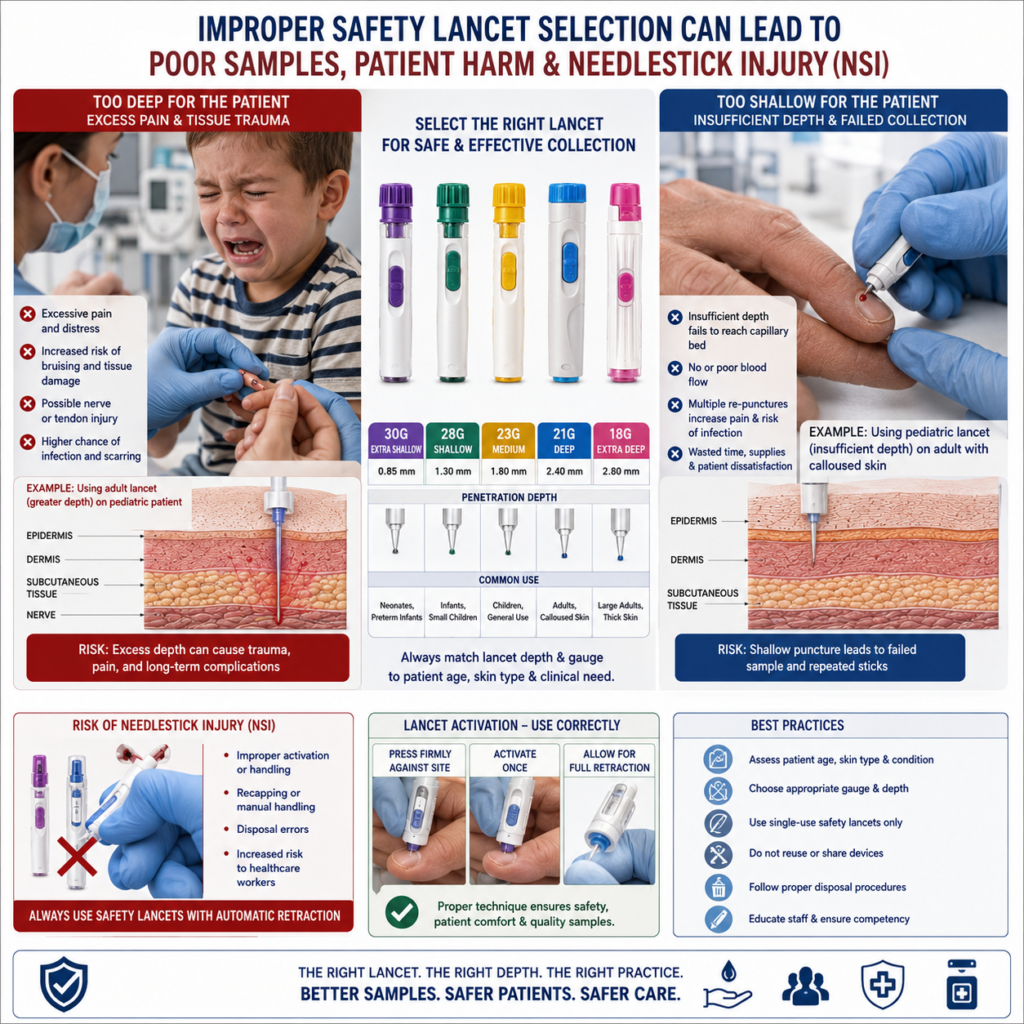
The danger of improper selection extends beyond mere procedural failure to the serious risk of accidental needlestick injuries (NSIs). Safety-engineered devices are mandated by occupational health regulations to prevent the transmission of bloodborne pathogens. However, if a Safety Lancet is difficult to activate or does not reliably retract after use, it defeats its primary safety purpose. In high-pressure settings like emergency rooms or busy diabetic clinics, the risk of NSIs increases when staff struggle with unfamiliar or poorly designed devices. By offering a range of intuitive, high-quality Safety Lancets within their Capillary Blood Collection Systems portfolio, wholesalers play a crucial role in protecting healthcare workers and reducing liability for the facilities they serve.
Furthermore, the psychological impact on the patient should not be underestimated. The pain associated with the puncture is often the patient’s primary concern, and it can influence their compliance with future testing regimens. A Safety Lancet that creates a unnecessary wound due to improper selection causes trauma and anxiety. This is particularly relevant in the management of chronic conditions requiring frequent monitoring, such as diabetes. Wholesalers can cater to this market segment by prioritizing Capillary Blood Collection Systems that feature extra-fine or pain-reduction technologies. Customization options, such as color-coded lancets for different depths, can also assist staff in quickly selecting the least painful option for the patient, thereby enhancing the overall care experience.
The economic implications of lancet-related injuries and poor patient experiences are significant. NSIs result in substantial costs related to testing, treatment, and potential lost work time, not to mention the legal liabilities. Similarly, patient non-compliance due to painful experiences leads to poorer health outcomes and increased long-term healthcare costs. As 2025 data continues to highlight the cost-benefit of superior safety devices, the market is seeing a shift away from commoditized, cheap lancets toward premium, reliable solutions. Wholesalers who align their inventory with this trend by sourcing superior Safety Lancets and educating buyers on their importance will see greater retention and higher average order values in the B2B space.
2.1 Why Gauge Depth Correlates with Patient Demographics
The correlation between lancet gauge, penetration depth, and patient demographics is a fundamental aspect of safe and effective blood collection. The gauge refers to the diameter of the needle, with higher numbers indicating thinner needles, while the depth determines how far the needle travels into the skin. For Capillary Blood Collection Systems used in neonatal and pediatric care, a higher gauge (thinner needle) with a shallow depth is essential to protect the delicate skin and underlying cartilage of infants. Using a standard adult lancet on a neonate is a dangerous mistake that can cause permanent damage and severe pain. Wholesale suppliers must ensure their inventory segmentation clearly demarcates pediatric-specific Safety Lancets to prevent such catastrophic usage errors.
In geriatric populations, the skin undergoes significant changes, becoming thinner and losing subcutaneous fat and elasticity. This atrophy increases the risk of hitting bone if a lancet penetrates too deeply. Conversely, poor circulation may require a slightly lower gauge to ensure adequate blood flow. Navigating these physiological nuances requires a diverse range of Safety Lancets. A Capillary Blood Collection System designed for general use may not be suitable for a geriatric ward. Wholesalers who offer customized bundles tailored to specific care facilities—such as nursing homes or pediatric clinics—provide immense value by simplifying the procurement process and ensuring patient safety. This demographic-specific targeting is a key strategy for B2B sales growth in 2025.
For the average adult population, occupational and lifestyle factors also play a role in lancet selection. Manual laborers often have thickened, calloused fingertips that require a lower gauge and deeper penetration to reach the capillary bed. Conversely, office workers or individuals with delicate skin may require a much finer gauge. If a Safety Lancet is not matched to the skin condition, the user may either fail to obtain a sample or cause unnecessary injury. Suppliers of Capillary Blood Collection Systems should provide detailed charts and decision trees to aid in the selection process. By empowering the end-user with this knowledge, wholesalers foster trust and position themselves as experts in the field of capillary collection technology.
The failure to match lancet specifications to patient demographics leads to inconsistent sample quality and increased wastage. A sample that is too small or hemolyzed due to traumatic puncture cannot be used, necessitating a repeat procedure. This inefficiency is costly in terms of both consumables—specifically Capillary Tubes and Safety Lancets—and staff time. As we look toward 2026, the trend toward personalized medicine extends to the tools of diagnostics as well. There is a growing expectation for medical devices to accommodate individual patient variability. Wholesalers who stock a versatile array of lancets and advocate for their correct usage based on demographics will be best positioned to meet the evolving standards of care.
2.2 How Safety Mechanisms Prevent Needlestick Injuries
Safety mechanisms in Safety Lancets are engineered to isolate the sharp immediately after use, thereby neutralizing the hazard of needlestick injuries. The most common technologies include automatic retraction, where the blade snaps back into the housing after activation, and sliding shields that cover the needle. A common mistake is utilizing devices where the safety feature is not passive or intuitive, requiring the user to manually engage the safety sheath. In a busy clinical environment, this extra step can be forgotten, leaving a hazardous sharp exposed. Capillary Blood Collection Systems that prioritize passive safety features are superior for wholesale distribution to high-volume facilities, as they minimize the reliance on user behavior for safety.
The design of the safety mechanism also influences the usability and acceptability of the device among healthcare workers. A Safety Lancet that requires excessive force to activate or that jams mid-procedure creates frustration and can lead to workarounds that bypass safety protocols. High-quality Capillary Blood Collection Systems are designed with ergonomic considerations, ensuring that the safety mechanism does not impede the collection process. For B2B buyers, evaluating the ease of use and reliability of the safety mechanism is crucial during the sourcing phase.
Devices that consistently perform as intended, without jamming or misfiring, reduce the cognitive load on staff and contribute to a culture of safety. Customization options, such as variable activation forces, can further tailor the device to specific user preferences.
Beyond the immediate physical protection, the presence of robust safety mechanisms in Safety Lancets serves as a compliance measure for healthcare institutions. Regulatory bodies, such as OSHA in the United States, mandate the use of safety-engineered sharps devices. Non-compliance can result in hefty fines and legal repercussions. By supplying Capillary Blood Collection Systems that meet or exceed these regulatory standards, wholesalers help their clients maintain compliance. This is a powerful selling point, particularly for large hospital systems and laboratory networks that are rigorous about risk management. Highlighting the compliance features of the safety lancets in marketing materials can significantly enhance conversion rates for wholesale accounts.
The psychological benefit of using safe Capillary Blood Collection Systems is also noteworthy. Healthcare workers who feel protected are less anxious and more focused on the patient, rather than the potential for injury. This improved morale can lead to better job satisfaction and lower turnover rates, which are chronic issues in the healthcare sector. As the industry continues to face staffing challenges in 2025 and beyond, providing tools that prioritize worker well-being is a strategic imperative. Wholesalers who emphasize the protective efficacy of their Safety Lancets and Capillary Tubes are not just selling products; they are selling peace of mind and a safer working environment.
2.3 Which Safety Lancet Variants Best Suit High-Volume Customization
In high-volume environments such as hospitals, large diagnostic labs, and blood donation centers, the efficiency of the supply chain and the consistency of the device are paramount. These facilities benefit greatly from Capillary Blood Collection Systems that are standardized yet customizable to their specific workflows. For wholesale buyers serving these clients, the best Safety Lancet variants are those that offer uniformity in activation and depth, reducing the need for staff to constantly switch between different device types. A standardized high-volume lancet that balances patient comfort with adequate blood flow is often the preferred choice. These can be procured in bulk with custom branding or packaging to align with the purchasing institution’s inventory control systems.
Customization for high-volume buyers often extends to the packaging itself. Safety Lancets can be packaged in kits that pair them with specific Capillary Tubes, alcohol prep pads, and gauze, creating a single-use, all-in-one solution. This kit approach streamlines the workflow for nurses and phlebotomists, reducing the time spent gathering individual components. For wholesalers, offering these customized bundled solutions represents a significant value-add and a way to increase the average order value. It also locks in the customer, as the convenience of the pre-packaged kit creates a sticky business relationship. As we move through 2025, the demand for such efficiency-optimized kits is projected to rise, driven by the need to reduce procedural times and costs.
Another variant gaining traction in high-volume settings is the push-button safety lancet, which offers a quick, one-step activation process that is highly consistent. This design is particularly suitable for situations where multiple rapid tests are being performed, such as in mass screening events or emergency triage. The Capillary Blood Collection Systems utilized in these scenarios must be reliable and fast. Wholesalers can work with manufacturers to customize the color of the buttons or the housing of the Safety Lancets to indicate specific depths or gauges, facilitating rapid visual identification by staff. This level of customization enhances operational efficiency and reduces the risk of selecting the wrong device during time-critical procedures.
Finally, the environmental impact of high-volume consumable usage is becoming a pressing concern for healthcare systems. Safety Lancets and Capillary Tubes contribute to medical waste streams. Forward-thinking wholesalers are increasingly sourcing eco-friendly variants where possible, such as devices with reduced plastic content or recyclable components. While the primary function must always be safety and efficacy, offering an environmentally conscious option can be a decisive factor for B2B buyers looking to meet their organization’s sustainability goals. In 2026, market insights suggest that “green” medical consumables will move from a niche preference to a standard requirement, making this a vital area for wholesale product development and customization.
3. Why Inadequate Capillary Tube Handling Skews Results
The precision of Capillary Tubes is a marvel of medical engineering, designed to collect a specific volume of blood via capillary action. However, this precision is easily negated by improper handling techniques. One of the most frequent mistakes in using Capillary Blood Collection Systems is failing to handle the tubes correctly during and after filling. For instance, touching the tip of the tube to the skin before it is completely filled can introduce contaminants and interrupt the capillary flow.
Furthermore, failing to mix the tube immediately after collection can lead to micro-clotting, which blocks analyzers and ruins the sample. For wholesalers, ensuring that clients understand the fragility and handling requirements of Capillary Tubes is essential for minimizing product complaints and returns.
The physics of capillary action relies on surface tension and the precise diameter of the tube. If a Capillary Tube is chipped, cracked, or contaminated with oils from the skin, the blood may not flow correctly or may stop prematurely. This often leads the user to force the blood by applying pressure, which can hemolyze the sample. In a wholesale context, the quality control of the packaging is critical to ensure that the tubes reach the end-user in perfect condition.
Bulk packaging must be robust enough to prevent breakage during transit. Additionally, providing Capillary Blood Collection Systems that include protective racks or trays for the tubes helps prevent damage at the point of care. These value-added packaging solutions are a key differentiator for B2B suppliers.
Another critical aspect of handling is the sealing of the tubes. Some Capillary Tubes rely on clay or polymer sealants, while others use caps that must be snapped into place. If the seal is incomplete, the sample can leak or be exposed to air, leading to evaporation and changes in concentration. This is particularly detrimental for tests requiring precise volume ratios, such as hemoglobin A1c or metabolic panels. Wholesalers should prioritize Capillary Blood Collection Systems that feature intuitive, secure sealing mechanisms. Offering customization options, such as color-coded caps corresponding to different additives, can also reduce handling errors by providing clear visual cues to the laboratory staff regarding the specific tube type and required handling procedure.
The consequences of inadequate handling extend beyond the immediate test failure to broader data integrity issues. Inconsistent sample quality leads to unreliable laboratory results, which can misguide treatment decisions. For a distributor of Capillary Tubes and Safety Lancets, this poses a reputational risk. If a laboratory consistently experiences issues with samples collected using specific supplies, they may switch suppliers. Therefore, the “why” of proper handling is deeply rooted in business protection. By investing in high-quality Capillary Blood Collection Systems and providing comprehensive handling guides, wholesalers safeguard their brand and ensure their products are associated with diagnostic accuracy and reliability.
3.1 How Improper Mixing Causes Hemolysis and Clotting
Mixing is the critical step that ensures the anticoagulant or additive present in the Capillary Tube is evenly distributed throughout the blood sample. A common mistake is under-mixing or mixing too aggressively. Capillary Blood Collection Systems often use micro-coatings of additives like EDTA or heparin, which require thorough yet gentle agitation to dissolve into the blood. If the blood sits stagnant in the tube without mixing, localized coagulation can occur almost instantly. These micro-clots are invisible to the naked eye but will clog automated analyzers, causing instrument downtime and requiring a redraw. For wholesale customers, emphasizing the correct mixing technique is a service that reduces the operational friction in their laboratories.
Conversely, excessive shaking or vigorous mixing can cause hemolysis, the rupture of red blood cells. Hemolyzed samples release intracellular components like potassium and lactate dehydrogenase into the serum or plasma, rendering the sample useless for many tests. This is a significant risk with delicate Capillary Tubes, as the small volume means the shear forces generated by shaking are more concentrated. When supplying Capillary Blood Collection Systems, it is beneficial to offer tubes that are clearly marked with fill lines and mixing instructions. Some manufacturers incorporate mixing beads or special internal coatings that facilitate faster, more uniform mixing without the need for vigorous agitation. These advanced product features are highly attractive to B2B buyers looking to improve lab efficiency.
The timing of the mixing is also a pivotal factor. The mixing should begin immediately after the tube is filled and sealed, while the blood is still fluid. Delaying mixing by even a few seconds can allow the coagulation cascade to begin, compromising the sample. In busy clinics, the time between collection and transport to the lab can vary, making immediate mixing the only control point.
Wholesale suppliers can support this process by including Capillary Tubes in trays that are designed to be gently agitated or rocked easily. Integrating the handling equipment into the Capillary Blood Collection Systems offering creates a holistic solution that addresses the entire workflow, from the puncture with the Safety Lancet to the delivery of the sample to the analyzer.
Looking ahead to 2026, laboratory automation is becoming increasingly prevalent, and samples are often processed by robotic handlers. These systems require samples that are uniformly mixed and free of clots. If the pre-analytical phase—specifically the mixing of Capillary Tubes—is flawed, it will cause jams and errors in the automated line, leading to costly delays. Wholesalers who understand the downstream impact of their products can better advise their clients on the best Capillary Blood Collection Systems to purchase. By prioritizing products that are compatible with automated workflows and emphasizing correct mixing protocols, suppliers help their future-proof their laboratories against the evolving technological landscape.
3.2 Why Material Composition Impacts Blood Volume and Sample Quality
The material composition of Capillary Tubes—typically glass or plastic—plays a significant role in sample quality and handling. Glass has traditionally been the material of choice due to its inert properties and excellent clarity, which allows for easy visual inspection of the blood. However, glass tubes are fragile and pose a breakage risk, which is a safety concern. Plastic Capillary Tubes, made from materials like PET or polypropylene, are shatterproof and safer to handle, but they can affect the sample differently.
Some plastics are gas-permeable, which can lead to changes in blood gas levels if the analysis is delayed. For wholesale buyers, understanding the trade-offs between glass and plastic is crucial for recommending the right Capillary Blood Collection Systems for different testing scenarios.
Furthermore, the interior coating of the tube is vital. Glass tubes often require silicone coatings to facilitate smooth blood flow and prevent the cells from sticking to the walls. If this coating is uneven or absent, the blood may not fill the tube completely, leading to a short draw. In plastic tubes, the material’s tendency to generate static electricity can be a problem, as the static charge can repel the blood or cause it to cling to the sides. Advanced Capillary Blood Collection Systems utilize specialized surfactant-treated plastics that mimic the wetting properties of glass without the fragility.
Suppliers who offer these high-tech plastic solutions provide a significant advantage to their clients, combining safety with performance. This is a key area for product differentiation in the competitive wholesale market of 2025.
The choice of material also affects the sealing process. Glass tubes are typically sealed with a clay crimp or a flame-sealing technique, which requires specific skills and equipment. Plastic tubes generally use a plastic cap that snaps into place, which is faster and requires no additional tools. In a high-throughput environment, the ease of sealing can be a deciding factor in product selection. Wholesalers should stock a variety of Capillary Tubes to accommodate these different preferences and technical requirements. By offering a diverse material portfolio, suppliers ensure that they can meet the specific needs of every laboratory, whether they prioritize the traditional accuracy of glass or the safety and speed of plastic.
Finally, the volume accuracy of Capillary Tubes is dependent on the precision of the manufacturing process, which is influenced by the material. Glass can be blown to very precise tolerances, while plastic molding requires tight quality control to ensure consistent internal diameter. Variations in tube diameter directly affect the volume of blood collected, which can skew quantitative test results. For diagnostic tests that rely on precise volume-to-additive ratios, such as coagulation studies, the consistency of the Capillary Tubes is non-negotiable. Reputable manufacturers of Capillary Blood Collection Systems provide certificates of analysis and strict quality guarantees. Wholesalers must partner with such manufacturers to ensure that the tubes they supply meet the rigorous standards demanded by modern medical laboratories.
3.3 Which Filling Techniques Ensure Accurate Ratios
Achieving the correct blood-to-additive ratio in Capillary Tubes is an exact science that depends heavily on the filling technique employed. The primary rule in using Capillary Blood Collection Systems is to avoid touching the skin directly with the tube opening, as this can block the tube and alter the flow. Instead, the tube should be held at a slight angle, allowing the blood droplet to make contact with the tip via capillary action.
If the tube is overfilled, it dilutes the additive; if underfilled, the relative concentration of the anticoagulant is too high, which can cause cell shrinkage or distortion. Wholesale suppliers can assist their clients by providing training aids and diagrams that illustrate the correct filling angle and technique, ensuring that the Capillary Tubes are filled to the designated mark.
In scenarios where blood flow is slow, the temptation is often to “milk” the finger or push the tube aggressively onto the skin. This is a critical mistake that introduces tissue fluid and contaminates the sample. The correct technique involves waiting for a large droplet to form and then guiding it into the tube. Some Capillary Blood Collection Systems include collection scoops or funnels that facilitate this process, making it easier to collect the blood without touching the skin. These accessories are valuable additions to wholesale kits, particularly for clients who train new phlebotomists frequently. By simplifying the filling technique, these tools reduce the learning curve and improve the consistency of sample collection across different staff members.
The sequence of filling is also important when multiple Capillary Tubes are required from a single puncture. The tube containing the additive for the most sensitive test should typically be filled first to ensure it is not contaminated by tissue fluid from subsequent tubes. If the order is reversed, cross-contamination can occur. Wholesalers can address this by offering Capillary Blood Collection Systems with color-coded labels or numerical indicators that guide the user on the correct draw order. This thoughtful customization enhances the usability of the product and reduces cognitive load during the procedure. It is these small but significant details that build customer loyalty in the B2B medical supply market.
Automation of the filling process is an emerging trend, with some manufacturers developing devices that draw the blood directly from the skin into the Capillary Tubes at a controlled rate. While these devices are not yet ubiquitous, they represent the future of capillary collection. Until such technologies become mainstream, mastering manual filling techniques remains essential. For wholesalers, the focus should be on supplying Capillary Tubes that are forgiving and easy to fill correctly. Tubes with wider bore diameters or hydrophilic coatings that “pull” the blood in faster are preferred. By prioritizing user-friendly designs, suppliers help their clients minimize filling errors and ensure the accurate ratios required for valid diagnostic results.
4. How Standardizing Without Customization Hinders Clinical Efficiency
In the pursuit of cost reduction and inventory simplification, many healthcare organizations attempt to standardize their Capillary Blood Collection Systems across all departments. While standardization has its merits, applying a “one-size-fits-all” approach without considering the specific needs of different clinical scenarios often hinders rather than helps efficiency. A Capillary Blood Collection System that works perfectly for a glucose screening in a wellness clinic may be wholly inadequate for a coagulation study in a hematology lab. Ignoring the need for specialized products leads to workflow bottlenecks, increased error rates, and ultimately, higher costs. For wholesalers, the opportunity lies in offering customized portfolios that address these diverse needs while maintaining the benefits of bulk purchasing.
The mistake of over-standardization fails to account for the specific additives and tube volumes required for different tests. For example, a test requiring plasma needs a tube with a separator gel and a specific anticoagulant, whereas a test for hemoglobin requires a plain tube with a different additive composition. If a standard tube is used for all tests, many samples will be rejected.
This inefficiency is exacerbated when staff are forced to manually transfer samples from one tube to another, increasing the risk of contamination and exposure. By providing a customized range of Capillary Tubes and Safety Lancets, wholesalers enable their clients to tailor their inventory to their specific test menus. This strategic alignment between consumables and clinical requirements is a hallmark of a high-value B2B partnership.
Furthermore, the physical layout and workflow of different departments vary greatly. An emergency room requires fast, intuitive packaging that can be grabbed quickly in a crisis, while a research lab might prioritize precise volume accuracy and barcoding for sample tracking. Capillary Blood Collection Systems that are standardized for the ER may lack the traceability features needed for the lab. Customization allows for the adaptation of packaging, labeling, and even the design of the devices themselves to fit these unique environments. Wholesalers who engage in consultative selling—analyzing the client’s workflow and recommending customized solutions—differentiate themselves from commodity suppliers who simply push the lowest-priced generic items.
The 2025 healthcare landscape is characterized by a push for personalization, not just in patient treatment but also in the tools used for diagnosis. Hospitals and clinics are increasingly looking for vendors who can provide bespoke solutions rather than off-the-shelf generics. This trend is expected to accelerate into 2026, with data suggesting that customized procurement strategies can reduce supply chain waste by up to 15%. By avoiding the trap of rigid standardization and instead promoting flexible, customized Capillary Blood Collection Systems, wholesalers help their clients achieve operational excellence. This approach builds long-term relationships based on mutual growth and efficiency, rather than transactional sales.
4.1 Why Generic Specifications Fail Specialized Testing Needs
Generic specifications for Capillary Blood Collection Systems are designed to cover the widest possible range of general applications. However, specialized testing often falls outside these general parameters. For instance, point-of-care testing for infectious diseases may require Capillary Tubes treated with specialized inactivating agents to ensure the safety of the handler. Standard tubes with basic anticoagulants will not meet this safety requirement. Similarly, specialized lipid profiling or metabolic panels may demand exacting volume tolerances that generic tubes cannot guarantee. Relying on generic specifications for these tests risks producing invalid data, which can have serious consequences for patient diagnosis and treatment.
In the realm of research and clinical trials, the specificity of the collection device is even more critical. Researchers are often investigating specific biomarkers that are highly sensitive to contamination or improper additives. A generic Capillary Blood Collection System might contain trace elements or contaminants that interfere with sensitive assays like PCR or mass spectrometry. For wholesale suppliers serving the pharmaceutical and research sectors, offering ultra-pure, research-grade Capillary Tubes is essential. These products often come with certificates of analysis guaranteeing the absence of interfering substances. By catering to these high-complexity niches, wholesalers can tap into a lucrative market segment that generic suppliers cannot serve.
The failure of generic specifications is also evident in the area of sample stability. Some specialized tests require the sample to be stable for extended periods at room temperature, while others must be immediately chilled. Capillary Blood Collection Systems intended for generic use rarely account for these stability factors. However, customized tubes can be produced with specialized stabilizers or opaque coatings to protect light-sensitive analytes. As the diagnostic menu expands in 2025 and 2026, the demand for these specialized collection tools will grow. Wholesalers who proactively stock and promote these specialized variants position themselves as experts in the field, capable of supporting the most advanced diagnostic protocols.
Ultimately, forcing specialized testing needs into the constraints of generic specifications is a false economy. While the generic devices may be cheaper per unit, the cost of repeat testing, lost samples, and delayed diagnoses far outweighs the initial savings. The “why” here is clear: clinical accuracy and workflow efficiency are paramount. By educating clients on the limitations of generic products and demonstrating the value of customized Capillary Blood Collection Systems, wholesalers provide a compelling business case. This consultative approach shifts the conversation from price to value, fostering deeper, more profitable B2B relationships.
4.2 How Custom Packaging Reduces Waste in Busy Laboratories
In high-throughput laboratories, the packaging of Capillary Blood Collection Systems is a critical component of workflow efficiency. Standard bulk packaging, while cost-effective for shipping, often creates inefficiencies at the point of use. Techs may have to open large boxes and count out individual Safety Lancets and Capillary Tubes, increasing the risk of contamination and spillage. Furthermore, opening a bulk pack exposes the entire contents to the environment, potentially compromising the sterility of the remaining items. Customized packaging solutions, such as single-procedure kits or procedure-specific trays, address these issues by providing exactly what is needed for a single patient encounter in a sterile, ready-to-use format.
Custom packaging can also be designed to align with the lean manufacturing principles employed by modern laboratories. By grouping the components—such as a Safety Lancet, two Capillary Tubes, an alcohol prep, and a gauze pad—into a single peel-pouch, the lab eliminates the time spent searching for and gathering individual items. This reduction in motion and handling translates directly into time savings. In a lab processing hundreds of samples a day, saving even a few seconds per draw can amount to hours of recovered labor time. For wholesalers, offering these custom-packed kits represents a high-value add-on that justifies a premium price point and strengthens customer loyalty.
Inventory management is another area where custom packaging makes a significant impact. Bulk supplies can be difficult to track, leading to either overstocking or, worse, stockouts of critical items. Custom packaging can be barcoded and serialized, allowing for real-time inventory tracking through the laboratory’s information system. When a kit is used, the system automatically deducts all the components, triggering reorder points when stock runs low. This level of automation is only possible with customized, intelligent packaging. Suppliers of Capillary Blood Collection Systems who invest in smart packaging technologies will find themselves well-aligned with the digital transformation trends sweeping the healthcare industry in 2025 and beyond.
The environmental aspect of packaging waste cannot be ignored. Standard packaging often involves excessive cardboard and plastic that ends up in landfill. Custom packaging can be optimized to use minimal materials while maximizing protection. Furthermore, by ensuring that only the necessary components are provided for each procedure, custom kits reduce the waste associated with opening and discarding unused items. Sustainability is a growing concern for healthcare systems, and wholesalers who offer eco-friendly, waste-reducing packaging solutions will have a competitive advantage. Demonstrating how custom packaging aligns with both operational efficiency and environmental goals creates a powerful narrative for B2B sales and marketing.
4.3 Which Private Label Options Strengthen B2B Branding
Private labeling offers a powerful avenue for distributors and large healthcare networks to strengthen their brand identity. Instead of supplying Capillary Blood Collection Systems branded with the manufacturer’s logo, wholesalers can offer products branded with their client’s logo and colors. This transforms the medical consumables from generic commodities into extensions of the healthcare provider’s brand. For hospital systems looking to build patient loyalty, having their brand on the Safety Lancets and Capillary Tubes used during their visit reinforces their commitment to quality and care. It creates a cohesive visual experience that signals attention to detail and professionalism. Wholesalers who facilitate this private labeling become indispensable partners in their clients’ branding strategies.
The customization involved in private labeling goes beyond just placing a sticker on a box. It can involve customizing the color of the device components themselves, such as the Capillary Tubes or the caps, to match the client’s brand palette. This level of detail helps with product recognition and inventory control, as staff can quickly identify “their” brand of supplies. In a competitive market, these branded supplies serve as a constant, subtle reminder of the distributor’s relationship with the healthcare facility. For the wholesaler, private labeling creates a barrier to entry for competitors, as switching suppliers would require the client to abandon their branded inventory, a costly and disruptive process. This “stickiness” is highly valuable for customer retention.
Private labeling also allows for the inclusion of specific messaging or instructions directly on the packaging. Distributors can use this space to highlight their commitment to safety, provide usage tips, or promote their other services. This direct communication channel with the end-user—whether it is a nurse, a phlebotomist, or a patient—is a valuable marketing real estate. By controlling the narrative on the packaging of Capillary Blood Collection Systems, B2B buyers can influence user behavior and reinforce best practices. This marketing potential is often overlooked but can be a significant driver of brand equity and operational compliance.
Looking toward 2026, the trend toward vertical integration in healthcare suggests that more large systems will seek to control their entire supply chain, right down to the consumables. Private labeling is the first step in this direction. Wholesalers who proactively offer robust private label programs—featuring high-quality Capillary Tubes, Safety Lancets, and custom printing capabilities—will be well-positioned to capture this growing segment of the market. It shifts the relationship from a transactional vendor-customer dynamic to a strategic partnership, where the wholesaler is embedded in the client’s brand and operational success.
5. Why Underestimating Supplier Capabilities Risks Long-Term Success
The choice of a supplier for Capillary Blood Collection Systems is a strategic decision that influences a healthcare organization’s operational resilience, cost structure, and quality of care. A common mistake is selecting suppliers based solely on the lowest unit price, underestimating the importance of manufacturing capabilities, quality assurance, and supply chain reliability. In the volatile global market of 2025, relying on a supplier with limited capacity or fragile logistics can lead to critical stockouts. When Safety Lancets and Capillary Tubes are unavailable, patient care suffers. Wholesalers and procurement managers must look beyond the price tag and evaluate the total value and reliability offered by the manufacturer.
The manufacturing capabilities of the supplier determine the consistency and quality of the Capillary Blood Collection Systems. Advanced suppliers utilize automated manufacturing processes that ensure every tube and lancet meets strict tolerances. In contrast, low-cost suppliers may rely on manual processes that introduce variability. A single batch of defective Capillary Tubes can force a laboratory to halt operations, leading to significant revenue loss. Furthermore, suppliers with robust R&D capabilities are constantly innovating, integrating new safety features and materials into their products. Partnering with such innovative suppliers ensures that B2B buyers always have access to the latest technologies, keeping their clinical offerings at the cutting edge of diagnostic care.
Supply chain resilience has become a top priority following recent global disruptions. A supplier with a diversified manufacturing base and a strategic stockpile of raw materials is far less likely to experience interruptions. For Capillary Blood Collection Systems, which are consumables with constant demand, a reliable supply is non-negotiable. Wholesalers should audit their suppliers’ logistics networks, looking for redundancy and agility. The ability to scale production quickly in response to surges in demand—such as during a flu season or a pandemic—is a critical capability. Suppliers who can demonstrate this agility provide a safety net for their customers, mitigating the risk of operational paralysis during critical times.
The long-term success of a healthcare business depends on the stability and quality of its supplier relationships. A supplier who views the relationship as a partnership will work proactively to solve problems, offer customization, and support cost-saving initiatives. Conversely, a transactional supplier focused only on volume will provide little support when issues arise. When sourcing Capillary Blood Collection Systems, B2B buyers should seek suppliers who invest in account management and customer success. These partners act as extensions of the buyer’s team, contributing to strategic planning and continuous improvement. Avoiding the mistake of underestimating these capabilities secures a reliable supply chain and fosters sustainable business growth.
5.1 How 2025 Supply Chain Dynamics Impact Product Availability
The year 2025 has introduced a new set of complexities to global supply chains, characterized by geopolitical tensions, fluctuating raw material costs, and shifting trade policies. For Capillary Blood Collection Systems, which rely on high-grade plastics, glass, and stainless steel, these dynamics can lead to unpredictable availability. A shortage of a specific polymer resin, for instance, can halt the production of Capillary Tubes, causing a ripple effect throughout the healthcare industry. Wholesalers who rely on suppliers with a “just-in-time” manufacturing model and no buffer stock are at high risk of stockouts. Understanding these macro-economic factors is essential for procurement managers to make informed sourcing decisions.
Logistics challenges also persist, with freight capacity constraints and port congestion affecting delivery timelines. Safety Lancets and Capillary Tubes are high-volume, low-weight items, meaning they are sensitive to shipping costs and delays. A supplier who owns their logistics network or has diversified shipping routes can navigate these challenges more effectively than one who relies entirely on third-party freight forwarders. The ability to guarantee lead times, even in a turbulent market, is a significant competitive advantage. For B2B buyers, this reliability is often worth a premium over cheaper, less reliable options, as the cost of an empty warehouse is far greater than the cost of holding a slightly higher inventory buffer.
Regulatory changes in 2025 also impact product availability, particularly for medical devices. New export controls or safety standards in the country of manufacture can restrict the flow of Capillary Blood Collection Systems. Suppliers with a strong regulatory affairs team can anticipate these changes and ensure compliance, preventing disruptions. They may also have manufacturing facilities in multiple regions, allowing them to shift production if one region faces regulatory hurdles. This geographic diversification is a key indicator of a resilient supplier. Wholesalers must prioritize partners with a global footprint to mitigate the risk of regional disruptions affecting their supply.
The impact of these supply chain dynamics extends to pricing stability. Volatile markets often lead to price fluctuations, making budgeting difficult for healthcare facilities. Suppliers with long-term contracts for raw materials and efficient manufacturing processes can offer more stable pricing. This predictability is invaluable for B2B buyers managing tight operating budgets. By choosing suppliers who demonstrate control over their entire value chain—from raw materials to final delivery—wholesalers can shield their customers from the worst effects of market volatility. In 2025, supply chain intelligence is as important as product quality in the selection of a partner for Capillary Blood Collection Systems.
5.2 Why Global Compliance Standards Are Shifting for 2026
As we look toward 2026, global compliance standards for medical devices, including Capillary Blood Collection Systems, are undergoing significant shifts. Regulatory bodies are increasingly focusing on the environmental impact of medical products, the safety of healthcare workers, and the traceability of consumables. New standards are likely to mandate stricter biocompatibility testing for Capillary Tubes and enhanced sharps injury protection features for Safety Lancets. Additionally, there is a growing push for unique device identification (UDI) across the globe to improve traceability and post-market surveillance. Suppliers who are proactive in adapting to these evolving regulations will ensure that their products remain compliant, avoiding costly market withdrawals or customs delays.
For wholesalers, the shifting compliance landscape presents both a risk and an opportunity. The risk is that inventory purchased today may be non-compliant tomorrow, leading to write-offs. The opportunity lies in offering Capillary Blood Collection Systems that are “future-proof,” designed to meet the standards of 2026 and beyond. This requires a close partnership with manufacturers who have a deep understanding of regulatory trends in key markets like the EU, US, and Asia. By stocking compliant products, wholesalers protect their clients from regulatory risk and position themselves as trusted advisors in a complex environment. The “why” is rooted in business continuity and the avoidance of legal liabilities.
Sustainability compliance is also coming to the forefront. New regulations may restrict the use of certain plastics or require medical packaging to be recyclable. Capillary Blood Collection Systems that are designed with eco-friendly materials will be favored by procurement policies that prioritize green procurement. Suppliers who are already investing in R&D for sustainable materials are positioning themselves to win in 2026. Wholesalers should align their product portfolios with these sustainability trends, anticipating the demand for environmentally responsible Safety Lancets and Capillary Tubes. This forward-thinking approach resonates with the values of modern healthcare systems and ensures long-term market relevance.
The emphasis on data integrity and interoperability is another driver of change in compliance standards. Future regulations may require that Capillary Tubes be compatible with automated data capture systems, reducing manual entry errors. Integration with laboratory information systems (LIS) is becoming a standard requirement. Suppliers of Capillary Blood Collection Systems must ensure their products, particularly the packaging and labeling, are designed to facilitate digital scanning and tracking. By embracing these digital compliance trends, wholesalers can offer solutions that enhance the technological capabilities of their clients, moving beyond simple supply provision to enabling digital transformation in the laboratory.
5.3 Which Strategic Partnerships Ensure Scalability and Innovation
In the rapidly evolving medical device market, the most successful wholesalers and healthcare providers are those who form strategic partnerships rather than transactional buying relationships. A strategic partnership with a manufacturer of Capillary Blood Collection Systems implies a commitment to mutual growth, innovation, and problem-solving. These partners invest time in understanding the unique challenges of their customers and co-develop solutions. For example, a distributor might work with a manufacturer to create a custom Safety Lancet designed for a specific demographic or a proprietary Capillary Tube with a unique additive mix. This collaborative approach ensures that the product portfolio remains relevant and competitive, driving scalability for both parties.
Innovation is critical for long-term success, and no single company has a monopoly on good ideas. Strategic partners share market insights, technical expertise, and feedback loops. When a wholesaler shares frontline feedback from their clients—such as difficulties with a specific tube seal or lancet activation—the manufacturer can use this data to improve the next generation of Capillary Blood Collection Systems. This continuous improvement cycle results in better products and happier end-users. Furthermore, partners often grant their preferred distributors early access to new technologies and product launches. This first-mover advantage allows the wholesaler to bring innovative solutions to market before their competitors, capturing new business and solidifying their market leadership.
Scalability is another key benefit of strategic partnerships. As a healthcare organization grows, its need for Capillary Tubes and Safety Lancets scales up. A strategic supplier is equipped to handle this growth, having the capacity to increase production volumes without compromising quality or lead times. They are also willing to invest in inventory holding programs or dedicated manufacturing lines to support their key partners. This scalability is essential for B2B buyers looking to expand their market share or enter new regions. Knowing that their supply chain can grow with them gives buyers the confidence to pursue aggressive business strategies, backed by the reliable supply of Capillary Blood Collection Systems.
Finally, strategic partnerships provide financial stability and risk mitigation. Partners are often willing to offer favorable payment terms, joint marketing funds, and price protection clauses. They are less likely to be impacted by short-term market fluctuations because they are invested in the long-term relationship. In an industry where cash flow and budgeting are paramount, this financial stability is invaluable. By choosing to partner with manufacturers who are committed to collaboration and innovation, wholesalers and healthcare providers can navigate the challenges of 2025 and 2026 with confidence. They secure a supply chain that is not just a vendor, but a catalyst for growth and excellence in patient care.
Frequently Asked Questions
1. What are the main components of a reliable Capillary Blood Collection System?
A reliable Capillary Blood Collection System consists of three primary components: the puncture device (typically Safety Lancets), the collection vessel (Capillary Tubes), and often transfer devices or seals. High-quality systems integrate these elements to ensure that the blood draw is safe, efficient, and yields a high-quality sample. For wholesale buyers, it is crucial to source these components as a cohesive set or compatible kit to ensure that the lancet’s penetration depth matches the tube’s volume requirements, thereby minimizing pre-analytical errors.
2. Why is proper site selection critical when using Capillary Blood Collection Systems?
Proper site selection is vital because the condition of the puncture site directly affects blood flow and sample integrity. Using Capillary Blood Collection Systems on cold, edematous, or scarred skin can lead to insufficient blood flow, forcing the clinician to “milk” the site. This action introduces tissue fluid into the specimen, diluting the blood and potentially causing inaccurate test results. Ensuring the site is warm and properly perfused before using Safety Lancets is essential for obtaining a pure, arterial-rich blood sample.
3. How does the choice of Safety Lancets impact sample quality and user safety?
The choice of Safety Lancets impacts both the patient’s experience and the healthcare worker’s safety. A lancet with an incorrect gauge or depth can cause unnecessary pain or fail to reach the capillary bed, leading to repeat procedures. Furthermore, Safety Lancets with inferior or complex retraction mechanisms increase the risk of needlestick injuries (NSIs). Selecting high-quality, easy-to-activate safety lancets ensures that the device retracts immediately after use, protecting the user and guaranteeing a consistent wound profile for optimal blood flow into Capillary Tubes.
4. What is the correct technique for mixing Capillary Tubes to prevent clotting?
To prevent clotting, Capillary Tubes containing anticoagulants must be mixed immediately after filling. The correct technique involves gently flicking or rolling the tube between the fingers, or using a specialized mixing magnet if the tube contains a mixing bar. It is critical to mix the blood thoroughly yet gently to avoid hemolysis (rupture of red blood cells) while ensuring the anticoagulant coats the entire blood volume. Improper mixing is a leading cause of sample rejection, making this step a priority for training in any facility using Capillary Blood Collection Systems.
5. Which material is better for Capillary Tubes: glass or plastic?
The choice between glass and plastic Capillary Tubes depends on the specific application and workflow. Glass tubes offer excellent clarity and are generally inert, making them ideal for visual examination and certain specialized tests. However, they are fragile and pose a breakage risk. Plastic tubes are shatterproof and often safer for high-volume environments, though they may require special coatings to ensure proper blood flow and prevent clotting. Wholesale buyers should offer both options or consult with manufacturers to provide the best material match for their clients’ specific diagnostic needs.
6. Why should wholesalers consider customization options for Capillary Blood Collection Systems?
Wholesalers should consider customization to differentiate their offerings and meet specific client needs more effectively. Customization can range from private labeling (branding products with the buyer’s logo) to adjusting the depth of Safety Lancets or the additives in Capillary Tubes. Customized solutions improve workflow efficiency, reduce waste by providing exactly what is needed for specific procedures, and build stronger brand loyalty for B2B buyers. As we move toward 2026, the demand for tailored, rather than generic, medical consumables is expected to rise significantly.
7. How does choosing the right supplier affect the long-term availability of Safety Lancets and Capillary Tubes?
Choosing the right supplier is crucial for mitigating supply chain risks. A supplier with robust manufacturing capabilities and diversified logistics can better navigate global disruptions, ensuring a consistent stock of Safety Lancets and Capillary Tubes. In contrast, relying on low-cost suppliers with limited capacity can lead to critical stockouts. Strategic partnerships with reliable manufacturers guarantee that healthcare providers have uninterrupted access to essential Capillary Blood Collection Systems, protecting patient care and operational continuity.
8. What are the common causes of hemolysis when using Capillary Blood Collection Systems?
Hemolysis in Capillary Blood Collection Systems is often caused by excessive squeezing of the puncture site, using Safety Lancets with inappropriate penetration depth, or vigorous shaking of the Capillary Tubes during mixing. These actions damage the red blood cells, releasing intracellular components that can interfere with diagnostic tests. Training healthcare professionals on proper site selection, gentle handling, and correct mixing techniques is the most effective way to reduce hemolysis rates and ensure sample accuracy.
9. What are the key trends for Capillary Blood Collection Systems heading into 2026?
Key trends for 2026 include a greater emphasis on sustainability (eco-friendly materials for Capillary Tubes), integration with digital health records (barcoding and traceability), and enhanced safety mechanisms. The market is also moving toward more patient-centric designs, such as Safety Lancets with pain-reduction technologies. Additionally, regulatory standards are tightening around the world, requiring higher compliance regarding biocompatibility and product traceability. Wholesalers must align their inventory with these trends to remain competitive.
10. How can custom packaging improve efficiency in high-volume clinical settings?
Custom packaging can drastically improve efficiency by grouping all necessary components—a Safety Lancet, Capillary Tubes, alcohol prep, and gauze—into a single, sterile kit. This reduces the time staff spend gathering individual items, minimizes the risk of contamination, and standardizes the procedure. For high-volume labs and clinics, these procedure-specific kits streamline workflow, reduce waste, and ensure that the correct supplies are always available for specific tests, thereby optimizing the utility of Capillary Blood Collection Systems.