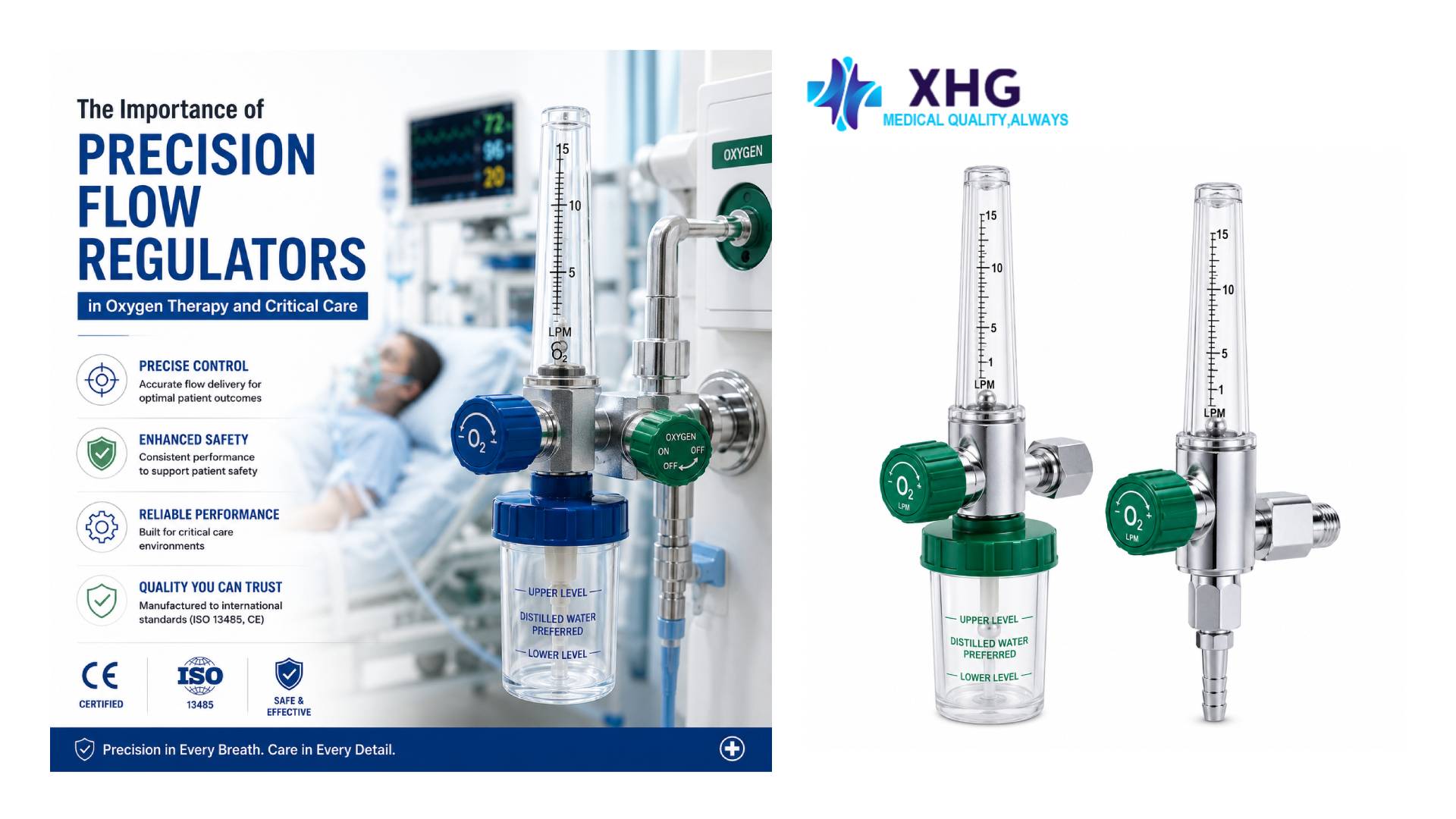
1. Why Precision Flow Regulators are Indispensable in Modern Healthcare
Precision in medical gas delivery is not merely a preference but a fundamental requirement for patient safety and treatment efficacy. In the context of oxygen therapy, the accurate administration of gas can mean the difference between a stable recovery and a critical deterioration. As healthcare standards evolve globally, the reliance on high-quality flow regulators has intensified, driven by a need for equipment that minimizes human error. Hospitals and clinics are increasingly prioritizing devices that offer granular control over oxygen output, ensuring that patients receive exactly the prescribed dosage. This trend is largely fueled by the growing complexity of respiratory treatments and the heightened awareness of patient safety protocols across the medical industry.
The consequences of imprecise flow control can be severe, ranging from hypoxemia due to under-delivery to oxygen toxicity resulting from excessive supply. For B2B buyers and procurement managers, ensuring that inventory consists of top-tier flow regulators is essential to mitigate liability and enhance clinical outcomes. Manufacturers are responding to this need by engineering devices with finer calibration marks and more robust pressure-compensating mechanisms. These advancements allow healthcare providers to set flow rates with absolute confidence, regardless of fluctuations in the central gas supply system. Consequently, the market is seeing a shift away from generic, low-precision devices toward specialized equipment that guarantees consistent performance under varying pressure conditions.
This focus on precision is also driving the wholesale market toward stricter quality assurance and certification requirements. Distributors and medical equipment suppliers must now verify that the flow regulators they source meet rigorous international standards for accuracy and durability. The emphasis on precision is not just about the mechanics of the device but also about the overall integration into the patient’s care plan. When accuracy is guaranteed, clinicians can focus their attention on other critical aspects of patient care rather than constantly troubleshooting equipment discrepancies. This reliability builds trust between healthcare providers and their equipment suppliers, fostering long-term B2B relationships based on consistent product performance.
Looking ahead at industry projections for 2025 and 2026, market data indicates a compound annual growth rate (CAGR) of approximately 6.5% in the respiratory device sector, largely propelled by demand for precision regulation technologies. This statistic underscores a broader industry movement where quality and specificity are outpacing cost-cutting measures in procurement decisions. For wholesalers and custom manufacturers, this represents a significant opportunity to differentiate their offerings by highlighting the precision engineering of their products. By aligning product development with these exacting standards, businesses can secure a competitive edge in a market that is increasingly defined by the clinical reliability of its components.
1.1 How Flow Regulators Enhance Patient Safety and Treatment Efficacy
Patient safety remains the paramount concern in the design and utilization of medical oxygen delivery systems. Flow regulators serve as the critical control point that moderates the passage of oxygen from a high-pressure source to a safe, breathable level for the patient. By maintaining a steady and accurate flow rate, these devices prevent the dangerous spikes or drops in oxygen saturation that can lead to serious complications. Advanced models now incorporate safety mechanisms such as pressure-relief valves and anti-static components to further reduce risks. These features are particularly vital in critical care environments where patients may be extremely vulnerable to even minor variations in gas delivery.
The efficacy of treatments for chronic conditions like COPD (Chronic Obstructive Pulmonary Disease) and acute respiratory distress syndrome (ARDS) depends heavily on the consistency of oxygen delivery. Inconsistent flow can render medication less effective or fail to adequately oxygenate the blood, prolonging hospital stays and increasing healthcare costs. High-quality flow regulators ensure that the prescribed therapeutic parameters are strictly adhered to, thereby optimizing the physiological response to treatment. For B2B clients, supplying these reliable devices means becoming an integral partner in the healthcare delivery chain, contributing directly to positive patient prognoses and reduced readmission rates.
Furthermore, the integration of user-friendly interfaces in modern regulator designs significantly enhances operational safety. Medical staff often work in high-stress environments where complex equipment can lead to user error. Regulators that offer clear, easy-to-read gauges and intuitive adjustment dials minimize the risk of accidental misconfiguration. Wholesale suppliers are recognizing this trend and are increasingly stocking models that prioritize ergonomic design without sacrificing technical precision. This focus on usability ensures that safety features are not just theoretical aspects of the device but are practical benefits that manifest during daily use in busy hospital wards.
Recent insights from 2025 healthcare reports highlight that hospitals investing in advanced, safety-enhanced flow control equipment have seen a measurable decrease in device-related incidents. This data serves as a powerful argument for procurement officers when selecting equipment vendors. It suggests that the initial investment in higher-quality flow regulators pays dividends in the form of enhanced patient safety scores and operational efficiency. As the industry moves toward 2026, the expectation is that safety certification will become even more stringent, making the adoption of premium, well-engineered regulators a standard requirement rather than a luxury option for medical facilities.
1.2 Which Specific Features Define High-Quality Flow Regulators
When evaluating the vast array of equipment available on the market, specific technical features distinguish high-quality flow regulators from standard, commodity-grade devices. One of the primary indicators of quality is the material composition of the regulator body and internal components. Premium regulators typically utilize high-grade brass, aluminum, or lightweight, durable polymers that resist corrosion and withstand frequent sterilization processes. For wholesale buyers, offering products constructed from these robust materials ensures a longer product lifecycle and reduces the frequency of replacements, providing better value to end-users. Durability is a key selling point, particularly in high-traffic wards where equipment is subjected to rigorous daily use.
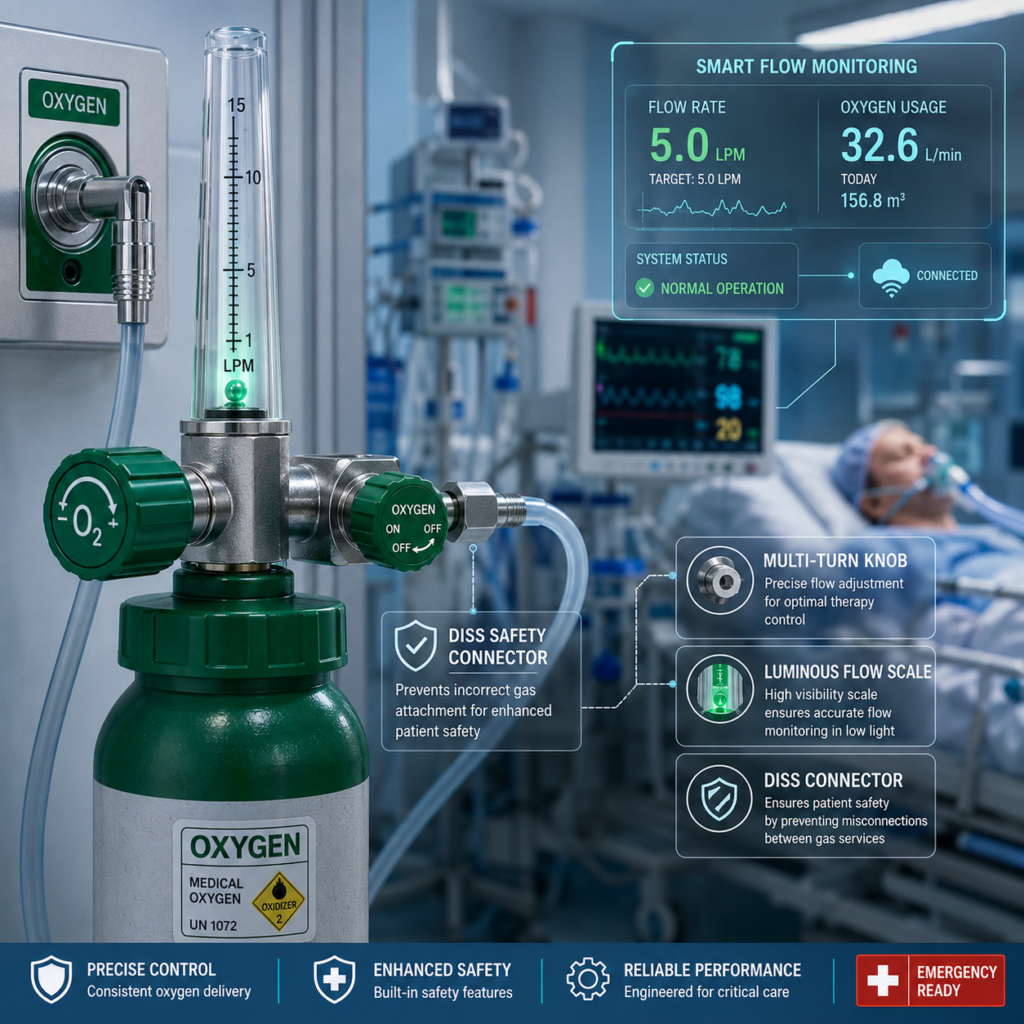
Another defining feature is the precision of the flow control mechanism, specifically the ball-in-tube or needle valve design used to adjust the rate of gas. High-end flow regulators feature multi-turn knobs that allow for micro-adjustments, enabling clinicians to set flow rates with exceptional accuracy. This is often complemented by clear, luminous flow scales that remain visible under low-light conditions, a common scenario in intensive care units. The smoothness of the adjustment mechanism is also critical; it should offer enough resistance to prevent accidental movement but remain fluid enough for quick, emergency adjustments. These mechanical nuances are what define the user experience and reliability of the device in a clinical setting.
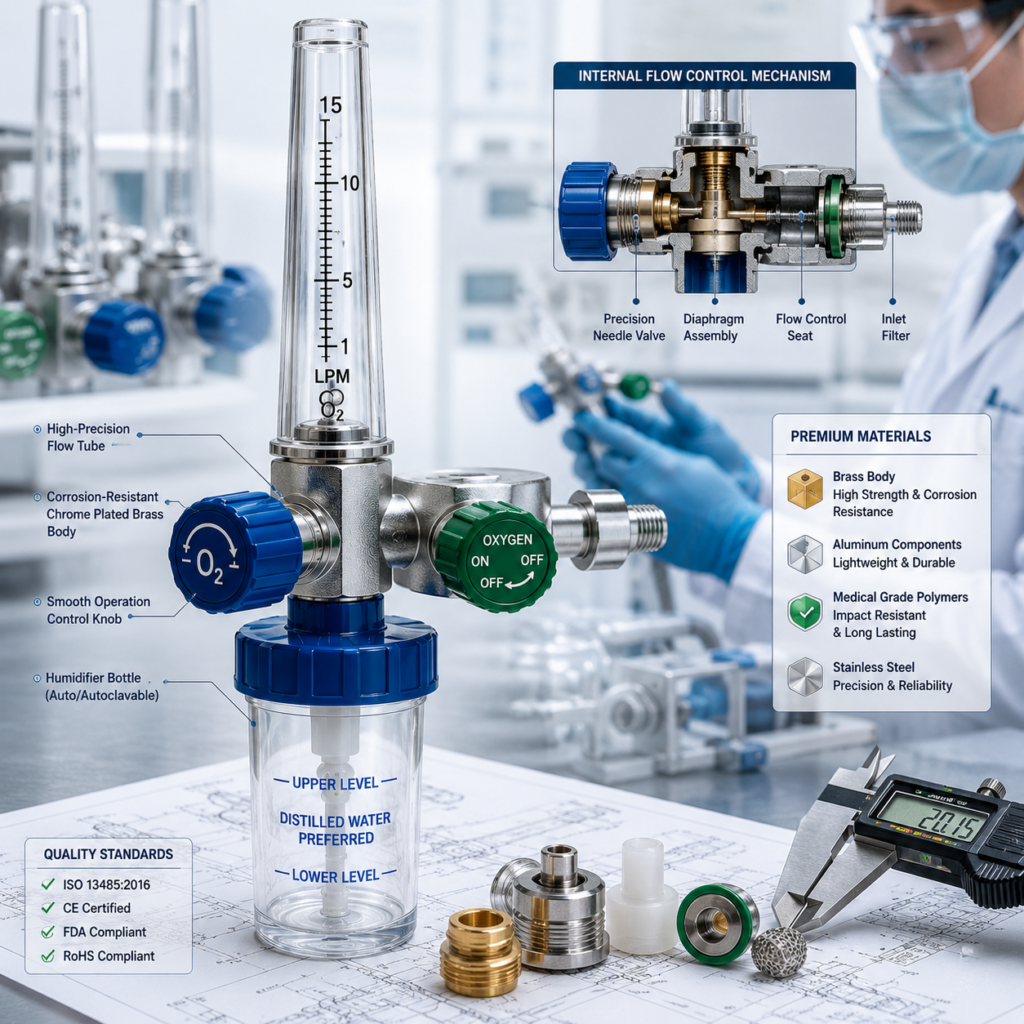
Connectivity and compatibility also play a significant role in defining quality. A superior regulator is designed to integrate seamlessly with a wide variety of oxygen cylinders, concentrators, and central piping systems without the need for cumbersome adapters. This universal compatibility is a major factor for distributors who need to stock inventory that can serve diverse client bases. Furthermore, the inclusion of DISS (Diameter Index Safety System) connectors ensures that the regulator can only be attached to the correct type of gas line, preventing catastrophic cross-contamination of gases. These built-in safety interlocks are non-negotiable features for modern medical gas administration and are a key focus for custom manufacturing requirements.
Market analysis leading into 2026 suggests a growing demand for “smart” integration capabilities in respiratory equipment, including flow regulators. While traditional mechanical devices remain the standard, there is an increasing interest in regulators that can interface with digital monitoring systems to provide real-time data on oxygen consumption and flow rates. B2B manufacturers who are currently exploring customization options should consider incorporating mounting points or sensors that can facilitate this digital transition. By focusing on these high-value features—durability, precision mechanics, safety compatibility, and future-ready design—wholesalers can cater to a sophisticated segment of the market that prioritizes quality above all else.
2. How High Flow Pressure Regulators Enhance Critical Care Outcomes
In critical care scenarios, such as trauma resuscitation or intensive care for severe respiratory failure, the demand for oxygen often exceeds the capacity of standard delivery systems. This is where the high flow pressure regulator becomes an essential tool in the medical arsenal. Unlike standard regulators, which are designed for lower flow rates typically used in mild to moderate therapy, high flow regulators are engineered to deliver large volumes of oxygen at consistent pressures. This capability is crucial when stabilizing patients who require immediate, high-concentration oxygenation to prevent organ failure. The robust construction of these devices allows them to handle the mechanical stress of high-velocity gas flow without compromising accuracy.
The utilization of a high flow pressure regulator directly impacts clinical outcomes by ensuring that oxygen delivery is never the bottleneck in patient stabilization. In emergency medicine, time is of the essence, and medical personnel need equipment that can deliver therapeutic levels of gas instantly without lag or fluctuation. These regulators are specifically calibrated to maintain precise flow rates even when the inlet pressure from the cylinder or wall source drops significantly as the supply depletes. This pressure compensation is vital for maintaining a stable FiO2 (Fraction of Inspired Oxygen) level, allowing clinicians to administer necessary medications and procedures without the distraction of constantly adjusting the oxygen flow.
From a B2B perspective, the market for high-pressure solutions is expanding as hospitals upgrade their emergency and critical care infrastructure. The wholesale distribution of high flow pressure regulator units requires a focus on reliability and performance testing. Buyers in this sector are less sensitive to price and more focused on the technical specifications and failure rates of the equipment. Suppliers that can provide detailed performance data, stress test results, and compliance with emergency care standards will find greater success in securing contracts with large hospital networks and trauma centers. The emphasis is on providing a product that performs flawlessly under the most extreme conditions.
Industry forecasts for 2025 indicate a 15% increase in the procurement of critical care components, specifically high-flow systems, driven by the post-pandemic reinforcement of ICU capabilities. Furthermore, by 2026, it is expected that regulatory bodies will enforce stricter guidelines on the availability of high-flow backup systems in all emergency departments. This creates a clear mandate for wholesalers to expand their catalog of high flow pressure regulator options, ensuring they can meet the surge in demand. Businesses that proactively stock these high-demand, critical-use items will position themselves as essential partners to healthcare institutions preparing for future healthcare challenges.
2.1 Why High Flow Pressure Regulators Are Vital for Emergency Response
Emergency response scenarios, whether in a hospital emergency room or an ambulatory setting, present unique challenges that standard equipment cannot always address. The primary reason a high flow pressure regulator is vital in these situations is its ability to rapidly deliver high volumes of oxygen to patients in shock or severe distress. In cases of cardiac arrest, major trauma, or severe asthma attacks, the patient’s respiratory capacity is often compromised to a degree where low-flow oxygen therapy is ineffective. The high-flow regulator bridges this gap, ensuring that the patient receives the maximum possible oxygen support immediately, which is often a decisive factor in survival rates.
The design of these regulators allows for a quick response time that is critical during the “golden hour” of trauma care. Medical personnel do not have the luxury of waiting for equipment to warm up or stabilize; they need immediate functionality. A high flow pressure regulator is built for instant actuation, providing a surge of oxygen the moment the valve is opened. This responsiveness is achieved through precision engineering that minimizes internal resistance to gas flow. For B2B customers, particularly those supplying ambulance services and first responders, the ruggedness and instant readiness of these regulators are the primary purchasing criteria. The equipment must perform reliably in the field, where environmental conditions can be unpredictable and harsh.
Moreover, the versatility of these regulators makes them indispensable across a wide range of emergency medical services (EMS). They are compatible with various oxygen cylinder sizes, from portable D-tanks used in ambulances to large H-cylinders used in hospital backup systems. This adaptability means that a single type of high flow pressure regulator can be standardized across an entire emergency response network, simplifying training and maintenance. Standardization is a key goal for healthcare system buyers, as it reduces the complexity of inventory management and ensures that all staff are familiar with the equipment, regardless of their specific location or unit.
Recent 2025 statistics on emergency medical services show that response teams equipped with advanced high-flow oxygen systems report higher success rates in patient stabilization during transport. This data is driving a trend toward equipping all first-response vehicles with heavy-duty regulation systems. Looking toward 2026, the market anticipates a rise in customized EMS kits that integrate high flow pressure regulator units specifically designed for rapid deployment in disaster zones. Wholesale suppliers who can provide these specialized, ready-to-deploy packages will tap into a growing niche focused on emergency preparedness and mass casualty incident response.
2.2 Which Market Trends Are Driving Demand for High Flow Solutions
The demand for high flow oxygen solutions is not occurring in a vacuum but is being driven by several converging market trends and demographic shifts. One significant factor is the aging global population, which is leading to a higher prevalence of chronic respiratory diseases that eventually require acute, high-flow intervention. As the patient demographic with severe comorbidities expands, hospitals are finding it necessary to equip more wards with the capability to handle acute decompensation. This shift necessitates a broader deployment of the high flow pressure regulator beyond the traditional ICU and into general wards and step-down units. This widespread adoption is a major driver of volume sales for B2B medical equipment distributors.
Another trend influencing the market is the increasing preference for non-invasive ventilation strategies that often rely on high-flow oxygen as a precursor or adjunct to mechanical ventilation. High-flow nasal cannula (HFNC) therapy, in particular, has gained widespread acceptance as a effective treatment for hypoxemic respiratory failure. This therapy relies heavily on the consistent performance of a high flow pressure regulator to blend air and oxygen accurately and deliver it at the required flow rates. The clinical success of HFNC is directly translating into increased orders for compatible regulation equipment. Suppliers who can match their regulator specifications to the requirements of popular HFNC devices are seeing significant growth in their market share.
Technological advancements in manufacturing are also shaping the market, enabling the production of more compact and lightweight high-flow regulators. These innovations are opening up new applications in home healthcare and portable critical care transport. Previously, high-flow systems were bulky and stationary, limiting their use to fixed hospital settings. However, the new generation of high flow pressure regulator models is portable enough for use in air ambulances and home critical care setups. This portability expands the total addressable market for wholesalers, allowing them to reach segments of the healthcare industry that were previously underserved by traditional high-flow equipment.
Looking at market insights for 2026, analysts predict a surge in demand for “smart” high-flow systems that include digital monitoring of flow and pressure. This integration of technology is expected to drive a premium segment of the market, where hospitals are willing to pay extra for data connectivity that enhances patient monitoring. For wholesale and custom manufacturing businesses, this trend highlights the importance of innovation. Staying ahead of the curve involves not only stocking current best-sellers but also working with manufacturers to develop next-generation high flow pressure regulator units that incorporate these emerging digital capabilities. By aligning with these technological trends, businesses can ensure long-term relevance in a rapidly evolving marketplace.
3. Which Demand Flow Regulator Designs Best Suit Variable Clinical Needs
Variable clinical needs require adaptable solutions, and the demand flow regulator offers a distinct advantage in scenarios where oxygen conservation and patient mobility are priorities. Unlike continuous flow regulators that deliver a constant stream of oxygen, demand regulators release gas only when the patient inhales. This design is particularly beneficial for ambulatory patients and long-term care scenarios where the duration of the oxygen supply is a critical constraint. Selecting the right design involves analyzing the specific breathing patterns of the patient demographic and the logistical requirements of the care setting. For B2B buyers, understanding these clinical nuances is essential for recommending the correct demand flow regulator models to healthcare providers.
The primary benefit of the demand flow regulator lies in its efficiency; it can extend the life of an oxygen cylinder by a factor of two to five compared to continuous flow systems. This efficiency makes it the preferred choice for home healthcare providers and emergency medical services where carrying multiple heavy cylinders is impractical. The design of these regulators has evolved significantly, with modern versions offering very sensitive triggering mechanisms that respond to minimal inspiratory effort.
This sensitivity ensures that patients do not have to work hard to trigger the flow, improving comfort and compliance. Wholesalers focusing on the home care market should prioritize inventory that emphasizes ease of use and high conservation ratios, as these are the primary concerns for this customer segment.
Different clinical scenarios demand different levels of sophistication in regulator design. For example, a simple pneumatic demand flow regulator might be sufficient for a patient requiring low-flow supplemental oxygen during short trips. However, a patient with more complex respiratory needs might benefit from an electronic conserver that adjusts the pulse dose volume based on the detected breath rate. These electronic devices represent the high end of the market and offer superior customization options for specific patient profiles. The ability to offer a range of products, from basic pneumatic conservers to advanced electronic units, allows a distributor to capture a broader share of the respiratory care market.
Market data from 2025 indicates a robust 8% growth in the home healthcare market, specifically for portable oxygen delivery systems that utilize demand technology. As healthcare systems continue to shift care from hospitals to the home to reduce costs, the demand for these efficient, user-friendly devices is expected to climb. By 2026, it is projected that demand flow regulator technology will become standard in all portable oxygen prescriptions. Wholesale suppliers must therefore prepare for this transition by building strong relationships with manufacturers who specialize in conservation technology and by training their sales teams on the specific benefits and applications of demand-based flow delivery.
3.1 How Demand Flow Regulators Support Ambulatory and Home Care
The shift toward ambulatory and home care has accelerated the adoption of oxygen delivery solutions that prioritize portability and efficiency. The demand flow regulator is the cornerstone technology enabling this shift, as it decouples the patient from heavy, stationary equipment. By delivering oxygen only during the inhalation phase, these regulators drastically reduce waste, allowing patients to use smaller, lighter cylinders for longer periods. This mobility is crucial for maintaining the quality of life for patients requiring long-term oxygen therapy (LTOT), allowing them to return to work, travel, and engage in social activities without the burden of continuous-flow heavy equipment.
In a home care setting, the ease of use of the equipment is just as important as its clinical efficacy. Caregivers, who may have limited medical training, rely on intuitive equipment that is easy to set up and monitor. Manufacturers of demand flow regulator devices have responded by incorporating clear visual indicators, audible alarms for low oxygen supply, and ergonomic controls that are easy to grip and turn. These user-centric design elements reduce the cognitive load on the patient and caregiver, minimizing the risk of user error. For B2B distributors focusing on home medical equipment (HME), highlighting these ease-of-use features in their marketing materials is often more effective than focusing solely on technical specifications.
Furthermore, the economic benefits for home care providers are substantial. The extended cylinder life provided by a demand flow regulator translates to fewer deliveries and lower operational costs for oxygen service providers. This efficiency is a compelling selling point for B2B negotiations with home healthcare agencies. When a distributor can demonstrate a clear return on investment (ROI) through reduced delivery frequency and lower equipment attrition, they become a preferred vendor. The market is seeing increased consolidation in home care services, meaning larger purchasing organizations are standardizing on the most efficient equipment available to maximize their margins across their patient base.
Looking at 2025 trends, the integration of telehealth monitoring with demand flow devices is beginning to take hold. Some advanced demand flow regulator models now feature Bluetooth connectivity that syncs with smartphone apps to track usage and oxygen saturation levels. This data is invaluable for physicians managing remote patients, as it provides insights into adherence and therapy effectiveness. As we move toward 2026, this “connected care” ecosystem is expected to become the standard in home respiratory therapy. Wholesale suppliers who can offer these integrated solutions will be well-positioned to meet the demands of a tech-savvy, value-driven home care market.
3.2 Why Customization of Demand Flow Regulators Benefits B2B Clients
Customization in the realm of medical equipment is a powerful differentiator, and the demand flow regulator offers numerous opportunities for tailoring to specific market needs. B2B clients, ranging from large hospital chains to regional distributors, often have unique requirements that off-the-shelf products cannot fully address. Customization can range from simple branding changes, such as logo placement and color coding, to more complex technical adjustments like specific pressure settings or unique connector configurations. By offering these bespoke solutions, manufacturers and wholesalers can deepen their client relationships and create barriers to entry for competitors who only provide standard, generic products.
One of the primary reasons clients seek customized demand flow regulator options is to ensure seamless integration with their existing inventory and infrastructure. A hospital system may standardize on a specific type of oxygen tubing or connection interface to prevent misconnections and simplify training. A regulator manufacturer who can modify their product to match these specific specifications provides immense value to the procurement team. This level of compatibility reduces the need for adapters, which can be potential points of failure, and streamlines the supply chain. For wholesalers, acting as the conduit for these custom requests positions them as solution providers rather than mere box movers.
Branding and private labeling are also significant drivers for customization in the B2B sector. Distributors often wish to build their own brand identity to foster customer loyalty and gain market leverage. By supplying demand flow regulator units that carry the distributor’s branding, they effectively market their own name with every unit sold. This strategy is particularly effective in competitive markets where product differentiation is difficult. Wholesale partners that can coordinate OEM (Original Equipment Manufacturer) agreements to produce custom-branded batches enable their clients to capture higher margins and build a stronger market presence.
Market insights for the 2025-2026 period suggest a growing preference for modular designs that allow for field customization. Rather than ordering a completely custom unit from the factory, buyers may prefer a demand flow regulator that features interchangeable components, such as different diaphragms or valves, that can be swapped out to suit different patient needs or regional standards. This flexibility offers the best of both worlds: the economies of scale of mass production with the specificity of custom equipment. B2B suppliers should focus on sourcing and promoting modular regulator systems that offer this versatility, as it aligns perfectly with the healthcare industry’s move toward flexible, cost-effective solutions.
4. Why Wholesale Customization Matters for Medical Oxygen Devices
The medical device industry is increasingly moving toward personalized solutions, and this trend extends powerfully into the B2B wholesale market. Customization of medical oxygen devices, including flow regulators, is no longer a niche service but a critical value proposition. Healthcare providers operate in diverse environments with specific protocols, and a “one-size-fits-all” approach often falls short of meeting these exacting standards. By leveraging wholesale customization, distributors can offer tailored solutions that address the precise clinical and operational needs of their clients. This capability transforms a transactional vendor relationship into a strategic partnership, fostering long-term loyalty and recurring business.
The primary driver behind the importance of wholesale customization is the need for regulatory compliance and standardization across different healthcare systems. Different countries and even individual hospital networks have varying standards for medical gas connections, color coding, and safety features. A flow regulator that is compliant in one region may be unusable in another without specific modifications. Wholesale suppliers who offer customization services can navigate this complex regulatory landscape, ensuring that the equipment they supply is fully compliant with local standards. This service relieves a significant administrative burden from the buyer, making the supplier an indispensable link in the supply chain.
Beyond compliance, customization allows for product optimization based on specific clinical use cases. For example, a pediatric hospital requires regulators capable of delivering very precise, low flow rates that are not typically needed in a general adult ward. A wholesale provider that can source or modify flow regulators to offer finer low-flow granularity can capture this specialized market segment. Similarly, military or field hospital applications may require regulators that are exceptionally rugged or feature specific camouflage or low-visibility coatings. These niche applications command higher margins and less price competition, as they require specialized knowledge and manufacturing flexibility that generalist suppliers lack.
As we look toward 2025 and beyond, the concept of the “value-added reseller” is becoming dominant in the medical equipment space. Distributors are expected to do more than just ship boxes; they must provide solutions that enhance the end-user’s experience. Customization is the ultimate value-add. Whether it is bundling a high flow pressure regulator with a specific mask kit or pre-configuring a demand flow regulator with a proprietary cannula, these tailored offerings save time and reduce friction for the healthcare provider. Market data suggests that B2B buyers are willing to pay a premium for this convenience and specificity, making wholesale customization a profitable strategy for forward-thinking suppliers.
4.1 How Custom Solutions Enhance Supply Chain Efficiency for Distributors
Efficiency in the supply chain is the backbone of a successful medical distribution business. Custom solutions play a pivotal role in streamlining operations and reducing waste. When distributors work with manufacturers to create customized flow regulators or pre-assembled kits, they reduce the number of individual SKUs (Stock Keeping Units) that need to be managed. Instead of stocking a separate regulator, tubing, and humidifier bottle, a distributor can stock a single customized SKU that combines all necessary components. This consolidation simplifies warehouse management, reduces picking errors, and speeds up the order fulfillment process, ultimately boosting the distributor’s bottom line.
Customization also enhances forecasting accuracy. By tailoring products to the specific, predictable needs of their client base, distributors can lock in long-term contracts and manufacturing schedules. For instance, if a distributor secures a contract to supply a hospital system with a customized high flow pressure regulator featuring specific hospital-branding and connectors, they can place large, scheduled orders with the manufacturer. This bulk ordering strategy leverages economies of scale, reducing the per-unit cost. Furthermore, it mitigates the risks associated with holding volatile inventory of generic items that may fluctuate in demand. Predictable, custom-driven supply chains are inherently more resilient and cost-effective.
Furthermore, offering custom solutions acts as a defensive moat against commoditization. In a market where standard flow regulators are viewed as commodities subject to intense price competition, customization offers a way out. A distributor who provides a custom-configured product that solves a unique problem for the client is less susceptible to being undercut by a cheaper, generic competitor. The client relies on the distributor not just for the product, but for the specific configuration that integrates into their system. This dependency increases client retention rates and provides the distributor with greater pricing power, which is crucial in maintaining healthy margins in a competitive B2B environment.
Industry projections for 2026 emphasize the rise of “just-in-time” manufacturing combined with wholesale customization. Advances in manufacturing technology are allowing for smaller production runs of customized items without the massive setup costs of the past. This trend benefits distributors by allowing them to offer custom flow regulators without the need to hold massive, expensive inventories. They can respond to specific client orders rapidly, having the manufacturer produce the custom configuration and ship it directly. This agility in the supply chain, powered by customization capabilities, will define the leading distributors of the next decade.
4.2 Which Customization Options Are Most Valuable for Buyers
When discussing customization with buyers, it is important to distinguish between “nice-to-have” features and those that offer genuine, tangible value. For flow regulators, the most valuable customization options typically revolve around physical interface and safety compliance. The ability to specify exact connector types—such as DISS, Ohmeda, or specific national standards—is often the top priority for procurement officers. Ensuring that the regulator fits seamlessly with their existing wall outlets or cylinder valves eliminates the need for potentially unsafe adapters. Wholesale suppliers that can guarantee compatibility through custom connector configurations will always be preferred over those offering generic, potentially incompatible solutions.
Another highly valuable area for customization is the scale and marking system on the regulator. Different clinical protocols may require different units of measurement (e.g., liters per minute vs. milliliters per minute) or specific color-coding to indicate gas types or flow ranges. A high flow pressure regulator intended for emergency use might benefit from high-contrast, luminescent markings for visibility in smoke or darkness. Conversely, a pediatric demand flow regulator might need a more granular scale for low-flow precision. Buyers value these modifications because they directly enhance the safety and usability of the device for their specific staff and patient populations, thereby reducing the risk of errors and improving workflow efficiency.
Aesthetic customization, while sometimes overlooked, plays a significant role in brand identity and equipment management. Hospitals and home care providers often appreciate the ability to choose regulator colors that match their brand guidelines or to color-code equipment by department to prevent theft or misplacement. Engraving options, such as adding a hospital logo or a unique asset tracking number, turn a standard commodity into a tracked asset. This level of detail helps buyers manage their inventory more effectively and prevents equipment loss. For B2B suppliers, offering laser engraving or custom color molding services is a relatively low-cost way to add significant perceived value to the product.
Finally, customized packaging solutions are increasingly in demand. Buyers are looking for “ready-to-use” kits that include the flow regulator, the necessary tubing, and a mask or cannula in a single, sterile package. This kit-based approach is invaluable for crash carts, emergency rooms, and surgery centers where speed is critical. By assembling these custom kits, wholesalers help their clients reduce preparation time and ensure that all necessary components are available and compatible. Market analysis from late 2024 and early 2025 shows a strong preference for these all-in-one custom kits, as they simplify procurement and standardize care across hospital systems. Suppliers who master the art of kitting and custom packaging will find themselves well-positioned to win large-scale supply contracts.
5. How Businesses Should Respond to Evolving Oxygen Therapy Trends
The landscape of oxygen therapy is undergoing rapid transformation, driven by technological advancements and shifting demographics. Businesses operating in this space must adopt a proactive stance to remain competitive. Responding effectively requires a keen understanding of emerging trends, such as the integration of digital health technologies and the increasing emphasis on home-based care. For B2B wholesalers and manufacturers, this means diversifying product lines to include next-generation flow regulators that are compatible with digital monitoring platforms. It is no longer sufficient to rely solely on traditional mechanical devices; the market is pivoting toward “smart” ecosystems that offer data-driven insights into patient care.
One critical response strategy is to invest in education and training for both sales teams and end-users. As high flow pressure regulator and demand flow regulator technologies become more sophisticated, the knowledge gap between the equipment and the user can widen. Businesses that provide comprehensive training programs, webinars, and certification courses on their products will differentiate themselves as industry leaders. This educational approach builds trust and confidence, assuring buyers that the supplier is not just selling a product but is invested in the successful implementation and safe use of that product. In a B2B context, value-added services like training are often the deciding factor in contract renewals.
Strategic partnerships and collaborations are also essential for navigating the evolving market. No single company can innovate in isolation. Businesses should seek alliances with technology firms, telehealth providers, and academic institutions to stay at the forefront of respiratory care innovation. For example, a manufacturer of flow regulators might partner with a software company to develop a proprietary sensor that tracks flow rate data. By pooling resources and expertise, businesses can accelerate the development of cutting-edge solutions that meet the complex demands of modern healthcare. These collaborative efforts can lead to exclusive patents and products that command a leadership position in the market.
Finally, businesses must align their operations with the global push for sustainability. Healthcare is increasingly scrutinizing its environmental footprint, and oxygen therapy equipment is no exception. Developing recyclable components, reducing packaging waste, and creating energy-efficient manufacturing processes are becoming prerequisites for doing business with large health systems. Companies that can demonstrate a commitment to sustainability while maintaining the performance of their flow regulators will appeal to the growing segment of eco-conscious procurement officers. This alignment not only meets regulatory requirements but also enhances the brand’s reputation, positioning it as a responsible corporate citizen in the eyes of stakeholders and customers alike.
5.1 Why Strategic Sourcing of Flow Regulators is Critical for 2026
As the year 2026 approaches, global supply chains continue to face challenges ranging from raw material shortages to geopolitical instability. In this volatile environment, strategic sourcing of medical components, specifically flow regulators, becomes a critical risk management exercise. Businesses can no longer rely on spot buying or last-minute procurement. Instead, they must cultivate deep relationships with multiple, qualified manufacturers to ensure a steady supply of essential components. Diversifying the supply base protects the business from disruptions caused by unforeseen events, ensuring that hospitals and clinics receive their life-saving equipment without interruption.
Strategic sourcing also involves a rigorous vetting process focused on quality assurance and regulatory compliance. The regulatory environment for medical devices is tightening, with 2026 expected to bring more stringent controls on respiratory equipment. Buyers must ensure that their sourced high flow pressure regulator and demand flow regulator units not only meet current standards but are also future-proofed against upcoming regulations. This requires close collaboration with suppliers who have a proven track record of compliance and a willingness to invest in necessary certifications. A failure in sourcing compliant products can result in costly recalls, legal liability, and irreparable damage to the company’s reputation.
Cost management is another pillar of strategic sourcing. While the temptation may be to source the cheapest components, the total cost of ownership often tells a different story. Lower-priced regulators may fail more frequently, leading to higher warranty costs and dissatisfied customers. Strategic sourcing looks at the long-term value, prioritizing durability, reliability, and lifecycle costs over the initial purchase price. By negotiating long-term contracts with reputable manufacturers, businesses can lock in stable pricing and secure priority allocation of inventory during shortages. This stability is a significant competitive advantage when selling to B2B clients who value predictable pricing and reliable availability.
Furthermore, strategic sourcing provides valuable market intelligence. Suppliers who are deeply embedded in the manufacturing ecosystem can provide early warnings about emerging trends, material innovations, and potential bottlenecks. A business that maintains close communication with its supply chain partners can leverage this intelligence to make informed inventory decisions. For instance, if a supplier indicates a shift toward lighter-weight materials for flow regulators, the distributor can adjust its product mix ahead of the curve. This proactive approach, powered by strategic sourcing, allows businesses to lead the market rather than react to it.
5.2 Which Partnership Models Will Lead to Market Success
The complex nature of the modern healthcare market demands that businesses move beyond simple transactional relationships and embrace more integrated partnership models. One highly successful model is the “Preferred Supplier” or “Vendor Managed Inventory” (VMI) arrangement. In this model, the distributor of flow regulators takes over the management of the customer’s inventory, ensuring stock levels are optimized and replenished automatically. This model creates high switching costs for the buyer, as the distributor becomes intricately woven into the customer’s daily operations. For the buyer, it reduces administrative overhead and eliminates stockouts, while for the distributor, it guarantees a steady volume of sales.
Another effective partnership model is the “Joint Development” agreement. This is particularly relevant for custom products like specialized high flow pressure regulator units. In this model, the distributor and the healthcare provider (or the distributor and the manufacturer) co-invest in the design and development of a product tailored to a specific need. By sharing the risks and rewards of the development process, both parties are incentivized to ensure the product’s success. This collaborative approach fosters deep loyalty and results in products that are perfectly aligned with market needs. It also allows the distributor to claim exclusive rights to the product, providing a formidable competitive advantage.
OEM (Original Equipment Manufacturer) partnerships represent a third critical model, especially for wholesalers looking to build their own brand. By partnering with a contract manufacturer, a distributor can produce high-quality demand flow regulator devices under their private label. This allows the distributor to capture the margin that would otherwise go to a name-brand manufacturer. Successful OEM partnerships rely on clear quality agreements, transparent communication, and mutual trust. As we move toward 2026, the ability to offer high-quality private-label options will be a key differentiator for distributors looking to escape the commoditization of generic medical supplies.
Finally, “Ecosystem Partnerships” are emerging as a powerful model, integrating equipment with services and software. For example, a supplier might partner with a telehealth platform to offer a bundled solution of a smart flow regulator combined with remote monitoring services. This holistic approach addresses the broader clinical outcome rather than just providing a piece of hardware. Healthcare providers are increasingly looking for these comprehensive solutions that solve multiple problems at once. Businesses that can assemble and orchestrate these complex partnerships will position themselves as indispensable solution architects in the healthcare ecosystem, securing their growth and relevance in the years to come.
Conclusion
The critical role of flow regulators in ensuring the safety and efficacy of oxygen therapy cannot be overstated. From the life-saving capabilities of the high flow pressure regulator in emergency rooms to the efficiency and mobility offered by the demand flow regulator in home care, these devices are foundational to modern respiratory treatment. As the industry moves toward 2026, the demand for precision, customization, and reliability will only intensify. For B2B buyers, wholesalers, and manufacturers, the path to success lies in understanding these clinical necessities and responding with high-quality, tailored solutions. By prioritizing precision engineering and embracing strategic customization, businesses can not only meet the current demands of the market but also anticipate the future needs of critical care.
Frequently Asked Questions
1. Why are precision flow regulators critical for patient safety and B2B procurement?
Precision flow regulators are essential because they ensure the accurate delivery of oxygen, which is vital for patient survival and treatment efficacy. In clinical settings, even minor deviations in flow rates can lead to severe consequences such as hypoxemia or oxygen toxicity. For B2B procurement officers, sourcing high-precision flow regulators minimizes liability and enhances patient safety scores. By ensuring devices meet rigorous calibration standards, healthcare providers can trust that the prescribed dosage is delivered consistently, thereby fostering trust in the supplier’s brand and reducing the likelihood of equipment-related incidents.
2. How does a high flow pressure regulator differ from standard models in critical care?
A high flow pressure regulator is specifically engineered to deliver large volumes of oxygen at consistent pressures, unlike standard regulators designed for lower flow rates. In critical care scenarios, such as trauma resuscitation or severe respiratory failure, patients require immediate, high-concentration oxygen to stabilize their condition. These regulators maintain precise flow rates even as cylinder pressure drops, ensuring a stable FiO2 (Fraction of Inspired Oxygen). For wholesalers, offering these robust units is crucial for serving ICU and emergency departments where performance under extreme conditions is non-negotiable.
3. Why should B2B clients consider demand flow regulator designs for ambulatory care?
B2B clients should consider a demand flow regulator for ambulatory care because these devices significantly enhance oxygen efficiency and patient mobility. Unlike continuous flow systems, demand regulators release oxygen only when the patient inhales, which can extend the life of an oxygen cylinder by a factor of two to five. This efficiency reduces the logistical burden of carrying heavy cylinders and allows patients to maintain an active lifestyle. For distributors, stocking these conservers meets the growing market demand for portable, long-lasting respiratory solutions, particularly in the home healthcare sector.
4. Which specific features define high-quality flow regulators?
High-quality flow regulators are defined by their material durability, precision control mechanisms, and safety compatibility. Premium models utilize high-grade brass or aluminum that resists corrosion and withstands frequent sterilization. They feature multi-turn knobs for micro-adjustments and clear, luminous flow scales for visibility in low light. Additionally, the inclusion of DISS (Diameter Index Safety System) connectors prevents cross-contamination of gases. For B2B buyers, prioritizing these features ensures a longer product lifecycle and reduces the total cost of ownership for their healthcare clients.
5. What market trends are expected to drive the flow regulators industry in 2025 and 2026?
Industry forecasts for 2025 and 2026 indicate a surge in demand driven by an aging population, the rise of home healthcare, and the integration of digital technology. There is a projected 6.5% CAGR in the respiratory device sector, with a specific 15% increase in procurement for critical care components. Furthermore, the market is moving toward “smart” flow regulators capable of interfacing with digital monitoring systems to provide real-time usage data. B2B suppliers who adapt to these trends by offering connected, high-efficiency devices will capture a significant competitive advantage.
6. How do demand flow regulators support the shift toward home healthcare?
The demand flow regulator is a cornerstone technology for the shift toward home healthcare because it decouples patients from stationary, high-volume oxygen sources. By conserving oxygen, these devices allow patients to use smaller, lighter cylinders, facilitating movement and independence. Their user-friendly designs also empower caregivers with limited medical training to manage therapy effectively. As healthcare systems move to reduce costs by discharging patients earlier, the demand for reliable, easy-to-use, and efficient oxygen conservers for home use is expected to climb steadily through 2026.
7. Why are high flow pressure regulators vital for emergency response teams?
High flow pressure regulator units are vital for emergency response because they provide instant, high-volume oxygen delivery necessary during the “golden hour” of trauma care. In situations like cardiac arrest or major accidents, patients often require maximum oxygenation immediately. These regulators are designed for rapid actuation and ruggedness, performing reliably in the unpredictable environments of ambulances and field hospitals. For distributors supplying EMS and first responders, ensuring inventory includes these heavy-duty, ready-to-use devices is critical for meeting the rigorous demands of emergency medicine.
8. Which customization options add the most value for wholesale buyers?
The most valuable customization options for wholesale buyers include specific connector configurations (e.g., DISS or national standards), customized flow scales (color-coded or high-contrast), and private labeling. Customizing the flow regulators to fit seamlessly with a hospital’s existing gas infrastructure eliminates the need for unsafe adapters and streamlines workflow. Additionally, offering pre-assembled kits that combine the regulator with tubing and masks creates a “ready-to-use” solution that saves time for clinical staff, providing a strong value proposition that differentiates a wholesaler from competitors selling generic products.
9. How does strategic sourcing of flow regulators impact supply chain efficiency?
Strategic sourcing of flow regulators impacts supply chain efficiency by mitigating risks associated with raw material shortages and geopolitical instability. By diversifying the supplier base and vetting manufacturers for quality and regulatory compliance, businesses ensure a steady supply of essential equipment. This approach allows for better inventory forecasting and cost management through long-term contracts. For B2B clients, a supplier with a resilient strategic sourcing network offers reliability and peace of mind, ensuring that critical care products are always available when needed.
10. How can distributors leverage custom flow regulators to improve their market position?
Distributors can leverage custom flow regulators to improve their market position by transitioning from simple vendors to solution providers. By offering OEM services, private labeling, and bespoke technical modifications, distributors create high switching costs for their clients, fostering deeper loyalty. Customization allows distributors to address niche market needs, such as pediatric care or military applications, where standard products fail. This strategy not only commands higher margins but also builds a reputation for innovation and customer-centricity, securing long-term contracts in a competitive B2B landscape.