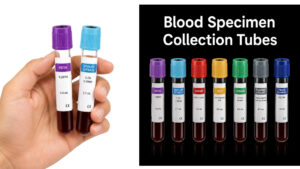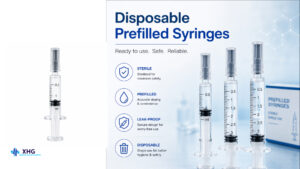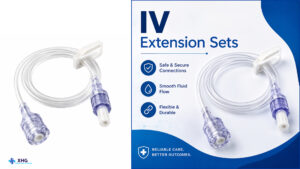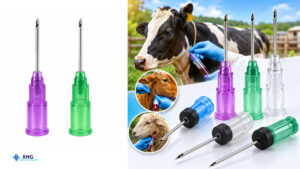
Navigating the world of medical manufacturing requires the right partnerships—especially when scaling through global production. Many companies choose to work with an OEM medical device China to achieve cost-efficiency, compliance, and speed to market. Selecting a trustworthy Chinese OEM factory and learning how to choose the right supplier can define long-term success and reliability in your supply chain. Know more..
Introduction: The Rise of OEM Manufacturing in China
Benefits of Chinese OEM Factory Partnerships
China has become a global hub for OEM manufacturing, especially in the medical device sector. Working with a Chinese OEM factory offers benefits like:
- Competitive pricing
- Scalability
- Skilled labor
- Advanced equipment
Why Companies Work with OEM China for Medical Devices
Companies work with OEM China because of its mature industrial base and strong track record in international quality certifications, including ISO 13485 and FDA compliance. For both startups and established firms, this makes China a preferred destination for sourcing disposable medical devices.
Understanding the Chinese OEM Factory Landscape
Types of OEM Facilities in China
Medical device manufacturers in China are categorized as:
- Full-service OEMs (design + production)
- White-label producers
- Custom-only suppliers
Understanding your product needs helps align with the correct Chinese OEM factory type.
Key Regions for Medical Device Manufacturing
- Guangdong – Known for plastics, assembly, and large-scale factories
- Jiangsu – Focus on biotech and Class II/Class III devices
- Zhejiang – Home to many disposable and consumer medical product factories
How to Choose the Right Supplier in China
Evaluating Certifications and Quality Standards
Your first step in how to choose the right supplier is verifying these:
- ISO 13485 certification
- FDA establishment registration (if exporting to the US)
- CE marking capabilities under MDR
A legitimate Chinese OEM factory will be transparent with documentation.
Assessing Production Capacity and Equipment
Ask for:
- Machine lists
- Daily/weekly output rates
- Cleanroom classifications
This prevents capacity mismatches or overpromising during peak seasons.
Steps to Successfully Work with OEM China
Initial Inquiry and RFQ Process
To work with OEM China smoothly:
- Send a detailed Request for Quotation (RFQ)
- Include drawings, materials, tolerances, and certifications required
Factory Audits and Virtual Tours
If travel isn’t possible, request a live video call to audit facilities. This helps validate your future Chinese OEM factory partner’s setup and workflows.
Ensuring Regulatory Compliance and Quality
ISO 13485, FDA, and MDR Requirements
Chinese manufacturers must meet global standards. Ensure the factory:
- Has a valid ISO 13485 certificate
- Complies with 21 CFR 820 (FDA)
- Understands EU MDR 2017/745 and IVDR
This is a must when you choose the right supplier for regulated devices.
Implementing QA/QC Systems in China
- Ask for in-house QC procedures
- Review inspection reports and defect rates
- Understand their CAPA (Corrective Action) processes
The Importance of Intellectual Property (IP) Protection
NDAs and Legal Precautions
Always sign an NDA before sharing sensitive product information with any Chinese OEM factory. Consider dual-language contracts governed by Hong Kong law for added protection.
Choosing Partners with Proven IP Respect
Avoid factories with:
- A history of IP violations
- Too many unrelated product lines
- No confidentiality processes in place
Communication Best Practices When Working with a Chinese OEM Factory
Language Barriers and Translation
Use bilingual technical sheets and designate an English-speaking coordinator. Many teams work with OEM China using tools like:
- WeChat for daily communication
- Zoom for engineering meetings
Clear Technical Documentation and Product Specs
Ensure all instructions are visual, metric-based, and include tolerances. Miscommunication leads to costly reworks or non-compliant shipments.
Setting Up Effective Contracts and Payment Terms
Milestone Payments and Escrow Accounts
Structure payments in stages:
- 30% upfront
- 40% post-sampling
- 30% after QC and before shipment
Use Alibaba Trade Assurance or bank escrow to protect funds when dealing with a new Chinese OEM factory.
Defining Delivery Timelines and Penalties
Include:
- Clear lead time expectations
- Penalties for missed deadlines
- Quality inspection terms
How to Manage Prototypes and Pilot Production
Sampling and Pre-Production Approvals
Most OEMs offer:
- 3D-printed prototypes
- Molded T0, T1 samples
Ensure you sign off on samples before bulk production.
Iteration and Feedback Loops
Build in time for at least one iteration. Strong feedback culture is essential to work with OEM China efficiently.
Logistics and Supply Chain Coordination
Freight Forwarders and Incoterms
Decide on:
- FOB (Free On Board)
- EXW (Ex-Works)
- DDP (Delivered Duty Paid)
Work with a forwarder experienced in medical exports.
Planning for Global Export and Lead Times
Average lead times:
- 30–45 days for production
- 15–25 days for ocean freight
Buffer time for customs clearance and transit delays.
Tips for Long-Term Relationship Building with OEM China
Face-to-Face Visits and Local Agents
Annual factory visits or appointing a local sourcing agent builds trust with your Chinese OEM factory.
Loyalty, Volume Pricing, and Mutual Growth
Long-term partners often receive:
- First access to production slots
- Volume discounts
- Faster development cycles
Avoiding Common Pitfalls When Working with Chinese OEM Factories
Quality Fade and Subcontracting Risks
Beware of:
- Gradual material or process downgrades over time
- Unapproved subcontractors making your product
Schedule third-party inspections regularly.
Ignoring Cultural Differences and Time Zones
Respect holidays like Chinese New Year and communicate around major local events. Understanding this fosters better teamwork and planning.
Case Study: Successful Collaboration with a Chinese OEM Factory
A U.S.-based disposable medical brand began working with a Chinese OEM factory in Suzhou. They:
- Completed a virtual audit
- Signed a dual-language NDA
- Sent a pilot order of 5,000 sterile devices
Within six months, the company scaled to 50,000 units/month while maintaining 0.3% defect rate—highlighting how to choose the right supplier effectively.
The Role of Technology and Automation in Chinese OEM Facilities
Smart Manufacturing Trends
Modern OEMs use:
- Automated molding machines
- CNC inspection
- Real-time quality dashboards
This reduces error rates and enhances consistency.
How Automation Affects Quality and Timelines
- Shorter lead times
- Tighter tolerances
- Lower labor dependency
Auditing and Monitoring Your OEM Partner
Third-Party Inspections
Use agencies like:
- SGS
- Intertek
- TÜV SÜD
These teams can verify:
- GMP compliance
- In-process QC
- Packaging and labeling
Data Reporting and Compliance Checklists
Request:
- Weekly production reports
- Batch-level QC summaries
- Non-conformance logs
Scaling Production Without Compromising Quality
Managing MOQ and Volume Growth
Start small. Many OEMs allow:
- MOQ of 5,000–10,000 units
- Volume increases after validation
Production Planning and Process Control
Use Gantt charts and ERP dashboards to manage scale efficiently and avoid bottlenecks.
FAQs About How to Work with a Chinese OEM Medical Device Factory
Q1: How do I know if a Chinese OEM factory is legitimate?
Request certifications, visit the site (or virtually), and verify with auditing firms.
Q2: What’s the safest way to pay?
Use escrow platforms, letter of credit, or split milestone payments.
Q3: Can I protect my product designs in China?
Yes, with Chinese patents, NDAs, and offshore IP contracts.
Q4: How long does OEM setup take?
Typically 2–3 months from inquiry to mass production, depending on tooling and sampling needs.
Q5: What should be in the contract?
Quality specs, delivery terms, penalties, IP clauses, and payment schedules.
Q6: Should I use an agent or sourcing firm?
Yes, especially if it’s your first time navigating how to work with OEM China.
Conclusion: Build Smart, Scale Fast, and Choose the Right Partner
To succeed globally, you need to choose the right supplier who aligns with your values, compliance goals, and timeline expectations. Working with a trusted Chinese OEM factory lets you scale efficiently—if done with preparation, transparency, and strategic control. When you decide to work with OEM China, do it smartly, and you’ll unlock new levels of growth in medical device manufacturing.