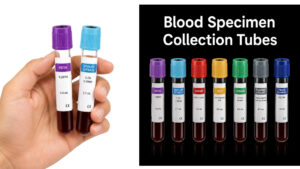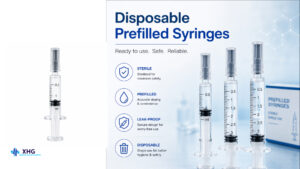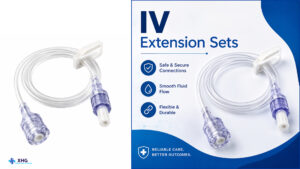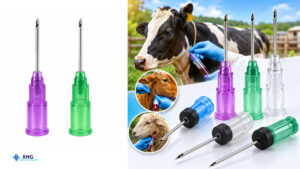
As a leading ISO13485 exporter, trusted medical ISO supplier, and fully certified medical factory, our team knows firsthand how crucial ISO 13485 certification is for disposable medical device exporters. Whether you’re manufacturing single-use syringes, surgical drapes, or diagnostic swabs, aligning with ISO 13485 ensures product safety, regulatory compliance, and seamless global market access. In this article, we’ll walk you through why ISO 13485 matters, how to implement it efficiently, and what it means for your bottom line. Know more..
1. What Is ISO 13485—and Why It Matters
ISO 13485 is an internationally recognized standard for quality management systems (QMS) specific to medical devices. It defines criteria for designing, manufacturing, and distributing medical products, tailored to ensure consistent safety and effectiveness. For disposable medical device exporters, ISO 13485:
- Ensures regulatory compliance: Helps meet FDA, EU MDR, and many other global requirements.
- Minimizes risks: Focuses on quality controls and risk management throughout production.
- Builds market trust: Signals reliability to hospitals, distributors, and end-users.
- Boosts operational efficiency: Encourages structured processes, reducing defects and recalls.
If you’re a ISO13485 exporter, demonstrating certified compliance removes regulatory hurdles and enhances credibility in both familiar and new markets.
2. Core Requirements of ISO 13485
ISO 13485:2016 combines standard QMS expectations with healthcare-specific mandates. Here are its key components:
2.1 Quality Management System
- Document Control: Maintain, review, and update documentation—procedures, manuals, specifications.
- Process Monitoring: Track each production stage, from raw material selection to final shipment.
2.2 Management Responsibility
- Leadership Commitment: Top managers must establish the quality policy, objectives, and accountability.
- Management Reviews: Scheduled evaluations ensure continuous improvement and compliance.
2.3 Resource Management
- Infrastructure: Cleanrooms, sterilization equipment, testing labs—perfectly maintained.
- Staff Training: Employees must be trained, qualified, and aware of their quality roles.
2.4 Product Realization
- Design Controls: For custom disposable devices, systematic design planning, verification, and validation are essential.
- Purchasing Controls: Your medical ISO supplier chain must meet quality specifications and audit requirements.
2.5 Measurement, Analysis, and Improvement
- Monitoring & Measuring: Track process performance and product characteristics.
- CAPA: Manage Corrective and Preventive Actions to resolve issues and prevent recurrence.
- Internal Audits: Conduct planned audits to ensure compliance and effectiveness.
2.6 Risk Management
Risk analysis is mandatory throughout the product life cycle, from design to distribution, to ensure patient and user safety.
3. Benefits of Partnering with a Certified Medical Factory
Aligning with a certified medical factory isn’t just about compliance—it’s strategic. Top-tier certified facilities offer:
- Faster Regulatory Approval
Certification streamlines filings for new markets—especially in the EU and U.S. - Quality Consistency
Consistent manufacturing means fewer nonconformities and less waste. - Improved Market Credibility
Distributors and hospitals prefer suppliers backed by ISO 13485, signaling accountability. - Competitive Edge
Certification sets you apart from non‑certified manufacturers in a crowded field. - Access to High‑Value Contracts
Government tenders and large institutional customers often mandate ISO certification.
4. Steps to Becoming an Effective ISO 13485 Exporter
Looking to scale your business overseas? Here’s a step‑by‑step guide for ISO13485 exporter success:
4.1 Initial Gap Analysis
Conduct a structured review against ISO 13485 requirements. Identify missing elements, weaknesses, or documentation lapses.
4.2 Document QMS Processes
Create a robust Quality Manual, Standard Operating Procedures (SOPs), records, and forms. Everything should be audit‑ready.
4.3 Implement Controls Across the Value Chain
- Incoming Materials: Bring certified suppliers on board.
- Processes: Validate manufacturing and sterilization workflows.
- Outputs: Test every batch of disposable devices.
- Distribution: Monitor conditions like temperature, packaging, and traceability.
4.4 Perform Staff Training
Ensure ongoing training so your team understands GMP, QMS standards, and risk management principles.
4.5 Run Internal Audits
Schedule internal audits to detect nonconformities and ensure continuous improvement.
4.6 Perform Management Review
Top management must review the system’s effectiveness, resources, and findings regularly.
4.7 Corrective and Preventive Action (CAPA)
Document any issues, their root causes, corrective actions, and preventive plans.
4.8 Certification Audit
Choose a reputable, accredited certification body. You’ll undergo:
- Stage 1: Review of your QMS documentation.
- Stage 2: Onsite evaluation of implementation and compliance.
Once you pass, you’re officially certified—congratulations, official certified medical factory status unlocked.
5. Exporter Best Practices for Ongoing Compliance
Obtaining ISO 13485 is a milestone—but maintaining it is ongoing:
- Annual Surveillance Audits: Certification bodies will conduct yearly checkups.
- Process Monitoring: Track KPIs and take action on variances.
- Document Controls: Revise procedures, monitor revisions, maintain traceability.
- Supplier Re-evaluation: Suppliers must be re‑qualified regularly.
- Complaint Handling: Log and analyze customer complaints and take corrective action.
- Risk Re-assessment: At least annually or after major changes.
- Change Control: Ensure all changes go through formal QMS evaluation.
6. ISO 13485 & Global Regulatory Synergies
ISO 13485 supports multiple regulatory regimes:
- FDA QSR (21 CFR Part 820, U.S.): Overlaps around design control, CAPA, and complaint handling.
- EU Medical Device Regulation (MDR): Certification simplifies notified body assessments.
- Canada, China, Japan, Australia, Brazil: Widely recognized—ISO 13485 compliance expedites local approvals too.
Being an ISO-certified medical ISO supplier builds trust and helps you scale globally.
7. Top Tips for Export‑Focused Manufacturers
7.1 Invest Early in Quality and GMP
Treat the QMS as a strategic asset—not a cost. Early investment prevents costly recalls and certifications delays later.
7.2 Choose Experienced Certification Bodies
Pick auditors with disposable devices and export experience. They’ll catch non‑conformities early.
7.3 Digitize Your QMS
Digital systems improve traceability, reduce paperwork errors, and enhance CAPA workflows.
7.4 Align Documentation with Import Requirements
Understand target markets’ file expectations (e.g., FDA, EU MDR) and tailor your QMS documentation accordingly.
7.5 Utilize Risk Management Tools
Leverage tools like FMEA to systematically assess hazards. It also contributes to your risk documentation portfolio.
7.6 Prioritize Supplier Quality
Treat suppliers as extensions of your QMS. Monitor their performance and audit them regularly.
7.7 Conduct Regular Mock Audits
Practice internal audits or invite third‑party auditors. It sharpens readiness and identifies weaknesses.
8. Case Study: Scalable Success in Export Markets
Consider a disposable surgical drape manufacturer:
- Conducted a gap analysis and built a digital QMS.
- Handpicked certified raw material and sterile barrier packaging suppliers.
- Held quarterly internal audits and monthly management reviews.
- Passed EU MDR notified‑body audit and earned ISO 13485 certification.
- Within 12 months, exported to five EU countries and three Latin American markets.
- Recorded zero FDA 483 observations in a recent U.S. inspection.
- Their certified status won them two major government contracts.
9. Common Pitfalls & How to Avoid Them
| Issue | Cause | Mitigation |
| Incomplete documents | No QMS structure | Create a quality manual and SOPs aligned with ISO 13485 |
| Untrained staff | Poor culture | Regular training and awareness programs |
| Supplier non‑compliance | Weak audits | Audit suppliers, add quality clauses in contracts |
| Change chaos | No control | Require formal evaluations before changes |
| CAPA delays | Insufficient follow‑up | Track CAPA timelines; assign ownership and milestones |
Fix these early to stay audit-ready and export-ready at all times.
10. Scaling Up: ISO 22716 and Beyond
ISO 13485 may be your QMS foundation—but you can add:
- ISO 22716 for cosmetics if you’re producing wipes or skin‑contact disposables.
- ISO 14971 for device-specific risk management.
- If you’re producing PPE or respiratory products, look into ISO 9001 plus additional 21 CFR or in-country standards.
Each stack enhances compliance and export agility.
11. SEO & Content Strategy: Fueling Inbound Leads
As a business growth leader, ensure your marketing reflects your strengths:
- Use searchable phrases like ISO13485 exporter, medical ISO supplier, and certified medical factory across website content.
- Create high-value assets: blog posts, whitepapers, infographics explaining ISO 13485 exports.
- Use case studies and testimonials regionally targeted to EU, U.S., Latin America approvals.
- Host webinars titled “Exporting Disposable Devices? Here’s What ISO 13485 Means for You.”
- Boost your Google ranking by incorporating these keywords (5% density!), structured headings, and technical depth.
12. Getting Started: Your Custom Solution Awaits
Becoming a top-tier ISO13485 exporter starts with a plan:
- Perform a gap analysis.
- Implement a QMS aligned with ISO 13485.
- Certify through a reputable body.
- Maintain compliance over time.
- Leverage your status to win new export contracts.
Partnering with an experienced medical ISO supplier like us gives you access to:
- Fully certified medical factory capabilities
- Digital QMS templates, training modules, and internal audit support
- Export-ready capabilities across major markets
Final Takeaway
ISO 13485 is more than a certificate—it’s the backbone of safe, compliant, and efficient manufacturing. For disposable devices, it boosts credibility, opens global doors, and reduces regulatory friction.
If you’re ready to grow exports, boost brand trust, and deliver premium disposable medical devices worldwide, we’re here to help. Our factory is fully certified, audit-ready, and experienced in global markets.
Start your ISO 13485 journey with us, and let’s build a safer, smarter, export-ready future together.
📩 Contact us today for a free consultation and discover how to become a top-tier ISO13485 exporter, partner with a trusted medical ISO supplier, and work with a fully certified medical factory.