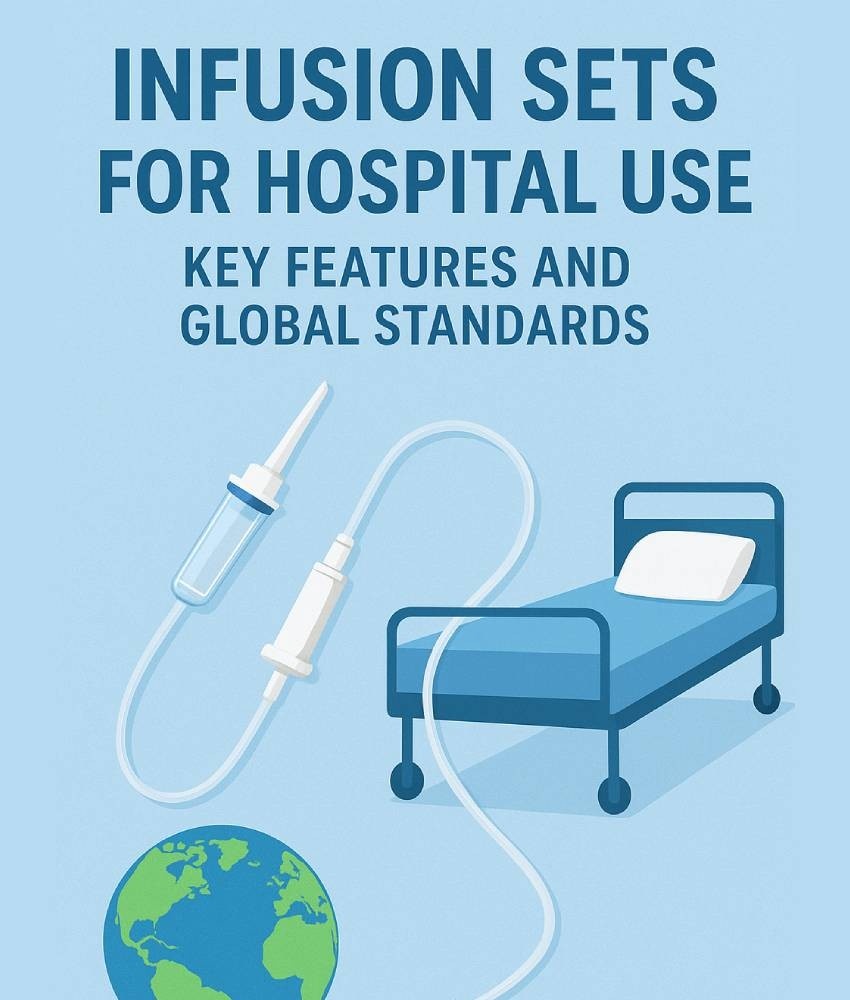
In the fast-evolving landscape of modern healthcare, ensuring the reliability and safety of every hospital infusion set is critical to patient outcomes. From the moment a nurse connects an infusion set to administer fluids or medications, the device must perform flawlessly. That’s why choosing a trusted infusion set supplier and sourcing the right medical IV set has become an essential part of hospital supply chain management. Know more..
Introduction to Infusion Sets in Hospital Environments
Infusion sets are indispensable in hospital settings—used daily for IV therapy, hydration, chemotherapy, blood transfusions, and critical care. The integrity of these devices directly affects patient safety, therapy effectiveness, and infection control.
With increasing global demand and varied clinical requirements, hospitals must ensure that their selected infusion devices meet international standards and suit local protocols.
What Is a Hospital Infusion Set?
A hospital infusion set is a sterile, disposable medical device used to deliver fluids, medications, and nutrients directly into a patient’s vein. It typically connects to IV bags or bottles and features multiple integrated components designed to ensure a safe and controlled flow of liquid.
Basic elements include:
- Spike
- Drip chamber
- Air vent (optional)
- PVC tubing
- Roller or slide clamp
- Luer lock or needle connector
Why Choosing the Right Infusion Set Supplier Matters
Selecting a reliable infusion set supplier is not just about cost—it’s about quality, safety, and regulatory compliance. Hospitals need assurance that each medical IV set:
- Meets ISO and CE standards
- Is sterilized using ETO or gamma radiation
- Comes with traceability and labeling
Top suppliers also provide:
- Customizable sets based on clinical use
- Certifications and test documentation
- Stable supply chains with guaranteed lead times
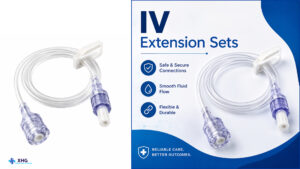
Breakdown of Medical IV Set Components
| Component | Function |
| Spike | Punctures IV fluid bottle or bag |
| Drip Chamber | Controls and monitors drip rate |
| Air Vent | Allows air release to maintain flow (if needed) |
| Tubing | Transfers fluid from IV bag to patient |
| Clamp | Controls flow rate (roller or slide type) |
| Connector | Attaches to catheter or needle |
Each medical IV set is built for precision and should be free from leaks, kinks, or contamination risks.
Types of Infusion Sets and Their Applications
- Gravity Infusion Sets – For basic IV therapy
- Pump Infusion Sets – Used with electronic pumps for accurate dosing
- Blood Transfusion Sets – Designed with filters for whole blood or plasma
- Y-Site Infusion Sets – Allow multiple fluids or medications
- Pediatric Sets (Burette) – For controlled dosing in children
Hospitals typically stock multiple types to accommodate different departments.
Global Standards for Hospital Infusion Set Manufacturing
To be accepted in clinical use globally, an infusion set must comply with:
- ISO 8536-4: Gravity infusion set performance
- ISO 7886: For single-use sterile devices
- CE Marking: European regulatory conformity
- FDA 510(k): U.S. device clearance
- WHO PQS: Required for UN procurement programs
Leading infusion set supplier companies undergo routine audits to retain certification.
The Role of Material Quality in Patient Safety
- DEHP-free PVC: Reduces toxicity risk
- Latex-free materials: Prevent allergic reactions
- Biocompatible components: Minimize inflammation and reactions
- Sterile EO or gamma packaging: Ensures microbial safety
A quality hospital infusion set starts with medical-grade raw materials.
Key Features of High-Quality Medical IV Sets
✅ Flexible, kink-resistant tubing
✅ Anti-backflow valve options
✅ Accurate drip control (20 or 60 drops/ml)
✅ Leak-proof connections
✅ Needle-free Y-injection sites
✅ Long shelf life (3–5 years)
These features reduce complications and improve the experience for clinicians and patients alike.
Innovations in Infusion Set Design
Manufacturers are innovating for safety and efficiency. Modern sets now include:
- Air vent filters
- Transparent flow regulators
- Anti-kink spiral tubing
- Needle-free ports for closed-system injection
Smart infusion set designs from OEMs and advanced medical IV set brands support better hospital workflows.
How to Choose the Right Infusion Set Supplier
Hospitals and procurement agencies should evaluate suppliers based on:
- Certifications and QA protocols
- Delivery consistency
- OEM/customization capabilities
- Post-shipment support
Ask your infusion set supplier for:
- Sterilization method documentation
- QC batch records
- Product samples
- List of hospital or NGO partners
Hospital Procurement Checklist for Medical IV Sets
| Checklist Item | Why It Matters |
| CE/FDA/ISO Certification | Confirms quality and safety |
| Product Sterility and Shelf Life | Ensures long-term storage usability |
| Packaging and Labeling Format | Supports easy identification and stock management |
| Compatibility with Hospital Equipment | Ensures plug-and-play usability with pumps or stands |
| Expiry Date Visibility | Prevents stock wastage |
Common Challenges in Infusion Therapy
- Air embolism: Resulting from air bubbles
- Infection: Caused by non-sterile components
- Flow rate inconsistency: Due to poor roller clamp control
- Blockages: From tubing kinks or poor-quality connections
Using a certified hospital infusion set minimizes these risks significantly.
Success Stories: Hospital Programs Standardizing Infusion Sets
In Malaysia, a government hospital system unified its medical IV set supply to one standardized brand, reducing procurement costs by 22% and improving staff efficiency.
In South Africa, NGOs working with refugee clinics relied on a single infusion set supplier that provided language-labeled sets, increasing compliance and safety.
Regulatory Trends for Infusion Set Exports
With rising global demand, exporters must align with:
- UDI (Unique Device Identification) rules in the US and EU
- Customs harmonization codes
- GMP compliance and declaration forms
- Tender eligibility standards
Top exporters now integrate barcode and QR labeling for traceability and inventory control.
Packaging, Labeling, and Traceability Standards
ISO and CE packaging requirements include:
- Batch and lot number
- Expiry date (in DD/MM/YYYY format)
- Sterilization method
- Manufacturing license and contact
Traceability is critical for recalls, hospital audits, and international tenders.
Future Outlook: Smart Infusion Sets and Automation
The next wave of hospital infusion set tech will include:
- Digital flow rate sensors
- App-based monitoring
- Cloud-linked patient dosing logs
- Eco-packaging to reduce waste
As global health tech evolves, so does the humble infusion set.
FAQs About Hospital Infusion Sets
Q1: What makes a hospital infusion set different from home-use sets?
A: Hospital sets must meet stricter certifications, feature higher flow precision, and be compatible with a range of IV equipment.
Q2: Can we order customized IV sets?
A: Yes, many infusion set suppliers offer OEM services tailored to specific hospital needs.
Q3: Are medical IV sets safe for children?
A: Pediatric sets with burettes and smaller volumes are available for safe use in children.
Q4: How long do infusion sets last?
A: Typically 3 to 5 years when stored under proper conditions.
Q5: What is the standard drop factor?
A: Adult sets usually use 20 drops/ml; microdrip sets use 60 drops/ml.
Q6: Do safety features like needle-free ports cost more?
A: Slightly, but they significantly improve infection control and workflow efficiency.
Conclusion
A hospital infusion set is more than just tubing and connectors—it’s a lifeline in patient care. Choosing a qualified infusion set supplier ensures quality, safety, and efficiency. With the help of global standards and innovation, today’s medical IV set technology is safer, smarter, and more reliable than ever.