1. Why the Global Demand for Blood Collection Tubes Is Surging in 2025
The global healthcare landscape is witnessing an unprecedented surge in diagnostic testing, directly driving the demand for high-quality blood specimen collection tubes. As the population ages and preventive healthcare becomes the standard rather than the exception, the volume of blood draws performed daily has reached record highs. This trend is not merely a temporary spike but a structural shift in how healthcare providers approach early detection and disease management. For wholesale buyers and distributors, understanding this volume increase is critical to maintaining adequate inventory levels and ensuring that supply chains are robust enough to handle the scale of demand expected in the latter half of the decade.
Market analysis indicates that the need for vacuum blood collection tubes is expanding beyond traditional hospital settings into specialized diagnostic centers, home healthcare, and mobile phlebotomy services. This diversification of the end-user market means that the requirements for blood collection tubes are becoming more varied, necessitating a broader range of specifications and customizations. Buyers are no longer looking for a one-size-fits-all solution; they require specific tube types that cater to different testing environments, ranging from high-throughput automated laboratories to point-of-care testing sites that demand rapid results and ease of use.
The role of blood specimen collection tubes in modern pathology cannot be overstated, as they are the foundation of accurate diagnostic data. Without the proper tube, even the most advanced analyzers cannot produce reliable results, leading to potential misdiagnoses and increased healthcare costs. Consequently, healthcare systems are becoming increasingly stringent about the quality of the consumables they procure. This pressure places a significant emphasis on manufacturers and wholesalers to provide products that not only meet international standards but also offer consistent performance across large batches, ensuring that every tube performs exactly as expected.
Furthermore, the economic implications of this rising demand are substantial for B2B stakeholders. As the competition for market share intensifies, the ability to supply vacuum blood collection tubes with reliable lead times and competitive pricing becomes a decisive factor for success. Companies that can anticipate regional fluctuations in demand and respond with agile distribution strategies will position themselves as preferred partners in the medical supply chain. This is particularly relevant as we approach 2026, where supply chain resilience is predicted to be a key differentiator in the medical consumables market.
1.1 How 2025 Statistics Are Shaping the Future of Blood Specimen Collection Tubes
Recent industry data for 2025 reveals that the market for blood collection tubes is projected to grow at a Compound Annual Growth Rate (CAGR) of over 6%, driven largely by the rise in infectious disease screening and chronic illness management. This statistical growth is not just a number; it represents a tangible increase in the number of vials moving through the global supply chain. For distributors, this means that reordering cycles must be optimized to prevent stockouts that could disrupt critical testing procedures. The data suggests that regions with rapidly developing healthcare infrastructures are seeing the fastest adoption rates of advanced vacuum blood collection tubes, creating new opportunities for market expansion.
The statistics also highlight a shifting preference towards safety-engineered devices, a trend that is reshaping product lines across the industry. With regulatory bodies placing a higher premium on healthcare worker safety, the market share of blood specimen collection tubes equipped with safety caps and needle-shielding mechanisms is expanding significantly. B2B buyers are responding to this data by pivoting their inventory towards these safer, albeit slightly more expensive, options. The rationale is clear: investing in safety reduces the long-term costs associated with needlestick injuries and contamination, a perspective that is increasingly influencing purchasing decisions at the institutional level.
Looking ahead to 2026 market insights, analysts predict a surge in the demand for customized blood collection tubes tailored to specific diagnostic protocols. As precision medicine becomes more prevalent, the “off-the-shelf” approach is giving way to bespoke solutions. For instance, there is a growing request for tubes with proprietary additive mixes designed to stabilize specific biomarkers for longer periods. This trend suggests that manufacturers who offer flexible customization services will capture a larger portion of the market. Buyers are advised to partner with suppliers who can adapt to these evolving specifications quickly, ensuring their product offerings remain relevant in a technologically advancing market.
Finally, the logistical data emphasizes the importance of packaging and bulk purchasing efficiency in the current economic climate. With freight costs fluctuating, the 2025 stats show a marked increase in bulk orders of blood specimen collection tubes as institutions seek to amortize shipping expenses. This behavior impacts how wholesalers should structure their pricing tiers and volume discounts. By analyzing these purchasing patterns, suppliers can design packaging solutions that maximize storage density and minimize waste, thereby adding value to their B2B relationships and securing long-term contracts with major laboratory networks.
2. How Vacuum Blood Collection Tubes Revolutionize Phlebotomy Efficiency
The introduction of vacuum blood collection tubes represented a paradigm shift in phlebotomy, streamlining the blood draw process by standardizing the volume of blood collected and the ratio of blood to additive. This technological advancement eliminated the guesswork previously associated with manual syringes and open tubes. The vacuum mechanism ensures that the exact required amount of blood is drawn every time, which is crucial for maintaining the validity of test results. For high-volume clinics and hospitals, this consistency translates directly into operational efficiency, reducing the time spent on redraws and allowing phlebotomists to process more patients safely and effectively.
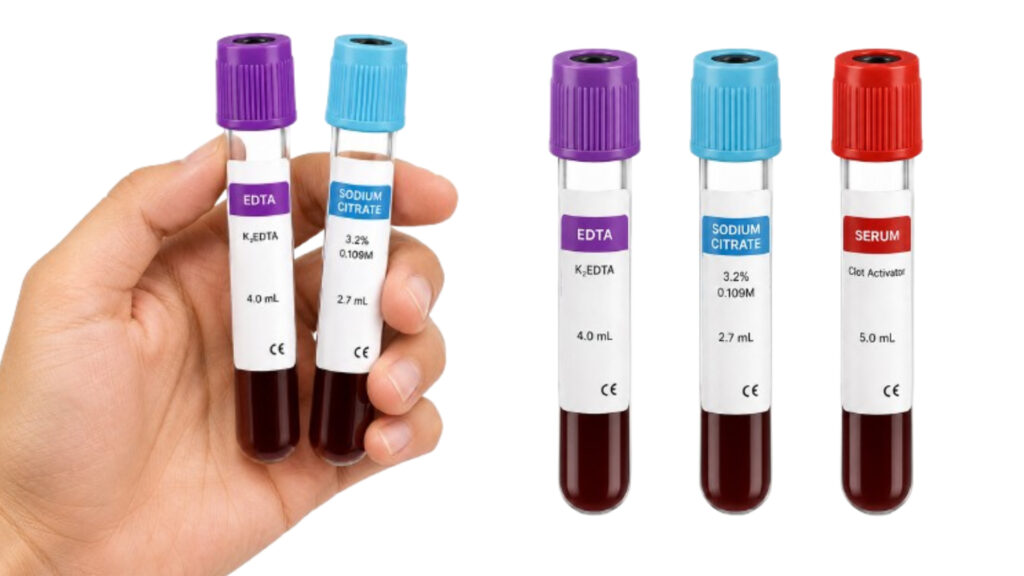
The efficiency gains provided by blood collection tubes extend beyond the draw itself to the pre-analytical phase of laboratory testing. In a vacuum-sealed tube, the blood is immediately mixed with the appropriate additive, whether it is a clot activator, anticoagulant, or gel separator. This immediate interaction stabilizes the sample, preserving its integrity from the moment it leaves the patient’s vein. For laboratories, this means fewer rejected samples due to hemolysis or clotting. The reduction in pre-analytical errors is a key metric for lab performance, and the use of high-quality vacuum tubes is a primary strategy for improving these statistics, thereby enhancing the overall throughput of the diagnostic facility.
In a wholesale context, the reliability of vacuum blood collection tubes is a major selling point. Bulk buyers prioritize products that perform consistently across thousands of units. Variability in vacuum pressure can lead to under-filling or over-filling, both of which compromise the sample. Therefore, reputable manufacturers implement rigorous quality control measures during production to ensure that every tube maintains the specified negative pressure. This reliability is what healthcare institutions depend on when they place large orders. For B2B clients, stocking a brand that guarantees this consistency reduces the risk of complaints and returns, fostering a smoother business relationship and trust in the supply chain.
Moreover, the design of modern blood specimen collection tubes facilitates faster processing in automated analyzers. Standardized dimensions and color-coded caps allow robotic systems to identify, sort, and process samples with minimal human intervention. As laboratories move towards total automation to handle increasing workloads, the compatibility of collection tubes with these automated systems becomes non-negotiable. Wholesalers and distributors must ensure that the blood collection tubes they supply adhere to these international dimensional standards. By doing so, they enable their clients to modernize their operations without compatibility hurdles, ultimately contributing to a faster turnaround time for patient results.
2.1 Why Quality Control in Blood Specimen Collection Tubes Is Critical for Wholesalers
Quality control in the manufacturing of blood specimen collection tubes is not merely a technical requirement; it is a business imperative for wholesalers. A single batch of defective tubes can lead to widespread diagnostic delays, damaging the reputation of the healthcare provider and the distributor alike. Defects can range from micro-cracks that cause vacuum loss to incorrect additive concentrations that alter blood chemistry. For B2B buyers, sourcing from manufacturers who adhere to ISO 13485 and FDA regulations is essential. These certifications serve as a proxy for reliability, assuring buyers that the products have undergone stringent testing for sterility, stability, and performance.
The financial implications of poor quality control are significant. When vacuum blood collection tubes fail, the cost extends far beyond the price of the tube itself. It includes the cost of the phlebotomist’s time, the expense of re-drawing the patient, and the potential liability if a diagnosis is delayed. Consequently, smart B2B purchasers are willing to pay a premium for guaranteed quality. They conduct rigorous audits of their suppliers, looking for transparency in the manufacturing process. Distributors who can provide documented proof of quality control for their blood collection tubes differentiate themselves in a crowded market, positioning themselves as partners in patient care rather than just commodity vendors.
Customization plays a vital role in quality assurance for specialized markets. Different diagnostic procedures may require variations in wall thickness, plastic composition, or specific additives. Manufacturers that offer blood specimen collection tubes with customized specifications allow laboratories to optimize their testing protocols. For example, a pediatric facility might require tubes with lower vacuum pressures to accommodate smaller veins. By catering to these niche requirements, wholesalers can solve specific pain points for their clients. This focus on tailored quality ensures that the end product performs exactly as needed in specific clinical scenarios, thereby reinforcing the value proposition of the supplier.
Finally, traceability is a growing concern in quality control. In the event of a product recall or a quality investigation, the ability to track blood collection tubes from the manufacturer to the end-user is crucial. Advanced manufacturers now utilize lot tracking and serialization technologies. For wholesalers, providing clients with products that feature robust traceability data adds a layer of security and compliance. This is particularly important as regulatory bodies tighten the requirements for medical device traceability. By prioritizing traceability in their procurement strategy, distributors help their clients navigate regulatory complexities and mitigate risks associated with product failures.
3. Which Blood Specimen Collection Tubes Are Essential for Every Laboratory
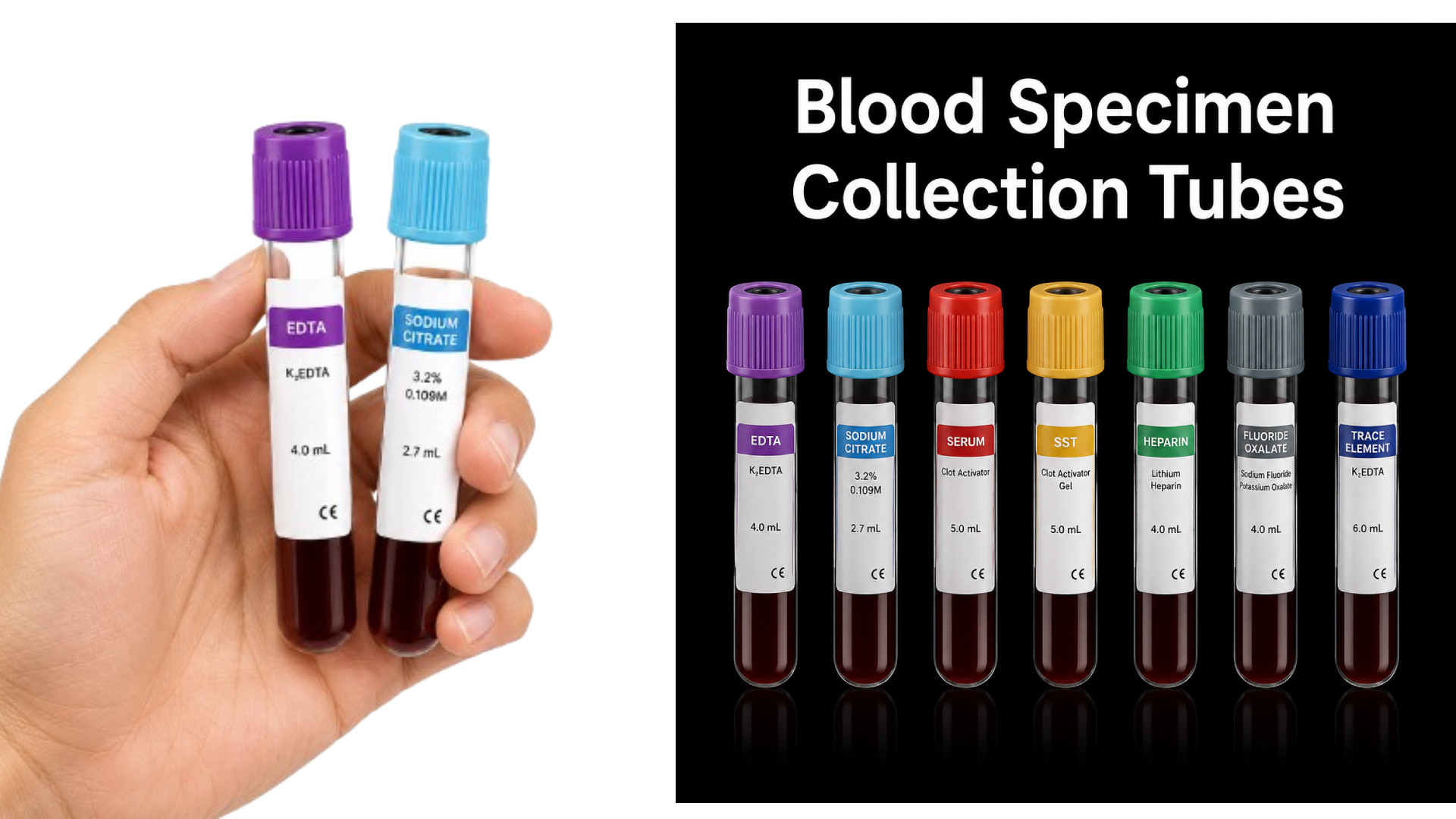
A well-stocked laboratory requires a comprehensive array of blood collection tubes, each color-coded to signify its specific additive and intended application. The foundation of any phlebotomy station is the Serum Separator Tube (SST), typically distinguished by a gold or red-gray top. These tubes contain a clot activator and a gel for serum separation, making them indispensable for chemistry testing, immunology, and serology. For wholesale buyers, ensuring a steady supply of SSTs is critical, as they represent the highest volume tube used in general blood work. Their versatility makes them a staple requirement for hospitals, private clinics, and reference labs alike.
Following serum collection, coagulation testing is a daily necessity in patient management, necessitating the use of Light Blue top tubes. These vacuum blood collection tubes contain sodium citrate, which acts as an anticoagulant by binding calcium in the blood. The specific ratio of blood to additive is vital here, usually 9:1, meaning the tube must be filled to the correct volume to ensure accurate PT and PTT results. Laboratories cannot afford to run out of these tubes, as coagulation studies are time-sensitive and critical for patients on anticoagulant therapy. Distributors must understand the high turnover rate of these consumables and plan their inventory logistics to support just-in-time delivery models.
Hematology is another core function of the clinical lab, relying heavily on Lavender or Purple top tubes. These blood specimen collection tubes utilize EDTA (Ethylenediaminetetraacetic acid) as an anticoagulant, which preserves the cell morphology of blood cells. This is essential for complete blood counts (CBCs) and differentials. Given the high frequency of CBC testing in routine checkups and emergency triage, lavender tops are consumed in massive quantities. For B2B suppliers, offering lavender tubes in various volume sizes (e.g., pediatric vs. adult) provides added value to clients, allowing them to cater to diverse patient populations without compromising sample quality or wasting resources.
Furthermore, Green top tubes containing Heparin are essential for rapid plasma testing and STAT chemistry panels. Unlike serum tubes, these do not require clotting time, allowing the plasma to be separated and analyzed immediately. This speed is vital in emergency departments and critical care settings where rapid decision-making is based on electrolyte and blood gas analysis. Additionally, the market demand for blood collection tubes is expanding to include specialized tubes for molecular testing and trace element analysis, such as Royal Blue tops. A comprehensive wholesale catalog must include these essential varieties to ensure that laboratories can perform a full spectrum of diagnostic tests without sourcing from multiple vendors.
3.1 Why Serum Separator Tubes (SST) Dominate the Wholesale Market
Serum Separator Tubes, or SSTs, command a dominant share of the blood collection tubes market due to their widespread applicability in diagnostic testing. The unique feature of these tubes is the gel present at the bottom, which forms a stable barrier between the serum and the blood cells during centrifugation. This barrier prevents the leakage of cellular components into the serum, which could interfere with analytical assays. For laboratories, this automation of separation reduces processing time and minimizes handling errors. The sheer volume of routine chemistry tests—such as glucose, cholesterol, and liver enzymes—ensures that the demand for SSTs remains perpetually high, making them a flagship product for any wholesale distributor.
The economic advantage of stocking SSTs is significant for B2B buyers. Because they are used in such vast quantities, they are often sold in high-volume bulk orders, driving economies of scale. Manufacturers of vacuum blood collection tubes have optimized production lines for SSTs to keep costs low while maintaining high quality. This allows wholesalers to offer competitive pricing to large hospital networks and laboratory groups. Furthermore, the standardization of SST specifications across different brands means that laboratories are less hesitant to switch suppliers if they find a better price, provided the quality is consistent. This price sensitivity makes the SST market highly competitive, yet lucrative for suppliers who can manage logistics efficiently.
Innovation in SST manufacturing continues to drive their market dominance. Recent developments include the introduction of gel formulations that are more stable at higher temperatures and are compatible with a wider range of analytical instruments. For B2B clients, sourcing blood specimen collection tubes with advanced gel technology can be a strong selling point when pitching to modern, automated laboratories. Customization options, such as labeling with barcodes or facility-specific logos, are also popular with SSTs. Since these tubes are handled frequently by staff, having clear, custom branding can improve workflow efficiency and reduce identification errors in busy lab environments.
The reliability of SSTs in sample transport also contributes to their popularity. In situations where samples must be transported from a collection site to a central laboratory, the gel barrier ensures that the serum remains viable for longer periods. This stability reduces the need for rapid refrigeration during transport, lowering logistics costs. For distributors serving rural areas or managing large logistics networks, the robustness of blood specimen collection tubes like the SST is a critical factor. By marketing the stability and transport-friendliness of these tubes, wholesalers can tap into the growing market of decentralized testing and remote specimen collection services.
3.2 How Coagulation Tubes Ensure Accurate Diagnostics
Coagulation studies are among the most sensitive tests performed in the hematology laboratory, and the accuracy of these tests is heavily dependent on the quality of the Light Blue top blood collection tubes. The sodium citrate inside these tubes acts as a calcium chelator, effectively stopping the coagulation cascade. However, the precision required for this interaction is high; the citrate concentration must be exact, and the tube must be filled to the designated draw volume. An incorrect ratio of blood to anticoagulant can lead to dilution errors, causing falsely prolonged clotting times. This sensitivity explains why specialized coagulation tubes are a non-negotiable part of the inventory for any facility performing bleeding and clotting disorder screenings.
For wholesale buyers, the critical nature of these vacuum blood collection tubes means that quality assurance is paramount. Unlike some other tubes where minor variations might be tolerable, coagulation tubes require strict adherence to manufacturing standards. B2B customers often scrutinize the certification of these products more than any other. Distributors must ensure that their supply chain is secure and that the products they deliver are free from defects that could alter the vacuum pressure. A failure in a batch of coagulation tubes can lead to the mismanagement of anticoagulant therapy in patients, posing serious health risks. Therefore, the reputation of a wholesaler is often judged by the reliability of the high-risk consumables they supply.
The market for coagulation testing is expanding, driven by the increasing prevalence of cardiovascular diseases and the growing use of novel oral anticoagulants (NOACs). This expansion directly influences the demand for specialized blood specimen collection tubes. Manufacturers are responding by producing coagulation tubes with enhanced features, such as low-activator surfaces that are optimized for sensitive reagents. For B2B suppliers, staying abreast of these technological advancements is crucial. Offering the latest generation of coagulation tubes demonstrates a commitment to innovation and helps clients achieve better diagnostic outcomes, thereby strengthening the business partnership.
Customization in coagulation tubes is also a growing trend, particularly for research institutions and specialized cardiac centers. Some protocols require tubes with different concentrations of citrate or the addition of other stabilizers. A manufacturer capable of providing these bespoke blood collection tubes offers a distinct advantage. Wholesalers who facilitate these custom orders bridge the gap between standard mass production and specialized clinical needs. By catering to these specific requirements, distributors can secure contracts with high-value, specialized facilities that operate outside the general hospital supply chain, diversifying their revenue streams and enhancing their market position.
3.3 Why EDTA Tubes Are Indispensable for Hematology
EDTA tubes, identified by their Lavender or Purple tops, are the cornerstone of hematology analysis. The mechanism of action involves EDTA binding calcium ions, which is essential for the coagulation cascade, thereby preventing clotting and preserving the cellular components of the blood. This preservation is vital for accurate Complete Blood Count (CBC) results, which is often the first line of diagnostic investigation. Without the high-quality performance of blood specimen collection tubes containing EDTA, blood cells would degrade or clump, leading to erroneous cell counts and differentials. Given the ubiquity of the CBC in medical screening, these tubes are consumed in vast quantities across the healthcare spectrum, making them a staple for wholesalers.
The dominance of vacuum blood collection tubes with EDTA is also driven by their compatibility with automated hematology analyzers. These sophisticated machines require samples that are homogeneous and free of micro-clots. EDTA excels at maintaining cell morphology over extended periods, allowing samples to be batched and analyzed efficiently. For laboratories, this means they can collect samples in the morning and run them throughout the day without significant degradation. This workflow efficiency is a key selling point for B2B distributors. By supplying reliable EDTA tubes, wholesalers enable their clients to maximize the throughput of their expensive analyzers, thereby improving the operational economics of the laboratory.
In the context of customization, EDTA blood specimen collection tubes offer unique opportunities. While standard K2EDTA and K3EDTA are common, some specific flow cytometry or molecular diagnostic applications require specialized formulations. Furthermore, the physical attributes of the tube, such as the size of the opening or the material of the cap, can be customized for specific automated systems. For wholesale buyers, offering a range of EDTA options—including pediatric microtainers and giant tubes for rare disease testing—allows them to cater to the full spectrum of hematology needs. This breadth of inventory is essential for becoming a one-stop-shop for medical consumables.
The stability of samples in EDTA tubes also makes them critical for reference testing and biobanking. Research institutions and epidemiological studies rely on the ability to transport and store blood samples without degradation. The reliability of blood collection tubes in maintaining sample integrity during transport is a major factor for international health organizations and research networks. Wholesalers who can demonstrate the stability performance of their EDTA tubes under various temperature conditions open doors to contracts with these large-scale entities. This emphasizes the importance of quality manufacturing and robust packaging in the wholesale supply of these indispensable medical tools.
4. How Customization Enhances Brand Value for Blood Collection Tubes
In a competitive B2B marketplace, the ability to offer customized blood collection tubes provides a significant strategic advantage. Customization goes beyond mere aesthetics; it involves tailoring the product to fit the specific workflow, branding, and technical requirements of the client. For large hospital networks or private laboratory chains, having their logo printed on the tube cap or label fosters a sense of ownership and professionalism. This private-label capability allows wholesalers to build deeper relationships with their clients, transitioning from being a simple vendor to a branded partner. As we move into 2026, the demand for such personalized solutions is expected to rise, driven by healthcare providers’ desire to distinguish their services in a crowded market.
Technical customization is even more critical for enhancing brand value. Different laboratories may have unique protocols that require vacuum blood collection tubes with specific additive concentrations or volumes. A manufacturer that can tweak the chemical composition of the tube to suit a specialized analyzer solves a critical problem for the laboratory. For instance, a slight adjustment in the clot activator can significantly reduce turnaround time for certain tests. By facilitating these technical adjustments, wholesalers demonstrate a high level of expertise and understanding of their clients’ needs. This value-added service commands higher margins and creates high switching costs for the client, ensuring long-term contract retention.
Packaging customization also plays a pivotal role in the wholesale distribution of blood specimen collection tubes. Efficient inventory management is a top priority for laboratory managers. Suppliers who can offer custom bulk packaging configurations—such as rack-ready trays or specific count boxes that align with the lab’s daily usage—help streamline operations. This reduces the time staff spend on restocking and inventory reconciliation. For B2B buyers, promoting these logistical efficiencies can be a decisive factor in winning contracts. It shows that the supplier is thinking about the total cost of ownership, not just the unit price of the tubes.
Furthermore, customization extends to the safety features of the blood collection tubes. With the increasing focus on occupational safety, healthcare providers are looking for tubes with integrated safety mechanisms, such as retractable caps or shielded needles. However, the specific preference for safety features can vary by region and institution. A supplier that offers a flexible portfolio of safety-engineered tubes allows clients to choose the level of protection that fits their budget and risk profile. By offering this flexibility, wholesalers position themselves as consultative partners who prioritize the safety and well-being of the end-user, thereby enhancing the perceived value and integrity of their brand.
4.1 Why Partnering with Specialized Manufacturers Matters in 2026
As the medical device industry evolves towards higher precision and stricter regulations, the importance of partnering with specialized manufacturers of blood specimen collection tubes cannot be overstated. Generalist suppliers may struggle to keep pace with the rapid technological advancements and changing regulatory landscapes expected in 2026. Specialized manufacturers, on the other hand, invest heavily in R&D and quality systems, ensuring that their products meet the latest international standards, such as the updated ISO guidelines. For wholesalers, aligning with these specialized entities ensures that their product portfolio remains compliant and cutting-edge, protecting their clients from regulatory risks and obsolescence.
Supply chain resilience is another compelling reason to partner with specialists. The global disruptions experienced in previous years have taught the industry the value of vertical integration and robust raw material sourcing. Specialized manufacturers of vacuum blood collection tubes typically have greater control over their supply chains, from the raw plastic resins to the chemical additives. This control translates into more predictable production schedules and fewer supply shocks. For B2B distributors, reliability is currency. Being able to guarantee continuous supply of essential consumables during peak demand periods or global disruptions solidifies the distributor’s reputation as a reliable pillar in the healthcare infrastructure.
The year 2026 is also expected to bring a wave of innovation in “smart” phlebotomy and tube tracking. Manufacturers specializing in blood collection tubes are at the forefront of integrating RFID technology and advanced barcoding into their products. These innovations facilitate automatic data capture and reduce manual identification errors. By partnering with these forward-thinking manufacturers, wholesalers gain early access to these high-tech products. This allows them to introduce innovative solutions to their clients ahead of the competition, positioning them as market leaders in the adoption of digital healthcare technologies.
Finally, specialized manufacturers offer superior technical support and education. When issues arise with blood specimen collection tubes—such as an unexpected reaction with a new reagent—specialist manufacturers can provide immediate, deep technical insights to resolve the problem. This level of support is invaluable to laboratory managers. Wholesalers who leverage their relationship with the manufacturer to bring this expertise to their clients add a layer of service that goes beyond transactional sales. This consultative approach builds trust and loyalty, making it difficult for competitors to dislodge the established supplier, even if they offer lower prices. In the complex world of medical diagnostics, expertise and support are often valued as highly as the products themselves.
Conclusion
The landscape of blood specimen collection tubes is dynamic, driven by technological advancements, stringent safety standards, and an ever-growing demand for diagnostic precision. For B2B buyers, wholesalers, and distributors, understanding the nuances of these products—from the specific applications of color-coded tubes to the benefits of vacuum technology and the strategic advantage of customization—is essential for success. As we look toward the trends of 2025 and 2026, the focus will increasingly shift towards quality, reliability, and specialized solutions that enhance laboratory efficiency.
By prioritizing inventory that includes high-demand serum separators, precise coagulation tubes, and indispensable EDTA vials, businesses can meet the comprehensive needs of modern healthcare facilities. Moreover, embracing the potential for private labeling and technical customization will elevate brand value and foster enduring client partnerships. In an industry where accuracy is paramount, the choice of vacuum blood collection tubes is not just a purchasing decision but a commitment to patient care and diagnostic excellence.
Are you ready to optimize your supply chain with premium, customizable blood specimen collection tubes? Contact us today to explore our wholesale options and tailor-made solutions designed to meet the rigorous demands of your laboratory network. Let us help you secure the quality and reliability your business deserves.
Frequently Asked Questions
1. Why is the demand for blood specimen collection tubes increasing in 2025?
The demand for blood specimen collection tubes is rising due to a structural shift toward preventive healthcare and an aging global population requiring frequent diagnostic monitoring. Additionally, the expansion of diagnostic testing beyond traditional hospitals into specialized clinics and mobile phlebotomy services has broadened the market. This trend necessitates that wholesalers maintain robust inventory levels to support the increased volume of blood draws and the diversification of testing environments.
2. How do vacuum blood collection tubes improve phlebotomy efficiency?
Vacuum blood collection tubes improve efficiency by standardizing the blood-to-additive ratio and the exact draw volume, eliminating the guesswork associated with manual draws. This consistency reduces the frequency of redraws and minimizes pre-analytical errors such as hemolysis or clotting. For high-throughput laboratories, this reliability allows for seamless integration with automated analyzers, thereby increasing the overall speed and accuracy of patient processing.
3. Which blood collection tubes are considered essential for every laboratory?
Every laboratory requires a core set of blood collection tubes to perform a comprehensive range of diagnostic tests. The essential lineup includes Serum Separator Tubes (SST/Red-Grey) for chemistry and immunology, Light Blue top tubes for coagulation studies, Lavender or Purple top EDTA tubes for hematology (CBC), and Green top Heparin tubes for rapid plasma testing. Stocking these varieties ensures that facilities can handle routine and STAT testing without delay.
4. Why are Serum Separator Tubes (SST) dominant in the wholesale market?
Serum Separator Tubes (SST) dominate the wholesale market because of their widespread applicability in routine diagnostics, such as glucose and cholesterol testing. The gel barrier inside these tubes separates serum from cells during centrifugation, which streamlines workflow and reduces handling errors. Their high consumption rate makes them a high-volume commodity, allowing wholesalers to leverage economies of scale and offer competitive pricing to hospitals and labs.
5. How does the customization of blood specimen collection tubes benefit B2B buyers?
Customization offers B2B buyers a significant competitive advantage by allowing them to provide private-label solutions that build brand loyalty for their clients. Beyond branding, technical customization—such as specific additive concentrations, unique volume sizes, or specialized packaging configurations—addresses specific workflow needs. This capability transforms a distributor from a simple vendor into a strategic partner, creating high switching costs and securing long-term contracts.
6. Why is quality control critical when sourcing vacuum blood collection tubes?
Quality control is vital because defective tubes can lead to diagnostic errors, misdiagnoses, and increased liability due to compromised patient samples. Issues like incorrect vacuum pressure or micro-cracks can result in under-filled tubes or sample contamination. For wholesalers, sourcing vacuum blood collection tubes from manufacturers with ISO 13485 and FDA certifications ensures product consistency, protects the distributor’s reputation, and reduces the financial burden associated with returns and recalls.
7. What role do EDTA blood specimen collection tubes play in modern hematology?
EDTA blood specimen collection tubes (Lavender top) are indispensable for hematology because they effectively preserve cell morphology and prevent clotting by binding calcium ions. This preservation is critical for accurate Complete Blood Counts (CBC) and blood cell differentials. Their compatibility with automated hematology analyzers and their ability to maintain sample stability during transport make them a foundational consumable for any diagnostic facility.
8. How is the market for blood collection tubes expected to change by 2026?
By 2026, the market is expected to shift heavily towards “smart” phlebotomy and enhanced traceability. This includes the integration of RFID technology and advanced barcoding for automated data management. Additionally, there will be a stronger focus on safety-engineered devices and specialized tubes tailored to precision medicine. Wholesalers partnering with specialized manufacturers now will be better positioned to supply these high-tech, compliant products to future-ready laboratories.
9. Why are Light Blue coagulation tubes considered high-risk products?
Light Blue top tubes are considered high-risk because the accuracy of coagulation tests (like PT/PTT) is highly sensitive to the blood-to-additive ratio. The tube must be filled exactly to the designated volume to ensure the sodium citrate anticoagulant works correctly. Any deviation in vacuum pressure or fill volume can lead to falsely prolonged clotting times, which could dangerously impact the management of patients on anticoagulant therapy. Therefore, precision manufacturing is non-negotiable for these tubes.
10. How can wholesalers help laboratories manage inventory effectively?
Wholesalers can assist laboratories by offering blood collection tubes in custom bulk packaging configurations that align with the facility’s daily usage patterns, such as rack-ready trays or specific count boxes. By analyzing usage data and predicting demand based on 2025 trends, suppliers can implement just-in-time delivery models. This logistical support reduces storage costs for the laboratory and ensures that essential tubes are always available without overstocking.