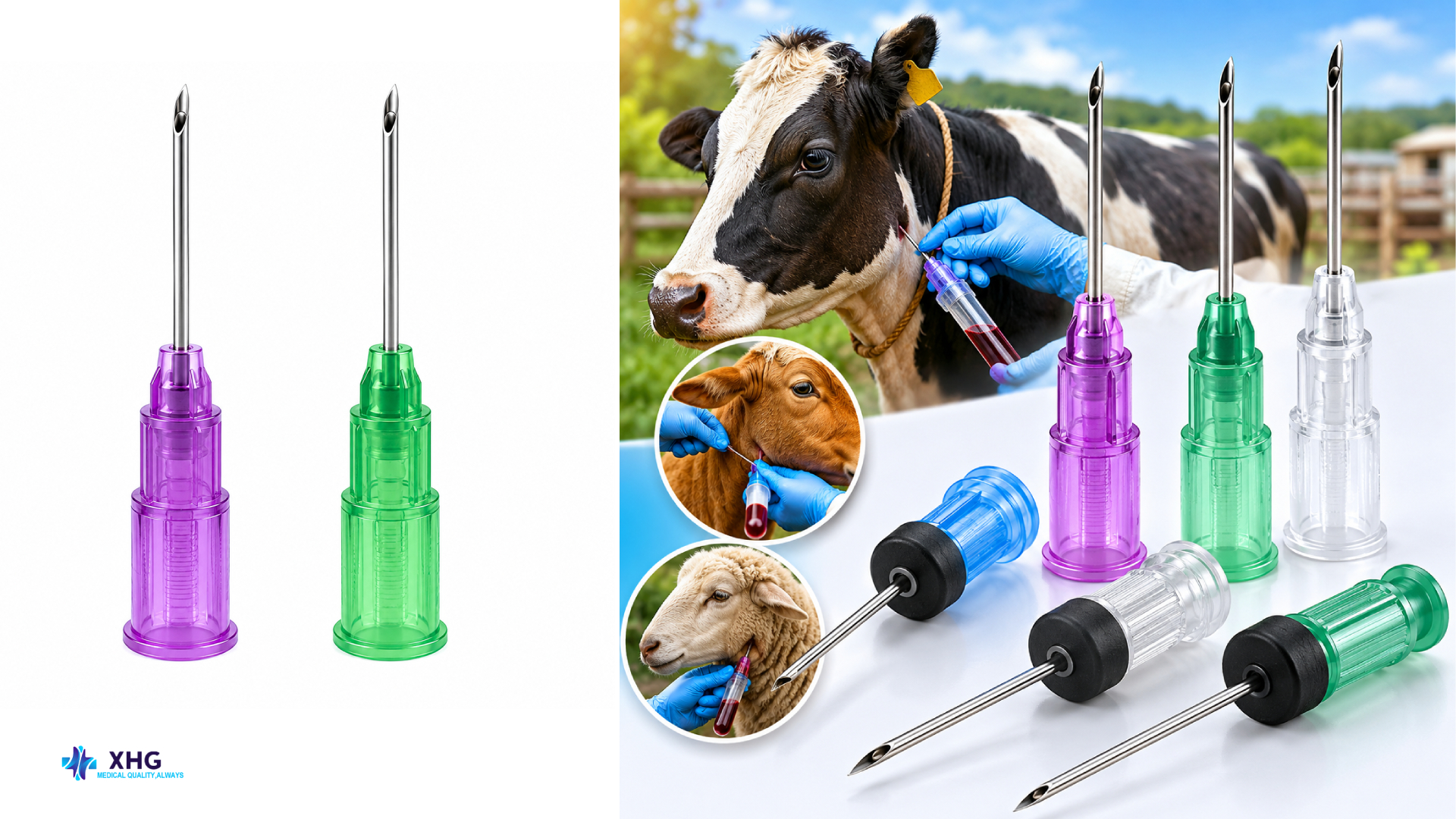
Effective animal health management relies heavily on the accuracy of diagnostics, which in turn depends on the quality of the tools used during sample collection. As the agricultural industry moves toward more data-driven decision-making, the role of high-quality equipment becomes paramount. For distributors, veterinary clinics, and large-scale farm operations, understanding the nuances of livestock blood collection needles is not merely a technical requirement but a business imperative. Selecting the right veterinary blood sampling needles ensures sample integrity, minimizes animal stress, and reduces the risk of injury to personnel.
The market for medical and veterinary supplies is becoming increasingly competitive, with buyers demanding higher standards of reliability and cost-efficiency. This shift necessitates a closer look at veterinary needles for livestock not just as consumables, but as critical components of the health management supply chain. By focusing on wholesale procurement and customization options, businesses can achieve better inventory control and brand differentiation. This guide explores the critical best practices for utilizing these tools, ensuring that stakeholders can make informed decisions that align with 2025 industry standards and anticipate 2026 market trends.
1. Why Precision Engineering Matters in Livestock Blood Collection Needles
1.1 Why Material Quality Determines Sample Integrity
The composition of livestock blood collection needles plays a fundamental role in ensuring that blood samples remain uncontaminated and viable for testing. High-grade stainless steel is the industry standard because it resists corrosion and maintains a sharp point, which is crucial for smooth penetration. Inferior materials can dull quickly or shed microscopic particles into the sample, leading to hemolysis or skewed laboratory results. For B2B buyers, prioritizing high-quality materials means fewer rejected samples and faster diagnostic turnaround times, directly impacting the health outcomes of the herd. When sourcing veterinary blood sampling needles, it is essential to verify the steel grade used, as this correlates directly with the durability and performance of the product during field use.
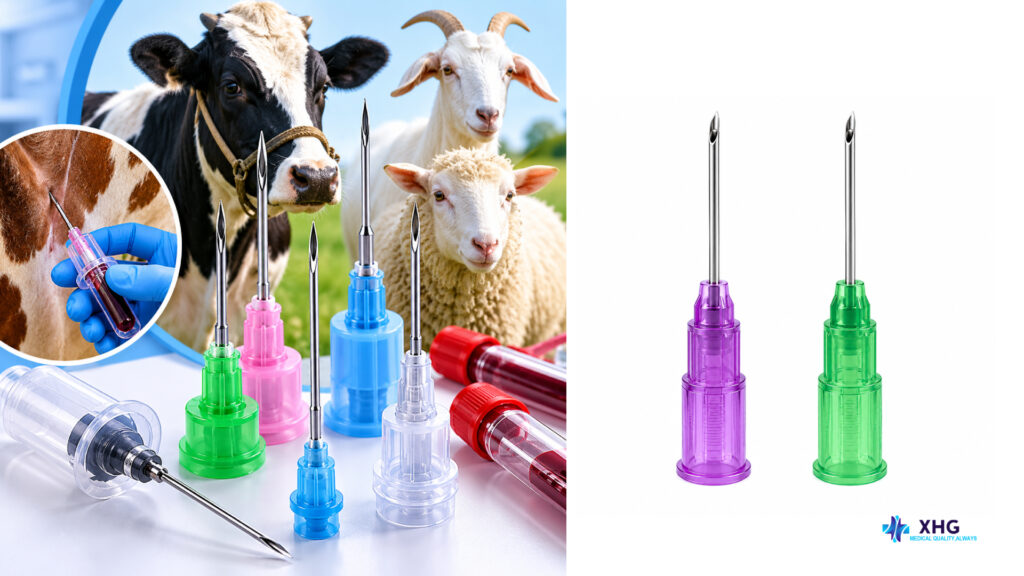
Furthermore, the manufacturing process of veterinary needles for livestock must adhere to strict quality control measures to prevent defects such as burrs or irregular bevels. A defect-free needle surface minimizes tissue trauma, which is vital not only for animal welfare but also for preventing the leakage of tissue fluids into the blood sample. Contamination from tissue thromboplastin can alter clotting times and other critical parameters, rendering the diagnostic data useless. Wholesale buyers should therefore partner with manufacturers who provide detailed material certifications and consistency reports. This focus on material quality ensures that the end-users—veterinarians and farm technicians—can trust the tools they use every day.
In the context of large-scale operations, the reliability of livestock blood collection needles translates to operational efficiency. If a needle fails or bends during a procedure, it results in wasted time, increased stress for the animal, and the need to repeat the procedure. This inefficiency compounds over thousands of head of livestock, leading to significant labor costs and resource drain. High-quality materials reduce the frequency of such failures, streamlining the workflow for veterinary teams. Consequently, investing in premium veterinary blood sampling needles is a cost-effective strategy in the long run, reducing the total cost of ownership despite a potentially higher upfront price.
Finally, the demand for superior material quality is being driven by the increasing sophistication of diagnostic tests. Modern assays for disease surveillance and genetic testing are highly sensitive to sample quality. As we move into 2026, industry experts predict a rise in the use of point-of-care testing, which requires pristine samples to function correctly. Veterinary needles for livestock manufactured with precision engineering are, therefore, becoming a prerequisite for advanced diagnostic integration. Buyers looking to future-proof their inventory should prioritize suppliers who invest in advanced metallurgy and precision manufacturing technologies.
1.2 Why Needle Gauge and Length Impact Animal Welfare
Selecting the correct gauge and length is a critical aspect of using livestock blood collection needles effectively and humanely. The gauge, which refers to the diameter of the needle, must be appropriate for the size of the animal and the viscosity of the blood being drawn. A needle that is too thin may cause hemolysis due to excessive vacuum pressure or may collapse under the stress of the draw, while a needle that is too thick causes unnecessary pain and tissue damage.
Standard veterinary blood sampling needles often range from 18 to 20 gauge for large animals like cattle, ensuring a balance between patient comfort and flow rate. Understanding these specifications allows buyers to recommend the right products to their clients, enhancing their reputation as knowledgeable suppliers.
The length of the needle is equally important for reaching the appropriate vein, typically the jugular in cattle and sheep, without causing trauma to surrounding structures. Veterinary needles for livestock are available in various lengths, and using a needle that is too short may result in missed venipuncture attempts or accidental arterial puncture. Repeated attempts to draw blood stress the animal and increase the risk of injury to the handler. Therefore, maintaining a diverse inventory of livestock blood collection needles with varying lengths is essential for distributors serving mixed-animal practices. This variety ensures that veterinary professionals are equipped to handle different species, from calves to mature bulls, with the appropriate tools.
Animal welfare is a growing concern for consumers and regulators alike, making the humane treatment of livestock a top priority for producers. The use of appropriately sized veterinary blood sampling needles is a tangible demonstration of a commitment to welfare standards. Painful or difficult blood draws can lead to release of stress hormones like cortisol, which might not only affect the animal’s well-being but also potentially influence certain blood markers. By utilizing sharp, correctly sized veterinary needles for livestock, producers can ensure that routine health checks do not become negative welfare events. This attention to detail is increasingly becoming a metric for audit and certification in premium livestock markets.
Moreover, the 2025 agricultural landscape has seen a heightened focus on “Low Stress Handling” techniques. The equipment used, including livestock blood collection needles, is an integral part of this philosophy. A needle that enters smoothly and quickly minimizes the animal’s reaction time, reducing the need for physical restraint. For B2B buyers, marketing products that align with low-stress handling protocols offers a competitive edge. It is not just about selling a needle; it is about selling a solution that improves the overall management efficiency and ethical standing of the farm operation.
1.3 Why Hub and Luer Design Enhance Usability
The hub design of livestock blood collection needles significantly influences the ease of use and safety for the veterinary professional. A secure, ergonomic hub ensures a firm connection between the needle and the blood collection tube or syringe, preventing disconnections during the procedure. Loose connections can lead to blood spills, sample wastage, and exposure to biohazards. High-quality veterinary blood sampling needles often feature translucent hubs that allow for the immediate visualization of blood flashback, confirming correct placement. This visual confirmation is crucial for efficient venipuncture, especially in field conditions where lighting might be suboptimal. Distributors should prioritize veterinary needles for livestock that feature these user-centric design elements to drive customer satisfaction.
The Luer lock mechanism is another vital feature that enhances the safety and reliability of blood collection procedures. Unlike slip-tip designs, a Luer lock provides a threaded connection that twists and locks the needle securely in place. This is particularly important when working with large animals that may move unexpectedly during the procedure. Livestock blood collection needles equipped with Luer locks prevent the needle from detaching, thereby reducing the risk of accidental needle sticks and contamination. For wholesale buyers, stocking veterinary blood sampling needles with universal Luer locks ensures compatibility with a wide range of syringes and collection sets already in use by clients, making the product a versatile addition to any inventory.
Ergonomics also play a significant role in the design of the needle hub. Veterinary technicians often perform dozens of blood draws in a single session, leading to hand fatigue if the equipment is poorly designed. Veterinary needles for livestock with wings or textured hubs offer better grip and control, allowing for precise angulation and stability. This improved control reduces the likelihood of the needle moving within the vein, which can cause hematoma or vein collapse. As the industry faces a shortage of skilled veterinary labor, equipment that enhances speed and efficiency is becoming increasingly valuable. Products that reduce physical strain and improve success rates are highly sought after in the 2025 market.
Furthermore, customization of hub design offers a unique opportunity for branding. Wholesale suppliers can offer livestock blood collection needles with color-coded hubs or custom imprinting, allowing veterinary clinics to organize their inventory by gauge or size quickly. This small feature can save significant time in a clinical setting. Additionally, custom branding on the hub serves as a constant reminder of the supplier’s reliability, fostering brand loyalty. By focusing on the usability and customization of the hub and Luer design, B2B buyers can differentiate their offerings in a crowded market, providing added value beyond the basic functionality of the needle.
1.4 Why Sterility and Packaging Are Non-Negotiable
In the realm of veterinary medicine, sterility is the absolute baseline for any invasive procedure. Livestock blood collection needles must be guaranteed sterile upon arrival to prevent the introduction of pathogens into the animal’s bloodstream. Contaminated needles can transmit severe infections such as Septicemia or Abscesses, potentially leading to the loss of the animal or costly treatments. For B2B buyers, ensuring that veterinary blood sampling needles are certified sterile and compliant with ISO or local regulatory standards is a critical part of due diligence. Compromising on sterility is not an option, as it poses severe risks to animal health and the biosecurity of the entire farm.
Packaging technology has evolved to support the maintenance of sterility and ease of use in challenging environments. Individual blister packs or rigid plastic cases protect the needle point from damage before use. Damaged points can cause significant tissue trauma and increase pain. Veterinary needles for livestock packaged in peel-open pouches allow for quick, aseptic opening, which is essential when working in fast-paced farm settings. Bulk packaging options are also available for high-volume clinics, provided the external container maintains the integrity of the inner sterile wraps. Buyers should look for packaging solutions that clearly indicate the product gauge, length, and lot number for easy traceability and inventory management.
The environmental aspect of packaging is also gaining traction in the 2026 market outlook. While maintaining sterility is paramount, there is a growing push for sustainable packaging solutions within the veterinary sector. Livestock blood collection needles that utilize recyclable materials for their outer packaging without compromising the sterile barrier are becoming preferable to environmentally conscious buyers. Manufacturers who innovate in this space are likely to capture a significant share of the market as sustainability reporting becomes integrated into supply chain audits. Wholesale distributors should inquire about eco-friendly packaging options when sourcing veterinary blood sampling needles to align with the evolving values of their clients.
Finally, proper packaging ensures the longevity of the product on the shelf. Veterinary needles for livestock are often stored in varied conditions, from climate-controlled warehouses to farm trucks. Robust packaging protects the needles from moisture, corrosion, and physical impact. Ensuring that the livestock blood collection needles have a reasonable shelf life and are clearly marked with expiration dates is vital for inventory rotation. By prioritizing products with superior packaging and clear sterility assurances, buyers protect their clients from liability and ensure the highest standards of animal care are met consistently.
2. How to Select the Right Veterinary Blood Sampling Needles for Your Needs
2.1 How to Assess Your Specific Species Requirements
Different species present unique anatomical challenges that dictate the specific type of livestock blood collection needles required. Bovines, for instance, have thick hides and substantial muscle mass covering their jugular veins, necessitating longer, stronger needles to penetrate effectively. Using a short needle designed for small animals on a cow will likely result in failure and frustration. Conversely, sheep and goats often require thinner, shorter needles to accommodate their smaller vein size and reduce the risk of collapsing the vein. Veterinary blood sampling needles must be selected based on a deep understanding of the target species’ anatomy. Distributors should categorize their inventory to help clients easily identify the correct tools for cattle, swine, sheep, and goats.
Swine management presents its own set of difficulties, often requiring specialized restraint and specific needle lengths to reach the anterior vena cava. Veterinary needles for livestock used in swine operations must be incredibly sharp to minimize the vigorous reaction pigs often have to venipuncture. A dull needle can cause the pig to move, leading to injury or broken needles. Furthermore, the gauge must be chosen carefully to handle the viscosity of pig blood without causing hemolysis. For B2B buyers, offering a specialized line of livestock blood collection needles optimized for swine can address a critical pain point for pork producers, who manage thousands of animals and require efficiency and reliability in their health protocols.
The poultry industry, while less commonly associated with blood collection, also utilizes specific veterinary blood sampling needles for diagnostic testing and serology. Wing veins in birds are delicate, requiring very fine gauges and precise handling. While the volume of business in poultry needles might differ from that of cattle, the specialization required offers a high-margin niche for suppliers. Veterinary needles for livestock encompass a wide range of applications, and understanding the nuances of avian anatomy demonstrates a supplier’s comprehensive expertise. By catering to the full spectrum of livestock species, wholesalers can become a one-stop shop for veterinary supplies, securing larger contract deals.
As we look toward 2026, the trend of precision farming is leading to more species-specific protocols rather than a “one size fits all” approach. Buyers of livestock blood collection needles are increasingly looking for suppliers who can provide technical consultation on which needle best suits their specific herd composition. This shift from transactional selling to consultative partnership requires distributors to be well-versed in the technical requirements of different species. Providing detailed guides and product comparison charts for veterinary blood sampling needles can add significant value, helping customers make informed purchasing decisions that improve their operational outcomes.
2.2 How to Balance Cost with Quality in Bulk Purchasing
One of the primary challenges for B2B procurement managers is balancing the upfront cost of livestock blood collection needles with the long-term implications of quality. Cheaper, lower-quality needles might seem attractive for reducing operational expenses, especially when buying in bulk. However, the hidden costs of frequent failures, sample rejection, and increased procedure time can quickly outweigh the initial savings. High-quality veterinary blood sampling needles reduce the risk of bent or broken tips, ensuring that every draw counts. For large operations, even a small percentage improvement in success rates translates to significant labor savings and improved animal throughput.
Wholesale purchasing models offer economies of scale, but they must be approached with a focus on value rather than just the lowest unit price. When negotiating contracts for veterinary needles for livestock, buyers should consider the total cost of ownership, which includes the efficiency of the veterinary staff and the diagnostic reliability of the samples. Investing in premium livestock blood collection needles can lead to better diagnostic accuracy, enabling earlier detection of diseases and more effective treatment plans. This proactive health management ultimately saves the farm money by preventing outbreaks and reducing mortality. Therefore, the best procurement strategy is one that views veterinary blood sampling needles as an investment in herd health productivity.
Customization offers a pathway to optimizing the cost-quality balance. By working directly with manufacturers to specify exact requirements, buyers can eliminate unnecessary features that drive up costs without compromising core performance. For example, if a specific farm only uses 18-gauge needles, ordering a customized bulk run of livestock blood collection needles exclusively in that size can reduce manufacturing costs for the supplier, savings which can be passed on to the buyer. This targeted approach to procurement ensures that funds are spent on features that actually add value to the operation. Veterinary needles for livestock can be tailored to meet precise budgetary and functional constraints through this collaborative process.
Market analysis for 2025 indicates a consolidation in the veterinary supply chain, with large farm groups aggregating their purchasing power. This trend empowers buyers to demand higher quality standards from manufacturers of veterinary blood sampling needles at competitive prices. Suppliers who can demonstrate the long-term cost benefits of their products through case studies and return-on-investment calculations will win these major contracts. It is no longer enough to simply be the cheapest option; suppliers must prove that their livestock blood collection needles offer superior performance and reliability that justifies the investment, fostering a partnership based on shared economic goals.
2.3 How to Verify Manufacturer Compliance and Certifications
In a regulated industry like veterinary medicine, compliance with international standards is a key indicator of product safety and efficacy. Buyers of livestock blood collection needles must rigorously verify that their suppliers hold relevant certifications such as ISO 13485 for medical device quality management systems and ISO 9001 for general quality management. These certifications ensure that the manufacturing processes of veterinary blood sampling needles are consistent, controlled, and subject to regular audits. Dealing with certified manufacturers mitigates the risk of receiving substandard products that could harm animals or compromise diagnostic results. For B2B buyers, compliance is the foundation of a trustworthy supply chain.
Beyond basic ISO certifications, regional regulations such as the CE mark in Europe or FDA registration in the United States are critical for veterinary needles for livestock. These marks signify that the products meet specific safety, health, and environmental protection requirements. Sourcing livestock blood collection needles from manufacturers who lack these approvals can lead to legal liabilities and barriers to market entry. Distributors must maintain a dossier of compliance documentation for every product line they carry. This due diligence is particularly important when importing goods, as customs and regulatory bodies are increasingly stringent about verifying the credentials of imported veterinary blood sampling needles.
Traceability is another crucial aspect of compliance that buyers should demand. In the event of a product defect or adverse event, the ability to trace a specific batch of veterinary needles for livestock back to its production date and raw material lot is essential. High-quality manufacturers implement robust traceability systems as part of their quality protocol. Wholesale buyers should prioritize suppliers who provide clear batch coding and are transparent about their recall procedures. This level of traceability protects the buyer’s business and provides reassurance to end-users that the livestock blood collection needles they are using are safe and monitored throughout the supply chain.
Looking ahead to 2026, regulatory scrutiny is expected to increase, with a stronger emphasis on post-market surveillance. Manufacturers of veterinary blood sampling needles will be required to gather more data on product performance in the field. Buyers should seek partners who are proactive about collecting feedback and monitoring product performance after sale. A manufacturer that engages in continuous improvement based on real-world data is a valuable ally. By selecting suppliers who not only meet current compliance standards but are also preparing for future regulatory landscapes, buyers ensure the long-term stability of their supply chain for livestock blood collection needles.
2.4 How to Utilize Customization for Brand Differentiation
In a crowded marketplace, private labeling and product customization offer powerful tools for brand differentiation. Veterinary clinics and large agricultural enterprises can leverage custom-branded livestock blood collection needles to reinforce their professional identity. By adding a clinic logo or a specific color scheme to the packaging or needle hub, businesses can elevate their brand visibility every time a procedure is performed. This constant visual reinforcement helps in building trust and recognition with clients. For B2B suppliers, offering customization services for veterinary blood sampling needles transforms a simple commodity into a bespoke solution that adds significant value for the customer.
Customization goes beyond mere aesthetics; it can also address specific functional needs. Some operations may require veterinary needles for livestock with ultra-sharp bevels for difficult veins, or specific hub designs that fit unique handling equipment. Manufacturers with advanced R&D capabilities can develop these specialized variations, providing a competitive edge to their clients. By engaging in a collaborative development process, buyers of livestock blood collection needles can obtain products that are perfectly tailored to their operational workflows. This level of customization enhances efficiency and user satisfaction, fostering strong loyalty between the buyer and the supplier.
Furthermore, customized packaging solutions can improve inventory management for large buyers. Bulk packs designed to fit specific dispensing carts or kits can streamline the setup for veterinary technicians. Veterinary blood sampling needles packaged in quantities that match daily usage rates can reduce waste and simplify stock tracking. These logistical optimizations, driven by customization, result in tangible time and cost savings. As labor costs rise in the agricultural sector, efficiency-boosting product designs are becoming a key purchasing criterion. Suppliers who can deliver these tailored solutions position themselves as strategic partners rather than mere vendors.
The 2025 market shows a clear preference for personalized solutions in the B2B sector. Buyers are looking for suppliers who understand their unique challenges and are willing to adapt their products accordingly. Livestock blood collection needles that offer options for customization—whether in gauge, length, coating, or branding—are seeing higher adoption rates. For distributors, investing in a manufacturing relationship that supports flexibility and customization is essential for capturing this demand. It allows them to offer a unique value proposition that sets them apart from competitors selling generic, off-the-shelf veterinary needles for livestock.
3. Which Market Trends Are Shaping the Future of Veterinary Needles for Livestock
3.1 Why Disease Surveillance is Driving Demand for High-Performance Needles
The global focus on biosecurity and zoonotic disease prevention has intensified in the wake of recent pandemics. Governments and agricultural organizations are implementing more rigorous disease surveillance programs, requiring frequent blood testing across livestock populations. This surge in testing volume is driving the demand for reliable livestock blood collection needles. High-performance needles are essential to handle the increased throughput without compromising sample quality. As surveillance protocols become standardized, the need for consistent, high-quality veterinary blood sampling needles that can deliver precise samples every time is becoming critical for compliance and public health.
Emerging diseases and the threat of outbreaks necessitate rapid and accurate diagnostic capabilities. In this high-pressure environment, the failure of a livestock blood collection needle can delay crucial test results, potentially allowing a disease to spread undetected. Consequently, veterinary suppliers and farm operators are upgrading their equipment to ensure maximum reliability. The margin for error is shrinking, and the preference is shifting towards premium veterinary blood sampling needles that guarantee performance. B2B buyers are responding by shifting their procurement strategies towards quality-centric vendors, recognizing that the cost of an outbreak far exceeds the cost of premium supplies.
The rise of comprehensive herd health plans also contributes to this trend. Proactive health management involves regular monitoring for metabolic disorders, nutritional deficiencies, and infectious diseases. These routine checks require the efficient use of veterinary needles for livestock. As data analytics in farming improves, the correlation between high-quality sample collection and better health outcomes becomes clearer. Farmers are demanding equipment that supports these sophisticated health programs. This creates a sustained demand for livestock blood collection needles that facilitate the seamless integration of diagnostic data into herd management software.
Looking towards 2026, industry analysts predict that government funding for veterinary diagnostics will increase, further fueling the demand for consumables like needles. Suppliers who can position their veterinary blood sampling needles as essential tools for national biosecurity efforts will benefit from these public sector investments. The trend is clear: the volume of blood collection is increasing, and the requirements for precision and safety are stricter than ever. This makes the livestock blood collection needle a pivotal component in the global effort to secure the food supply chain and prevent future pandemics.
3.2 How Sustainability Concerns are Influencing Product Design
Sustainability is no longer a niche concern but a central business imperative across all industries, including agriculture. The veterinary sector is facing increasing pressure to reduce its environmental footprint, and this extends to disposable consumables like livestock blood collection needles. Manufacturers are exploring ways to produce veterinary blood sampling needles using eco-friendly materials and more energy-efficient manufacturing processes. While the sterility and performance of the needle remain paramount, the environmental impact of the production and disposal process is becoming a key differentiator for environmentally conscious buyers.
One area of innovation is the development of recyclable packaging for veterinary needles for livestock. By reducing the plastic content in the outer packaging or using biodegradable materials, manufacturers can significantly cut down on waste. Additionally, there is ongoing research into safer sharps disposal methods that reduce the environmental burden of hazardous waste. B2B buyers, particularly those serving large cooperatives with sustainability mandates, are starting to prioritize suppliers who demonstrate a commitment to green manufacturing. Livestock blood collection needles that come with verified environmental credentials are likely to see increased market share in the coming years.
The “circular economy” concept is also beginning to influence the supply chain for veterinary products. While needles themselves are single-use for safety reasons, the materials sourcing can be optimized. For example, using medical-grade stainless steel that is sourced from recycled scrap metal without compromising purity is a viable strategy. Veterinary blood sampling needles produced through such sustainable cycles appeal to buyers looking to improve the sustainability profile of their entire procurement chain. This shift requires transparency from manufacturers regarding their material sourcing and waste management practices.
Market forecasts for 2025-2026 suggest that sustainability reporting will become a standard requirement for major supply contracts. Buyers of livestock blood collection needles will need to provide data on the carbon footprint and end-of-life impact of the products they purchase. Suppliers who are ahead of this curve, offering veterinary needles for livestock with clear environmental advantages, will be well-positioned to secure long-term contracts. This trend represents a convergence of ecological responsibility and business strategy, where sustainable product design becomes a competitive advantage.
3.3 Which Technological Advancements Are Enhancing Needle Safety
Safety for both the animal and the operator is a paramount concern that drives technological innovation in livestock blood collection needles. Needlestick injuries are a serious occupational hazard in veterinary medicine, carrying the risk of transmitting blood-borne pathogens. In response, manufacturers are developing veterinary blood sampling needles with integrated safety mechanisms, such as retractable needles or sliding sheaths that engage immediately after use. These safety-engineered devices are becoming the standard in clinics and farms that prioritize worker safety, reducing the liability and health risks associated with traditional needles.
Advancements in manufacturing technology have also led to the production of ultra-sharp, thin-wall needles. Thin-wall technology allows for a larger inner diameter without increasing the outer gauge, facilitating faster blood flow with less resistance. This innovation in veterinary needles for livestock reduces the time the needle remains in the vein and minimizes patient discomfort. The application of advanced laser sharpening techniques ensures consistent needle points across batches, enhancing the reliability of livestock blood collection needles. For the user, this means smoother insertion and a higher probability of successful venipuncture on the first attempt.
Another area of technological progress is the coating of needles with silicone or other lubricants. These coatings reduce friction during penetration, further enhancing the comfort for the animal and control for the operator. Veterinary blood sampling needles with specialized coatings are particularly beneficial when working with species that have tough hides, such as cattle. The reduction in drag force required to penetrate the skin decreases the likelihood of accidental needle deflection, a common cause of injury. As these technologies mature, they are becoming more affordable, making high-tech livestock blood collection needles accessible not just for referral hospitals but for general farm practice as well.
The integration of digital technology is also on the horizon. Future iterations of veterinary needles for livestock may feature QR codes or RFID tags embedded in the packaging that link to digital lot records and usage instructions. This “smart” packaging facilitates better inventory management and traceability. While the needle itself remains a simple mechanical device, the ecosystem around it is becoming digitized. Buyers looking to modernize their operations should keep an eye on these developments, as livestock blood collection needles that integrate with digital herd management systems represent the next frontier in veterinary supply efficiency.
3.4 Why Custom Bulk Solutions Are the Future of Procurement
The traditional model of purchasing standard boxes of needles is giving way to customized bulk solutions tailored to specific operational needs. Large-scale farm operators and veterinary networks are seeking livestock blood collection needles packaged in quantities that align with their usage cycles, reducing packaging waste and storage requirements. Custom bulk solutions allow buyers to order exact specifications—such as a mix of specific gauges and lengths—in a single consolidated shipment. This approach streamlines the supply chain and reduces the administrative burden of managing multiple stock-keeping units (SKUs) for veterinary blood sampling needles.
Cost efficiency is the primary driver behind this shift. By ordering veterinary needles for livestock in bulk customized packs, buyers can leverage their volume to negotiate better pricing structures. Manufacturers benefit from predictable, large-volume production runs and can pass the savings on to the customer. Additionally, custom bulk packs can be designed for specific campaigns, such as a vaccination or testing drive, ensuring that the field teams have exactly the right mix of livestock blood collection needles for the task at hand. This level of planning and optimization is characteristic of modern, data-driven agricultural enterprises.
The logistical advantages of custom bulk solutions are particularly relevant in the context of global supply chain disruptions. By consolidating orders and working closely with manufacturers on forecasted demand, buyers of veterinary blood sampling needles can secure their supply and buffer against shortages. Building a strategic partnership with a manufacturer capable of flexible, large-scale production is becoming a key risk management strategy. Veterinary needles for livestock are essential consumables; running out of stock is not an option for active farms. Custom bulk agreements ensure a steady flow of products tailored to the buyer’s specific needs.
As we move into 2026, the trend towards customization will accelerate, fueled by advances in manufacturing agility. Buyers will increasingly expect livestock blood collection needles to be a service solution rather than a mere product. Suppliers who can offer comprehensive bulk procurement packages—including inventory management, just-in-time delivery, and custom branding—will define the future of the market. This evolution requires a shift in mindset for both buyers and sellers, moving towards a collaborative, integrated supply chain model that prioritizes efficiency, cost-effectiveness, and reliability.
Conclusion
The strategic selection and utilization of livestock blood collection needles are foundational to effective farm animal health management. As the industry evolves, the focus has shifted from simple functionality to precision engineering, safety, and supply chain optimization. By prioritizing high-quality veterinary blood sampling needles, buyers can ensure diagnostic accuracy, enhance animal welfare, and improve operational efficiency. The integration of advanced features, such as safety mechanisms and ergonomic designs, further elevates the standard of care provided to livestock. These tools are not just consumables; they are vital instruments in the pursuit of agricultural productivity and sustainability.
For B2B buyers and distributors, the emphasis on wholesale and customization offers a pathway to differentiation and growth. Tailoring veterinary needles for livestock to meet specific brand, functional, and logistical requirements provides significant value to end-users. As market trends towards disease surveillance, sustainability, and technological integration continue to shape the industry, the demand for specialized, high-performance needles will only increase. Staying ahead of these trends requires a proactive approach to procurement, one that values long-term partnerships with innovative manufacturers.
The future of livestock health management relies on the seamless integration of superior tools and data-driven insights. Livestock blood collection needles that meet the highest standards of quality and customization will remain at the forefront of this evolution. By adopting the best practices outlined in this guide, businesses can ensure they are equipped to meet the challenges of 2025 and 2026, delivering value to their clients and contributing to the advancement of veterinary science.
Frequently Asked Questions
1. Why is the material grade of livestock blood collection needles important for B2B buyers?
The material grade determines the durability and reliability of the needle. High-grade stainless steel resists corrosion and maintains a sharp point, ensuring smooth penetration and minimizing the risk of breakage during procedures. For B2B buyers, sourcing high-quality livestock blood collection needles reduces the rate of defective products, decreases the likelihood of sample rejection due to hemolysis, and enhances overall safety for veterinary staff by preventing needle detachment.
2. How do I determine the correct gauge and length for veterinary blood sampling needles?
Selecting the right gauge and length depends on the species and size of the animal. Larger animals like cattle typically require longer, thicker needles (e.g., 18-gauge) to penetrate deep muscles and reach the jugular vein, whereas smaller species like sheep or goats may require finer gauges to prevent vein collapse. Veterinary blood sampling needles must match the anatomical requirements of the livestock to ensure successful blood draws on the first attempt, reducing animal stress and improving workflow efficiency.
3. What are the primary benefits of purchasing veterinary needles for livestock in bulk?
Buying veterinary needles for livestock in bulk offers significant cost savings through economies of scale and ensures supply chain continuity. Bulk purchasing allows distributors and large farms to lock in pricing, manage inventory more effectively, and reduce the frequency of reorders. Additionally, bulk orders often open up opportunities for customization, allowing buyers to specify exact packaging requirements or brand markings that align with their operational needs.
4. How can customization of livestock blood collection needles enhance my brand value?
Customization allows businesses to add private labels, color-coded hubs, or specific branding to the packaging and needle hubs. This transforms a standard commodity into a branded tool that reinforces professional identity every time a procedure is performed. By offering customized livestock blood collection needles, suppliers can help veterinary clinics and agricultural enterprises build brand recognition and client trust, while also improving inventory organization through specific color coding.
5. Why is the Luer lock and hub design critical in veterinary blood sampling needles?
A secure Luer lock mechanism prevents the needle from accidentally detaching from the syringe or collection tube during the procedure, which is crucial when working with large, moving animals. An ergonomic hub design improves grip and control, reducing hand fatigue for technicians performing multiple draws. These design features in veterinary blood sampling needles minimize the risk of blood spills, contamination, and accidental needle sticks, thereby enhancing safety for both the operator and the animal.
6. What certifications should I look for when sourcing veterinary needles for livestock?
Buyers should prioritize manufacturers that hold ISO certifications (such as ISO 13485 for medical devices) and relevant regional approvals like the CE mark or FDA registration. These certifications confirm that the veterinary needles for livestock are produced in controlled environments, meet strict safety and performance standards, and are compliant with international regulatory requirements. Ensuring proper certification protects the buyer from legal liabilities and guarantees product consistency.
7. How are sustainability trends impacting the manufacturing of livestock blood collection needles?
Sustainability concerns are driving manufacturers to adopt eco-friendly packaging solutions and optimize energy use during production. While the needles themselves must remain sterile and single-use for safety, the industry is seeing a shift toward recyclable blister packs and the use of recycled medical-grade stainless steel. For B2B buyers committed to environmental stewardship, sourcing livestock blood collection needles from suppliers with green manufacturing practices helps meet corporate sustainability goals and appeals to eco-conscious clients.
8. Why is the demand for high-performance veterinary blood sampling needles increasing?
The rise in global disease surveillance and biosecurity measures has led to a higher volume of diagnostic testing in livestock. High-performance veterinary blood sampling needles are essential to handle this increased throughput without compromising sample integrity. As governments and agricultural organizations tighten health regulations to prevent outbreaks, the need for reliable, precise tools that ensure accurate diagnostic results has become more critical than ever.
9. How do I balance cost and quality when buying wholesale veterinary needles for livestock?
Balancing cost and quality involves looking at the Total Cost of Ownership (TCO) rather than just the unit price. While cheaper needles may save money upfront, they can lead to higher rates of breakage, repeated procedures, and sample rejection, increasing labor costs and delaying diagnosis. Investing in premium veterinary needles for livestock ensures higher first-pass success rates and durability, ultimately saving money and improving operational efficiency over time.
10. What technological advancements are currently available in livestock blood collection needles?
Recent advancements include thin-wall technology that allows for faster blood flow with smaller outer diameters, and silicone coatings that reduce friction for smoother insertion. Safety features such as retractable needles and protective sheaths are also becoming standard to prevent needlestick injuries. Furthermore, livestock blood collection needles are increasingly being integrated with smart packaging, like QR codes, to improve traceability and inventory management within digital veterinary systems.