
Intravenous therapy remains the cornerstone of modern medical treatment, delivering fluids, medications, and nutrition directly into the bloodstream. While the primary focus often rests on the catheter or the medication itself, the connecting components play an equally pivotal role in the overall efficacy of the treatment. Among these, iv extension sets serve as the critical bridge between the IV source and the patient, ensuring that delivery is seamless, safe, and precise. For healthcare providers and procurement managers, understanding the nuances of these devices is not merely a matter of preference but a fundamental requirement for patient care.
The integrity of an IV delivery system is only as strong as its weakest link, and often, that link is the extension set. Inferior quality tubing can lead to a host of complications, ranging from minor infiltration to severe infections or dangerous dosage inaccuracies. As the healthcare landscape continues to evolve, with an increasing emphasis on patient outcomes and cost-efficiency, the demand for superior medical consumables has never been higher. This shift necessitates a closer examination of how the quality of extension sets directly influences clinical safety and operational success.
For B2B buyers, hospital administrators, and wholesale distributors, the selection of iv extension tubing goes beyond simple pricing models. It involves a strategic evaluation of manufacturing standards, material biocompatibility, and the ability to customize solutions for specific clinical environments. The market is currently witnessing a significant transformation, driven by technological advancements and stricter regulatory requirements, making it essential for partners in the supply chain to align with manufacturers who prioritize excellence and innovation.
The following analysis delves into the critical reasons why investing in high-quality IV extension sets is indispensable. It explores the impact on patient safety, the importance of precision engineering, and the strategic advantages of customization for wholesale buyers aiming to stay competitive in a demanding market.
1. Why High-Quality IV Extension Sets Are Critical for Patient Outcomes
1.1. How Material Composition Reduces Infection Risks
The safety of a patient begins with the biocompatibility of the materials used in medical devices, and iv extension sets are no exception. High-quality extension sets are typically manufactured from medical-grade PVC or polyurethane that is non-toxic and non-pyrogenic. Inferior materials can leach harmful plasticizers like DEHP into the bloodstream, a risk that has led to a significant industry shift toward DEHP-free options. By sourcing premium sets, healthcare providers can mitigate the risk of chemical exposure, which is particularly crucial for vulnerable populations such as neonates and long-term care patients. Wholesale suppliers must prioritize these material specifications to ensure their inventory meets the highest safety standards.
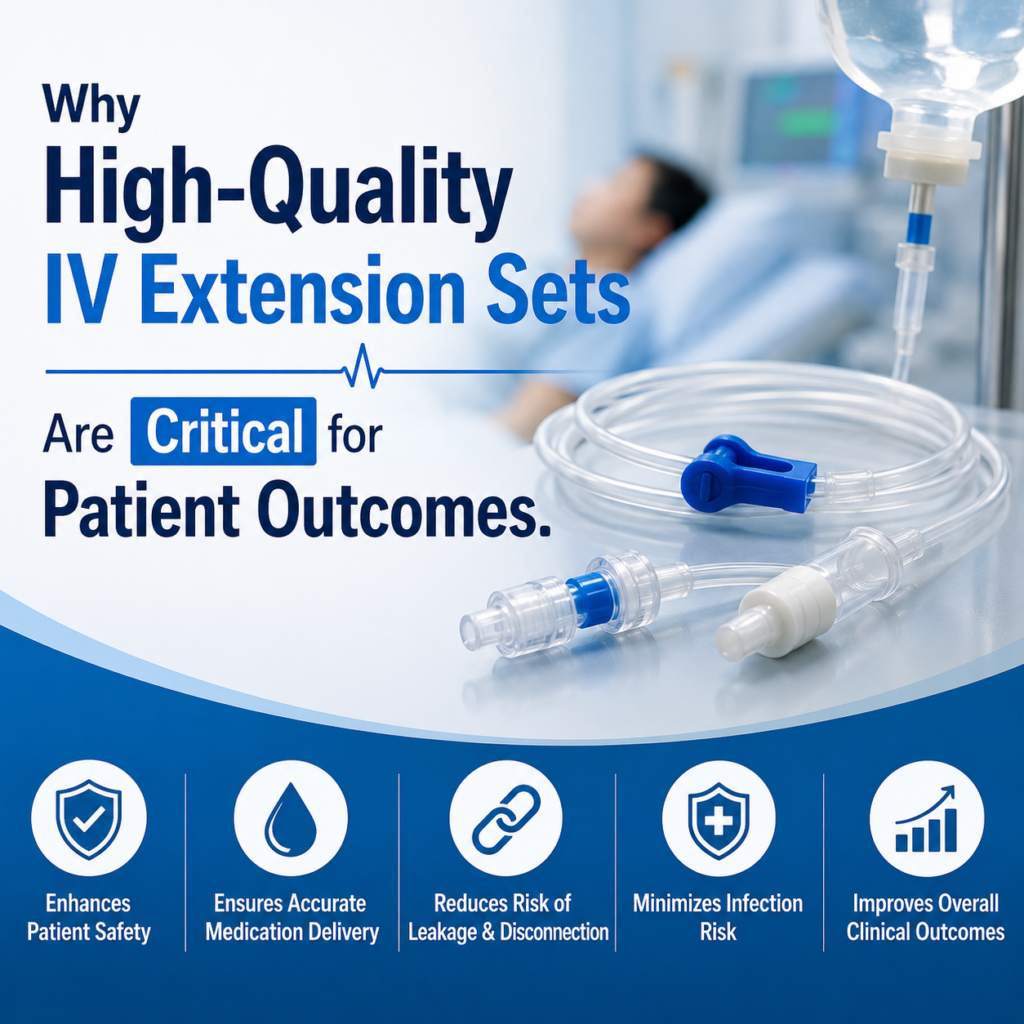
Beyond chemical composition, the physical properties of the material influence the likelihood of thrombophlebitis and infections. Rough inner surfaces or kink-prone tubing can disrupt laminar flow, causing turbulence that damages blood cells and encourages clot formation. Premium iv extension tubing is designed with smooth internal lumen walls that promote consistent flow, reducing the mechanical irritation of the vein. This attention to material engineering not only enhances patient comfort but also significantly lowers the chance of localized infections, thereby reducing the length of hospital stays and associated costs for healthcare facilities.
Furthermore, the barrier properties of high-grade materials are essential in preventing the ingress of contaminants. In a busy clinical setting, extension sets are frequently handled and manipulated, increasing the risk of bacterial entry at connection points. Superior manufacturing processes utilize advanced injection molding techniques to create tight, secure connections that resist leakage and contamination. For distributors focusing on wholesale, offering lines of extension sets that feature antimicrobial coatings or enhanced barrier protection provides a compelling value proposition to infection control officers and hospital procurement teams.
The integrity of the material also directly impacts the shelf life and sterility of the product. Low-quality plastics can degrade over time, especially when exposed to varying temperatures or light, compromising the sterility of the fluid path. High-quality iv catheter extension set options are rigorously tested for aging and stability, ensuring that they remain safe and effective from the point of manufacture until the moment of use. This reliability is vital for large-scale inventory management, allowing wholesalers to maintain stock without the fear of rapid obsolescence or safety degradation, ultimately protecting the end-user from compromised care.
1.2. How Precision Engineering Prevents Medication Errors
Medication accuracy is paramount in acute care settings, and the precision of iv extension sets plays a surprisingly large role in dosing consistency. The volume of fluid contained within the extension tubing, known as the “dead space,” can vary significantly between manufacturers. If a clinician is not aware of the exact dead space volume in an iv catheter extension set, it can lead to under-dosing or over-dosing, particularly when administering potent, low-volume medications such as vasopressors or chemotherapy drugs. High-quality sets are manufactured with strict tolerances to ensure that the priming volume is exact and consistent across every batch, allowing for precise calculation of medication delivery.
Variability in lumen diameter is another engineering factor that affects treatment accuracy. Inconsistent internal diameters can lead to fluctuating flow rates, making it difficult for smart pumps to deliver medication at the prescribed rate. High-quality iv extension tubing maintains a uniform diameter throughout its length, ensuring that the flow rate remains steady and predictable. This precision is critical when treating conditions that require tight hemodynamic control, as even minor fluctuations in fluid delivery can have serious consequences for patient stability. Buyers looking for wholesale options should seek manufacturers who provide detailed technical specifications regarding flow rates and pressure ratings.
The design of the connection points also contributes to safety and error prevention. Poorly designed connectors can lead to misconnections, where an IV line is accidentally attached to a non-IV line such as a feeding tube or catheter. Reputable manufacturers adhere to ISO 80369 standards to design connectors that are unique to specific delivery systems, physically preventing the possibility of wrong-route administration. By stocking extension sets that comply with these latest international standards, wholesalers play a crucial role in enhancing patient safety protocols within the hospitals and clinics they serve.
Additionally, the clarity of the tubing itself is a subtle yet important aspect of engineering and safety. Crystal-clear tubing allows for the immediate visual detection of air bubbles, particulate matter, or precipitates that may form when certain drugs are mixed. High-quality materials ensure that the tubing remains transparent even after flexing or kinking, whereas cheaper alternatives may cloud or deform. This visual clarity is a first line of defense against complications, enabling nursing staff to react swiftly to potential issues before they reach the patient, thereby reinforcing the overall quality of care.
1.3. Which Certifications Ensure Compliance with Global Standards
Navigating the regulatory landscape is a critical aspect of sourcing medical devices, and certifications serve as the primary indicator of quality and safety. For iv extension sets, compliance with ISO 13485 (Quality Management Systems for Medical Devices) is a fundamental requirement that demonstrates a manufacturer’s commitment to consistent design and production. This certification ensures that every stage of the manufacturing process, from raw material procurement to final packaging, is controlled and documented. For wholesale buyers, partnering with ISO-certified manufacturers minimizes the risk of receiving non-compliant products that could endanger patients or lead to costly recalls.
In addition to quality management systems, product-specific certifications such as CE marking in Europe and FDA clearance in the United States are essential markers of safety. These certifications indicate that the iv extension tubing has undergone rigorous testing for biocompatibility, sterility, and performance. The CE mark confirms that the product meets the essential requirements of the Medical Device Regulation (MDR), which includes stringent clinical evaluation and post-market surveillance. Distributors operating in global markets must verify that their product lines carry these certifications to facilitate smooth customs clearance and instill confidence in healthcare providers who rely on these tools for life-saving interventions.
Specific testing standards, such as those outlined by ISO 10555 for intravascular catheters and related devices, also provide a benchmark for performance. These standards cover aspects like burst pressure, aspiration efficiency, and flow rates. A high-quality iv catheter extension set will not only meet but often exceed these baseline requirements, offering superior performance under pressure. For instance, tubing that can withstand higher pressures without bursting is essential for the administration of contrast media during CT scans or for rapid fluid resuscitation in trauma centers. Highlighting these technical superiorities can help wholesalers differentiate their portfolio in a crowded market.
Furthermore, environmental and social responsibility certifications are becoming increasingly relevant in the procurement process. Certifications related to sustainable manufacturing practices and ethical labor standards reflect positively on the supply chain. Hospitals and healthcare systems are increasingly adopting procurement policies that favor suppliers who demonstrate corporate social responsibility. By aligning with manufacturers who hold these broader certifications, wholesalers can appeal to the values of modern healthcare systems, securing long-term contracts based on shared commitments to quality, safety, and sustainability.
2. How Choosing Superior IV Extension Tubing Enhances Clinical Efficiency
2.1. Why Flow Rate Consistency Matters in Critical Care
In critical care environments, where patients often require hemodynamic monitoring and precise fluid management, the consistency of flow rates is non-negotiable. The physical characteristics of iv extension sets directly influence the resistance to flow, which can alter the actual volume delivered versus the volume programmed on the pump. High-quality tubing is engineered to provide minimal resistance, ensuring that the infusion pumps function with optimal accuracy. This reliability allows clinicians to titrate vasoactive drugs with confidence, knowing that the patient is receiving the exact dosage calculated to maintain blood pressure and cardiac output.

The viscosity of the administered fluid interacts dynamically with the tubing material. For example, delivering blood products or high-concentration electrolytes requires a robust system that can handle thicker fluids without occluding. Inferior iv extension tubing may collapse or narrow under the suction pressure of a pump, leading to alarming occlusions that interrupt therapy. Premium extension sets are reinforced to resist collapse, maintaining a patent lumen even when delivering viscous fluids. This reliability reduces the frequency of alarm fatigue among nursing staff, allowing them to focus on patient care rather than constantly resetting pumps due to tubing failure.
Temperature fluctuations within the clinical environment can also affect the flexibility and flow dynamics of plastic tubing. Cheap materials may become brittle in cold air-conditioned rooms or overly soft when warmed, potentially affecting flow consistency. High-quality iv catheter extension set options are formulated to maintain their structural integrity across a range of temperatures. This thermal stability ensures that the flow rate remains consistent regardless of the environment, which is particularly important for trauma bays or operating rooms where temperatures vary. For buyers, ensuring that the products can withstand such environmental stress tests is key to guaranteeing performance in diverse clinical settings.
Moreover, the ability to deliver high flow rates rapidly is essential in emergency situations. During resuscitation, the width and length of the extension set determine the maximum flow rate achievable by gravity or pressure infusion. Short, wide-bore extension sets facilitate rapid volume replacement, a critical factor in managing septic shock or massive hemorrhage. Wholesale suppliers should offer a varied catalog that includes standard and high-flow variants, enabling hospitals to stock the appropriate tools for different scenarios. This variety not only enhances clinical efficiency but also positions the supplier as a knowledgeable partner in emergency care solutions.
2.2. How Kink Resistance Improves Workflow for Nursing Staff
Workflow efficiency in a hospital is heavily dependent on the reliability of the equipment used by nursing staff. Kinking is a common failure mode in lower-quality iv extension sets, leading to stopped infusions, missed doses, and the need for time-consuming line replacements. A high-quality extension set is designed with kink-resistant tubing that retains its shape even when bent sharply or compressed under a patient’s arm. This resilience is crucial for maintaining the continuity of care, particularly for mobile patients who are moving around or being transported for tests and procedures.
The frustration of replacing a kinked line goes beyond the time it takes to swap the tubing; it also increases the risk of contamination and infection. Every time a connection is broken, there is a potential for pathogens to enter the bloodstream. By utilizing iv extension tubing that resists kinking and occlusion, healthcare facilities can significantly reduce the number of line manipulations. This reduction in handling translates directly to lower infection rates and better adherence to sterile workflow protocols. For purchasing managers, the cost-benefit analysis clearly favors investing in slightly more expensive, kink-resistant options to save on nursing hours and reduce the incidence of costly hospital-acquired conditions.
The design of the tubing wall thickness and the polymer blend used in manufacturing are critical factors in kink resistance. Advanced materials offer the perfect balance between flexibility and durability, allowing the tube to bend without pinching off. This durability is especially important in long-term care settings, such as home infusion or hospice, where patients may not be under constant professional supervision. A reliable iv catheter extension set ensures that the therapy continues uninterrupted, providing peace of mind to both the patient and the caregiver. Wholesalers should highlight these material advancements when marketing to home care agencies, as reliability is a top priority in that sector.
Furthermore, kink resistance contributes to patient comfort and safety. A kinked line can cause back-pressure, which might lead to the extension set popping off the catheter or leaking fluid onto the patient’s skin. This can cause maceration and potentially serve as an entry point for infection. High-quality sets feature robust luer locks and reinforced tubing that work together to prevent disconnection. Ensuring that these features are present in the inventory helps wholesalers address the dual concerns of operational efficiency and patient safety, making their product offering indispensable to quality-focused healthcare providers.
2.3. Which Custom Features Reduce Setup Time
Time is a scarce resource in clinical settings, and any feature that reduces setup or preparation time is highly valued. One such feature is the inclusion of multiple access points or Y-sites in iv extension sets. These ports allow for the simultaneous administration of compatible medications or fluids without the need to start a second IV line. High-quality sets position these Y-sites optimally to prevent tangling and allow easy access for clinicians. By sourcing extension sets with intuitive configurations, wholesalers can help hospitals increase throughput in busy infusion centers and emergency departments.
The type of clamp used on the tubing also significantly impacts handling speed. Traditional roller clamps can be fiddly and imprecise, whereas slide clamps or integrated stopcocks offer faster operation and more positive shutoff. Advanced iv extension tubing often features user-friendly clamp designs that can be manipulated quickly, even by a gloved hand. These small ergonomic improvements accumulate over the course of a shift, saving valuable minutes and reducing the cognitive load on staff. Distributors should look for manufacturing partners who incorporate these human-factor engineering principles into their product designs, as they are a strong selling point for efficiency-minded buyers.
Needleless connectors are another critical feature that enhances both safety and speed. Modern iv catheter extension set models come equipped with neutral displacement or positive displacement connectors that reduce the risk of blood reflux and catheter occlusion. These connectors allow for swift and safe access to the IV line without the use of needles, protecting staff from needlestick injuries. The availability of extension sets pre-assembled with high-performance needleless connectors means that nurses do not have to manually attach them, saving time and standardizing the connection protocol across the facility. This “ready-to-use” aspect is a key driver for procurement decisions.
Finally, the packaging and presentation of the extension sets can influence setup efficiency. sterile, peel-open packages that are easy to open and that allow the aseptic presentation of the device are essential. Some high-end options include color-coded labels or length indicators printed on the tubing itself, helping staff identify the correct product size at a glance. For wholesale orders, customization of packaging to include specific branding or usage instructions can further streamline the integration process for the hospital. By offering tailored solutions that address the specific workflow bottlenecks of their clients, suppliers can establish themselves as problem-solvers rather than mere vendors.
3. Why Wholesale and Customization Strategies Are Essential for Healthcare Procurement
3.1. How Bulk Purchasing Balances Cost and Quality
For healthcare systems operating on tight margins, the economic model of procurement is a delicate balance between cost containment and quality assurance. Purchasing iv extension sets in bulk through wholesale channels offers significant economies of scale, reducing the per-unit cost substantially. However, the drive for lower costs must not compromise patient safety. Savvy procurement officers recognize that the “lowest price” often carries hidden costs associated with higher failure rates, increased infection risks, and frequent replacements. Therefore, the focus is shifting toward “value-based purchasing,” where the total cost of ownership is considered, favoring high-quality products that offer reliability and better clinical outcomes.
Bulk purchasing contracts also provide the leverage necessary to demand higher quality standards from manufacturers. When a hospital system commits to large-volume orders of iv extension tubing, they gain the ability to stipulate specific requirements regarding materials, certifications, and performance metrics. This dynamic turns the transaction from a simple purchase into a strategic partnership. Manufacturers are more willing to invest in quality control and provide batch traceability data for large contracts, ensuring transparency and accountability. Wholesalers who facilitate these large-scale agreements act as vital intermediaries, ensuring that the healthcare provider’s specific quality needs are met while maximizing cost efficiency.
Inventory management is another area where wholesale strategies provide a distinct advantage. By maintaining a robust stock of essential consumables like the iv catheter extension set, distributors protect hospitals from supply chain disruptions. In times of global logistic challenges, having a reliable wholesale partner with deep inventory reserves can be the difference between continuity of care and critical shortages. This reliability is highly valued by hospital administrators, who are increasingly prioritizing supply chain resilience. Wholesalers can leverage their logistical capabilities to offer just-in-time delivery services, helping hospitals reduce on-site storage costs while ensuring availability.
Furthermore, bulk purchasing allows for better standardization of medical supplies across a healthcare network. Standardization reduces the cognitive load on staff who move between different facilities within the network, as they encounter the same equipment everywhere. It also simplifies training and onboarding processes. By working with a wholesaler to provide a consistent, high-quality extension set across all departments, healthcare systems can streamline their operations and reduce the likelihood of usage errors. This systemic efficiency is a compelling argument for establishing long-term, high-volume contracts with reputable manufacturers.
3.2. Why Custom Lengths and Connectors Improve Patient Comfort
The “one-size-fits-all” approach is increasingly being replaced by patient-centered care, which requires equipment that adapts to the specific needs of the individual. Customization of iv extension sets is a prime example of this trend. Patients in different scenarios require different tubing lengths; a neonate in an incubator needs a very short line to reduce resistance and dead space, while a mobile adult patient might need a longer line to allow freedom of movement. Offering a range of custom lengths ensures that the patient’s comfort and mobility are not restricted by the equipment, which can reduce anxiety and improve the overall patient experience.
Beyond length, the type of connectors used can be customized to suit specific clinical protocols or patient needs. Some patients may require extension sets with specific filters to remove particulates or air, while others might need additional injection ports for complex medication regimens. Providing iv extension tubing with customizable configurations allows clinicians to build a therapy setup that is tailored to the patient’s condition, rather than adapting the patient to the available equipment. This level of customization minimizes the need for adaptors and connectors, which are potential points of failure and contamination, thereby streamlining the delivery system.
For distributors, the ability to offer customization is a powerful differentiator in a competitive market. Manufacturers who provide OEM (Original Equipment Manufacturer) or ODM (Original Design Manufacturer) services allow wholesalers to create bespoke product lines for their clients. For instance, a wholesale partner could work with a manufacturer to produce a proprietary iv catheter extension set featuring a unique clamp mechanism or a specific connector type preferred by a major hospital chain. This exclusivity locks in business relationships and adds value beyond the commodity pricing of standard goods.
Patient comfort also extends to the physical feel of the tubing against the skin. Soft, flexible tubing is less likely to cause irritation or pressure injuries during extended wear periods. Customization options can include the use of softer polymer blends or the addition of integrated strain relief devices where the tubing meets the catheter hub. By focusing on these details and communicating them to healthcare providers, wholesalers can position their products as premium solutions that prioritize the “human element” of healthcare, aligning with the industry’s broader goals of patient satisfaction and comfort.
3.3. Which Branding Options Build Trust for Distributors
In the medical device industry, brand trust is a currency that carries immense weight. For distributors and wholesalers, moving beyond generic, unbranded products to branded iv extension sets can significantly enhance market presence. Private labeling allows distributors to market high-quality products under their own brand name, fostering customer loyalty and distinguishing their offerings from competitors. This strategy builds a reputation for reliability and quality, as the customer associates the product directly with the distributor’s service promise. It transforms a transactional relationship into a brand-based relationship.
The visual identity of the packaging and the product itself plays a subtle but important role in the operating room or ward. Clear, professional branding on the iv extension tubing or its packaging helps with quick identification and reinforces the perception of quality. When a nurse repeatedly sees a brand that performs well and is easy to use, trust is established through consistent positive experience. Distributors should work with manufacturers to ensure that branding elements—such as logos, color coding for length or gauge, and clear usage instructions—are integrated seamlessly into the product design without compromising its functionality.
Custom branding also offers an opportunity for education and information dissemination. Packaging space can be utilized to provide key technical data, such as priming volume, maximum pressure ratings, or compatibility information. This added value assists clinicians in making rapid, informed decisions at the point of care. For a wholesale supplier, providing this enhanced educational content through branded iv catheter extension set packaging positions them as a knowledgeable resource partner, deepening the engagement with their B2B clients who value efficiency and safety.
Ultimately, investing in branding options signals a long-term commitment to the market. It tells healthcare providers that the distributor stands behind the product and is not merely passing on goods from a faceless factory. This assurance is critical in an industry where product liability and patient safety are paramount. By leveraging customization services to build a strong, recognizable brand, wholesalers can insulate themselves from price wars and competition based solely on cost, securing a more stable and profitable position in the supply chain.
4. What 2025 Statistics and 2026 Market Insights Reveal About Future Demand
4.1. Why the IV Supply Market Is Projected to Expand Rapidly
The global market for intravenous access devices is on a steep upward trajectory, driven by demographic shifts and the rising prevalence of chronic diseases. According to 2025 industry analyses, the market for iv extension sets is expected to grow at a Compound Annual Growth Rate (CAGR) significantly higher than previous decades. This surge is primarily fueled by the aging global population, which requires more frequent medical interventions, long-term care, and hospitalizations. As the patient base expands, the demand for reliable disposable medical supplies follows suit, creating a robust opportunity for wholesalers to scale their operations and inventory levels.
Chronic conditions such as cancer, diabetes, and gastrointestinal disorders often require prolonged courses of intravenous therapy, including chemotherapy, insulin infusions, and total parenteral nutrition. This reliance on maintenance IV therapies directly correlates to increased consumption of iv extension tubing. Market data from late 2024 and early 2025 indicates a spike in demand for home infusion therapy sets, as healthcare systems strive to reduce hospital admissions by moving care to the home setting. This shift necessitates extension sets that are not only hospital-grade but also user-friendly for patients and non-professional caregivers, opening a new segment for specialized product lines.
The post-pandemic landscape has also reshaped procurement strategies, with hospitals maintaining higher buffer stocks of essential consumables to prevent the shortages experienced during previous health crises. This “just-in-case” inventory model replaces the lean “just-in-time” approach, leading to larger volume orders. Distributors who can offer warehousing and flexible logistics for iv catheter extension set products are well-positioned to capitalize on this behavioral change. The projection for 2026 suggests that this inventory buffering will become a permanent fixture of hospital supply chain management, ensuring sustained demand.
Furthermore, emerging economies are heavily investing in healthcare infrastructure, expanding access to primary and tertiary care. This expansion creates a massive new market for basic and advanced IV consumables. 2026 market insights highlight regions like Southeast Asia and parts of Africa as high-growth zones for medical device exports. Wholesalers with a global outlook can leverage these trends by establishing supply chains into these developing markets, where the emphasis is increasingly on balancing cost-effectiveness with international quality standards.
4.2. How Technological Integration Is Shaping Next-Gen IV Catheter Extension Sets
The future of iv extension sets is being defined by the integration of smart technologies and advanced materials designed to proactively enhance patient safety. One of the most significant trends observed in 2025 is the development of extension sets with integrated pressure sensors that can communicate wirelessly with infusion pumps. These “smart” tubing systems provide real-time feedback on line pressure, helping to detect occlusions or infiltration much earlier than traditional pumps. For wholesale buyers, staying ahead of this technological curve is essential, as hospitals will increasingly seek out these intelligent systems to improve patient monitoring.
Another area of technological advancement is the use of antimicrobial materials. As antibiotic resistance remains a pressing global health concern, manufacturers are innovating with iv extension tubing impregnated with antimicrobial agents such as silver ions or chlorhexidine. These coatings disrupt the growth of bacteria on the device’s surfaces, significantly reducing the incidence of catheter-related bloodstream infections (CRBSIs). Market forecasts for 2026 predict that antimicrobial-coated devices will transition from niche specialty items to standard-of-care products in ICUs and immunocompromised wards, representing a high-value category for distributors.
Material science is also driving improvements in biocompatibility and sustainability. The move toward eco-friendly medical plastics is gaining momentum, with 2025 seeing a rise in the development of bio-based PVC alternatives for iv catheter extension set manufacturing. These materials aim to reduce the environmental footprint of medical waste without compromising the flexibility, clarity, or durability required for clinical use. As healthcare providers face pressure to implement green initiatives, the demand for sustainable extension sets is expected to rise, offering a unique marketing angle for environmentally conscious wholesalers.
Additionally, improvements in manufacturing precision are enabling the production of micro-bore extension sets with ultra-low priming volumes. These are critical for pediatric and neonatal care, where even small amounts of fluid waste or overdose can be dangerous. The ability to manufacture these intricate designs with high reliability is a testament to advanced extrusion and molding technologies. As precision medicine becomes more prevalent, the market for these specialized, high-precision extension sets is projected to grow, requiring wholesalers to diversify their portfolios to include these advanced configurations.
4.3. Which Sectors Will Drive the Highest Growth in Demand
While general hospital use remains the largest consumer of iv extension sets, specific sectors are driving the fastest growth in demand for 2025 and beyond. The home healthcare sector is arguably the most dynamic driver, fueled by patient preference for aging in place and the cost-effectiveness of home-based treatments. Patients requiring long-term antibiotic therapy, hydration, or pain management need durable, easy-to-use extension sets that minimize the risk of infection outside the sterile hospital environment. This sector demands products that combine clinical-grade safety with intuitive design for lay users.
Oncology centers represent another high-growth sector. Chemotherapy regimens often involve complex protocols requiring multiple lines and frequent connections, increasing the need for high-quality iv extension tubing that can withstand repeated access without degrading. The specificity of oncology protocols also drives the demand for customization, such as needleless connectors that minimize exposure to hazardous drugs. As cancer rates continue to rise globally, the procurement needs of oncology clinics will expand, providing a steady and specialized market for wholesalers who understand the unique requirements of chemotherapy administration.
The ambulatory surgical center (ASC) market is also expanding rapidly. These centers focus on high-efficiency, high-throughput procedures, requiring IV setups that are quick to set up and reliable. ASCs prefer cost-effective yet high-quality iv catheter extension set options that reduce turnover times between patients. The growth in outpatient surgeries, driven by minimally invasive techniques, ensures a sustained volume of procedures requiring IV access. Distributors targeting the ASC market must focus on products that offer speed, reliability, and compliance with strict sterilization standards to capture this growing segment.
Finally, the military and disaster relief sectors present a niche but vital market for ruggedized IV extension sets. Field hospitals and emergency response teams require equipment that can withstand harsh environments and rough handling without failing. 2026 insights suggest an increased focus on disaster preparedness globally, leading to strategic stockpiling of durable medical supplies. Wholesalers capable of providing “ruggedized” or tactical-grade extension sets—perhaps with reinforced housing and protective sheathing—can tap into government and NGO contracts aimed at strengthening emergency medical response capabilities.
Frequently Asked Questions
1. Why is the material quality of IV extension sets critical for patient safety?
The material quality of iv extension sets is paramount because the tubing is in direct contact with the bloodstream and the fluids being administered. High-quality medical-grade PVC or polyurethane ensures that the material is non-toxic, non-pyrogenic, and biocompatible. Inferior materials may leach harmful plasticizers, such as DEHP, into the patient’s system, which can lead to serious health complications, especially in vulnerable populations like neonates. Furthermore, premium materials are less prone to cracking or clouding, which allows clinicians to visually inspect the fluid for air bubbles or particulates effectively, thereby reducing the risk of embolisms or infections.
2. How can wholesale buyers customize IV extension tubing for specific clinical needs?
Wholesale buyers can work directly with manufacturers to customize iv extension tubing to meet the precise requirements of different medical departments. Customization options include varying the length of the tubing to suit neonatal, pediatric, or adult mobility needs, as well as selecting specific lumen diameters to control flow rates. Additionally, buyers can specify the type and placement of access ports, such as Y-sites or injection ports, and choose particular connector types like needleless valves or Luer-lock mechanisms. This level of customization ensures that the final product aligns perfectly with the hospital’s protocols and enhances clinical efficiency.
3. What role does “dead space” in an IV catheter extension set play in medication accuracy?
Dead space refers to the volume of fluid retained within the iv catheter extension set and connections after administration. In high-quality sets, this volume is minimized and kept consistent across manufacturing batches. If dead space is not controlled, a significant amount of medication may remain in the tubing rather than reaching the patient, leading to under-dosing. This is particularly critical for potent medications like vasopressors or chemotherapy drugs where exact dosages are essential. Precision engineering ensures that the priming volume is predictable, allowing healthcare providers to calculate accurate dosages and flush volumes effectively.
4. Which certifications should distributors look for when sourcing IV extension sets?
Distributors should ensure that the iv extension sets they source carry rigorous international certifications to guarantee safety and performance. Essential certifications include ISO 13485, which denotes a comprehensive quality management system for medical device manufacturing. Additionally, products should have CE marking for compliance with European Medical Device Regulations (MDR) and FDA clearance for markets in the United States. Compliance with standards such as ISO 10555, which covers testing for intravascular catheters, is also a strong indicator of reliability, ensuring the tubing can withstand necessary pressure and flow requirements.
5. How does kink resistance in IV extension tubing benefit hospital workflow?
Kink resistance in iv extension tubing is a vital feature that prevents the line from occluding due to bending or patient movement. When a line kinks, the infusion stops, triggering alarms on pumps and requiring nursing staff to intervene, troubleshoot, and potentially replace the line. This interrupts patient care and increases the workload for medical professionals. High-quality, kink-resistant tubing maintains a patent lumen even under stress, ensuring continuous therapy. This reliability reduces alarm fatigue, minimizes the frequency of line replacements, and allows nursing staff to focus on critical patient care tasks rather than equipment maintenance.
6. Why are DEHP-free IV extension sets becoming a market standard?
DEHP-free iv extension sets are becoming the market standard due to growing concerns over the potential health risks associated with di-2-ethylhexyl phthalate (DEHP), a plasticizer used to make PVC flexible. Research suggests that DEHP can leach from medical devices into fluids, particularly lipid-based solutions, posing risks such as hormonal disruptions and developmental issues. In response to regulatory pressure and a shift toward safer healthcare materials, manufacturers are producing DEHP-free alternatives using safer plasticizers. Hospitals and procurement managers are increasingly demanding these options to ensure patient safety and comply with stricter environmental and health regulations.
7. What are the advantages of purchasing IV extension sets through wholesale contracts?
Purchasing iv extension sets through wholesale contracts offers significant economic and operational advantages. The primary benefit is cost reduction through economies of scale, which lowers the per-unit price. Beyond cost, bulk purchasing ensures supply chain continuity, protecting hospitals from shortages during periods of high demand or logistical disruption. Large contracts also give buyers leverage to demand higher quality standards, custom specifications, and priority shipping. This strategic approach to procurement stabilizes inventory costs and guarantees that high-quality, compliant products are consistently available for patient care.
8. How does private labeling help distributors build trust with healthcare providers?
Private labeling allows distributors to sell high-quality iv extension sets under their own brand name, transforming a generic commodity into a branded product that represents their commitment to quality. When clinicians repeatedly use a product that performs reliably and features a recognizable brand associated with their trusted distributor, it builds loyalty and confidence. Private labeling also allows distributors to differentiate their offerings in a competitive market by highlighting specific features, such as kink resistance or ergonomic clamps, that align with their customers’ needs. This strategy shifts the relationship from a transactional vendor interaction to a valued partnership.
9. Can IV extension sets be integrated with smart pump technology?
Yes, modern iv extension sets are increasingly being designed to integrate seamlessly with smart pump technology to enhance patient safety. While the tubing itself is passive, its design—such as consistent internal diameter and low compliance—ensures that the pump’s pressure sensors and flow algorithms function accurately. Furthermore, next-generation sets are being developed with integrated sensors or RFID tags that can automatically communicate set parameters, such as priming volume or expiration date, to the smart pump system. This interoperability helps prevent programming errors and ensures that the infusion delivery system operates as a cohesive, intelligent unit.
10. Which market trends are driving the demand for specialized IV catheter extension sets in 2025 and 2026?
The demand for specialized iv catheter extension sets is being driven by the growth of home healthcare, the rise of chronic disease management, and the integration of antimicrobial technologies. As healthcare moves out of acute settings and into the home, there is a need for extension sets that are durable, easy for non-professionals to use, and safe for long-term wear. Additionally, the focus on reducing hospital-acquired infections is fueling the adoption of sets with antimicrobial coatings. Market insights for 2025-2026 also indicate a surge in demand for customizable sets that support complex, multi-drug regimens typical in oncology and critical care, pushing wholesalers to expand their specialized product portfolios.