
In the global healthcare and diagnostics supply chain, consistency matters—especially in pre-analytical processes like blood collection. For hospitals, laboratories, and procurement officers, understanding the tube color standard, aligning with international color cap systems, and mastering blood tube coding are critical for minimizing errors and improving lab workflow efficiency. This guide breaks down global standards for blood tube colors, what each cap represents, and how to make procurement decisions that ensure regulatory alignment and seamless clinical use. Know more..
1. Why Color Coding of Blood Tubes Matters
Using the right color-coded tube ensures proper additive usage, accurate test results, and safe handling. Errors in tube selection can lead to:
- Incorrect test results due to additive interference
- Delayed diagnoses from repeated collections
- Regulatory violations from non-standard practices
- Cross-border confusion in multinational healthcare systems
That’s why a well-documented tube color standard and familiarity with international color cap meanings are essential for global distributors and healthcare institutions.
2. What Does Each Blood Tube Color Mean?
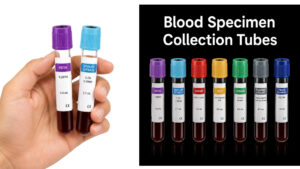
Each blood collection tube is color-coded to indicate the type of additive or anticoagulant inside. Let’s look at the most universally accepted blood tube coding formats, primarily based on CLSI and WHO recommendations.
| Cap Color | Additive | Common Tests | Action |
| Red | None / Clot Activator | Serum, drug levels | Allows blood to clot naturally |
| Gold / Yellow (SST) | Clot Activator + Gel | Chemistry panels, serology | Separates serum via centrifuge |
| Light Blue | Sodium Citrate | Coagulation tests (PT, aPTT) | Binds calcium reversibly |
| Green | Heparin (Sodium/Lithium) | Stat chemistries, electrolytes | Prevents clotting by inhibiting thrombin |
| Lavender / Purple | EDTA | Hematology, CBC | Chelates calcium, preserves cells |
| Gray | Potassium Oxalate + Sodium Fluoride | Glucose, lactate | Inhibits glycolysis |
| Black | Sodium Citrate (different ratio) | ESR (Erythrocyte Sedimentation Rate) | Slower draw for sedimentation tests |
| Royal Blue | None / EDTA / Heparin | Trace elements, toxicology | Ultra-clean tubes to avoid contamination |
| Pink | EDTA (spray-dried) | Blood bank testing | Specialized for crossmatch procedures |
Always refer to a trusted tube color standard document from your manufacturer or supplier to match test requirements with the correct cap.
3. International Color Cap Standards: Not Always Universal
Here’s the tricky part—international color cap conventions aren’t 100% universal. While most regions follow CLSI (Clinical & Laboratory Standards Institute), local health authorities may apply variations.
U.S. and Canada
- Follow CLSI guidelines.
- Some differences exist in blood bank tubes and pediatric tubes.
Europe
- Mostly aligned with CLSI, but cap shades may vary (e.g., orange used for thrombin tubes).
Asia & Middle East
- Diverse practices based on the manufacturer.
- Institutions may mix local and international products, increasing error risk if color codes conflict.
Africa & Latin America
- Often follow WHO and Pan-American Health Organization recommendations.
- Require strict training due to equipment mix from multiple countries.
So when sourcing or exporting, ensure your blood tube coding matches the regional tube color standard—especially in cross-border supply contracts.
4. How Blood Tube Coding Works in Practice
Correct blood tube coding isn’t just about cap colors—it also includes:
- Tube Labels: Including test type, additive, expiration date, and manufacturer batch number.
- Barcodes or QR Codes: For traceability and lab information systems (LIS).
- Cap Shape and Size: Pediatric, standard, and wide-cap tubes may use similar colors but different volumes.
Pro Tip:
Use training posters or wall charts in collection areas to reinforce proper tube color standard usage for staff, especially in high-volume labs.
5. Blood Draw Order: The Impact of Cap Color
One often-overlooked part of color-coded tube usage is order of draw. To prevent cross-contamination between additives, phlebotomists follow a specific sequence.
| Order | Tube Color | Reason |
| 1 | Blood culture bottles | Sterility |
| 2 | Light Blue | Coagulation testing (least additive interference) |
| 3 | Red / Gold / SST | Serum tubes for chemistry |
| 4 | Green | Heparinized plasma tubes |
| 5 | Lavender / Pink | EDTA tubes |
| 6 | Gray | Glycolysis inhibitors (glucose tests) |
Using the wrong order—regardless of tube color—can lead to skewed test results, especially in potassium and calcium measurements.
6. Quality Control and Color Cap Manufacturing
High-quality tube color standard compliance starts with proper manufacturing:
- Additive Accuracy: Consistent volume and concentration across batches
- Cap Durability: Leak-proof under centrifuge stress
- Colorfast Materials: Fade-resistant caps for high-humidity regions
- Regulatory Certifications: CE mark, FDA 510(k), ISO 13485 for medical devices
Our factory follows strict international color cap guidelines to ensure every batch is traceable and compliant with CLSI and WHO standards.
7. Color Coding for Special Use Tubes
Some tubes don’t follow common color schemes:
Pediatric Tubes
- Often marked with pastel variations (light lavender, light green).
- Smaller volume, low-vacuum draw to protect fragile veins.
Capillary Collection Tubes
- Miniaturized versions of standard tubes with matching caps.
- Require precise labeling and training due to smaller blood volumes.
Research Tubes
- Custom colors (orange, white) may be used for cell cultures or DNA analysis.
- Always accompanied by special instruction inserts or stickers.
If you’re supplying to research labs or children’s hospitals, ensure your tube color standard matches their protocols.
8. Procurement Tips: Choosing the Right Blood Tube Supplier
To ensure compliance and reduce error rates, choose a blood tube supplier that understands blood tube coding and international color cap variations. Ask these questions:
- Are your tubes compliant with CLSI, CE, and FDA guidelines?
- Can you supply a tube color standard chart with every shipment?
- Do your caps resist fading or warping in hot/humid climates?
- Can you provide private label or custom cap colors for research labs?
- Do you offer training materials for collection staff?
Procurement officers should always verify documentation and request sample kits before large-scale purchasing.
9. Staff Training: Reinforcing the Tube Color Standard
Even with perfect tubes, improper usage can compromise testing. Here’s how to train your team:
- Orientation Modules: Cover blood tube coding and order of draw in new staff training.
- Color Code Posters: Place large charts in phlebotomy and lab intake areas.
- Simulation Labs: Use fake tubes and test scenarios to practice proper draw and sorting.
- Mobile Team Kits: Include laminated color cap guides for outreach teams or emergency response units.
Don’t assume color recognition is universal—colorblind staff may need alternate label-based cues.
10. Future Trends in Blood Tube Coding
As diagnostics evolve, so does tube color standard innovation:
- Smart Caps: Embedded RFID or NFC for automatic test-type recognition
- Digital Color Verification: Apps that scan cap color for LIS input
- Eco-Friendly Materials: Biodegradable caps and BPA-free plastics
- Custom Coding: For gene therapy, mRNA vaccines, or personalized diagnostics
Staying current with international color cap trends helps suppliers and hospitals future-proof their processes.
Final Thoughts: Color Coding Is More Than a Visual Cue
Proper blood tube coding isn’t just about aesthetics—it’s a clinical safety standard. From reduced diagnostic errors to streamlined lab processing, a globally consistent tube color standard is foundational to modern healthcare.
As an established medical device manufacturer, we specialize in:
- CLSI-compliant blood collection tubes
- Bulk orders tailored to international color cap requirements
- Color customization for research or OEM clients
- Educational kits and blood tube coding resources
Ready to Streamline Your Blood Collection System?
📦 Request a free sample kit with our updated tube color standard chart
🧪 Get a consultation on custom cap solutions for your market
🌍 Partner with us to distribute internationally recognized, CE/FDA-approved tubes
Your labels, your colors, your standards—delivered globally.