Why Precision in Veterinary Needles Defines the Right Animal Welfare Standards
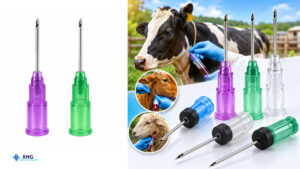
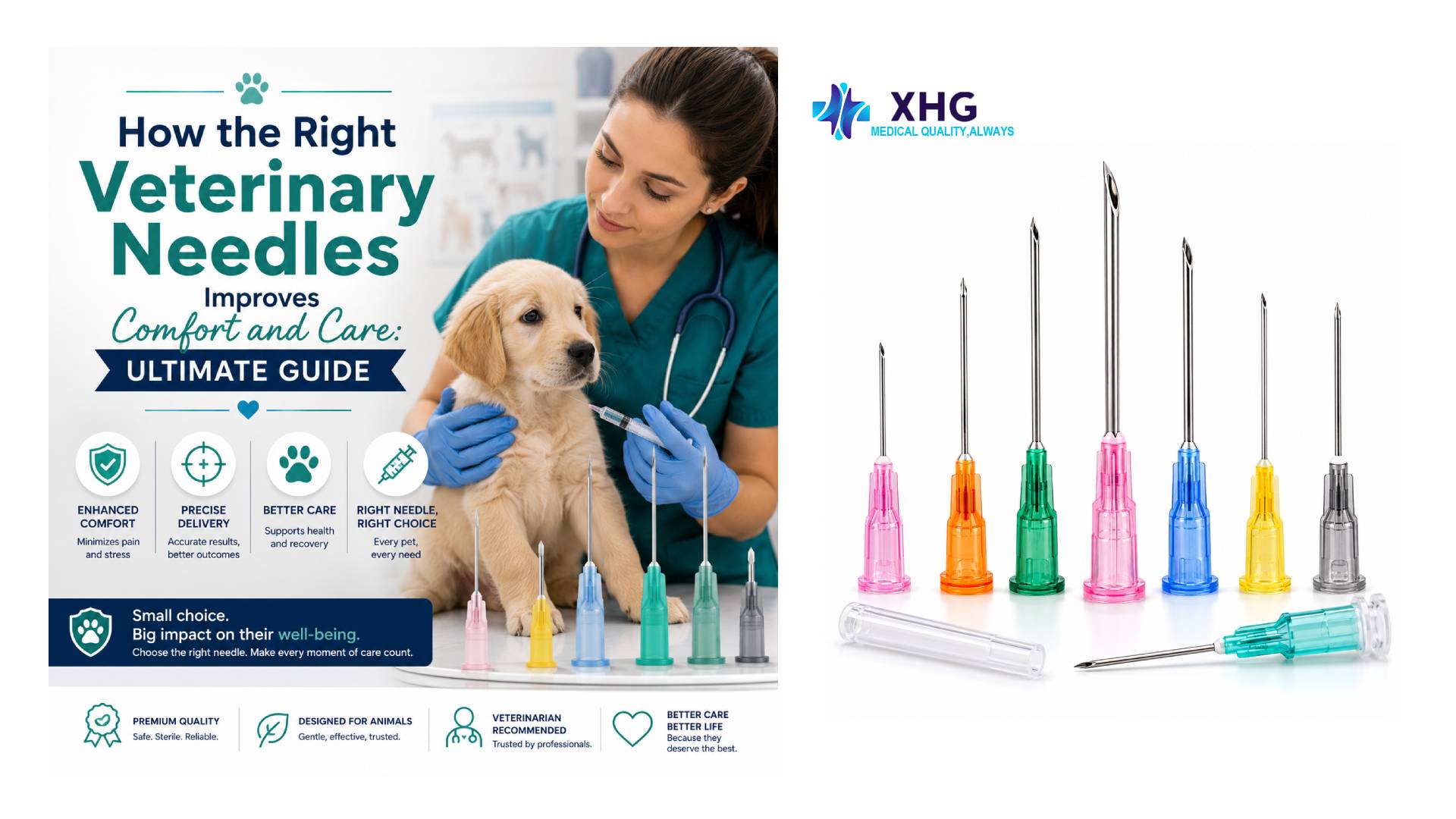
The selection of appropriate right veterinary needles is the cornerstone of modern animal healthcare, directly influencing the level of comfort and care provided during medical procedures. When a needle penetrates tissue with precision, it minimizes the mechanical trauma that often leads to pain and inflammation. For B2B buyers and clinics, prioritizing high-precision manufacturing in their procurement is essential, as it ensures that every injection administered is as stress-free as possible for the animal. This focus on detail not only improves patient outcomes but also enhances the reputation of the care facility, fostering trust among pet owners and livestock producers alike.
Recent 2025 industry data indicates a significant shift in consumer expectations, with clients increasingly demanding the highest standards of comfort for their animals. This trend places pressure on veterinary practices to utilize only top-tier veterinary needles that guarantee smooth insertion and reduced tissue drag. Wholesale suppliers are responding by refining their production processes to ensure every needle meets rigorous sharpness and consistency standards. By integrating these superior tools into practice, veterinarians can effectively mitigate the anxiety associated with injections, ensuring a smoother workflow and a better experience for both the patient and the handler.
The role of sterile veterinary injection needles in preventing complications cannot be overstated, particularly when discussing long-term animal welfare. Infections resulting from contaminated or poorly manufactured needles can lead to severe tissue damage and systemic illness, undermining the very purpose of the treatment. As we move toward 2026, market insights suggest a tightening of regulatory standards regarding sterilization and packaging integrity. Businesses that proactively stock sterile, single-use needles are not only complying with these regulations but are also actively preventing post-injection complications, thereby safeguarding animal health and reducing liability.
Investing in high-quality needles is a strategic decision that reflects a commitment to professional excellence and ethical animal care. When veterinary practices and livestock operations choose premium veterinary needles, they signal to their clients and partners that patient comfort is a non-negotiable priority. This dedication is increasingly becoming a differentiator in a crowded market, where the quality of care is often judged by the smallest details. By maintaining a supply of precision-engineered needles, businesses ensure that they are equipped to deliver the highest standard of medical attention, ultimately driving client loyalty and operational success.
1.1 Why Needle Sharpness Directly Correlates to Reduced Tissue Trauma
The sharpness of a needle is the primary factor in determining the amount of physical trauma inflicted during an injection. A dull or irregular needle tip can cause tearing of the muscle and skin fibers rather than creating a clean incision, leading to increased pain and prolonged recovery times. For wholesale buyers, ensuring a consistent supply of ultra-sharp veterinary needles is critical for maintaining high standards of care. Manufacturers utilizing advanced grinding technologies can produce needles that effortlessly pierce the skin, significantly reducing the discomfort experienced by the animal and the resistance felt by the practitioner.
1.2 Why Sterile Veterinary Injection Needles Are Non-Negotiable in Modern Practice
Maintaining absolute sterility is a fundamental requirement in any medical procedure, and the use of sterile veterinary injection needles is the first line of defense against iatrogenic infections. The transmission of pathogens can occur easily if non-sterile equipment is used, leading to abscesses or systemic infections that can be detrimental to livestock productivity and companion animal health. 2025 statistics show a marked reduction in injection-site complications in clinics that enforce strict single-use protocols, highlighting the necessity of sourcing needles from reputable suppliers who guarantee impeccable packaging and sterilization processes.
1.3 Why Bulk Purchasing Must Not Sacrifice Individual Needle Quality
A common misconception in the wholesale sector is that buying in bulk requires a compromise on individual unit quality. However, leading manufacturers now offer scalable solutions that maintain the integrity of every single veterinary needle regardless of order size. For large-scale livestock operations, this means accessing cost-effective bulk pricing without exposing the herd to the risks associated with inferior products. As the market evolves into 2026, the focus is shifting toward “quality-at-scale,” where suppliers are expected to deliver consistent sharpness and sterility across thousands of units, ensuring that every animal receives the same level of care.
1.4 Why Customization Addresses Specific Clinical Challenges
Every veterinary practice and livestock facility has unique needs that standard off-the-shelf products may not fully address. Customization allows for the specification of exact gauges, lengths, and hub types that are best suited for specific animal breeds or medication viscosities. By working with manufacturers to create custom veterinary needles, businesses can solve specific clinical challenges, such as reaching deep muscle masses in large cattle or administering delicate injections to small exotic pets. This tailored approach not only improves procedural efficiency but also enhances the overall safety and comfort of the animal, demonstrating a sophisticated understanding of veterinary care.
2. How the Right Livestock Injection Needles Optimize Farm Productivity
The efficiency of livestock management is intrinsically linked to the quality of the medical supplies used, particularly livestock injection needles. In high-throughput environments such as feedlots and dairy farms, the speed and ease of administering vaccinations and treatments are paramount. High-quality needles designed specifically for livestock ensure that injections can be delivered quickly without causing excessive stress to the animals. Stress is a known inhibitor of growth and milk production; therefore, utilizing needles that glide smoothly through tissue helps maintain a calm environment, directly contributing to better productivity metrics and overall farm profitability.
Market projections for 2026 indicate that the livestock sector will see an increased adoption of automation in vaccination processes, necessitating the use of highly durable and reliable needles. Livestock injection needles used in automatic syringes must withstand repeated use or specific force requirements without bending or breaking. A faulty needle can break a machine’s rhythm or, worse, break off inside the animal, causing severe injury and loss. Wholesale buyers are now prioritizing needle strength and structural integrity, recognizing that the right tool is essential for integrating modern automated systems into their livestock health programs effectively.
The financial implications of injection-site lesions in meat-producing animals are substantial, rendering the choice of needle a critical economic decision. Lesions caused by blunt or contaminated needles lead to trimming of valuable cuts during processing, resulting in direct revenue loss. By switching to premium livestock injection needles, producers can significantly reduce the incidence of these lesions. Industry data from 2025 suggests that farms investing in higher gauge, sharper needles have seen a measurable decrease in carcass condemnations, proving that the right supply choice has a tangible return on investment through improved product quality and yield.
Biosecurity is another critical area where the right needle choice plays a pivotal role in farm productivity. Disease spread through contaminated equipment is a persistent threat in dense livestock populations. Using high-quality, single-use veterinary needles is a vital biosecurity measure that prevents the transmission of blood-borne pathogens like Bovine Leukosis Virus or Porcine Reproductive and Respiratory Syndrome. As global trade regulations become stricter regarding animal health, farms utilizing certified, sterile injection equipment are better positioned to maintain their health status, avoid quarantine situations, and ensure uninterrupted productivity in their operations.
2.1 How Proper Gauge Selection Improves Medication Absorption Rates
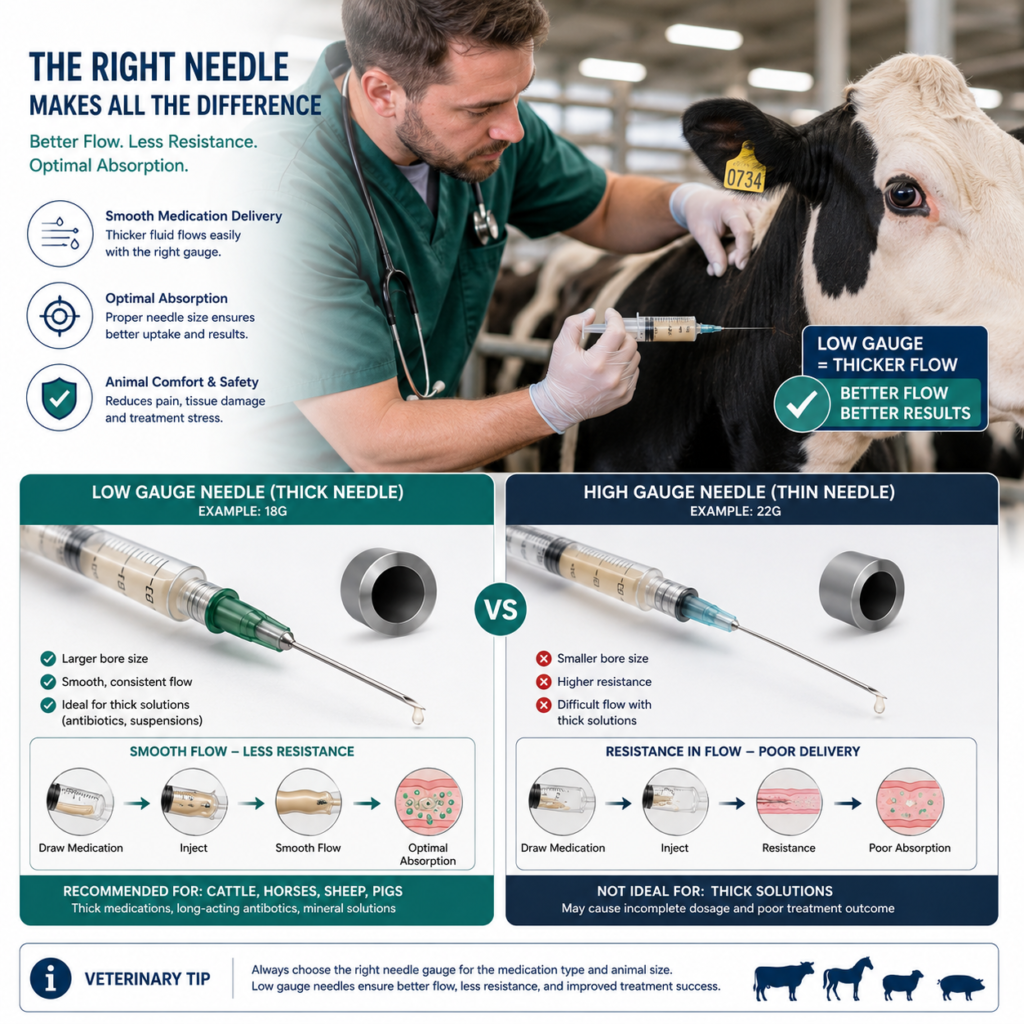
Selecting the correct gauge is a science that directly impacts the efficacy of the administered treatment. Thicker medications, such as certain antibiotics or vaccines, require a lower gauge (larger diameter) livestock injection needle to flow freely without excessive pressure. If the needle is too fine, the practitioner may have to push harder, causing the needle to wiggle and inflict pain, or the medication may not be delivered properly. Wholesale suppliers offer a range of gauges to ensure that the viscosity of the drug matches the delivery tool, thereby optimizing absorption rates and ensuring the animal receives the full therapeutic benefit of the treatment.
2.2 How Custom Needle Lengths Prevent Accidental Intra-Arterial Injection
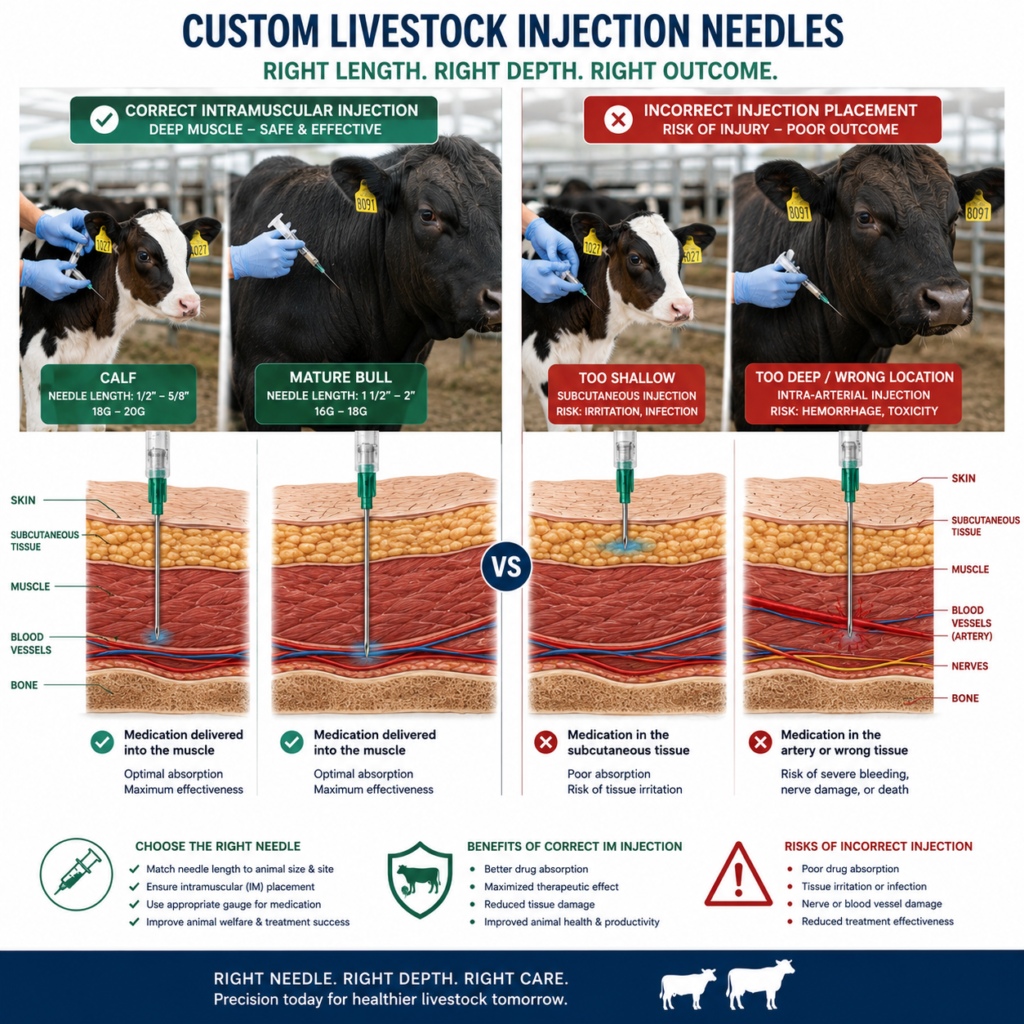
The depth of injection is as critical as the gauge, and using the wrong length can result in the medication being deposited into the wrong tissue layer. For instance, an intra-arterial injection can cause immediate and severe adverse reactions, while an intramuscular injection accidentally given subcutaneously may delay absorption. Custom livestock injection needles are available in various lengths specifically designed to reach the target muscle groups of different animal sizes, from calves to mature bulls. This precision prevents accidents, ensures drug efficacy, and minimizes the risk of tissue damage that can occur from hitting bone or nerves.
2.3 How High-Volume Wholesale Solutions Support Large-Scale Vaccination
Large-scale vaccination campaigns require logistical planning and a reliable inventory of medical supplies. Purchasing sterile veterinary injection needles through high-volume wholesale channels ensures that farms are never short of stock during critical health drives. Reliable suppliers provide consistent manufacturing batches, meaning the needles perform identically throughout a campaign, reducing the need for handlers to constantly adjust their technique. This consistency is vital for maintaining the rhythm of large operations, ensuring that thousands of animals are processed efficiently and safely within a tight timeframe.
2.4 How Needle Design Innovations Reduce Operator Fatigue
The ergonomics of the needle and its interface with the syringe play a surprising role in operator efficiency. Long hours of vaccinating livestock can lead to hand fatigue and repetitive strain injuries for veterinary staff. New designs in veterinary needles feature improved hub constructions that facilitate easier attachment and detachment from syringes, as well as thinner walls that allow for smoother injection with less thumb pressure. By sourcing these ergonomically enhanced products, farm managers can protect their workforce, reduce downtime due to injury, and maintain a steady pace of operations throughout the day.
3. Which Customization Features Drive Value for Veterinary Practices
In the competitive landscape of veterinary supply, customization is the key to differentiating a practice and optimizing specific treatment protocols. Standard veterinary needles serve general purposes, but the ability to customize aspects such as needle length, bevel type, and hub color allows for a more tailored approach to animal care. For instance, color-coded hubs allow for instant identification of needle sizes in fast-paced clinical environments, reducing the risk of selecting the wrong instrument during a procedure. As we look toward 2026, the demand for such specialized features is growing, with B2B partners seeking suppliers who can offer flexible manufacturing to meet these specific clinical needs.
The bevel design of a needle is a critical customization feature that significantly influences patient comfort. A triple-bevel needle, for example, cuts through skin more cleanly than a standard bevel, reducing the force required for penetration and minimizing pain. Veterinary practices that specialize in sensitive procedures, such as oncology or geriatric care, often prioritize these specialized sterile veterinary injection needles to provide a higher level of comfort. By communicating these needs to wholesale manufacturers, clinics can secure a product line that aligns perfectly with their brand promise of gentle and compassionate care, thereby enhancing client satisfaction.
Packaging customization is another area that adds immense value, particularly for wholesale buyers managing large inventories. Custom peel packs that are easy to open with one hand, or boxes designed for efficient dispensing, can streamline the workflow in a busy clinic. Furthermore, branding opportunities on packaging allow distributors and large chains to reinforce their market presence. When ordering veterinary needles in bulk, the ability to specify packaging requirements helps in organizing inventory, reducing waste, and ensuring that the products are always readily accessible when needed, thereby contributing to a more efficient operational model.
Sustainability is becoming a driving force in product selection, and customization now extends to the materials used in needle manufacturing. While the function cannot be compromised, the 2025 market trends show a rising interest in eco-friendly hub materials and minimal-waste packaging solutions. Veterinary practices looking to appeal to environmentally conscious clients are seeking veterinary needles that maintain high sterility standards while reducing their environmental footprint. Manufacturers that offer these customizable green alternatives are providing a valuable service to forward-thinking clinics, helping them meet their corporate social responsibility goals without compromising on patient safety.
3.1 Which Hub Designs Enhance Usability for Veterinarians
The interface between the needle and the syringe is crucial for a secure connection. Different syringe types require specific hub configurations, such as Luer lock or slip-tip. Customizing veterinary needles to fit perfectly with the specific syringes used in a practice prevents the needle from detaching during injection—a dangerous scenario that can lead to injury or inaccurate dosing. By analyzing the specific equipment used by the veterinary team, wholesale buyers can select the appropriate hub designs, ensuring a seamless and safe administration process that enhances the overall efficiency of the medical team.
3.2 Which Bevel Types Are Best for Specific Injection Routes
Not all injections are the same; intradermal, subcutaneous, and intramuscular routes require different approaches. The bevel of the needle determines how it penetrates the tissue and how the fluid is dispensed. For example, a short bevel is often preferred for intradermal injections to ensure the medication is deposited just under the skin surface. Sourcing sterile veterinary injection needles with the correct bevel type for the specific procedures performed frequently ensures that the veterinarian can work with maximum precision, reducing the need for repeated attempts and minimizing discomfort for the patient.
3.3 Which Packaging Solutions Best Suit Wholesale Distribution Requirements
For wholesale distributors and large veterinary networks, packaging is more than just a container; it is a logistics tool. Bulk packs that contain hundreds of needles in a single sterile container are often preferred for high-volume environments like spay-neuter clinics or shelters. Conversely, individual blister packs are essential for ambulatory veterinarians who need to maintain sterility while traveling. Understanding the specific distribution requirements allows businesses to order veterinary needles in packaging that maximizes shelf life, minimizes storage space, and reduces the environmental impact of excess packaging materials.
3.4 Which Material Coatings Improve Needle Performance
Advanced manufacturing has introduced coatings that can further enhance the performance of a needle. Silicone coatings, for instance, reduce friction, allowing the needle to glide through tissue with even less resistance than a polished steel needle. This is particularly beneficial when working with dense tissue in larger animals. While standard veterinary needles perform adequately, coated options offer a premium experience that can justify a higher price point for specialized practices. As technology advances into 2026, we can expect to see more innovations in coatings that further reduce tissue drag and improve the overall injection experience.
4. How Strategic Sourcing of Veterinary Needles Ensures Long-Term Success
The process of sourcing veterinary needles is a strategic component of business management for clinics, farms, and distributors alike. Relying on a fragmented supply chain can lead to shortages and inconsistencies that disrupt care. Establishing a direct relationship with a manufacturer or a specialized wholesaler ensures a steady supply of essential products. 2025 market analysis highlights that businesses with diversified yet consolidated sourcing strategies are more resilient to global supply chain disruptions. By securing contracts with reliable suppliers, veterinary businesses ensure that they are always equipped to provide uninterrupted care, regardless of external market fluctuations.
Cost management is a perennial concern in the veterinary sector, and strategic sourcing of sterile veterinary injection needles offers a pathway to financial stability. While the unit price is a major factor, the total cost of ownership includes factors like wastage rates, efficiency of use, and patient outcomes. Buying cheaper, lower-quality needles often leads to higher breakage rates and injection complications, increasing long-term costs. Conversely, sourcing high-quality needles at a negotiated wholesale rate balances quality with cost-effectiveness, ensuring that the business protects its margins while upholding high standards of animal care.
Quality assurance is a critical aspect of strategic sourcing that cannot be overlooked. When procuring livestock injection needles or smaller gauge needles for companion animals, buyers must insist on suppliers who adhere to ISO certification and rigorous quality control testing. This is especially important as regulatory bodies increase scrutiny on medical devices. By partnering with manufacturers who provide transparency regarding their testing protocols and material sourcing, veterinary businesses protect themselves from legal risks and ensure that the products they use are safe, effective, and consistent with international standards.
Looking ahead to 2026, the ability to innovate will define market leaders. Strategic sourcing involves partnering with manufacturers who are investing in R&D and are at the forefront of needle technology. Whether it is needles designed for new drug delivery systems or improved safety mechanisms to prevent needlestick injuries, being an early adopter of these innovations provides a competitive edge. By integrating advanced veterinary needles into their practice, businesses position themselves as leaders in the field, attracting clients who are looking for the most advanced and safe treatment options for their animals.
4.1 How Partnering with Manufacturers Facilitates Custom Development
A close partnership with a needle manufacturer opens the door to custom product development that addresses specific market gaps. For example, a distributor might identify a need for a specific veterinary needle length that is currently unavailable in the market. By working directly with the factory, they can commission a custom run to fill this gap, creating a unique product offering. This collaborative approach allows B2B buyers to move beyond being mere resellers to becoming product innovators, strengthening their brand and creating deeper value for their customers.
4.2 How Cost-Effective Bulk Procurement Improves Margin Structures
Bulk procurement is a straightforward financial lever that significantly improves margin structures. By consolidating orders for veterinary needles and predicting usage over a quarter or year, buyers can negotiate substantial discounts. This volume-based pricing strategy frees up capital that can be reinvested into other areas of the practice or farm, such as facility upgrades or staff training. In the economic landscape of 2025, where operational efficiency is paramount, smart procurement strategies are essential for maintaining profitability and business growth.
4.3 How Compliance with International Standards Safeguards Your Business
Navigating the complex web of medical device regulations is a challenge that requires vigilant sourcing strategies. Sterile veterinary injection needles are classified as medical devices and must meet specific standards depending on the region of use. Sourcing from suppliers who understand and comply with these international standards—such as FDA regulations in the US or CE marking in Europe—safeguards the business from compliance violations. This due diligence is crucial for B2B entities who distribute globally, ensuring that their product portfolio remains viable and legal across different markets.
4.4 How Reliable Supply Chains Mitigate Risk During Health Crises
The global health crises of recent years have taught the industry the value of a resilient supply chain. Sudden surges in demand for livestock injection needles during disease outbreaks can deplete stocks rapidly, leaving businesses vulnerable. Strategic sourcing involves maintaining relationships with multiple suppliers or choosing manufacturers with diversified production capabilities. This redundancy ensures that during critical times, such as a foot-and-mouth disease scare or a global pandemic, the supply of essential needles remains uninterrupted, allowing businesses to continue their vital work without interruption.
Conclusion
Selecting the right veterinary needles is a multifaceted decision that impacts animal comfort, operational efficiency, and business profitability. From the sharpness of the tip to the sterility of the packaging, every detail matters in delivering high-quality care. As the industry moves towards 2026, the integration of customization and strategic wholesale sourcing will become increasingly vital for B2B success. By prioritizing quality and precision, veterinary professionals and livestock managers can ensure superior patient outcomes while optimizing their operations.
Frequently Asked Questions
1. What are the primary benefits of purchasing veterinary needles in bulk?
Purchasing veterinary needles in bulk offers significant cost savings through volume discounts, allowing clinics and farms to lower their per-unit cost. Beyond financial advantages, bulk procurement ensures inventory consistency, meaning your practice always has the specific gauge and length required for daily operations without the risk of stockouts. Furthermore, establishing a bulk purchasing relationship with a wholesaler often guarantees priority status during supply chain disruptions, ensuring your operations remain uninterrupted.
2. Why are sterile veterinary injection needles critical for infection control?
Sterile veterinary injection needles are the first line of defense against iatrogenic infections, which can occur when pathogens are introduced during an injection. Using non-sterile or compromised equipment can lead to severe local tissue infections, such as abscesses, or systemic blood-borne diseases that threaten herd health or the life of a companion animal. Ensuring every needle is individually packaged and sterilized to regulatory standards is essential for maintaining biosecurity and upholding the duty of care required in professional veterinary practice.
3. How do I determine the correct gauge for different animal sizes and medications?
The gauge of a needle refers to its diameter; lower numbers indicate thicker needles, while higher numbers indicate thinner ones. Thick, viscous medications typically require a lower gauge (larger bore) veterinary needle to allow the fluid to flow smoothly without excessive pressure. Conversely, for small animals or thin, watery solutions, a higher gauge (thinner needle) is preferred to minimize pain. Selecting the correct balance ensures the medication is delivered effectively while maximizing patient comfort.
4. What customization options are available for wholesale veterinary needle orders?
Wholesale buyers can often customize their orders to fit specific clinical or operational needs, including selecting precise needle lengths, hub colors for size identification, and bevel types (such as triple-bevel for sharper penetration). Many manufacturers also offer bespoke packaging solutions, such as bulk sterile packs for high-volume spay/neuter clinics or individual peel packs for ambulatory veterinarians. Additionally, distributors can explore branding opportunities to place their logo on packaging, enhancing their market presence.
5. Does purchasing veterinary needles in bulk compromise on quality?
No, purchasing in bulk does not require a compromise on quality when sourcing from reputable manufacturers. Leading suppliers maintain strict quality control standards across all production volumes, ensuring that every veterinary needle possesses the same sharpness and structural integrity as individually purchased units. In fact, 2025 market trends emphasize “quality-at-scale,” where suppliers leverage advanced manufacturing to deliver consistent, high-performance products specifically for large-volume B2B clients.
6. How do livestock injection needles impact farm productivity and profitability?
High-quality livestock injection needles directly impact profitability by reducing injection-site lesions and tissue damage, which can downgrade carcass quality at processing. Furthermore, using sharp, appropriate needles minimizes stress levels in the herd; stress is known to suppress immune function and growth rates in livestock. By investing in superior needles that ensure quick, painless, and accurate administration of vaccines and treatments, farmers can improve animal health outcomes and maximize the yield of their operations.
7. How does needle sharpness influence animal behavior and handler safety?
A sharp veterinary needle creates a clean, swift puncture that minimizes pain receptors’ firing, keeping the animal calm during the procedure. Conversely, a dull needle can cause significant discomfort, leading to sudden movement, kicking, or bolting, which puts handlers at risk of injury. Ensuring needles are sharp and changed regularly is a simple yet effective safety protocol that protects both the veterinary staff and the animals from unnecessary stress and physical harm.
8. What international standards should I look for when sourcing sterile veterinary injection needles?
When sourcing sterile veterinary injection needles, it is crucial to verify that the products comply with international standards such as ISO 7864 (which covers sterile hypodermic needles for single use) and ISO 13485 (quality management for medical devices). Depending on your region, compliance with FDA regulations in the US or CE marking in Europe is mandatory. Adhering to these standards ensures that the needles are manufactured using safe materials, are properly sterilized, and function reliably for clinical use.
9. What are the key trends in veterinary needle manufacturing for 2025 and 2026?
The industry is moving toward enhanced sustainability with the development of eco-friendly hub materials and reduced packaging waste. Additionally, there is a growing focus on compatibility with automated injection systems used in large-scale livestock operations, requiring more durable veterinary needles. Market insights for 2026 also predict a rise in “smart” packaging that allows for better inventory tracking and usage analytics, helping B2B clients manage their supply chains more effectively.
10. How can partnering with a specialized manufacturer benefit my veterinary business?
Partnering with a specialized manufacturer allows for direct access to R&D innovations, enabling your business to offer the latest in injection technology before the general market. These partnerships facilitate the development of custom solutions tailored to your specific client base, whether that involves unique needle lengths for exotic animals or specific coatings for reduced friction. Ultimately, a strong manufacturer relationship ensures a reliable supply chain, consistent product quality, and the ability to scale your business operations efficiently.