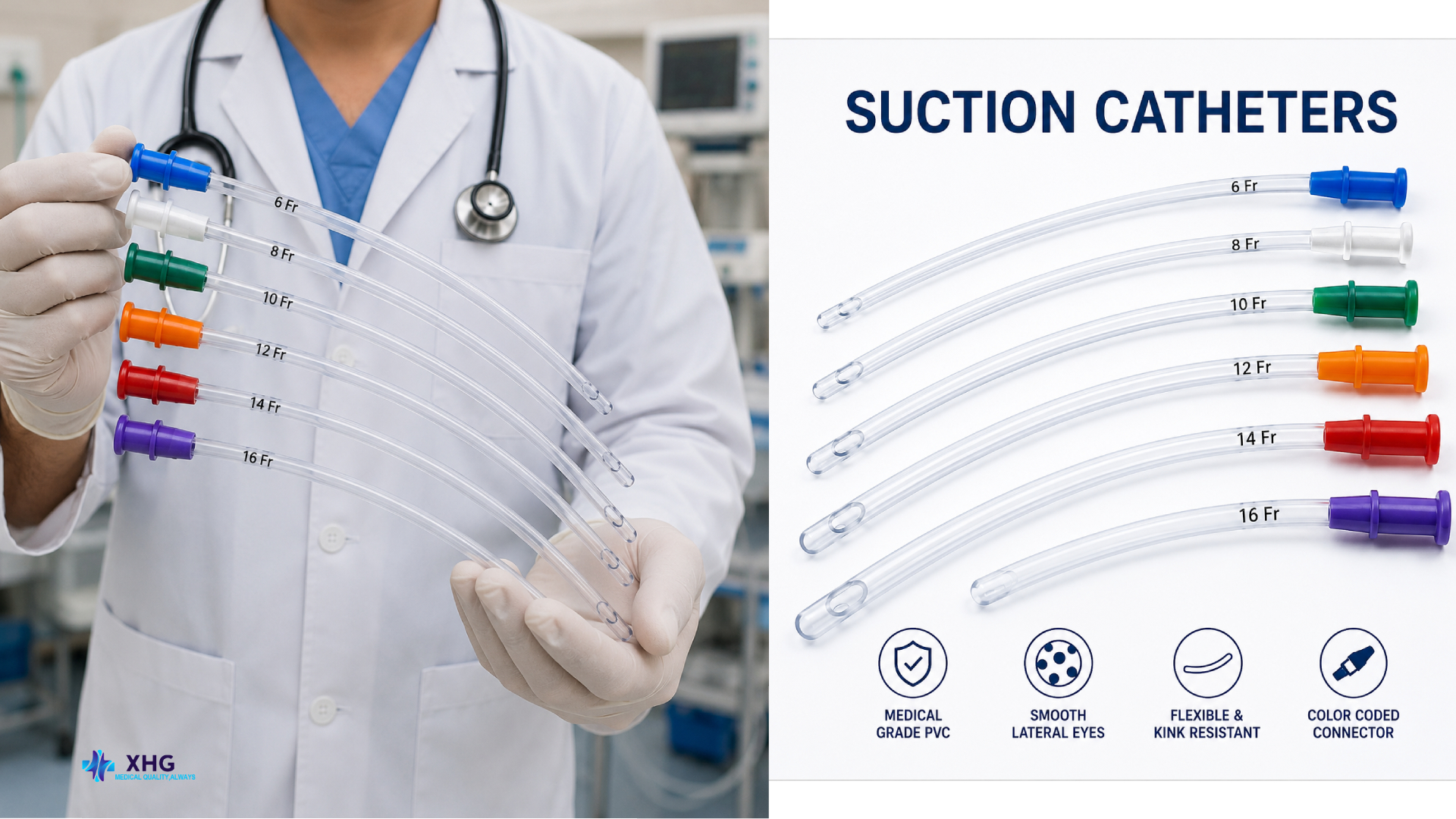
The landscape of modern healthcare is continuously evolving, placing unprecedented demands on medical suppliers and healthcare providers to ensure patient safety while maintaining operational efficiency. Among the most essential tools in respiratory care and emergency medicine is the suction catheter, a device designed to remove secretions from a patient’s airway. As the global healthcare infrastructure expands, the demand for high-quality, reliable suction catheters has surged, driven by an aging population and the increasing prevalence of respiratory conditions. For wholesale buyers and procurement managers, understanding the nuances of these devices is not merely a matter of inventory management but a critical component of patient outcome strategies.
The market for medical consumables is shifting significantly, with a strong emphasis on sterility, single-use usage, and cost-effectiveness through bulk procurement. Healthcare facilities are no longer looking for the cheapest option; they are seeking value-driven solutions that reduce the risk of Hospital-Acquired Infections (HAIs) and streamline clinical workflows. This focus has elevated the importance of sterile suction catheters and disposable suction catheters as primary targets for bulk purchasing agreements. Suppliers who can guarantee consistent quality, regulatory compliance, and logistical reliability are positioning themselves as preferred partners in the global medical supply chain.
Furthermore, the role of customization in this sector cannot be overstated. Manufacturers are increasingly offering tailored solutions to meet the specific needs of different medical departments, from neonatal care to advanced surgical theaters. This trend towards bespoke medical devices allows distributors to offer unique value propositions to their clients, fostering stronger business relationships. By understanding the specific applications and benefits of various catheter types, wholesalers can better advise their customers, ensuring that the right product is matched with the right clinical requirement, thereby enhancing patient care and optimizing inventory turnover.
Looking ahead, the intersection of technological advancement and stringent safety standards is reshaping the procurement landscape for suction devices. As we move through 2025 and into 2026, industry projections indicate a robust compound annual growth rate for the suction catheter market, fueled by innovations in material science and automated manufacturing. This article delves into the critical benefits, applications, and guidelines for suction catheters, providing a comprehensive roadmap for wholesale buyers and medical institutions aiming to navigate this complex and vital market segment.
1. The Critical Role of Suction Catheters in Patient Care
1.1 Why Patient Safety Depends on High-Quality Suction Catheters
Patient safety remains the paramount concern within any healthcare setting, and the quality of airway management tools directly correlates to clinical outcomes. High-quality suction catheters are engineered to minimize trauma to the mucosal lining during the removal of secretions, a critical factor in preventing complications such as bleeding or infection. Inferior products often lack the necessary smoothness or flexibility, leading to patient discomfort and potential iatrogenic injuries. For wholesale buyers, ensuring that the inventory consists of medical-grade, kink-resistant tubing is essential for maintaining the trust of healthcare providers who rely on these devices during life-saving interventions.

The reliability of suction catheters becomes particularly evident in emergency scenarios where every second counts. In cases of sudden respiratory distress or during surgical procedures, the ability to quickly and effectively clear an airway can be the difference between life and death. Devices that fail due to structural defects or poor vacuum generation can lead to catastrophic outcomes. Consequently, hospitals and clinics prioritize suppliers who adhere to rigorous quality control measures, viewing the procurement of these devices as a critical investment in patient safety protocols rather than a simple commodity purchase.
Moreover, the design architecture of modern suction catheters incorporates features specifically aimed at enhancing safety, such as eyelets that are smooth and deburred to prevent tissue damage. Wholesale suppliers must recognize that these design nuances are significant selling points. By stocking products that highlight these safety features, distributors can cater to risk-averse purchasing managers who are under constant pressure to reduce liability and enhance the standard of care provided within their facilities.
Recent 2025 data suggests that facilities utilizing premium-grade suction devices report lower rates of post-procedural respiratory complications compared to those utilizing standard-grade alternatives. This statistical insight is driving a shift in procurement strategies, with buyers willing to invest in higher-quality stock to ensure better patient prognoses. For the wholesale market, this means that marketing the safety aspects and superior engineering of suction catheters is no longer optional but a necessary strategy to align with the evolving priorities of the healthcare sector.
1.2 Why Healthcare Facilities Prioritize Sterility in Suction Catheters
The prevention of cross-contamination is a central pillar of modern infection control, making the sterility of suction devices a non-negotiable requirement. Introducing a non-sterile device into a patient’s airway provides a direct pathway for pathogens, leading to severe respiratory infections such as ventilator-associated pneumonia (VAP). Healthcare facilities are increasingly vigilant about this risk, mandating that all suction catheters, particularly those used in critical care and operating rooms, must be individually packaged and sterilized. This focus on sterility protects vulnerable patient populations, including those who are immunocompromised or undergoing intensive care.
Sterile suction catheters serve as a frontline defense against the spread of multi-drug resistant organisms (MDROs), which are a growing concern in hospitals worldwide. The strict adherence to sterilization protocols during the manufacturing process ensures that each catheter is free from bacterial, fungal, and viral contaminants. For distributors, the ability to provide certification of sterilization, such as EO gas or radiation sterilization logs, is a crucial component of the sales process. Buyers are not just purchasing a product; they are purchasing the assurance that the product meets the highest hygienic standards required for invasive procedures.
The economic implications of Hospital-Acquired Infections (HAIs) also drive the demand for sterile products. Infections resulting from contaminated medical equipment significantly extend hospital stays and increase treatment costs, imposing a heavy financial burden on healthcare systems. By utilizing guaranteed sterile suction catheters, hospitals can mitigate these risks, ultimately saving money despite the potentially higher upfront cost of single-use sterile devices. Wholesale buyers must communicate this cost-benefit analysis to their clients, emphasizing that investing in sterility is a financially prudent decision that reduces long-term liabilities.
Industry trends observed in 2025 indicate a tightening of regulatory standards regarding medical device sterility globally. Compliance with these evolving standards is mandatory for market access. Manufacturers and wholesalers who stay ahead of these regulatory curves by offering products that exceed minimum sterility requirements will find themselves better positioned in the market. This regulatory environment reinforces the necessity for sterile suction catheters in every inventory, solidifying their status as a staple in safe medical practice.
1.3 Why Disposable Suction Catheters Are Becoming the Industry Standard
The transition from reusable to disposable medical devices has been driven by the overwhelming evidence supporting infection control and operational efficiency. Disposable suction catheters eliminate the need for complex and often unreliable reprocessing protocols, removing the risk of residual contamination from previous uses. In a fast-paced hospital environment, the convenience of grabbing a sterile, single-use device allows staff to focus entirely on patient care rather than cleaning and verification procedures. This shift towards disposability is reshaping the wholesale demand, with orders for reusable variants dwindling significantly.
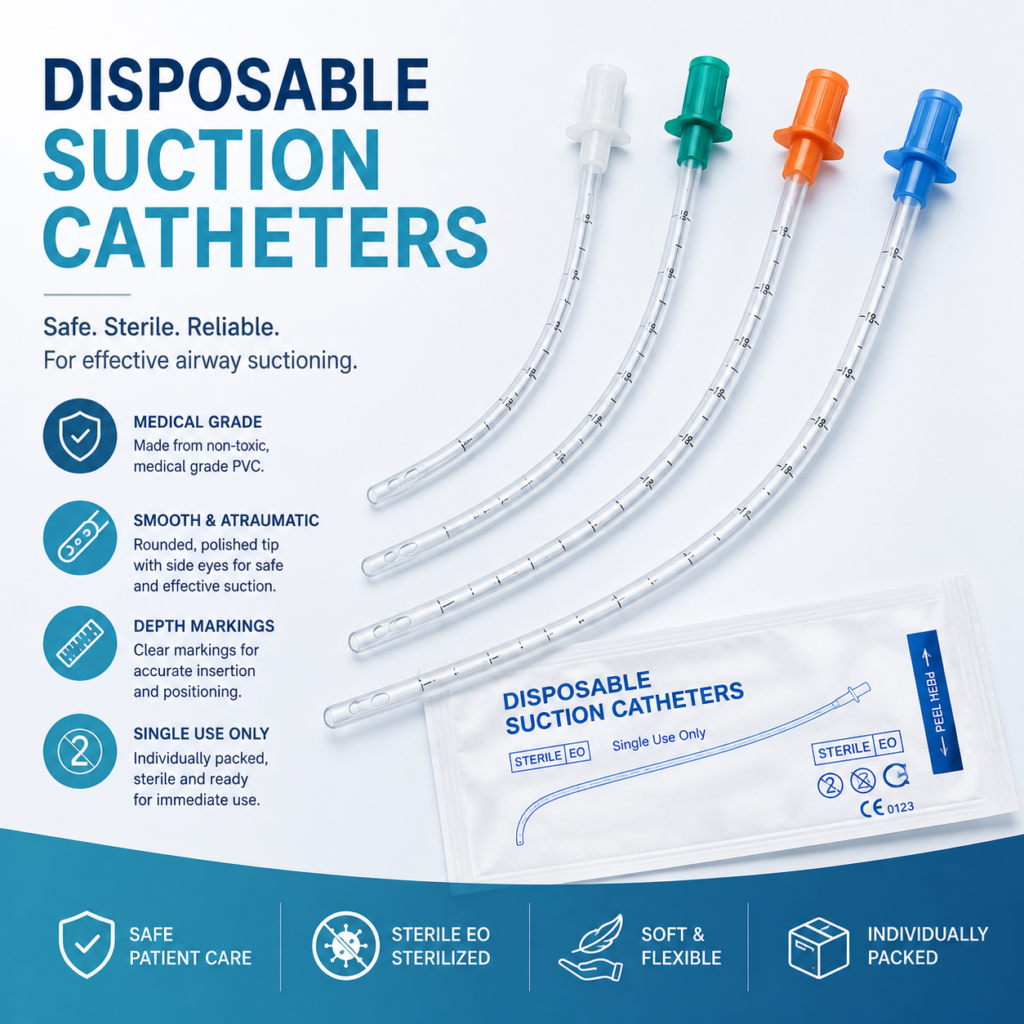
Cost analysis plays a pivotal role in the adoption of disposable suction catheters. While the recurring cost of purchasing single-use items might appear higher initially, the hidden costs of reprocessing— including labor, detergents, sterilization equipment maintenance, and quality control checks— are substantial. When these factors are accounted for, disposable models often present a more economical solution for large healthcare facilities. Wholesale suppliers can leverage this data to demonstrate the long-term savings and operational streamlining benefits of switching to disposable product lines for their bulk clients.
Furthermore, the environmental narrative surrounding disposable plastics is being countered by advancements in biodegradable materials and eco-friendly manufacturing processes. Manufacturers are now producing disposable suction catheters using PVC materials that are safer for the environment without compromising clinical performance. This innovation addresses the ecological concerns of sustainability-focused healthcare systems, allowing them to maintain high hygiene standards without compromising their green initiatives. As we move into 2026, the availability of “greener” disposable options is expected to drive further market penetration.
The reliability of performance is another key factor driving the standardization of disposable variants. Reusable catheters can degrade over time, becoming brittle or losing flexibility with repeated sterilization cycles. In contrast, disposable suction catheters guarantee consistent performance every time, as each unit is fresh from the factory. This consistency is vital for clinical procedures where predictability is key. For wholesalers, stocking a range of high-quality disposable options ensures alignment with the industry’s move toward standardization, ensuring their catalog remains relevant and competitive.
2. Wholesale and Customization Trends for 2026
2.1 How Bulk Procurement of Suction Catheters Reduces Operational Costs
Bulk procurement strategies are fundamental to financial sustainability in the healthcare sector, particularly for high-turnover consumables like suction catheters. By leveraging economies of scale, healthcare systems can negotiate significantly lower unit prices, freeing up budgetary resources for other critical areas. Wholesale distributors play a crucial role in this ecosystem by offering tiered pricing structures that incentivize large-volume orders. This dynamic allows hospitals to maintain a deep inventory of essential supplies, ensuring they are prepared for demand surges without incurring excessive costs.
The logistical efficiency associated with bulk purchasing cannot be overlooked. Consolidating orders for suction catheters reduces the frequency of deliveries, thereby lowering shipping and handling costs. It also simplifies the inventory management process, as receiving larger, less frequent shipments requires less administrative overhead compared to managing a constant trickle of small orders. For medical institutions operating on thin margins, these operational efficiencies translate into direct cost savings. Wholesalers who provide robust inventory management support and reliable delivery schedules become indispensable partners to their clients.
Furthermore, bulk procurement provides a hedge against supply chain disruptions, a lesson starkly learned during recent global crises. By maintaining a strategic reserve of essential medical devices, facilities can navigate temporary shortages or manufacturing delays without compromising patient care. In 2025, market analysis highlighted that facilities with robust bulk purchasing agreements faced fewer critical shortages during supply chain bottlenecks. As we look toward 2026, securing reliable, high-volume supply chains for disposable suction catheters is viewed as a risk management imperative as much as a cost-saving measure.
The financial benefits of bulk buying extend beyond the unit price to include favorable payment terms and contract stability. Wholesalers often offer extended payment terms or consignment models to high-volume buyers, improving cash flow for healthcare providers. These financial arrangements strengthen the buyer-supplier relationship, creating a stable market environment. For the wholesale distributor, securing long-term contracts for bulk suction catheter supply ensures predictable revenue streams and allows for more accurate production planning and raw material sourcing.
2.2 How Customization Enhances Clinical Efficiency for Suction Catheters
The era of “one-size-fits-all” medical supplies is yielding to a demand for specialized solutions that address specific clinical challenges. Customization in suction catheters can range from variations in length and diameter (French size) to specific tip configurations designed for different patient anatomies. For instance, pediatric units require significantly smaller, softer catheters compared to emergency trauma centers. Wholesalers that offer a diverse, customizable portfolio enable healthcare providers to procure the exact tools needed for their specific patient demographics, thereby enhancing clinical efficiency and patient comfort.
Custom branding and packaging options also present a significant opportunity for healthcare systems and large distributor networks. Private-label suction catheters allow hospitals to reinforce their brand identity and streamline inventory recognition among staff. For wholesalers, offering custom printing services on catheter packaging—such as color-coding for size identification—adds value to the product. This level of customization reduces the likelihood of medical errors caused by grabbing the wrong size, thereby improving patient safety standards and operational workflow simultaneously.
Technological integration is another frontier in customization. Advanced catheters now feature features like radiopaque stripes for X-ray visibility or specialized coatings that reduce friction during insertion. By stocking these specialized variants, wholesalers cater to high-end medical facilities that require advanced technical specifications for complex procedures. The ability to source and supply these custom-engineered devices differentiates a wholesale distributor from a basic commodity supplier, positioning them as a strategic partner in advanced medical care.
Looking towards 2026, the trend of customization is expected to deepen with the rise of data-driven procurement. Manufacturers are increasingly using data from healthcare providers to design catheters that better suit specific clinical workflows. For example, suction catheters designed for compatibility with specific portable suction units are becoming more prevalent. Wholesalers who maintain close communication channels between manufacturers and end-users can facilitate this bespoke innovation, ensuring their product inventory evolves in tandem with clinical advancements.
2.3 How Global Supply Chains Are Adapting to Suction Catheter Demand
The global supply chain for medical devices has undergone a radical transformation, prioritizing resilience and agility over pure cost minimization. For suction catheters, this means diversifying manufacturing bases to prevent region-specific disruptions from halting global supply. Leading wholesalers are establishing relationships with manufacturers across multiple geographies to ensure a steady flow of sterile suction catheters regardless of local geopolitical or environmental challenges. This diversification strategy is crucial for meeting the consistent demand required by healthcare contracts.
Technological integration in logistics is enhancing the traceability and transparency of suction catheter shipments. Advanced tracking systems and blockchain technology are being employed to monitor the integrity of sterile packaging throughout the transit process. This ensures that products are not compromised by environmental factors such as heat or humidity before they reach the warehouse. For wholesale buyers, providing this level of shipment assurance builds trust, as clients can be confident that the sterility of the disposable suction catheters has been maintained from the factory floor to the loading dock.
Strategic warehousing is another key adaptation, with distributors moving towards just-in-time delivery models supported by localized stockpiles. Instead of relying solely on centralized manufacturing hubs, wholesalers are establishing regional distribution centers stocked with high-demand items like suction catheters. This geographical proximity to end-users drastically reduces delivery times, allowing healthcare providers to operate with lower on-site inventory levels while reducing the risk of stockouts. This logistical agility is becoming a competitive differentiator in the wholesale medical market.
Furthermore, regulatory harmonization efforts are simplifying the cross-border trade of medical devices. As standards for devices like suction catheters align across major markets (such as the FDA, MDR, and ISO standards), the friction of international trade decreases. This allows wholesalers to source the best products from global manufacturers more easily, passing the benefits of quality and cost-efficiency on to their customers. By 2026, a more interconnected and compliant supply chain is expected to stabilize the market, ensuring that the demand for these essential medical devices is met with unprecedented efficiency.
3. Selecting the Right Products for Your Business
3.1 Which Specifications Matter Most in Sterile Suction Catheters
When selecting sterile suction catheters for wholesale distribution, several key specifications determine the product’s usability and market acceptance. The material composition is paramount; medical-grade PVC is the industry standard due to its clarity, flexibility, and cost-effectiveness. However, the specific formulation matters—options that are DEHP-free are increasingly preferred due to health concerns surrounding plasticizers. Wholesalers must ensure that their product lines align with these health safety standards to remain viable in markets with strict chemical safety regulations.
The French size (Fr) and length of the catheter are critical specifications that must be varied to cater to different medical applications. A comprehensive wholesale catalog should include a range of sizes, typically from 5Fr for neonatal use to 14Fr or larger for adult tracheostomy care. Additionally, the length of the catheter must be appropriate for its intended use, whether for oral or deep endotracheal suctioning. Providing a detailed specification matrix helps buyers quickly identify the right product for their specific clinical needs, reducing the complexity of the procurement process.
The configuration of the suction control vent is another vital consideration. Some catheters feature a “control port” or “thumb port” that allows the clinician to regulate suction by covering or uncovering a hole, while others are designed for continuous suction. Open-tipped versus closed-tipped (whistle-tip) designs also affect the performance of the catheter; closed tips are generally preferred to prevent trauma to the tracheal mucosa. A knowledgeable wholesaler will stock a mix of these configurations, understanding that different hospital protocols may dictate different usage preferences.
Finally, the packaging specifications are essential for maintaining sterility and ensuring ease of use. Peel-packs that allow for aseptic presentation are standard, but the addition of rigid plastic trays or sterile fields can be a value-add for certain procedures. Connectors, such as the universal funnel connector or specific tapered ends, must also be compatible with standard suction tubing used in hospitals. Ensuring seamless compatibility across the suctioning system is a key service that wholesalers provide, acting as a filter to ensure only technically compatible products reach the market.
3.2 Which Material Choices Provide the Best Value for Disposable Suction Catheters
Value in the context of disposable suction catheters is a balance between clinical performance, patient safety, and cost-effectiveness. Polyvinyl Chloride (PVC) remains the dominant material due to its excellent balance of flexibility and structural integrity, allowing for smooth navigation of the airway without collapsing under vacuum pressure. For wholesalers, sourcing PVC catheters from reputable manufacturers ensures that the material does not become brittle over time, a common issue with lower-quality formulations that can lead to breakage and patient safety risks.
Thermoplastic Elastomers (TPE) are emerging as a premium alternative, offering a softer feel that can enhance patient comfort during insertion. While TPE suction catheters may come at a higher price point, they represent a growing segment of the market focused on patient-centric care. They also offer environmental advantages as they can potentially be formulated to be more recyclable than standard PVC. Wholesalers looking to capture the premium end of the market should consider incorporating TPE options into their inventory to attract high-value buyers focused on patient experience.
Radiopacity is another material characteristic that adds significant value, particularly in critical care settings. Catheters infused with a barium sulfate strip are visible under X-ray imaging, allowing clinicians to confirm the placement of the device. This feature is indispensable in ICUs and emergency departments where precise placement is critical. While adding a radiopaque strip increases manufacturing costs slightly, the clinical utility it provides makes these devices highly sought after. Stocking radiopaque suction catheters demonstrates a wholesaler’s understanding of advanced clinical requirements.
Color-coding within the material is a practical feature that enhances operational efficiency. Manufacturers often embed color coding directly into the PVC material to denote the French size rapidly. This simple visual cue helps nurses and respiratory therapists select the correct size instantly, reducing the risk of error and speeding up procedures. For wholesalers, promoting these “user-friendly” material features can be a strong selling point, as they address the practical workflow challenges faced by healthcare professionals daily.
3.3 Which Certifications and Compliance Standards Are Essential for Buyers
Navigating the regulatory landscape is a critical aspect of sourcing and distributing suction catheters. For the global market, CE marking in Europe and FDA clearance in the United States are the baseline certifications that signify a product’s safety and efficacy. Wholesalers must rigorously verify that their manufacturers hold these valid certifications and that the specific SKUs they are stocking are covered under these approvals. Failure to comply with these regional standards can result in product seizures, legal liability, and a ban on selling to legitimate healthcare institutions.
ISO 13485 certification is the internationally recognized quality management system standard specifically for medical device manufacturers. Sourcing from factories that are ISO 13485 certified ensures that the manufacturer has a consistent quality control process in place, from raw material sourcing to final packaging. For wholesale buyers, this certification is a primary indicator of a reliable supplier. It assures the distributor that the sterile suction catheters they are purchasing will meet consistent quality standards batch after batch, which is vital for maintaining client trust.
Biocompatibility standards, such as ISO 10993, are also essential. This series of standards evaluates the potential risks associated with medical devices coming into contact with the body. Ensuring that disposable suction catheters have passed cytotoxicity, sensitization, and irritation tests is mandatory. Wholesalers should demand these test reports from their suppliers to prove that the materials used are safe for mucosal contact. This level of due diligence is increasingly becoming a requirement in tender processes and large-scale government contracts.
Looking toward 2026, regulatory bodies are placing greater emphasis on Unique Device Identification (UDI) and post-market surveillance. Compliance with UDI requirements ensures that each device can be tracked throughout the supply chain, enhancing recall management and anti-counterfeiting measures. Wholesalers must upgrade their inventory management systems to handle UDIs. By prioritizing suppliers who are already compliant with these forward-looking regulations, distributors can future-proof their business and ensure seamless integration with the evolving digital infrastructure of healthcare systems.
Conclusion
The role of suction catheters in modern healthcare extends far beyond simple fluid removal; they are vital instruments that safeguard airway patency and prevent life-threatening complications. As the industry progresses towards 2026, the emphasis on patient safety, infection control, and operational efficiency continues to drive the demand for high-quality sterile and disposable suction catheters. For healthcare providers, the choice of suction device is a critical decision that impacts patient outcomes directly, making the reliability of the supply chain paramount.
For wholesale buyers and distributors, this landscape presents a significant opportunity to add value through strategic procurement and customized product offerings. By understanding the specific clinical needs of their clients—ranging from material preferences to size specifications—wholesalers can position themselves as essential partners in the healthcare ecosystem. The shift towards bulk purchasing and the integration of advanced logistics technologies further underscores the need for strong, collaborative relationships between manufacturers and distributors.
The future of the suction catheter market is undoubtedly leaning towards enhanced customization and stringent quality assurance. As healthcare facilities strive to reduce costs without compromising on care, the demand for cost-effective, high-performance disposable solutions will remain robust. Wholesalers who can navigate the complex regulatory environment and offer a diverse, certified product portfolio will be best placed to capitalize on this growth.
To ensure your organization is equipped with the highest quality suction catheters that meet 2026 safety standards and customization needs, it is essential to partner with a reliable manufacturer. We invite procurement managers and distributors to explore our comprehensive range of sterile suction catheters and discover how our wholesale solutions can enhance your supply chain efficiency. Contact our sales team today to request a sample or discuss a customized bulk order tailored to your specific requirements.
Frequently Asked Questions
1. What are the primary medical applications for suction catheters?
Suction catheters are essential medical devices used to remove secretions, mucus, blood, vomit, or other foreign fluids from a patient’s airway. They are critical in maintaining a patent airway for patients who are unable to cough effectively, such as those undergoing surgery, those in intensive care units (ICUs), or individuals with neuromuscular disorders. They are routinely used in tracheostomy care, bronchial suctioning, and oral/pharyngeal suctioning to prevent aspiration pneumonia and improve respiratory function.
2. Why is it crucial to use sterile suction catheters?
Using sterile suction catheters is vital for preventing Hospital-Acquired Infections (HAIs), particularly pneumonia. Introducing a non-sterile catheter into the airway can transport bacteria directly into the lungs, leading to severe complications, especially in immunocompromised or ventilated patients. Sterility ensures that the device is free from pathogens, protecting patient safety and adhering to strict infection control protocols mandated by healthcare regulatory bodies.
3. What are the advantages of using disposable suction catheters over reusable ones?
Disposable suction catheters significantly reduce the risk of cross-contamination between patients because they are single-use and discarded immediately after the procedure. They eliminate the need for complex and costly reprocessing and sterilization protocols, saving healthcare facilities time and labor costs. Additionally, disposable options guarantee consistent performance and flexibility, as they do not degrade from repeated sterilization cycles like reusable alternatives might.
4. How do I choose the correct French size (Fr) for a suction catheter?
Choosing the correct size is critical for patient safety and effectiveness. The general rule for open suctioning is to select a catheter with an outer diameter that is approximately half the inner diameter of the patient’s endotracheal or tracheostomy tube. Using a catheter that is too large can obstruct the airway and cause hypoxia, while one that is too small may not effectively remove secretions. Common sizes range from 5Fr to 14Fr for adults, with smaller sizes available for pediatric and neonatal care.
5. What materials are high-quality suction catheters made from?
Most high-quality disposable suction catheters are made from medical-grade Polyvinyl Chloride (PVC) due to its clarity, flexibility, and cost-effectiveness. However, premium options may use Thermoplastic Elastomers (TPE), which are softer and more comfortable for the patient. It is also important to look for DEHP-free options to meet modern safety standards regarding plasticizer exposure. These materials are designed to be kink-resistant to ensure continuous suction during procedures.
6. What should wholesale buyers look for regarding customization options?
Wholesale buyers should look for manufacturers that offer a wide range of customization options to meet diverse clinical needs. This includes variations in length, French size, tip configuration (such as whistle-tip or Coude tip), and the addition of features like radiopaque strips for X-ray visibility. Customization also extends to packaging, such as color-coded sizes for easy identification and private-label branding opportunities, allowing distributors to build a unique product portfolio.
7. How does bulk procurement of suction catheters benefit healthcare facilities?
Bulk procurement allows healthcare facilities to leverage economies of scale, significantly reducing the per-unit cost of medical supplies. It ensures inventory consistency and creates a buffer against supply chain disruptions, which is crucial for emergency preparedness. Furthermore, large-volume orders often come with favorable payment terms and reduced shipping frequencies, streamlining administrative workflows and lowering overall operational expenses.
8. What certifications are essential when sourcing suction catheters?
When sourcing suction catheters, it is essential to ensure the products hold relevant regional certifications such as FDA clearance (USA), CE marking (Europe), and ISO 13485 certification for quality management systems. Compliance with biocompatibility standards like ISO 10993 is also critical to ensure the materials are safe for patient contact. These certifications verify that the products meet rigorous safety, quality, and performance standards required for medical use.
9. What is the difference between open and closed suction systems?
Open suction systems involve disconnecting the patient from the ventilator or oxygen source to insert the catheter, which requires pre-oxygenation and can cause a drop in oxygen saturation. Closed suction systems, on the other hand, allow for suctioning without disconnecting the patient from the ventilator, maintaining positive pressure and oxygen levels throughout the procedure. Closed systems are generally preferred for patients on high levels of PEEP or those requiring strict isolation to prevent contamination of the environment.
10. What are the market trends for suction catheters looking toward 2026?
Market trends leading into 2026 indicate a strong shift toward sustainability, with an increased demand for eco-friendly disposable materials that do not compromise performance. There is also a growing emphasis on “smart” inventory management and supply chain transparency, with buyers prioritizing suppliers who offer digital tracking and reliable logistics. Additionally, the market is seeing a rise in customized, specialized catheters designed for specific pediatric and neonatal applications to improve patient comfort and safety.