Diabetes management is a global healthcare priority, with millions relying on injectable insulin daily. For healthcare providers, clinics, pharmacies, and suppliers, knowing how to choose the right insulin syringe is essential in delivering safe, accurate, and effective care. Whether you are an insulin syringe distributor, purchasing diabetic syringe bulk, or part of a global diabetes supplies network, understanding syringe selection is vital to supporting patients worldwide. Know more..
Understanding the Importance of Proper Syringe Selection
Insulin syringes are not one-size-fits-all. Selecting the right syringe impacts:
- Accurate insulin dosing
- Minimizing pain and discomfort
- Reducing injection errors
- Supporting patient compliance and comfort
With the rising number of diabetes cases globally—over 537 million adults, according to the International Diabetes Federation—the role of global diabetes supplies is expanding. It is no longer enough to offer standard solutions; customized and regional-specific needs must be addressed.
Key Components of Insulin Syringes
Before choosing, it’s crucial to understand the components:
1. Barrel and Graduation Marks
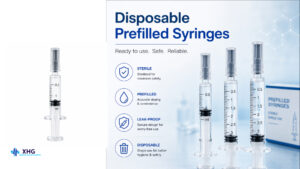
Barrels vary by insulin unit capacity. Common sizes include:
- 0.3 mL (30 units)
- 0.5 mL (50 units)
- 1.0 mL (100 units)
Choose depending on:
- Daily insulin dosage
- Patient dexterity and vision
- Pediatric vs. adult usage
2. Needle Length
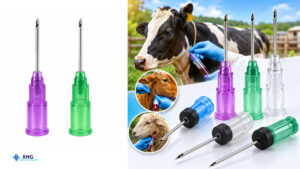
Typical options:
- 4mm to 12.7mm
Shorter needles are ideal for reducing pain and avoiding intramuscular injections, especially in children or lean adults.
3. Needle Gauge
Measured in “G” (higher G = thinner needle). Most common:
- 28G to 32G
Thinner needles are less painful but may bend more easily, impacting ease of injection.
Factors to Consider When Sourcing Insulin Syringes Globally
When sourcing from a diabetic syringe bulk supplier or becoming an insulin syringe distributor, consider:
1. Regulatory Compliance
Ensure products meet:
- ISO standards
- CE, FDA, or other regional certifications
Each region may have its own regulations. For example:
- EU: MDR-compliant
- USA: FDA 510(k) clearance
- Latin America: COFEPRIS, ANVISA approval
2. Customization for Market-Specific Needs
Different regions have unique preferences:
- Latin America: Thicker needles preferred
- Asia: Smaller barrel sizes for precision dosing
- Middle East: Preference for low dead-space syringes
3. Packaging and Branding
Offer customizable options such as:
- Private labeling
- Multi-language instructions
- Eco-friendly or tamper-proof packaging
Being part of the global diabetes supplies ecosystem means offering flexibility, especially for distributors and clinics sourcing syringes in large quantities.
The Benefits of Buying Diabetic Syringes in Bulk
Buying diabetic syringe bulk brings key advantages:
- Cost efficiency: Lower per-unit cost for healthcare facilities
- Inventory control: Reduced risk of stockouts
- Standardization: Easier training and consistency across care teams
For any insulin syringe distributor, purchasing in bulk also offers the opportunity to negotiate:
- Exclusive distribution contracts
- Custom product features
- Faster delivery timelines
What Distributors Should Look for in a Manufacturer
As a professional insulin syringe distributor, your reputation depends on your manufacturer. Here’s what to check:
1. Quality Assurance Systems
Look for:
- GMP-certified facilities
- Automated inspection systems
- Documented QC/QA processes
2. OEM/ODM Capabilities
Choose a manufacturer offering:
- Full product customization (needle length, color-coding, barrel design)
- Branding and artwork services
- Adaptability to country-specific norms
3. Global Shipping Experience
Choose partners who can:
- Handle customs and clearance for global diabetes supplies
- Offer flexible shipping solutions (DHL, air freight, sea freight)
- Maintain sterile conditions throughout the supply chain
Trends in Insulin Syringes: What Buyers Should Know
The diabetic care industry is evolving. Here are the latest syringe trends you should know about when sourcing:
1. Shorter, Painless Needles
Demand is rising for ultra-short and ultra-thin needles that offer:
- Less tissue damage
- Increased patient comfort
- Lower fear of injections
2. Smart Insulin Delivery Devices
Although pens and pumps are gaining traction, syringes remain vital, especially in:
- Low-resource areas
- Emergency settings
- Pediatric and geriatric care
Smart integrations like dose memory or barcode scanning are being tested with disposable syringes to bridge the digital divide.
3. Eco-Friendly Innovations
Eco-awareness is growing in global diabetes supplies. Trends include:
- Biodegradable syringes
- Recyclable packaging
- Reduced plastic usage
As a diabetic syringe bulk buyer, choosing greener options can help position your brand as a sustainability leader.
How to Match Syringe Size to Patient Needs
A core responsibility of any insulin syringe distributor or healthcare provider is ensuring the right syringe reaches the right user.
Dosage Matching:
| Dosage (units) | Recommended Syringe Size |
| 30 units or less | 0.3 mL |
| 31–50 units | 0.5 mL |
| 51–100 units | 1.0 mL |
Special Cases:
- Children: Use smallest syringe possible for accuracy
- Visually impaired: Look for bold graduation marks or talking syringes
- Elderly patients: Choose ergonomic designs with easy plunger movement
Why Trust Matters in Global Distribution
For insulin syringe distributor networks and B2B buyers, trust is critical. Consider these best practices:
1. Verify Manufacturing History
Look for suppliers with:
- 10+ years in syringe production
- Export experience to target countries
- Strong distributor references
2. Inspect Before Shipment
Request:
- Samples for clinical testing
- Video inspections
- Sterility and shelf-life documentation
3. Flexible MOQs
Reputable diabetic syringe bulk suppliers will accommodate:
- Trial orders
- Mixed-size bulk orders
- Country-specific regulatory kits
FAQs When Choosing Syringes
Q: What’s the shelf life of insulin syringes?
A: Typically 3–5 years when stored properly. Confirm before purchase.
Q: Are all syringes compatible with U-100 insulin?
A: Most are, but always confirm markings and compatibility. Special concentrations (U-40, U-500) require specific syringes.
Q: Can syringes be reused?
A: No. Single-use only. Reuse risks contamination, infection, and dosage inaccuracy.
Final Thoughts
Selecting the right insulin syringe isn’t just a clinical decision—it’s a strategic one for providers, distributors, and global health networks. For any insulin syringe distributor, ensuring a balance of quality, compliance, patient comfort, and affordability can lead to long-term partnerships and better patient outcomes.
As the demand for global diabetes supplies grows, investing in smart, customizable, and regulatory-compliant diabetic syringe bulk solutions will set you apart from the competition. Whether you serve a single country or multiple continents, choosing the right syringe partner can impact lives—one dose at a time.
Looking for a trusted insulin syringe supplier? Contact us today for samples, OEM support, or global distribution inquiries.