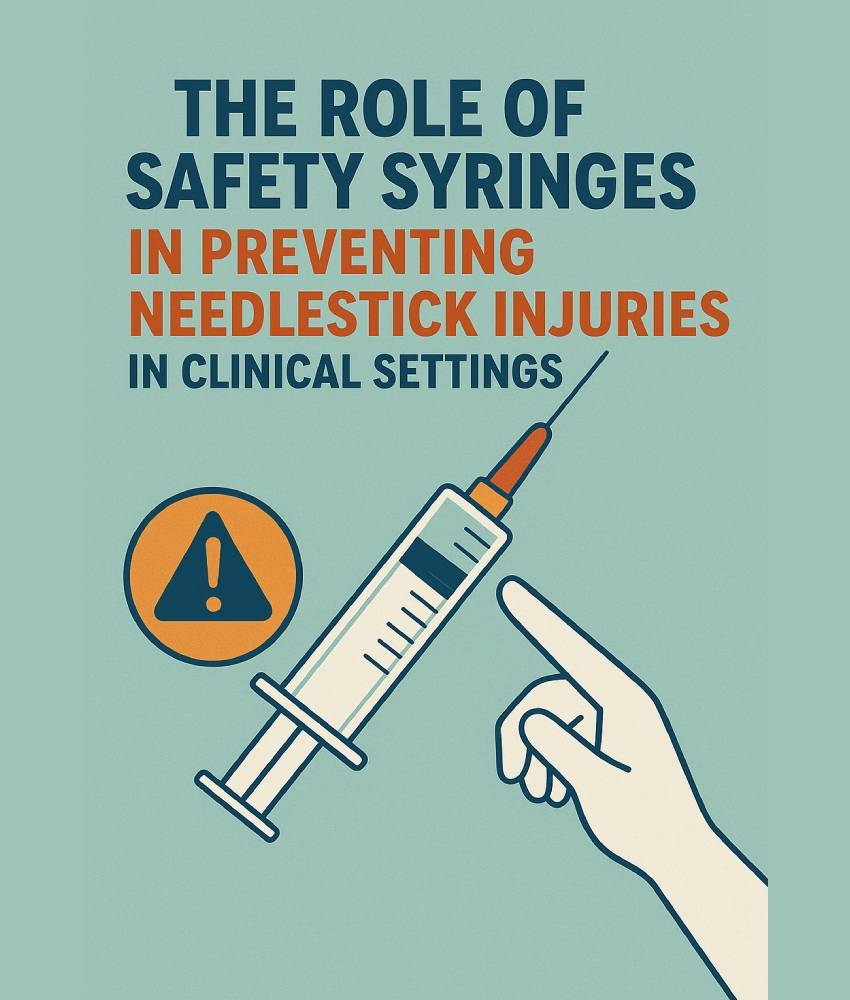
In modern healthcare environments, the use of safety syringes for hospitals, advanced needlestick prevention devices, and reliable disposable safety syringe solutions is no longer optional—it is essential. Healthcare workers face daily risks, with needlestick injuries (NSIs) being one of the most serious and preventable occupational hazards. These injuries not only expose medical personnel to life-threatening pathogens like HIV, Hepatitis B (HBV), and Hepatitis C (HCV), but they also place economic, emotional, and systemic burdens on healthcare systems globally.
This article explores the urgent need for safety syringes for hospitals, discusses how needlestick prevention devices work, and why selecting the right disposable safety syringe is a cornerstone of infection control protocols in today’s clinical settings. Know more..
Understanding the Scope of the Problem
Needlestick injuries are far more common than many realize. The World Health Organization estimates that over 2 million healthcare workers suffer from NSIs every year. Many of these incidents occur due to the reuse of conventional syringes, unsafe needle disposal, or during recapping of used needles.
In hospital environments where efficiency is essential and multiple injections are performed per hour, even one lapse in protocol can result in exposure to infectious diseases. This makes the role of disposable safety syringe technologies central to modern clinical practice.
What Are Safety Syringes and How Do They Work?
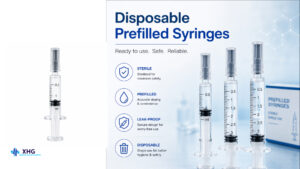
A disposable safety syringe is designed with mechanisms that minimize or eliminate direct contact with the needle. These mechanisms may include:
- Retractable Needles: Automatically pull back into the barrel after use
- Needle Shields: Slide or twist to cover the needle after injection
- Auto-disable Features: Prevent reuse by disabling the syringe after one use
Such needlestick prevention devices are developed to address every critical point of risk—during injection, after use, and during disposal.
Benefits of Safety Syringes for Hospitals
1. Enhanced Protection for Healthcare Staff
The number one benefit of safety syringes for hospitals is reducing exposure to bloodborne infections. These syringes dramatically lower the chance of needlestick injuries during disposal or accidental contact.
2. Compliance with International Safety Standards
Organizations such as OSHA (Occupational Safety and Health Administration) and the WHO now strongly recommend or mandate the use of needlestick prevention devices in clinical settings.
Hospitals using disposable safety syringe systems are more likely to comply with these guidelines, avoiding fines, lawsuits, and loss of accreditation.
3. Improved Workflow and Efficiency
Modern safety syringes for hospitals are designed for ease of use. With ergonomic designs and one-handed activation mechanisms, they streamline injection procedures, saving time in high-volume environments like emergency rooms and vaccination centers.
4. Reduced Costs Over Time
Though disposable safety syringe units may be more expensive upfront, they often save hospitals money by:
- Avoiding post-exposure prophylaxis (PEP)
- Preventing legal claims
- Reducing absenteeism due to injury
Key Features to Look for in Safety Syringes
When sourcing safety syringes for hospitals, procurement teams should consider:
a. Needle Retraction Mechanism
- Automatic vs. Manual
- Passive systems (triggered by use) are generally safer than active ones (triggered by user)
b. Needle Size and Compatibility
Ensure that the disposable safety syringe is compatible with:
- IV connectors
- Medication viscosity
- Injection site (e.g., subcutaneous vs. intramuscular)
c. Ease of Use
Frontline staff, especially in emergency departments, should be able to:
- Activate safety features with one hand
- Identify syringe volume and gauge easily
- Receive proper training in less than 5 minutes
d. Packaging and Sterilization
Choose single-use, pre-sterilized units with clear labeling. Packaging should meet ISO and FDA requirements and support bulk storage in hospital pharmacies.
Types of Safety Syringes
Here are common types of disposable safety syringe used in hospital and clinical settings:
1. Manual Retractable Syringes
- Require manual action post-injection to retract needle
- Lower cost, suitable for low-risk environments
2. Auto-Retractable Syringes
- Retract automatically upon full depression of the plunger
- Highest safety rating, widely used in immunization campaigns
3. Needle Guard/Shield Syringes
- Feature a shield that slides or snaps over the needle after use
- Popular in hospitals with moderate injection volumes
Each of these needlestick prevention devices offers different advantages depending on patient demographics, treatment volume, and budget constraints.
Global Trends in Needlestick Prevention Devices
1. Mandated Safety Usage
Countries including the United States, Canada, the UK, and much of the EU now require safety syringes for hospitals as part of national safety legislation. This is rapidly becoming the standard of care worldwide.
2. Integration with Smart Technologies
The latest disposable safety syringe designs are beginning to incorporate:
- RFID chips to track usage
- Barcode systems for patient matching
- Dose logging for cloud-based EMR systems
3. Eco-Conscious Solutions
Sustainability in medical disposables is growing. Innovations now include recyclable plastic barrels and biodegradable needle caps, especially important for large-scale hospitals that use thousands of units daily.
Challenges in Adoption and How to Overcome Them
Even though the advantages of needlestick prevention devices are clear, several challenges may slow adoption:
a. Cost Sensitivity
While safety syringes cost more than traditional options, manufacturers are now offering tiered pricing, volume discounts, and OEM/ODM solutions to help hospitals transition affordably.
b. Training and Familiarity
New devices require training. Fortunately, many suppliers provide training videos, demos, and sample kits. Hospitals must prioritize staff orientation to safety syringes for hospitals as part of ongoing health and safety programs.
c. Supply Chain Consistency
It’s crucial to work with a manufacturer that ensures:
- Consistent production output
- Global certifications (CE, ISO, FDA)
- On-time delivery for bulk orders
Selecting the Right Disposable Safety Syringe Manufacturer
To source the most effective disposable safety syringe, medical buyers should consider:
✔ Certifications
Ensure your partner has:
- CE certification (EU)
- ISO 13485:2016 compliance
- FDA 510(k) approval (USA)
✔ Customization
Hospitals may need syringes tailored by:
- Needle gauge
- Color coding
- Volume markings in different languages
✔ Sterility and Shelf Life
Look for syringes with:
- EO or gamma sterilization
- Minimum 3-year shelf life
- Batch-level sterility certification
As more healthcare organizations implement safety syringes for hospitals into practice, your ability to offer a fully compliant, efficient, and cost-effective solution will help you stand out in the global medical device market.
Conclusion: Safety Syringes Are a Necessity, Not a Luxury
The move toward adopting needlestick prevention devices is not just a technological upgrade—it’s a moral and legal imperative. Hospitals and clinics must equip their staff with tools that protect both patients and providers. Whether you are a purchasing director, a procurement agent, or a clinical supervisor, ensuring access to premium disposable safety syringe products is a vital part of maintaining modern healthcare standards.
As awareness, regulation, and demand continue to rise, investing in safety syringes for hospitals is one of the most impactful decisions a medical institution can make—saving lives, reducing risk, and promoting a culture of safety and responsibility.
Need a trusted supplier of disposable safety syringes?
Contact us today to request a catalog, sample pack, or quote for hospital-grade needlestick prevention devices customized to your needs.