Introduction
Administering liquid medication accurately is a fundamental requirement in both pediatric and geriatric care. The transition from household spoons to precision devices like the oral medication syringe has significantly reduced dosing errors, ensuring patient safety and treatment efficacy. For healthcare providers and medical distributors, understanding the nuances of these devices is essential for making informed procurement decisions. This guide delves into the technical specifications, market trends, and wholesale opportunities surrounding oral syringes, offering a comprehensive overview for industry professionals.
The global landscape of medical consumables is shifting, with an increased emphasis on home care and patient self-administration. Consequently, the demand for high-quality, user-friendly devices such as the oral feeding syringe has surged. Businesses operating in the medical supply chain must adapt to these changes by offering products that combine precision, safety, and cost-effectiveness. This article serves as a strategic resource for buyers looking to optimize their inventory with the latest in oral delivery systems.
Furthermore, the distinction between different types of syringes, specifically those designed for medication versus feeding, is vital for inventory management. As regulations become stricter regarding safety standards, the role of a reliable enteral feeding syringe in clinical and home settings cannot be overstated. By focusing on quality and customization, wholesalers can provide significant value to healthcare facilities, pharmacies, and caregiving organizations. The following sections explore these elements in detail, providing a roadmap for navigating the complex market of medical consumables.
1. Why the Oral Medication Syringe is a Critical Tool in Modern Healthcare
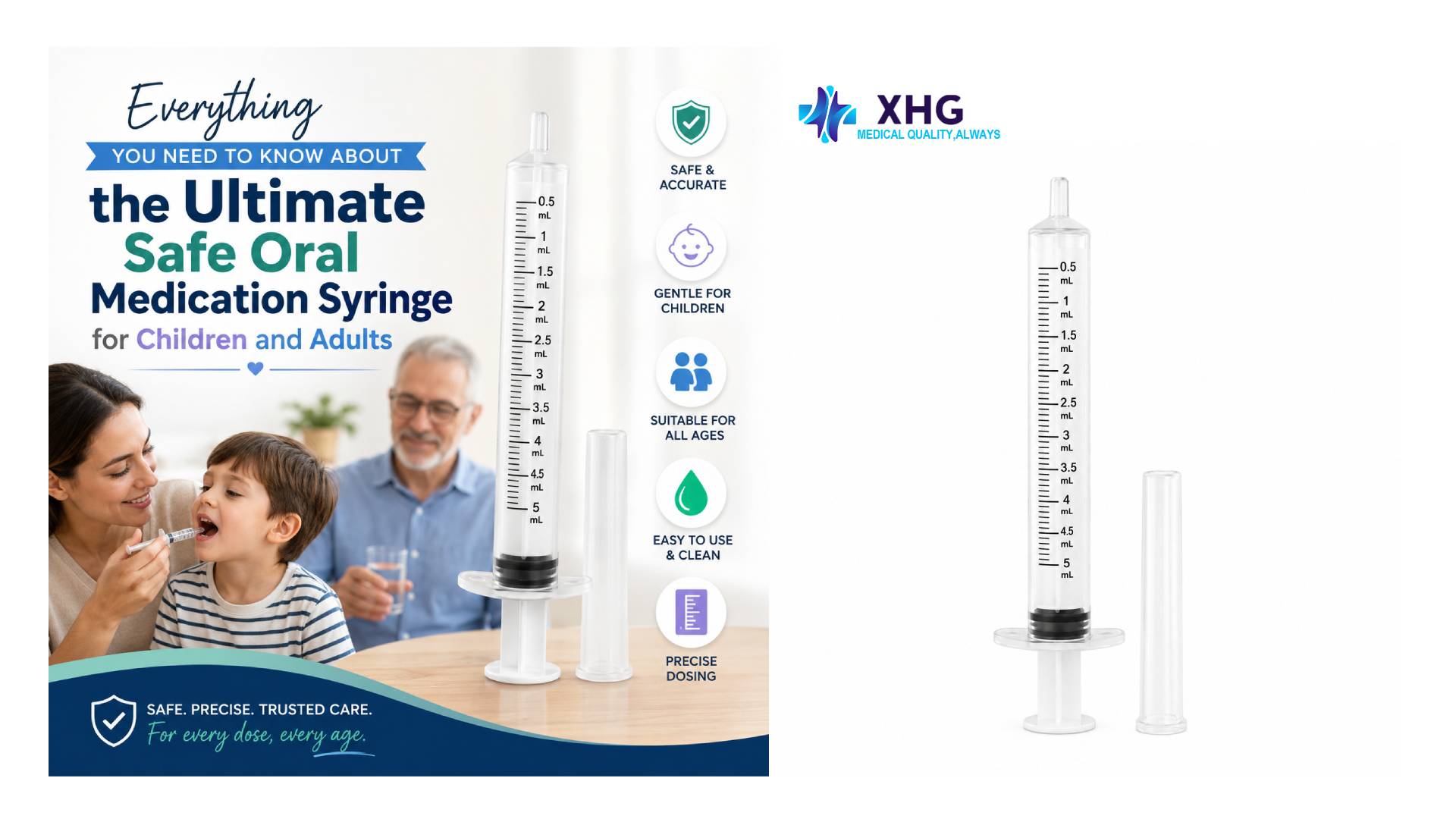
The oral medication syringe has become an indispensable instrument in clinical and home settings due to its ability to deliver precise liquid dosages. Unlike teaspoons or tablespoons, which vary widely in volume, an oral syringe provides milliliter-specific measurements that eliminate the guesswork associated with liquid drugs. This precision is particularly crucial for populations with narrow therapeutic indices, such as infants and the elderly, where a minor deviation in dosage can lead to toxicity or subtherapeutic effects. Healthcare providers increasingly rely on these devices to ensure adherence to prescribed treatment regimens, thereby improving patient outcomes.
Beyond accuracy, the design of the modern oral medication syringe addresses significant safety concerns, most notably the prevention of accidental needlestick injuries and wrong-route administrations. Many of these syringes are now manufactured with non-Luer tips or specific oral connectors that physically prevent attachment to intravenous lines. This engineering evolution responds to a critical patient safety imperative, ensuring that oral medications are never administered via the wrong route. For wholesalers, stocking syringes with these safety-enhanced features is no longer just an option but a necessity to meet hospital accreditation standards.
The versatility of the oral medication syringe also extends to its application across various pharmaceutical formulations. Whether dealing with viscous cough syrups, thin antibiotics, or compounded suspensions, these syringes are designed to handle a range of viscosities without clogging or inaccurate delivery. This adaptability makes them a universal tool in pharmacies and hospitals, simplifying inventory needs for medical supply managers. By investing in high-quality syringes that maintain integrity under different chemical conditions, distributors can ensure their clients face fewer device failures and administration issues.
Finally, the economic impact of using an oral medication syringe is profound when considering the cost of medication errors. By facilitating accurate dosing, these devices reduce the waste associated with spilled liquids and the financial burden of treating adverse drug events caused by overdosing. For healthcare systems operating on tight margins, the relatively low cost of these consumables offers a high return on investment through risk mitigation. Consequently, procurement officers are prioritizing reliable syringe sources that guarantee consistency and performance, reinforcing the status of this tool as a critical component of modern medical practice.
1.1 How Oral Medication Syringes Ensure Dosing Accuracy
The primary mechanism through which an oral medication syringe ensures accuracy lies in its calibrated barrel and smooth-moving plunger. The barrel features clear, graduation marks that allow the administrator to draw the exact amount of liquid required by the prescription. High-quality manufacturing processes ensure that these markings are permanent and do not fade with repeated use or sterilization attempts, which is essential for maintaining long-term reliability. This level of precision is unattainable with standard kitchen utensils, making the syringe the gold standard for liquid administration.
Material compatibility plays a significant role in maintaining the accuracy of an oral medication syringe. Premium syringes are typically made from polypropylene, which does not interact with most liquid medications, ensuring that the dosage drawn is the dosage delivered. Cheaper materials may absorb certain ingredients or leach plasticizers into the liquid, potentially altering the concentration of the drug. Distributors must recognize that the material composition of the syringe is a direct factor in dosing accuracy, making it a key selling point for B2B clients focused on clinical efficacy.
The design of the tip also influences how effectively the full dose is administered. A well-designed oral medication syringe allows for complete expulsion of the liquid, leaving minimal residual fluid inside the barrel. This feature, often referred to as a “zero-dead-space” design, ensures that the patient receives the full intended dose. In pediatric care, where every milliliter counts, this capability is particularly beneficial, reducing the need for secondary administration attempts and minimizing stress for both the child and the caregiver.
Ergonomics further contribute to the functional accuracy of the device. Syringes with comfortable thumb rests and flanged finger grips allow for steady, controlled administration, which is vital when dealing with uncooperative patients. A shaky hand can lead to spillage or partial dosing, undermining the treatment’s effectiveness. Therefore, manufacturers focusing on human-centric design are producing superior oral medication syringes that enhance the user’s control, thereby safeguarding the accuracy of the medication delivery process.
1.2 Which Types of Oral Syringes Are Best for Different Applications
Selecting the right type of syringe requires a clear understanding of the specific clinical application, whether it involves administering medicine or providing nutrition. The standard oral medication syringe is typically used for short-term drug delivery and comes in various sizes ranging from 1ml to 10ml. Smaller sizes are ideal for potent medications where tiny volumes are required, while larger sizes cater to voluminous liquids like cough syrups or laxatives. B2B buyers must ensure their inventory covers this spectrum to meet the diverse needs of hospitals and retail pharmacies.
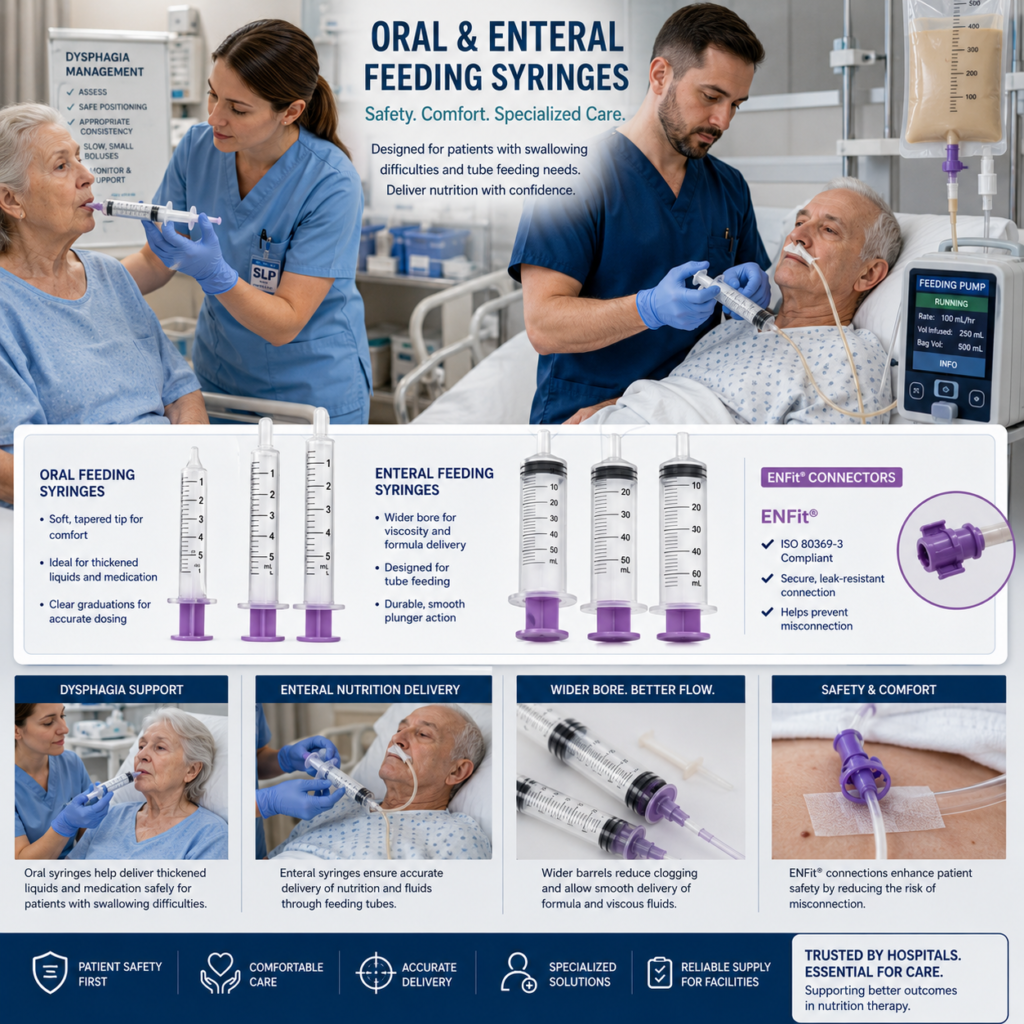
For patients with swallowing difficulties or those requiring nutritional supplementation, the oral feeding syringe is the preferred choice. These syringes often feature wider bore barrels and softer tips to facilitate the smooth delivery of thicker fluids, such as liquid diets or pureed foods. They are essential tools in speech therapy and dysphagia management, helping patients maintain adequate nutrition without the risk of aspiration. The distinction between a medication syringe and a feeding syringe is crucial for suppliers, as using the wrong device can lead to clogging or patient discomfort.
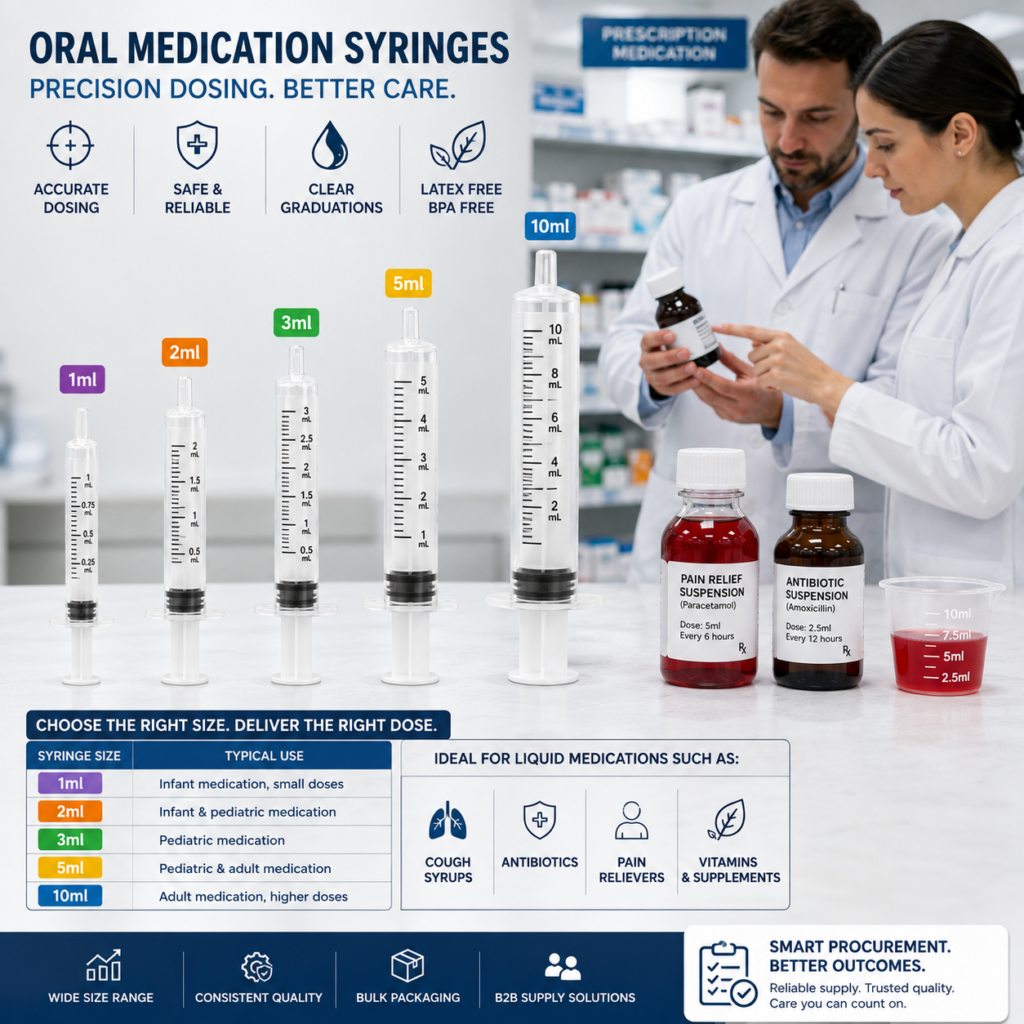
In more specialized clinical scenarios, the enteral feeding syringe is utilized for administering medication or nutrition directly into a feeding tube. These syringes are built to withstand the pressure required to push fluids through a tube and often feature ENFit connectors to prevent misconnections. The enteral feeding syringe market is strictly regulated due to the high risks associated with tube feeding, necessitating rigorous quality control during manufacturing. Wholesalers catering to long-term care facilities must prioritize these specialized syringes to support patients with complex medical needs.
Another category gaining traction is the dose-specific syringe, which comes pre-filled or is designed to deliver a fixed dose only. While these are often used in vaccine delivery, variations exist for oral medications requiring exact compliance. However, the adjustable oral medication syringe remains the most versatile and widely requested item in general medical inventories. Buyers should analyze their client demographics to determine the correct mix of specialized versus general-purpose syringes, ensuring optimal stock levels that respond to current market demands.
1.3 Why Material Quality Matters in Syringe Manufacturing
The durability and safety of an oral medication syringe are inextricably linked to the quality of raw materials used in its production. Medical-grade polypropylene is the industry standard because it offers an optimal balance of rigidity and flexibility. This material is inert, meaning it will not chemically react with the medication, preserving the drug’s stability and shelf life. For wholesale buyers, emphasizing the certification of raw materials is a critical value proposition, as healthcare providers are increasingly vigilant about the biocompatibility of the devices they use.
In addition to the barrel, the material quality of the plunger and rubber gasket defines the user experience. A high-quality oral medication syringe utilizes a latex-free gasket that glides smoothly without sticking, ensuring a consistent draw and expulsion. Inferior materials can cause the plunger to stick or create friction, leading to inconsistent dosing and frustration for the caregiver. These operational failures can damage the reputation of the distributor, highlighting the importance of sourcing from manufacturers who adhere to strict material quality standards.
The transparency of the barrel is another material-dependent factor that impacts usability. High-clarity plastics allow for easy reading of the graduation marks and inspection of the liquid for particulates or air bubbles. An oral feeding syringe, in particular, must allow caregivers to see the contents clearly to ensure the smooth flow of nutritional fluids. Cloudy or distorted plastics can lead to administration errors, which is why top-tier manufacturers invest in high-purity resins that maintain optical clarity throughout the product’s lifecycle.
Furthermore, environmental considerations are influencing material choices in the syringe market. With the healthcare sector moving toward sustainability, there is growing interest in recyclable and eco-friendly materials for the oral medication syringe. While performance and safety remain paramount, forward-thinking wholesalers are beginning to stock syringes made from sustainable plastics that do not compromise clinical quality. Anticipating this shift allows distributors to position themselves as partners in sustainability, appealing to healthcare systems with green initiatives and corporate social responsibility goals.
2. How the Global Market for Oral Feeding Syringes is Evolving in 2025 and 2026
The market for medical consumables, including the oral feeding syringe, is undergoing a rapid transformation driven by technological advancements and changing patient demographics. As we move through 2025 and look toward 2026, industry analysts predict a compound annual growth rate (CAGR) of approximately 6.5% for the oral syringe market globally. This growth is largely fueled by the expanding home healthcare sector, where patients and families require durable, easy-to-use devices for daily medication and nutrition management. B2B buyers must align their procurement strategies with this upward trajectory to capture emerging opportunities.
One significant trend shaping the 2026 landscape is the integration of smart technology into traditional medical devices. While the standard oral medication syringe remains a mechanical device, there is increasing R&D into smart caps and digital measurement logs that assist with adherence. Although these advanced products are currently a niche segment, they represent the future of personalized medicine. Wholesale distributors should monitor these innovations closely, as early adoption of smart-compatible product lines could provide a competitive edge in tech-forward healthcare markets.
Regulatory changes are also playing a pivotal role in market evolution, specifically concerning the standardization of connectors. The widespread adoption of ISO 80369-3 standards for non-Luer connectors is redefining the design specifications of the enteral feeding syringe and oral medication syringe. By 2026, compliance with these standards will be mandatory in most major markets, effectively phasing out older designs that pose misconnection risks. Suppliers must clear their inventory of non-compliant stock and prioritize ISO-standardized products to ensure their clients remain audit-ready and safe.
Finally, supply chain dynamics are shifting towards regionalization to mitigate the risks highlighted by recent global disruptions. Hospitals and pharmacies are increasingly sourcing their oral feeding syringe inventory from local or near-shore distributors to guarantee continuity of supply. This trend offers a unique opportunity for regional wholesalers to expand their market share by emphasizing reliability and speed of delivery. Understanding these macro-economic shifts allows B2B buyers to negotiate better terms with manufacturers and structure their logistics networks for maximum resilience in the coming years.
2.1 Why Demand for Enteral Feeding Syringes is Rising in Home Care
The shift towards deinstitutionalization of care is a primary driver behind the rising demand for the enteral feeding syringe. As healthcare systems strive to reduce costs, patients who would have previously remained in hospitals for long-term nutrition support are now being discharged to home care settings. This transition requires that families or home health aides have access to professional-grade medical supplies. Consequently, the volume of enteral feeding syringes sold through retail and home care channels has seen a marked increase, outpacing traditional hospital sales in several regions.
Chronic conditions such as dysphagia, neurological disorders, and certain cancers are becoming more prevalent, necessitating long-term enteral nutrition solutions. The enteral feeding syringe is a vital link in this care chain, allowing for the safe administration of both liquid medications and nutritional formulas directly into the stomach or small intestine. Market data from late 2024 indicates a spike in demand for 60ml enteral syringes, which are preferred for bolus feeding in adult patients. Distributors responding to this trend are adjusting their bulk purchasing ratios to favor larger volume syringes.
Caregiver fatigue and error reduction are also influencing product demand in the home care segment. Manufacturers are responding by developing enteral feeding syringe models that are easier to clean and handle, addressing the specific needs of non-professional users. Features such as wider graduations and ergonomic handles are becoming standard requirements for home care catalogs. B2B buyers should prioritize these user-friendly designs when stocking inventory, as they directly address the pain points of the fastest-growing segment of the medical consumables market.
Furthermore, insurance coverage and reimbursement policies are increasingly covering home care medical supplies, making high-quality enteral feeding syringes more accessible to patients. As reimbursement frameworks expand in 2025 and 2026, the out-of-pocket cost barrier for patients is lowering, leading to higher consumption rates. Wholesalers who work closely with insurance providers and government health programs can secure large-scale contracts to supply this expanding market, ensuring steady revenue streams while supporting essential patient care.
2.2 How Manufacturers Are Innovating for Better Patient Compliance
Innovation in the design of the oral medication syringe is heavily focused on enhancing patient compliance, which is a persistent challenge in pediatrics and geriatrics. Manufacturers are introducing child-friendly designs that feature colorful plunger ends and softer textures to reduce the anxiety associated with medication administration. These psychological tweaks, though simple, have been shown to improve cooperation in children, making the dosing process smoother for parents and clinicians. For wholesalers, offering these “adherence-focused” products adds value to their catalog, differentiating them from competitors who stock only standard, utilitarian items.
Another area of innovation is the integration of dosage-limiting mechanisms within the oral feeding syringe. Certain advanced models now allow caregivers to set a maximum dose limit, physically preventing the plunger from being pushed further than a set point. This feature is particularly useful in managing pain medications or sedatives where the risk of accidental overdose is a significant concern. As patient safety becomes a central metric for healthcare quality, demand for these fail-safe devices is expected to rise throughout 2026, presenting a premium product category for B2B suppliers.
Sustainability initiatives are also driving innovation, with manufacturers experimenting with biodegradable materials for single-use syringes. While the primary focus remains on safety, the environmental footprint of plastic waste is a growing concern for healthcare systems worldwide. New polymers that maintain the sterility and accuracy of an oral medication syringe while being recyclable are entering the market. Early adoption of these eco-friendly products allows distributors to align with the green procurement policies of major hospital networks, fostering stronger business relationships.
Packaging innovation is equally critical, particularly in the context of infection control. Bulk packaging of the enteral feeding syringe is being redesigned to include tamper-evident seals and individual pouches that maintain sterility until the point of use. These innovations are crucial for home care settings where sterile field conditions are harder to maintain than in operating rooms. By stocking products with advanced packaging, wholesalers ensure that their clients receive goods that meet the highest hygiene standards, thereby reducing the incidence of device-related infections.
2.3 Which Regions Are Leading in Wholesale Syringe Consumption
Geographically, North America continues to dominate the wholesale consumption of the oral medication syringe, driven by high healthcare expenditure and stringent safety regulations. The United States market, in particular, has a high demand for ISO-compliant, latex-free products, setting a benchmark for quality that other regions are beginning to follow. The prevalence of chronic diseases requiring long-term medication management further solidifies this region’s position as the largest consumer. B2B suppliers operating in or exporting to North America must prioritize regulatory compliance and certification to succeed in this competitive market.
The Asia-Pacific region is emerging as the fastest-growing market for oral feeding syringes and enteral devices. Countries like China and India are witnessing rapid improvements in their healthcare infrastructure and a surge in home care adoption. Market projections for 2026 suggest that the Asia-Pacific region will account for nearly 30% of global demand, fueled by large aging populations and increasing disposable incomes. Wholesale distributors looking to expand their global footprint should consider strategic partnerships with local manufacturers in these regions to navigate import tariffs and logistical challenges efficiently.
Europe represents a mature market characterized by a strong emphasis on sustainability and cost-containment. European healthcare providers are increasingly seeking bulk purchasing options for the oral medication syringe that balance quality with environmental responsibility. The demand for eco-friendly packaging and recyclable materials is notably higher in this region compared to others. Suppliers targeting the European market must tailor their value proposition to highlight both the clinical performance and the environmental profile of their syringe products to meet buyer expectations.
Meanwhile, Latin America and the Middle East are showing steady growth, driven by government initiatives to improve healthcare access. The demand for the enteral feeding syringe in these regions is linked to the expansion of specialized hospital units and rehabilitation centers. While the volume per capita may be lower than in North America or Europe, the growth potential is significant. Wholesalers can penetrate these emerging markets by offering flexible order quantities and comprehensive product training, addressing the specific needs of developing healthcare systems.
3. Why Customization and Wholesale Procurement Are Essential for Healthcare Providers
For healthcare providers, the decision to source oral medication syringes through wholesale channels is driven by the necessity for cost containment and supply stability. Bulk purchasing allows hospitals and pharmacy chains to leverage economies of scale, significantly reducing the per-unit cost of essential consumables. Given the high volume of patients requiring liquid medication therapies, these savings can be redirected to other critical areas of patient care. Consequently, procurement managers are actively seeking reliable wholesale partners who can offer competitive pricing without compromising on product quality.
Customization of the oral feeding syringe and medication syringe offers a strategic advantage for healthcare branding and operational efficiency. Hospitals and large care facilities often require syringes with specific dosage markings or color-coded caps to differentiate between pediatric and adult departments. Custom printing on the barrel allows for the inclusion of facility logos or specific usage instructions, which enhances brand recognition and reduces the likelihood of usage errors. Wholesale suppliers that offer these customization services become indispensable partners to their clients, fostering long-term loyalty.
Inventory management is streamlined when healthcare providers commit to wholesale procurement of standardized devices like the enteral feeding syringe. fluctuating between different suppliers and product batches creates confusion and increases the risk of incompatibility with existing tube systems. By establishing a contract with a single wholesale vendor for a consistent line of syringes, facilities can ensure uniformity across all wards. This standardization simplifies training for nursing staff and reduces the cognitive load associated with administering medications, ultimately enhancing patient safety.
The reliability of supply chains is a critical concern that underscores the importance of wholesale relationships. In times of global shortage or logistical disruption, healthcare providers with established wholesale agreements are prioritized for allocation. Relying on ad-hoc purchases leaves facilities vulnerable to stockouts, which can compromise patient care. Secure access to a steady supply of oral medication syringes is therefore not just a procurement preference but a clinical imperative, ensuring that life-saving treatments can always be administered without delay.
3.1 How Custom Branding Enhances Trust and Recognition
Custom branding on an oral medication syringe serves as a powerful tool for building trust between the patient and the healthcare provider. When a syringe features the logo of a reputable hospital or a well-known pharmacy, it reinforces the institution’s commitment to quality and safety. This psychological reassurance is particularly important in pediatric care, where parents may be anxious about medication administration. A branded device looks professional and vetted, which helps to alleviate parental concerns and establishes a sense of confidence in the treatment process.
From a marketing perspective, custom branding transforms a disposable medical consumable into a touchpoint for brand engagement. Pharmacies that dispense medications in a custom-branded oral feeding syringe extend their brand presence into the patient’s home. Every time the syringe is used, the brand is reinforced, creating a subtle yet persistent reminder of the pharmacy’s service. For B2B buyers, offering custom branding options is a compelling sales pitch that can help retail pharmacy clients differentiate themselves in a crowded market.
Customization also allows for the inclusion of specific safety warnings or instructional graphics directly on the syringe barrel. This is especially relevant for the enteral feeding syringe, where specific instructions regarding flushing or gravity feeding can be printed to guide caregivers. Such functional printing enhances the utility of the device and serves as an extension of the healthcare provider’s duty to inform. By facilitating this level of customization, wholesalers enable their clients to improve patient outcomes through better health literacy and adherence to protocols.
Furthermore, custom branding aids in the prevention of theft and diversion within hospital settings. Syringes marked with hospital property logos are easily identifiable and less likely to be removed from the premises. While this may seem like a minor benefit, the cumulative cost of missing consumables can be significant for large institutions. Therefore, healthcare administrators often view custom branding as a dual-purpose strategy that enhances both external marketing and internal asset management, making it a highly sought-after feature in wholesale contracts.
3.2 Which Customization Features Matter Most for Bulk Buyers
When negotiating bulk orders for oral medication syringes, the most critical customization feature is often the graduation scale. Different healthcare systems may use different units of measurement (e.g., milliliters vs. teaspoons) or require larger, bolder markings for geriatric wards where eyesight may be an issue. Bulk buyers prioritize suppliers who can modify the mold to accommodate these specific legibility requirements. The ability to offer high-contrast, UV-resistant printing ensures that the measurements remain visible throughout the product’s shelf life, which is a key quality indicator.
The color coding of plunger stops and caps is another vital customization feature for the enteral feeding syringe and oral medication syringe. Many facilities utilize color-coded systems to denote specific departments or dosage strengths, reducing the risk of medication errors. For instance, a neonatal unit might require pink syringes, while the adult ward uses blue. Wholesale manufacturers that offer a wide palette of medical-grade color options provide necessary flexibility to hospitals implementing these safety protocols, making their products far more attractive to bulk purchasers.
Tip design and configuration represent a third pillar of customization. While standard open tips are common, some buyers require eccentric tips for closer application to the cheek wall or specialized tips for attaching to extension sets. The ability to customize the oral feeding syringe tip to fit specific nutritional delivery systems is a decisive factor for long-term care facilities. Suppliers with advanced manufacturing capabilities that allow for mold modifications to create these bespoke tip designs will naturally secure larger market share among specialized medical buyers.
Finally, packaging customization is essential for bulk buyers concerned with inventory logistics. Sterile peel pouches for individual syringes or bulk packs of fifty units per box cater to different operational workflows. Some buyers require barcoding on individual packages for scanning at the point of care, while others need simplified packaging to reduce waste. Understanding and accommodating these diverse packaging needs is a hallmark of a customer-centric wholesale strategy, enabling suppliers to meet the precise operational demands of their varied clientele.
3.3 Why Bulk Purchasing Reduces Costs and Supply Chain Risks
The economics of bulk purchasing are straightforward yet impactful, offering significant reductions in the unit cost of an oral medication syringe. Manufacturing setup costs and tooling expenses are amortized over larger production runs when orders are placed in bulk, allowing the manufacturer to pass these savings on to the buyer. For healthcare systems operating under tight budget constraints, these savings are substantial. By consolidating orders and maximizing volume, procurement officers can ensure financial resources are utilized efficiently, freeing up capital for other critical investments.
Beyond unit price savings, bulk purchasing of the oral feeding syringe and related consumables drastically reduces shipping and logistical costs per unit. Full truckload or container shipments are far more cost-effective than smaller, frequent deliveries. This reduction in freight charges not only lowers the total landed cost but also minimizes the carbon footprint associated with transportation. As healthcare organizations become more environmentally conscious, the ability to order in bulk aligns with their sustainability goals by reducing the frequency of shipments and associated packaging materials.
From a supply chain risk management perspective, committing to bulk purchases secures capacity with the manufacturer. In times of raw material shortages or production bottlenecks, manufacturers prioritize their largest and most committed clients. A healthcare provider that has a standing bulk order for an enteral feeding syringe is less likely to face allocation cuts compared to a spot buyer. This security is invaluable in maintaining continuity of care, ensuring that essential medical supplies are always on hand when needed, regardless of market volatility.
Finally, bulk purchasing simplifies the administrative burden of procurement. Processing a single large purchase order for a six-month supply of oral medication syringes requires less administrative overhead than processing monthly smaller orders. This efficiency reduces the man-hours required for purchasing team activities, allowing staff to focus on strategic sourcing and supplier relationship management. The reduction in administrative complexity, combined with cost savings and supply security, makes bulk purchasing a logical and necessary strategy for modern healthcare providers.
Conclusion
The oral medication syringe, oral feeding syringe, and enteral feeding syringe are more than simple dispensing tools; they are critical components of patient safety and treatment efficacy. As the healthcare landscape evolves towards 2026, the emphasis on precision, safety standards like ISO 80369-3, and home care adoption will continue to drive market growth. For B2B buyers and healthcare providers, understanding these trends is essential for making strategic procurement decisions that ensure both quality of care and operational efficiency.
Customization and wholesale strategies offer a pathway to optimizing supply chains and enhancing brand value. By partnering with manufacturers who offer high-quality materials, flexible customization options, and reliable bulk fulfillment, healthcare businesses can navigate the complexities of the modern medical market. Investing in the right oral syringe products today will yield significant dividends in patient safety, cost savings, and market positioning in the years to come.
Frequently Asked Questions
1. What is the primary difference between an oral medication syringe and an oral feeding syringe?
While both devices are designed for administering fluids orally, they serve distinct functions. An oral medication syringe is primarily calibrated for precise dosing of liquid pharmaceuticals, often featuring smaller volume capacities (1ml to 10ml) and narrow tips to direct medicine to the cheek. In contrast, an oral feeding syringe is typically designed with a wider bore to handle thicker fluids like liquid nutritional supplements or pureed foods, making it ideal for patients with dysphagia or swallowing difficulties.
2. Why is the ISO 80369-3 standard important for an enteral feeding syringe?
The ISO 80369-3 standard is critical for patient safety as it introduces non-Luer connectors for enteral devices. An enteral feeding syringe compliant with this standard features a specific connector design that physically prevents it from attaching to intravenous lines or other non-enteral medical devices. This “wrong-route” prevention mechanism eliminates the risk of accidentally feeding liquid medication or nutrition into a patient’s bloodstream, a potentially fatal error that strict regulations aim to prevent.
3. What customization options are available for wholesale buyers of oral syringes?
Wholesale buyers can access a variety of customization options to align products with their brand or clinical needs. These include custom printing on the barrel for logos, specific dosage instructions, or safety warnings. Additionally, manufacturers can offer color-coded plungers or caps to differentiate between pediatric and adult sizes. For an oral medication syringe, buyers can also request specific graduation scales (e.g., milliliters vs. teaspoons) or tip configurations to match specific delivery systems.
4. How does bulk purchasing of oral feeding syringes impact supply chain reliability?
Bulk purchasing establishes a direct contract with manufacturers, securing a dedicated allocation of production capacity. This is particularly important for high-demand items like the oral feeding syringe, as it protects healthcare providers from shortages caused by supply chain disruptions or sudden spikes in demand. By locking in large-volume orders, healthcare facilities and distributors ensure a continuous flow of essential consumables, minimizing the risk of stockouts that could compromise patient care.
5. What materials are typically used in manufacturing high-quality oral medication syringes?
High-quality syringes are generally manufactured from medical-grade polypropylene, a durable and chemically inert plastic. This material ensures that the oral medication syringe does not react with liquid medications, preserving drug stability. The gasket or plunger tip is usually made from latex-free rubber or thermoplastic elastomer to ensure smooth movement without sticking. These materials are also BPA-free and designed to withstand the stresses of drawing and expelling viscous fluids without cracking.
6. Why is there a growing demand for enteral feeding syringes in the home care sector?
The shift towards home healthcare is driving demand as patients with chronic conditions are discharged earlier to recover at home. Caregivers in these settings rely heavily on the enteral feeding syringe to administer nutrition and medications safely through feeding tubes. The convenience, safety, and ease of use of modern syringes empower non-professional caregivers to manage complex health needs, leading to increased consumption of these devices in retail and home care channels.
7. What market trends should wholesalers anticipate for oral syringes in 2026?
Wholesalers should anticipate a continued focus on patient safety features, such as the universal adoption of ISO 80369-3 connectors. Additionally, there is a growing trend toward sustainability, with increasing requests for eco-friendly materials in the production of the oral medication syringe. The market is also seeing a rise in “smart” or adherence-focused packaging, helping patients and caregivers track dosing schedules, which adds value to wholesale catalogs targeting modern healthcare providers.
8. How do color-coded caps and plungers improve patient safety?
Color coding serves as a visual aid to prevent medication errors, particularly in busy hospital settings. By using specific colors for different departments or dosage strengths, staff can quickly identify the correct oral feeding syringe or medication syringe. For example, pink caps might designate pediatric use, while blue indicates adult use. This simple yet effective visual differentiation reduces cognitive load for nurses and minimizes the likelihood of administering the wrong dose or device type.
9. Can an oral medication syringe be used for enteral feeding purposes?
It is generally not recommended to use a standard oral medication syringe for enteral feeding via a tube. While they may look similar, enteral feeding requires specific tip designs (such as ENFit connectors) to ensure a secure fit and prevent clogging. An enteral feeding syringe is built to withstand the pressure required for tube feeding and is designed to handle the viscosity of nutritional formulas, whereas a standard medication syringe may not be suitable for these specific applications.
10. What are the key regulatory certifications to look for when sourcing oral syringes?
When sourcing wholesale syringes, buyers should verify that products comply with relevant regional standards such as FDA registration in the US, CE marking in Europe, and ISO certifications (specifically ISO 8537 for oral syringes). Compliance with ISO 80369-3 is also essential for any enteral feeding syringe. These certifications ensure that the devices have undergone rigorous testing for safety, biocompatibility, and performance, mitigating liability risks for healthcare providers and distributors.