Introduction
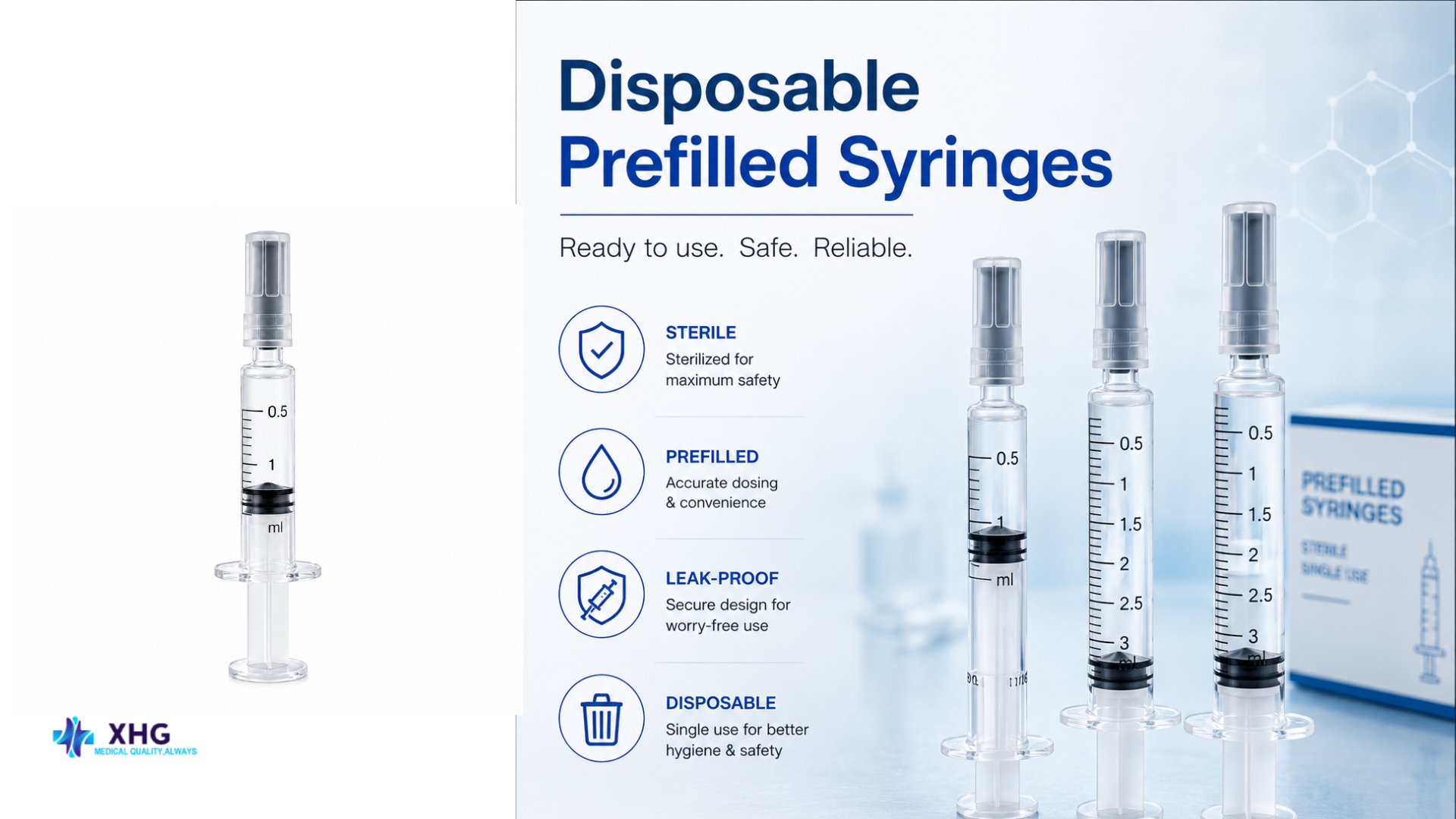
The healthcare and pharmaceutical industries are undergoing a significant transformation in drug delivery systems, driven by the need for efficiency, safety, and patient compliance. Among these advancements, disposable prefilled syringes have emerged as a critical component in modern medical care, offering distinct advantages over traditional vials and ampoules. For wholesalers, procurement officers, and pharmaceutical companies, understanding the value proposition of these devices is essential for strategic inventory planning and meeting market demand. The shift toward ready-to-use administration formats is not merely a trend but a response to the growing complexities of biologics and the increasing emphasis on home healthcare. As we look toward the 2025 market landscape, the integration of high-quality, customizable delivery systems becomes a cornerstone for competitive advantage.
The demand for prefilled syringes is escalating because they address the dual needs of reducing medication errors and improving operational workflow in clinical settings. Manufacturers are now focusing heavily on wholesale & customization capabilities, allowing pharmaceutical partners to tailor solutions that fit specific drug viscosities and branding requirements. This article delves into the multifaceted benefits of these devices, providing a comprehensive analysis of why they are becoming the industry standard. By examining the latest market trends and technological innovations, businesses can better navigate the procurement process and optimize their supply chains for the future.
1. Market Dynamics and Growth Projections
1.1 Why Is the Demand for Prefilled Syringes Surging in 2025?
The global surge in demand for prefilled syringes is primarily driven by the exponential growth of biologics and biosimilars, which require precise and safe delivery mechanisms that traditional vials cannot consistently provide. As biological drugs often have high viscosity and are sensitive to contamination, the closed-system design of a sterile prefilled syringe offers an inherent protective barrier that preserves drug efficacy. Pharmaceutical companies are increasingly shifting their product portfolios toward these complex formulations, necessitating a parallel shift in packaging. This transition is further accelerated by the expansion of the diabetes management sector and the routine administration of vaccines, where ease of use is paramount.
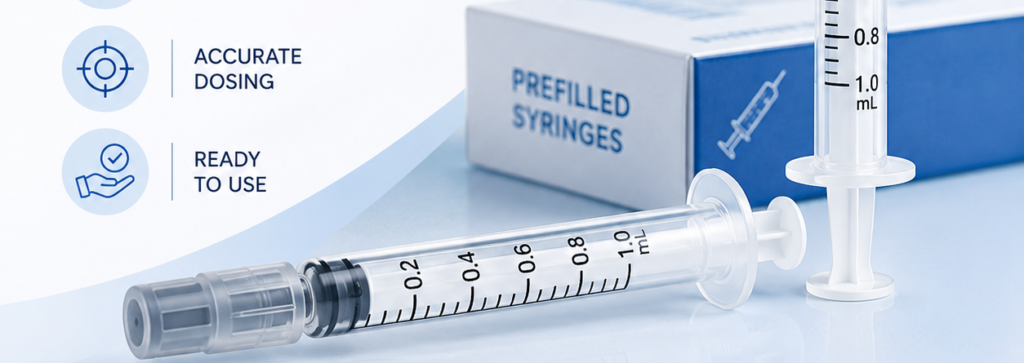
Another critical factor fueling this demand is the robust growth of the self-injection market, driven by an aging population and the shift toward chronic disease management in home care settings. Patients prefer the convenience and discreetness of disposable prefilled syringes, which eliminate the need for manual drawing of medication, thereby reducing the complexity of the treatment regimen. For wholesalers and B2B buyers, this consumer shift represents a substantial volume opportunity, as retail pharmacies and home care agencies increase their stock of these essential devices. The market is responding with scalable manufacturing solutions that ensure consistent supply despite the rising global consumption.
Economic factors also play a significant role in this surge, as healthcare systems worldwide strive to reduce overall treatment costs by minimizing drug wastage and administration time. Prefilled syringes are designed to deliver an exact dose, significantly reducing the residual volume often left in vials, which translates to cost savings over time. Hospitals and clinics are increasingly adopting a cost-per-treatment analysis that favors the efficiency of pre-filled formats. Consequently, procurement managers are prioritizing suppliers who can guarantee high-volume availability and reliable logistics to meet this sustained upward trajectory in demand.
Looking ahead, industry projections for 2025 indicate a compound annual growth rate that outpaces many other medical device sectors, signaling a long-term strategic shift. This growth is not limited to developed markets; emerging economies are rapidly upgrading their healthcare infrastructure, further broadening the global customer base for these products. Businesses involved in the wholesale distribution of medical supplies must align their inventory strategies with this growth, ensuring they are equipped to provide the diverse range of prefilled syringes required by modern healthcare providers. This alignment is crucial for capturing market share in an increasingly competitive landscape.
1.2 How Are Manufacturing Innovations Shaping the Future?
Manufacturing innovations are revolutionizing the production of prefilled syringes, with a strong emphasis on advanced materials and automated assembly lines to enhance speed and precision. The introduction of high-quality cyclic olefin polymers (COP) and cyclic olefin copolymers (COC) is challenging the traditional dominance of glass, offering superior breakage resistance and lower protein binding for sensitive drugs. These material advancements are particularly beneficial for wholesale & customization strategies, as they allow for the creation of specialized syringes tailored to unique drug stability requirements. Manufacturers are investing heavily in clean-room automation to ensure that every sterile prefilled syringe meets stringent regulatory standards while scaling up production capacity.
The integration of Industry 4.0 technologies, such as the Internet of Things (IoT) and artificial intelligence (AI), is enabling real-time quality control and predictive maintenance on the factory floor. These technologies ensure that defects are detected immediately, thereby reducing waste and ensuring that disposable prefilled syringes are delivered with zero flaws. For pharmaceutical partners, this reliability is non-negotiable, as product recalls can be devastating to brand reputation and financial viability. The ability of manufacturers to offer consistent quality at high volumes is a key decision-making factor for B2B buyers seeking long-term supply agreements.
Customization capabilities are expanding rapidly, allowing pharmaceutical companies to differentiate their products through specialized syringe features such as graduated scales, colored finger flanges, and custom plunger stops. Advanced printing technologies now allow for high-resolution branding and essential information to be applied directly to the syringe barrel, enhancing traceability and brand recognition. This level of wholesale & customization is vital for marketing strategies, where the packaging serves as a tangible touchpoint between the healthcare provider and the drug manufacturer. As we move into 2026, the ability to offer bespoke design solutions will become a standard expectation among top-tier suppliers.
Furthermore, sustainability is becoming a central theme in manufacturing innovation, with companies developing eco-friendly materials and energy-efficient production processes. The push for greener healthcare solutions is driving research into recyclable components for prefilled syringes without compromising sterility or performance. Forward-thinking manufacturers are already prototyping sustainable options that appeal to environmentally conscious healthcare systems. Buyers should prioritize suppliers who are proactively addressing these environmental concerns, as regulations regarding medical waste are expected to tighten in the near future, impacting procurement criteria across the board.
1.3 Which Sectors Are Driving the Bulk Purchasing Trends?
The diabetes care sector remains the largest driver of bulk purchasing for prefilled syringes, fueled by the rising global prevalence of the condition and the widespread adoption of GLP-1 agonists. These medications require frequent, often daily, injections, creating a continuous and high-volume demand for reliable delivery systems. Pharmaceutical companies producing insulin and antidiabetic drugs are among the largest B2B customers, requiring massive wholesale & customization capabilities to meet their global distribution needs. The scalability of supply chains in this sector is critical, as any disruption can have immediate and severe consequences for patient populations reliant on these therapies.
Vaccination programs represent another significant sector driving bulk trends, particularly in the wake of global immunization initiatives and the development of new mRNA vaccines. The logistical efficiency of disposable prefilled syringes makes them the preferred choice for mass vaccination campaigns, where speed and ease of administration are logistical priorities. Governments and international health organizations frequently engage in large-scale tenders for these products, seeking suppliers who can guarantee rapid delivery of millions of units. This sector demands strict adherence to cold chain compatibility, prompting manufacturers to innovate syringes that can withstand extreme temperatures without compromising the integrity of a sterile prefilled syringe.
Oncology and rheumatology are also emerging as high-growth sectors due to the increasing use of biologics for treating cancer and autoimmune diseases. These treatments often involve subcutaneous administration of high-viscosity drugs, necessitating specialized prefilled syringes with ultra-thin wall needles and smooth-gliding plungers to ensure patient comfort. The complexity of these therapies means that the margin for error is minimal, driving healthcare providers to procure premium quality devices. Bulk purchasing in this sector is often accompanied by requests for customized training materials and support services, adding value to the standard supply agreement.
Emergency medicine and military sectors are niche but critical drivers of bulk purchasing, prioritizing durability and rapid deployment in their procurement specifications. In these high-stakes environments, the reliability of disposable prefilled syringes can be a matter of life and death, leading to rigorous testing and qualification processes before bulk orders are placed. Suppliers catering to these markets must demonstrate exceptional quality control and the ability to produce ruggedized variants that can withstand harsh conditions. Understanding the specific needs of these diverse sectors allows wholesalers to tailor their inventory and marketing efforts effectively, ensuring they meet the exacting standards of each medical discipline.
2. Operational Efficiency and Safety
2.1 How Do Prefilled Syringes Streamline Clinical Workflows?
Prefilled syringes significantly streamline clinical workflows by eliminating the time-consuming steps of drug drawing, dose calculation, and needle attachment required by traditional vials. In high-pressure environments such as emergency rooms and intensive care units, every second saved translates to improved patient outcomes and operational efficiency. Nurses and clinicians can administer medication immediately upon retrieval, reducing the turnaround time for critical treatments. This efficiency gain reduces the labor hours associated with medication preparation, allowing healthcare facilities to optimize their staffing resources and focus more on direct patient care rather than logistical tasks.
The reduction in procedural steps directly correlates to a decrease in medication errors, as the dosage is pre-measured by the manufacturer under controlled conditions. By removing the manual drawing process, the risk of dosage inaccuracies or the selection of the wrong diluent is virtually eliminated. This reliability is a key selling point for sterile prefilled syringe products marketed toward patient safety-oriented hospitals. For pharmaceutical buyers, emphasizing this safety aspect can be a decisive factor in procurement committees, as it reduces liability and enhances the institution’s overall safety profile.
Inventory management is also simplified through the use of prefilled syringes, as they combine the drug and the delivery device into a single unit with a single expiry date. This eliminates the need to stock separate vials and needles, reducing storage space requirements and the complexity of inventory tracking. The standardization of these units facilitates automated dispensing cabinet integration, which further streamlines the retrieval and administration process. Wholesale suppliers can leverage this benefit when discussing logistics with hospital administrators, highlighting how a consolidated product range can lead to significant operational cost reductions.
Furthermore, the streamlined workflow supported by disposable prefilled syringes enhances throughput in outpatient clinics and day surgery centers, where rapid patient turnover is essential for financial viability. The ease of use means that smaller volumes of medication can be prepared and administered quickly without compromising safety. This efficiency enables healthcare providers to see more patients without extending working hours, thereby increasing revenue potential. Suppliers who understand these operational pressures can better position their products as solutions to systemic bottlenecks in healthcare delivery.
2.2 Why Is Dose Accuracy Critical for Pharmaceutical Manufacturers?
Dose accuracy is paramount for pharmaceutical manufacturers because it directly impacts the therapeutic efficacy and safety profile of their drug products. Inconsistent dosing can lead to subtherapeutic results or toxic adverse events, both of which can result in regulatory sanctions and severe reputational damage. Prefilled syringes are engineered to deliver precise volumetric accuracy, ensuring that the patient receives exactly the amount of medication prescribed by the healthcare provider. This precision is particularly crucial for high-potency drugs like monoclonal antibodies, where minute variances can have significant clinical consequences.
From a manufacturing perspective, utilizing high-quality prefilled syringes ensures that the drug product maintains its integrity from the filling line to the point of administration. The consistency provided by these devices reduces the variability in clinical trial data, facilitating smoother regulatory approval processes. For pharmaceutical companies looking to launch new formulations, the choice of delivery system is a strategic decision that can influence the speed of market entry. By investing in wholesale & customization options that guarantee dose accuracy, manufacturers can mitigate risks associated with delivery inconsistencies and ensure compliance with global pharmacopeial standards.
The financial implications of dose accuracy are also profound, as overfilling to compensate for delivery inefficiencies can be a significant cost driver in drug production. Prefilled syringes are designed to minimize residual volume, ensuring that the maximum amount of drug is available for delivery. This efficiency is particularly important for expensive biologics, where wasted medication directly affects the profit margin of the pharmaceutical company. B2B buyers are increasingly focused on the total cost of ownership, making the efficiency of the delivery system a key consideration during the vendor selection process.
Moreover, the assurance of dose accuracy strengthens brand loyalty among healthcare providers, who rely on predictable outcomes for their patients. When a pharmaceutical company consistently delivers a product that performs as expected, trust is established, and barriers to switching are created. This market positioning is reinforced by the use of reliable sterile prefilled syringe systems that function seamlessly across different clinical environments. As competition in the pharmaceutical sector intensifies, the reliability of the delivery mechanism becomes a tangible differentiator that can support premium pricing strategies and market share retention.
2.3 Which Customization Options Enhance Operational Workflows?
Customization options such as color-coded plunges and finger flanges play a vital role in enhancing operational workflows by reducing the cognitive load on healthcare providers. In busy hospital settings, visual differentiation helps staff quickly identify the correct medication or dosage, thereby preventing administration errors. Wholesale & customization services that offer these visual aids are increasingly sought after by hospital procurement teams looking to improve patient safety protocols. By integrating distinct color schemes, manufacturers can align their syringe design with hospital medication safety guidelines, facilitating smoother integration into clinical practice.
The inclusion of graduated markings on prefilled syringes offers an additional layer of safety and flexibility, allowing for partial dose administration if required. While the primary benefit is the ready-to-use nature of the device, the ability to visually verify the volume adds a check that reassures clinicians during administration. Customizing the scale placement and visibility ensures that these markings are easy to read under various lighting conditions, further reducing the potential for errors. This feature is particularly valuable in pediatric and geriatric care, where dose adjustments are frequently necessary based on patient weight or kidney function.
Ergonomic improvements, such as textured finger grips and low-force activation plungers, are customization features that significantly enhance the usability of disposable prefilled syringes. These design elements reduce the physical strain on healthcare workers who may administer hundreds of injections per shift, thereby mitigating the risk of repetitive strain injuries. For pharmaceutical partners, offering a device that is comfortable to use can drive preference among nurses and clinicians, indirectly influencing prescribing habits. Suppliers that prioritize ergonomics in their customization portfolios can effectively address the occupational health concerns of their B2B clients.
Finally, needle shield removal forces and tamper-evident features are critical customization options that streamline the safety checks required before injection. A sterile prefilled syringe designed for one-handed activation or easy cap removal saves valuable time and maintains aseptic technique. These features can be tailored to the specific needs of different medical departments, such as oncology or anesthesia, where workflow demands differ significantly. By engaging in wholesale & customization discussions that focus on these operational nuances, suppliers can provide tailored solutions that resolve specific workflow pain points for their customers.
3. Safety and Sterility Assurance
3.1 Why Are Sterile Prefilled Syringes Essential for Infection Control?
Sterile prefilled syringe technology is essential for infection control because the closed-system design minimizes the risk of microbial contamination during the preparation and administration phases. Unlike traditional vials, which require puncture of a rubber stopper and subsequent exposure of the needle to the environment, prefilled systems remain sealed until the moment of injection. This integrity is critical for preventing healthcare-associated infections (HAIs), which are a major concern for hospitals and clinics. By utilizing a system that is manufactured and filled under aseptic conditions, healthcare providers can be confident that the medication remains free from pathogens.
The reduction in handling steps is a primary factor in the superior safety profile of prefilled syringes. Every time a healthcare worker handles a component, there is a risk of accidental contamination or needlestick injury. By consolidating the drug and the delivery device into a single unit, the number of manipulations is drastically reduced. This simplification is particularly beneficial in settings where aseptic technique may be compromised by high patient volumes or limited resources. Procurement managers focused on infection control prioritize these devices because they represent a systemic approach to reducing risk factors inherent in medication administration.
Biopharmaceutical products are often susceptible to degradation or contamination due to interactions with packaging materials or the environment. A high-quality sterile prefilled syringe acts as a barrier, protecting the drug solution from external factors such as oxygen and moisture. This protection ensures that the chemical stability of the medication is maintained throughout its shelf life. For pharmaceutical companies, this means fewer product returns and complaints related to particulate matter or loss of potency, which are critical metrics for maintaining regulatory compliance and customer satisfaction in the wholesale & customization market.
The rise of multi-drug resistant organisms (MDROs) has heightened the need for infection prevention strategies, making the choice of administration devices more critical than ever. Disposable prefilled syringes are used once and then discarded, completely eliminating the risk of cross-contamination between patients. This single-use model is the gold standard for safe injection practices, as recommended by global health authorities. Hospitals and health systems are increasingly aligning their procurement policies with these safety guidelines, driving a preference for prefilled systems over reusable or multi-dose containers that require stringent disinfection protocols.
3.2 How Do Disposable Prefilled Syringes Mitigate Cross-Contamination Risks?
Disposable prefilled syringes are engineered for single-use applications, which fundamentally eliminates the vectors for cross-contamination associated with reusable or multi-dose vials. In a multi-dose vial scenario, the same container is accessed multiple times by different needles, increasing the probability of introducing bacteria into the solution. Once contaminated, the vial becomes a reservoir for infection that can affect multiple patients. The single-unit nature of prefilled syringes ensures that each patient receives a fresh, uncontaminated dose, thereby breaking the chain of transmission and enhancing overall patient safety.
The material compatibility of disposable prefilled syringes also plays a role in mitigating chemical cross-contamination. High-grade barrels and elastomers are selected to prevent leaching of chemicals into the drug solution, which could cause adverse reactions. Manufacturers conduct rigorous extractables and leachables studies to ensure that the materials used in wholesale & customization projects do not interact with the formulation. This vigilance ensures that the drug delivered to the patient is pure and free from contaminants that could arise from interactions with the delivery device.
From a workflow perspective, the use of disposable prefilled syringes simplifies the waste management process and reduces the likelihood of accidental reuse. Many modern designs incorporate safety mechanisms that lock the needle after use, rendering the device unusable for a second administration. This feature is crucial in resource-limited settings where the temptation to reuse equipment might exist due to supply shortages. By physically preventing reuse, manufacturers provide an additional layer of safety that protects both the patient and the healthcare worker from bloodborne pathogens.
The elimination of cross-contamination risks also extends to the pharmacy and compounding areas within healthcare facilities. The use of prefilled syringes reduces the need for compounding services, which are complex processes prone to errors if not conducted in highly controlled environments. By utilizing commercially prepared, ready-to-administer products, hospitals can reduce the burden on their sterile compounding centers. This shift allows pharmacy staff to focus on clinical activities rather than repetitive preparation tasks, while simultaneously reducing the risks associated with in-house compounding errors.
3.3 Which Safety Features Are Becoming Standard in Wholesale Orders?
Passive safety mechanisms, such as retractable needles and shielded designs, are rapidly becoming standard features in wholesale & customization orders for prefilled syringes. These mechanisms are designed to activate automatically after the injection is complete, covering the needle tip and preventing accidental needlestick injuries. Needlestick injuries are a significant occupational hazard for healthcare workers, carrying the risk of transmitting bloodborne viruses such as HIV and Hepatitis C. The inclusion of integrated safety features demonstrates a commitment to worker safety, which is a key criterion for many large healthcare networks during the vendor selection process.
Tamper-evident seals and caps are another standard feature becoming non-negotiable in the procurement of sterile prefilled syringe products. These seals provide visual confirmation that the device has not been interfered with prior to administration, ensuring the integrity of the sterile barrier. In an era where drug diversion and tampering are serious concerns, these features provide peace of mind to both the provider and the patient. Wholesale suppliers are responding to this demand by sourcing products that incorporate robust tamper-evidence technologies, often exceeding the minimum regulatory requirements.
Graduated markings and clear labeling are being enhanced to prevent misidentification and wrong-route errors, which are critical patient safety issues. Wholesale & customization options now often include high-contrast printing and barcoding compatibility to support bedside scanning verification systems. These features integrate the syringe into the broader electronic health record (EHR) ecosystem, allowing for automatic documentation of the administration. As hospitals move toward “smart hospital” infrastructures, the demand for medical devices that can communicate with digital systems is driving the standardization of data-rich safety features.
Finally, the trend toward latex-free components is a safety standard that addresses the widespread issue of latex allergies among patients and healthcare providers. Modern prefilled syringes are universally manufactured with synthetic elastomers to eliminate the risk of allergic reactions. This change has become a baseline expectation in the industry, with latex-free certification being a mandatory requirement for most tender contracts. Suppliers must ensure that their product specifications clearly highlight this feature to remain competitive in the B2B market, as failure to comply can result in immediate disqualification from major supply contracts.
4. Cost-Effectiveness and Strategic Procurement
4.1 How Does Bulk Purchasing of Prefilled Syringes Optimize Inventory Costs?
Bulk purchasing of prefilled syringes allows healthcare organizations and pharmaceutical companies to leverage economies of scale, significantly reducing the per-unit cost of acquisition. By consolidating orders and negotiating long-term contracts with manufacturers, buyers can secure pricing tiers that are not available through spot purchasing. This strategy is particularly effective for high-volume facilities like hospital networks and dialysis centers, where the consumption rate of these devices is predictable and substantial. The cost savings generated through bulk procurement can be redirected to other critical areas of patient care or reinvested in technological upgrades.
Inventory holding costs are also optimized through bulk purchasing strategies that utilize wholesale & customization pipelines to ensure just-in-time delivery. Large orders allow for sophisticated logistics planning, reducing the frequency of shipments and lowering associated transportation and handling fees. Furthermore, holding a larger inventory of standardized prefilled syringes reduces the administrative burden of reordering, allowing procurement teams to focus on strategic sourcing initiatives rather than transactional tasks. The stability provided by bulk inventory ensures that facilities are prepared for demand surges, such as flu seasons or unexpected outbreaks, without incurring premium rush-order fees.
Standardization of product lines is a key benefit of bulk purchasing, as it reduces the SKU proliferation that often complicates inventory management. By committing to a specific type of sterile prefilled syringe across multiple facilities, health systems can streamline their training programs and reduce the likelihood of usage errors. This standardization simplifies the integration of these devices into automated dispensing cabinets and electronic inventory systems. The reduction in variety leads to bulk storage efficiency, maximizing the utility of limited pharmacy storage space and reducing the costs associated with obsolete or expired stock.
From a financial perspective, bulk purchasing improves cash flow predictability by locking in prices for a defined period, protecting buyers from market volatility and raw material cost fluctuations. The medical device market is susceptible to price changes due to supply chain disruptions, but long-term wholesale & customization contracts provide a hedge against these uncertainties. This price stability is invaluable for financial planning and budgeting in large healthcare organizations. Additionally, the strong relationships built through bulk purchasing often grant buyers priority access to supply during shortages, ensuring continuity of care even when the broader market faces constraints.
4.2 Why Custom Branding Adds Value to Pharmaceutical Products?
Custom branding on prefilled syringes serves as a powerful marketing tool that reinforces brand identity and increases product recall among healthcare providers. In a competitive pharmaceutical market, the visual presentation of a drug can influence prescribing habits and administration preferences. By incorporating company colors, logos, and distinct design elements onto the syringe or its packaging, manufacturers create a strong visual link between the drug and the brand. This differentiation is crucial for sustaining market share, especially as generic competitors enter the market with similar formulations. Wholesale & customization services that focus on branding enable companies to maintain their premium positioning.
Beyond aesthetics, custom branding enhances patient safety by reducing the risk of medication errors. Distinctive labeling and design features help healthcare professionals quickly distinguish between different products within the same therapeutic class. For example, a unique color scheme or barrel design can prevent the accidental administration of the wrong medication. In this context, branding is not merely a marketing exercise but a critical safety feature that adds tangible value to the product. Buyers and safety officers often look for these differentiating factors when evaluating new products for formulary inclusion.
Custom branding also facilitates better traceability and inventory management through the integration of specific color codes and serialization. As regulatory requirements for drug tracking become more stringent, the ability to customize the appearance of prefilled syringes with unique identifiers aids in compliance efforts. Serialization integrated into the branding process allows for efficient recall management and anti-counterfeiting measures. For pharmaceutical companies, the assurance that their product can be tracked throughout the supply chain protects their brand reputation and ensures patient safety. This level of detail is a key component of modern wholesale & customization offerings.
Furthermore, branded packaging creates a professional image that conveys quality and reliability to both the end-user and the patient. When a healthcare provider administers a medication using a well-branded, high-quality sterile prefilled syringe, it instills confidence in the treatment. This psychological impact should not be underestimated, as it contributes to overall patient satisfaction and adherence to the therapy regimen. By investing in custom branding, pharmaceutical companies can elevate the perceived value of their product, justifying premium pricing and fostering deeper loyalty among their customer base.
4.3 Which Strategic Partnerships Should Buyers Seek in 2026?
Buyers in 2026 should seek strategic partnerships with manufacturers who demonstrate vertical integration, controlling the supply chain from raw material production to final device assembly. This control ensures consistent quality and mitigates the risk of supply chain disruptions that have plagued the industry in recent years. A partner who produces their own glass or polymer barrels and components is better positioned to guarantee the availability of prefilled syringes during global shortages. These partnerships provide a layer of security that is invaluable for pharmaceutical companies that cannot afford production stoppages due to a lack of packaging components.
It is also crucial to partner with suppliers who offer comprehensive wholesale & customization capabilities, moving beyond simple manufacturing to include regulatory support and design consulting. The regulatory landscape for medical devices is becoming increasingly complex, requiring manufacturers to be proactive in compliance. A strategic partner should guide the buyer through the technical requirements of different regions, ensuring that the sterile prefilled syringe meets all necessary standards for FDA, MDR, and other global regulations. This expertise accelerates the time-to-market for new drugs and reduces the administrative burden on the pharmaceutical company.
Innovation-focused partnerships are essential for staying ahead of market trends, particularly in the realm of connected health and smart devices. Buyers should look for manufacturers who are investing in the development of prefilled syringes compatible with digital health platforms, such as those with RFID tags or Bluetooth connectivity for usage tracking. As the healthcare ecosystem becomes more digitized, the ability to integrate delivery devices with data collection systems will become a competitive necessity. Partnering with forward-thinking suppliers ensures that buyers have access to the latest technologies that enhance patient adherence and provide valuable real-world data.
Finally, buyers should prioritize partnerships built on sustainability and corporate social responsibility (CSR), as these factors are becoming integral to procurement criteria. Manufacturers who are committed to reducing the carbon footprint of their operations and developing eco-friendly disposable prefilled syringes will be preferred choices for healthcare systems with sustainability mandates. A partner who aligns with the buyer’s CSR goals helps strengthen the buyer’s brand reputation and meets the growing demand from consumers for environmentally responsible healthcare solutions. These strategic alliances go beyond transactional exchanges, creating shared value that drives long-term success for both parties.
Conclusion
The advantages of prefilled syringes extend far beyond mere convenience, offering tangible benefits in safety, efficiency, and cost-effectiveness that are reshaping the healthcare landscape. For wholesale buyers and pharmaceutical companies, the strategic integration of these devices into product portfolios is no longer optional but essential for meeting modern medical standards. The insights for 2025 and 2026 highlight a market that is driven by technological innovation, a focus on patient-centric care, and the need for robust, customizable supply solutions. By understanding these dynamics, businesses can make informed procurement decisions that enhance their operational resilience and market competitiveness.
The future of drug delivery lies in the ability to offer wholesale & customization solutions that address the specific needs of diverse medical sectors. Whether through advanced safety features, sustainable materials, or branding opportunities, the potential for value creation is immense. As the industry continues to evolve, forming strategic partnerships with forward-thinking manufacturers will be the key to unlocking the full potential of sterile prefilled syringe technology. Buyers are encouraged to act now to secure their supply chains and capitalize on the growing demand for these indispensable medical devices.
Frequently Asked Questions
1. What are the primary advantages of using prefilled syringes over traditional vials?
The primary advantages of prefilled syringes include enhanced patient safety, reduced medication errors, and increased operational efficiency. By delivering a pre-measured dose, these systems eliminate the need for manual drawing, which significantly reduces the risk of dosage inaccuracies and needlestick injuries. Additionally, they streamline the workflow for healthcare providers by saving time during preparation, allowing for faster administration in both clinical and home care settings.
2. How can prefilled syringes be customized to meet specific pharmaceutical branding needs?
Through wholesale & customization services, manufacturers can offer a variety of branding options, including colored plungers, custom finger flanges, and high-resolution barrel printing for logos and essential information. These visual differentiators not only reinforce brand identity but also improve safety by helping healthcare providers quickly distinguish between different medications. Customization also extends to the selection of materials and needle gauges to ensure the device aligns perfectly with the drug’s viscosity and the intended therapeutic application.
3. Why is a sterile prefilled syringe considered the gold standard for infection control?
A sterile prefilled syringe is manufactured as a closed system, meaning the drug is isolated from the external environment from the point of filling until administration. This design significantly minimizes the risk of microbial contamination and particulate matter entering the medication. Unlike vials that require multiple needle entries, which increase exposure risk, prefilled systems maintain integrity until the moment of use, making them essential for preventing healthcare-associated infections.
4. Are disposable prefilled syringes cost-effective for large healthcare organizations?
Yes, disposable prefilled syringes are highly cost-effective in the long run. While the initial unit price may be higher than that of a vial, the total cost of ownership is lower due to reduced drug wastage from overfill and residual volume. Furthermore, they save valuable nursing hours by simplifying the administration process and reduce the costs associated with treating complications from medication errors or needlestick injuries. Bulk purchasing agreements further drive down costs, making them a financially sound choice for large institutions.
5. What market trends for prefilled syringes should buyers anticipate in 2025 and 2026?
Buyers should anticipate a continued surge in demand driven by the growth of biologics and the expansion of the self-injection market. Trends for 2025 and 2026 also point toward increased use of polymer-based materials like COP and COC to replace glass for better durability and sustainability. Additionally, there is a growing focus on integrating smart technologies, such as connectivity for data tracking, and enhanced safety features designed to protect both patients and healthcare workers.
6. Which types of medications are best suited for delivery via prefilled syringes?
Medications that require precise dosing, frequent administration, or are sensitive to contamination are ideally suited for prefilled syringes. This includes biologics, such as monoclonal antibodies and insulin, vaccines, anticoagulants like heparin, and emergency treatments. The closed system of the syringe is particularly beneficial for high-viscosity drugs and those that are expensive, as it minimizes waste and ensures the full therapeutic dose is delivered.
7. How does bulk purchasing of prefilled syringes optimize inventory management?
Bulk purchasing allows healthcare organizations and pharmaceutical companies to leverage economies of scale, securing lower per-unit prices and stabilizing costs against market volatility. It simplifies inventory management by reducing the number of SKUs and shipments required, allowing for better storage utilization and logistics planning. By maintaining a robust stock of essential prefilled syringes, organizations can ensure business continuity and prepare for demand surges without incurring premium rush fees.
8. What role do safety mechanisms play in the design of modern prefilled syringes?
Safety mechanisms, such as retractable needles and passive shields, are integral to modern prefilled syringes as they prevent accidental needlestick injuries after use. These features are increasingly becoming standard in wholesale orders due to strict occupational safety regulations. By locking the needle immediately after injection, these devices protect healthcare workers and ensure the safe disposal of sharps, thereby reducing the risk of bloodborne pathogen transmission.
9. Why should pharmaceutical companies partner with specialized manufacturers for wholesale and customization?
Partnering with specialized manufacturers ensures access to advanced wholesale & customization capabilities, regulatory expertise, and consistent quality assurance. Specialized manufacturers can navigate complex global regulations and offer bespoke design solutions that generic suppliers cannot. These partnerships provide supply chain security and enable pharmaceutical companies to bring differentiated, high-quality products to market faster, maintaining a competitive edge in a crowded industry.
10. How do prefilled syringes contribute to patient compliance and satisfaction?
Prefilled syringes contribute to patient compliance by making self-administration easier, less painful, and more convenient compared to traditional vials and syringes. The ready-to-use nature of the device reduces the anxiety and complexity associated with injecting medication at home. For patients requiring chronic therapies, the ease of use and discreetness of a modern, ergonomically designed syringe significantly improve the overall treatment experience and adherence to the prescribed regimen.