Introduction
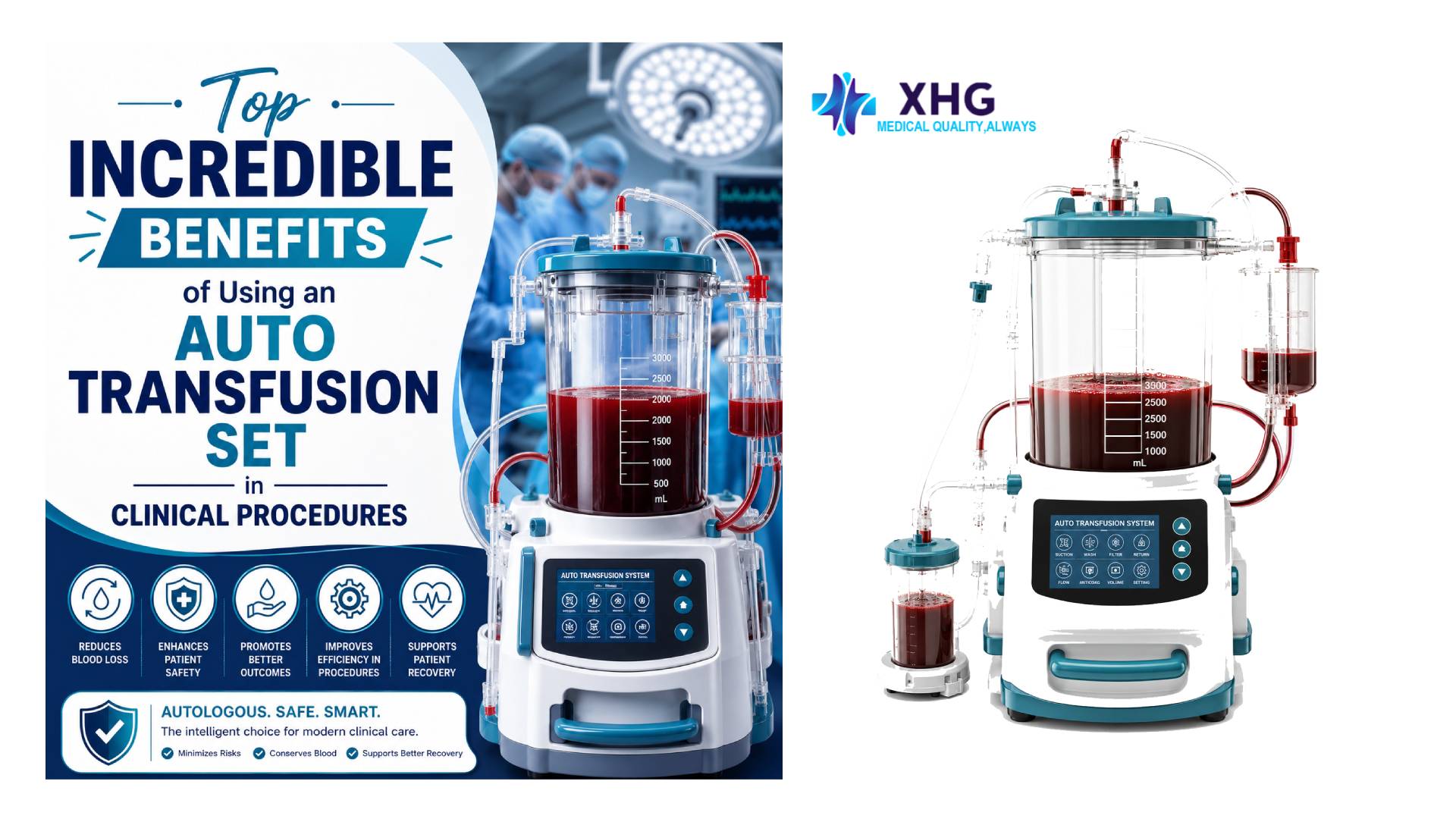
In the evolving landscape of modern healthcare, efficiency and patient safety remain paramount. Medical facilities are increasingly turning to advanced solutions to optimize surgical outcomes and resource management. Among these solutions, the auto transfusion set has emerged as a critical tool, allowing for the recovery and re-infusion of a patient’s own blood during procedures. This approach not only mitigates the risks associated with allogeneic transfusions but also addresses significant supply chain concerns. For wholesalers and distributors, understanding the value proposition of these sets is essential to meeting the growing demands of hospitals and surgical centers. The integration of a high-quality auto transfusion set into standard inventory represents a strategic move toward supporting better clinical practices.
The utilization of an auto transfusion set provides a robust answer to the challenges of blood shortages and compatibility issues. By collecting blood from the surgical field, filtering it, and returning it to the patient, clinicians can significantly reduce the dependency on donor blood banks. This process is particularly vital in complex surgeries such as cardiac, orthopedic, and trauma procedures, where blood loss can be substantial. The reliability of the auto transfusion set ensures that valuable red blood cells are not wasted but are instead preserved for the patient’s immediate physiological needs. Consequently, this technology improves patient recovery times and reduces the likelihood of transfusion reactions, making it a preferred choice in operating rooms worldwide.
For B2B buyers and procurement managers, the implications of this technology extend beyond clinical outcomes to operational efficiency. Investing in superior auto transfusion sets means equipping healthcare providers with tools that streamline workflows and reduce procedural delays. The demand for these sets is driven by a necessity for cost-effective blood management solutions that do not compromise on safety. As healthcare systems globally strive to reduce expenditures, the economic advantages of autologous transfusion become undeniable. Wholesalers who stock these specialized medical devices position themselves as partners in healthcare efficiency, offering products that directly contribute to the financial and operational sustainability of medical institutions.
Furthermore, the market dynamics are shifting towards integrated systems that combine ease of use with high-performance filtration. A standard auto transfusion set is no longer just a collection bag but a sophisticated system designed to maximize the yield of viable blood. This evolution in design necessitates a closer look at the manufacturing quality and the specific features that benefit end-users. Distributors must prioritize sourcing from manufacturers who adhere to rigorous quality standards, ensuring that every auto transfusion set delivered to a clinic meets the highest safety benchmarks. This focus on quality assurance is what distinguishes reliable wholesale suppliers in a competitive medical device market.
1. Why Auto Transfusion Sets Are Critical for Modern Clinical Efficiency
The primary driver for the adoption of an auto transfusion set in clinical settings is the imperative to enhance patient safety while optimizing resource utilization. Invasive surgeries often lead to significant blood loss, and the ability to salvage and re-infuse this blood is a game-changer. The auto transfusion set facilitates a closed-loop system that minimizes the risk of contamination and infection, which is a critical concern for any surgical team. By reducing the need for donor blood cross-matching and storage, hospitals can accelerate the preparation process for emergencies.
This immediacy is crucial in trauma cases where time is of the essence, and the rapid availability of blood products can determine survival rates. The efficiency gained through this technology allows medical professionals to focus more on the surgical procedure itself rather than managing complex transfusion logistics.
Financial constraints within the healthcare sector further propel the necessity of these devices. The costs associated with screening, storing, and transfusing allogeneic blood are substantial, placing a burden on hospital budgets. An auto transfusion set offers a cost-effective alternative by lowering the per-patient cost of blood management. For wholesale buyers, this represents a significant selling point; the product offers a return on investment for the purchasing facility by reducing overhead costs related to blood bank services. Hospitals are increasingly evaluating purchases based on long-term savings and value-based care models. By promoting the cost-efficiency of auto transfusion, suppliers align their offerings with the financial goals of their clients, fostering stronger B2B relationships.
From a logistical standpoint, the simplicity and compact nature of modern auto transfusion sets contribute to their critical role in clinical efficiency. These devices are designed for rapid deployment, requiring minimal setup time in the operating room. This ease of use translates to reduced staff training time and quicker integration into existing surgical protocols. In high-volume surgical centers, the cumulative time saved by using efficient equipment can lead to increased patient throughput. Distributors should highlight the user-friendly design of these sets when marketing to hospitals, as operational workflow is a key decision factor for procurement managers. The ability to seamlessly integrate into current practices without causing disruption is a hallmark of a valuable medical device.
Moreover, the reliability of an auto transfusion set reduces the likelihood of wastage, a common issue with donated blood units that may expire before use. Autologous transfusion ensures that the blood recovered is immediately available for the specific patient, eliminating the discard rate associated with banked blood. This efficiency is not only economically beneficial but also ethically sound, promoting the responsible use of biological resources. For businesses involved in the medical supply chain, championing products that reduce waste aligns with the growing emphasis on sustainability in healthcare. The market is increasingly favoring suppliers who can demonstrate how their products contribute to greener, more efficient hospital ecosystems.
1.1 How Safety Standards Drive the Demand for Reliable Blood Transfusion Drip Sets
Safety is the non-negotiable cornerstone of any medical procedure involving intravenous therapy. The blood transfusion drip set acts as the vital conduit between the blood source and the patient, making its integrity paramount. In the context of auto transfusion, where blood is collected and re-infused, the quality of the drip set determines the purity of the returned blood.
Regulatory bodies across the globe enforce stringent standards to ensure that these devices are free from pyrogens and particulate matter. For B2B clients, the assurance that a blood transfusion drip set complies with international safety standards like ISO or FDA regulations is often the primary factor in the purchasing decision. These standards serve as a guarantee of quality, reducing the liability and risk for the healthcare providers utilizing them.
The construction materials of a blood transfusion drip set are specifically engineered to prevent hemolysis and clotting during the transfusion process. High-grade medical PVC or other non-toxic polymers are used to ensure the biocompatibility of the set. This is particularly relevant when dealing with auto transfusion, where the blood may have undergone filtration and washing processes. Any interaction between the plastic and the blood cells could compromise the efficacy of the transfusion. Suppliers must educate their buyers on the material science behind their products, emphasizing how superior materials lead to better patient outcomes. This technical knowledge helps wholesalers differentiate their offerings in a market flooded with generic, lower-quality alternatives.
Advanced filtration mechanisms integrated into the blood transfusion drip set are another key aspect driving demand. Modern sets often feature built-in micro-filters that capture aggregates and micro-clots before the blood enters the patient’s bloodstream. This is crucial for preventing complications such as pulmonary embolisms or transfusion reactions. As clinical protocols become more sophisticated, the expectation for equipment performance rises. Distributors need to source products that offer advanced filtration capabilities to meet the rigorous demands of modern surgery. Highlighting the technical specifications of the filter, such as pore size and filtration efficiency, provides buyers with the data they need to make informed procurement decisions.
Furthermore, the design of the blood transfusion drip set incorporates safety features such as sharp-free components and secure locking mechanisms to prevent accidental disconnections or needlestick injuries. These features protect both the patient and the healthcare staff, addressing the dual priorities of patient care and occupational safety. In a wholesale context, offering products that enhance workplace safety is a compelling value proposition. Hospitals are keen to minimize workplace incidents, and providing equipment that mitigates these risks is highly valued. Therefore, the demand for high-quality, safety-compliant drip sets is driven by a holistic approach to risk management in the clinical environment.
1.2 Why Cost-Effectiveness Matters for Bulk Purchasing of Medical Supplies
In the realm of medical procurement, cost-effectiveness is not merely about finding the lowest price tag; it is about maximizing value per unit spent. When purchasing an auto transfusion set or related consumables in bulk, healthcare institutions are looking for durability, reliability, and performance consistency. A cheaper product that fails during a procedure can lead to exponentially higher costs in terms of wasted time, compromised patient safety, and the need for emergency replacements. Therefore, B2B buyers are increasingly analyzing the total cost of ownership rather than just the upfront acquisition cost. Wholesalers who can demonstrate the long-term cost savings of their premium products are better positioned to secure large-volume contracts.
The economic pressures on healthcare systems, exacerbated by global inflation and post-pandemic recovery, have forced hospitals to scrutinize every expenditure. Bulk purchasing of auto transfusion sets allows facilities to leverage economies of scale, significantly reducing the cost per procedure. However, this bulk buying strategy requires a supplier that can guarantee consistent quality across large batches. Variability in product quality can lead to procedural inconsistencies, which clinical managers strive to avoid. Suppliers offering customization options at scale can further enhance cost-effectiveness by tailoring the auto transfusion set specifications to the exact needs of the hospital, eliminating unnecessary features that drive up costs.
Inventory management is another critical factor where cost-effectiveness plays a role. Overstocking leads to capital being tied up in storage, while understocking risks procedure cancellations. Reliable wholesalers provide just-in-time delivery services and flexible bulk packaging options that optimize inventory levels for their clients. By streamlining the supply chain for the auto transfusion set and associated equipment, suppliers help hospitals reduce storage costs and minimize waste from expired products. This logistical efficiency translates into direct financial benefits for the buying organization, reinforcing the importance of choosing a strategic supply partner rather than a transactional vendor.
Moreover, the focus on value-based care means that medical outcomes are directly linked to financial reimbursement. Complications arising from poor-quality equipment, such as infections or transfusion reactions, can result in penalties and increased readmission rates. Investing in high-quality auto transfusion sets is a proactive measure to avoid these costly adverse events. B2B buyers are well aware of these financial implications and are willing to partner with suppliers who prioritize patient safety and product efficacy. Consequently, the sales narrative must shift from “low price” to “high value,” demonstrating how the product contributes to the financial health of the hospital through superior clinical performance.
2. How Customization in Blood Transfusion IV Set Design Enhances Patient Outcomes
The move towards personalized medicine has permeated every aspect of healthcare, including the design of consumables like the blood transfusion iv set. Standardization has its benefits, but the ability to customize these sets to meet specific clinical needs can significantly enhance patient outcomes. For instance, different surgical procedures may require varying flow rates or tubing lengths to ensure optimal delivery of blood products. By offering customized solutions, manufacturers allow clinicians to work with equipment that seamlessly fits their procedural workflows, reducing the physical strain and cognitive load on the staff. This optimization directly benefits the patient by ensuring a smoother, more controlled transfusion process.
Customization also extends to the integration of specific technologies or sensors within the blood transfusion iv set. Some modern sets can be equipped with features that allow for the monitoring of fluid temperature or pressure, providing real-time data to the surgical team. For B2B clients, particularly large hospital networks, the opportunity to standardize on a custom-designed set that incorporates these advanced features across all their facilities is highly attractive. It simplifies training and ensures a uniform standard of care. Suppliers that offer strong OEM and ODM capabilities can tap into this demand, creating bespoke products that address the unique challenges of their partner institutions.
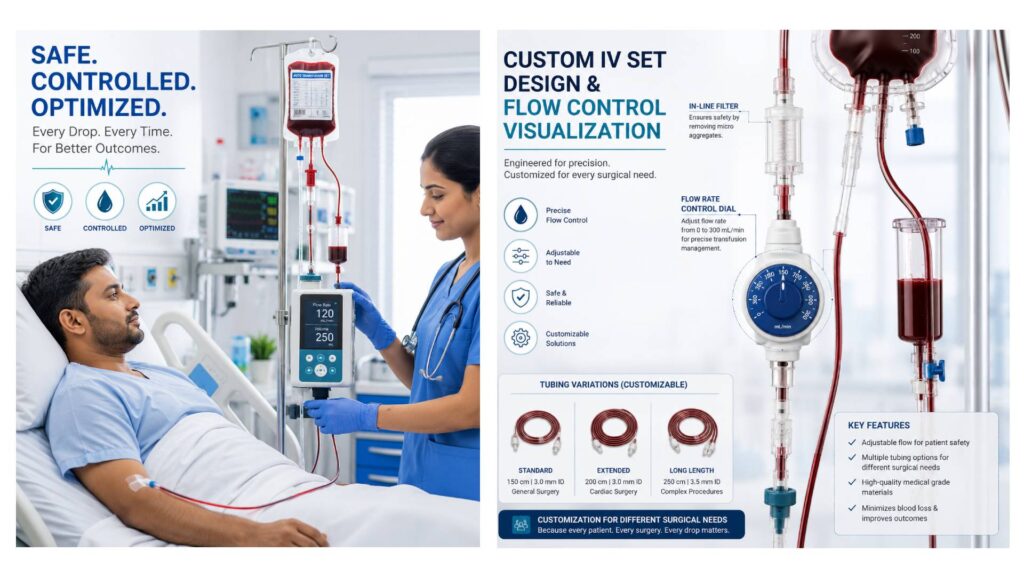
Patient comfort and safety are also significantly improved through thoughtful customization of the blood transfusion iv set. Features such as soft, flexible catheters or specialized coatings that reduce vein irritation can make a substantial difference for patients requiring prolonged transfusion therapy. Pediatric patients, for example, require sets with much smaller priming volumes and precision flow regulators to prevent fluid overload. A wholesale supplier that can provide these specialized variations ensures that hospitals are equipped to treat diverse patient populations effectively. This adaptability is a key differentiator in the market, proving that the supplier understands the nuanced needs of different clinical departments.
From a branding perspective, customized equipment offers a unique opportunity for healthcare providers. Private labeling of the blood transfusion iv set allows hospitals or distributor brands to build trust and recognition. While this may seem like a marketing detail, it fosters a sense of accountability and quality assurance. When a hospital’s name is on the equipment, it reinforces their commitment to patient care. For the distributor, offering private-label customizations strengthens the business relationship, locking in client loyalty by becoming an integral part of their service delivery. This strategic partnership approach is far more resilient than competing solely on commodity pricing.
2.1 Which 2025 and 2026 Market Trends Are Influencing the Auto Transfusion Industry
The medical device landscape is rapidly changing, and staying ahead of 2025 and 2026 market trends is crucial for B2B success. One of the most significant trends observed in early 2025 is the heightened focus on “Green Surgery” and sustainability. Hospitals are actively seeking eco-friendly alternatives to single-use plastics, including the auto transfusion set. Manufacturers are responding by researching biodegradable materials or recyclable components for these sets without compromising sterility. Market projections for 2026 suggest that sustainability will become a key procurement criterion, meaning suppliers must adapt their product lines to include environmentally responsible options. This shift is not just a regulatory requirement but a response to the growing social responsibility mandates within healthcare.
Another trend shaping the industry is the integration of digital technology with analog devices. While the auto transfusion set is traditionally a mechanical device, there is a growing demand for “smart” compatibility. This includes designing sets that easily interface with digital data loggers or electronic health records (EHR) systems. By 2026, industry analysts predict a surge in the demand for intelligent transfusion systems that can automatically log the volume of blood salvaged and re-infused. For wholesalers, this means stocking next-generation products that are compatible with hospital IT ecosystems. The ability to offer products that bridge the gap between physical care and digital records will be a significant competitive advantage.
Market data from 2025 also indicates a robust growth in the ambulatory surgical center (ASC) sector. As more surgeries move out of traditional hospitals and into ASCs, the demand for compact, easy-to-use auto transfusion sets is rising. These smaller facilities have different space and workflow constraints compared to large hospitals. Consequently, the market is seeing a trend towards more portable and all-in-one auto transfusion solutions. Suppliers need to tailor their inventory to meet the needs of this expanding market segment, offering products that are space-efficient and require minimal setup. Understanding the demographic shift towards outpatient care is essential for accurate demand forecasting and inventory management.
Furthermore, the global supply chain disruptions experienced in previous years have led to a trend towards diversification and localization of sourcing. Hospitals are increasingly relying on wholesalers who maintain robust, diversified supply chains to mitigate the risk of shortages. In 2025 and 2026, we expect to see a rise in regional stockpiling of essential consumables like the blood transfusion drip set and auto transfusion sets. Distributors who can guarantee consistent supply, regardless of global logistics challenges, will become preferred partners. This trend emphasizes the importance of strong inventory management and the ability to navigate complex international trade regulations to ensure product availability.
2.2 How to Select the Best Wholesale Partner for Auto Transfusion Equipment
Selecting the right wholesale partner for auto transfusion equipment is a strategic decision that impacts a hospital’s operational resilience. The first criterion for selection should be the supplier’s commitment to regulatory compliance and quality assurance. A reputable wholesaler will only source the auto transfusion set from manufacturers who hold relevant certifications such as CE, ISO 13485, and FDA approvals. Buyers must demand full traceability of the products to ensure that every item can be tracked back to its production batch. This transparency is vital for managing recalls and ensuring patient safety. A partner who prioritizes compliance protects the hospital from legal and reputational risks.
Experience and technical expertise are equally important factors. The ideal wholesale partner should possess deep knowledge of the auto transfusion field and be able to provide technical support to their clients. They should be able to explain the differences between various models of a blood transfusion iv set or recommend the best configurations for specific surgical applications. This consultative selling approach adds value beyond mere distribution. It transforms the supplier into a trusted advisor who helps the hospital optimize its consumable usage. B2B buyers should assess the technical training and support capabilities of the wholesaler before entering into a partnership.
Customization capabilities are a defining trait of a top-tier wholesale partner. As discussed, the ability to offer tailored solutions—whether it’s specific packaging, branding, or product modifications—is a significant asset. A supplier with strong OEM relationships can facilitate these customizations, ensuring that the hospital’s unique requirements are met. When evaluating potential partners, hospitals should inquire about the supplier’s flexibility regarding minimum order quantities (MOQs) and lead times for custom orders. A partner willing to accommodate specific logistical and design needs demonstrates a commitment to the client’s success, which is invaluable in a long-term business relationship.
Finally, logistical reliability and financial stability are the bedrocks of a good wholesale partnership. The supplier must have a proven track record of on-time delivery and the financial health to maintain stock levels. In the volatile medical device market, having a partner who can weather supply chain fluctuations ensures that the hospital never faces critical shortages. Evaluating the supplier’s warehousing capabilities, distribution network, and contingency planning is essential. By choosing a financially stable and logistically sound partner for their auto transfusion set needs, healthcare providers ensure continuity of care and operational stability.
3. Why Strategic Sourcing Is the Future of Medical Supply Chains
Strategic sourcing is rapidly becoming the philosophy guiding forward-thinking medical supply chains, moving away from transactional purchasing toward value-based integration. This shift recognizes that the way an auto transfusion set is procured affects the entire continuum of care. By aligning procurement strategies with clinical outcomes, hospitals can drive improvements in both quality and cost. Strategic sourcing involves a holistic analysis of the supply chain, identifying opportunities for standardization and consolidation. For the auto transfusion set, this might mean standardizing on a single high-quality model across the entire health network to reduce training complexities and bulk purchasing power. This streamlined approach simplifies inventory management and reduces the administrative burden on procurement staff.
The complexity of the global medical device market necessitates a more strategic approach to risk management. Recent years have highlighted the vulnerabilities of “just-in-time” manufacturing and distant sourcing. A strategic sourcing model emphasizes diversification and the development of local or regional supply buffers for critical items like the blood transfusion drip set. By building relationships with multiple tier-one manufacturers, wholesalers can insulate their clients from global disruptions. This resilience is crucial for maintaining elective surgery schedules and emergency preparedness. Healthcare providers are increasingly prioritizing suppliers who can demonstrate robust risk mitigation strategies and supply chain agility.
Data analytics plays a pivotal role in the future of strategic sourcing. Modern procurement teams are utilizing big data to predict usage patterns, optimize inventory levels, and identify spending trends. By analyzing data related to the usage of the auto transfusion set, hospitals can forecast demand more accurately and negotiate better contracts with suppliers. This data-driven approach removes guesswork from the procurement process, leading to more informed decision-making. Wholesalers who can provide their clients with detailed usage data and market intelligence empower them to optimize their operations. This collaborative, data-centric relationship defines the next generation of B2B medical supply partnerships.
Ultimately, strategic sourcing is about fostering innovation. By working closely with suppliers who invest in research and development, healthcare providers can gain early access to cutting-edge technologies. Whether it is a more efficient filter for a blood transfusion iv set or a more ergonomic design for an auto transfusion set, strategic partnerships facilitate a feedback loop between clinical end-users and manufacturers. This collaboration drives continuous improvement in product design and functionality. For B2B buyers, this means that a well-chosen supplier is not just a vendor but a pipeline to innovation, helping the hospital stay at the forefront of medical advancement.
In conclusion, the benefits of incorporating a high-quality auto transfusion set into clinical procedures are multifaceted, ranging from enhanced patient safety to significant cost savings. As the healthcare industry continues to evolve towards greater efficiency, personalization, and sustainability, the demand for these specialized devices will only grow. For wholesalers and distributors, the opportunity lies in offering not just products, but comprehensive solutions that include customization, strategic logistics, and technical expertise. We invite you to contact our team today to discuss how our wholesale and customization services for auto transfusion sets can meet your specific business needs and help you deliver superior value to your clients.
Frequently Asked Questions
1. What are the primary advantages of using an auto transfusion set in surgical procedures?
The primary advantage of an auto transfusion set is its ability to recover and re-infuse the patient’s own blood, significantly reducing the reliance on donor blood banks. This minimizes the risks of transfusion reactions, infections, and blood incompatibility. From a B2B perspective, these sets offer hospitals a cost-effective solution by lowering the costs associated with cross-matching, storing, and purchasing allogeneic blood, while also optimizing inventory management.
2. How does a blood transfusion drip set differ from a standard IV set?
While both sets deliver fluids, a blood transfusion drip set is specifically designed to handle the higher viscosity and cellular components of blood. They typically feature a larger gauge needle and a specialized filter to trap clots and aggregates, ensuring smooth flow and patient safety. Unlike standard IV sets, these are essential for maintaining the integrity of blood products during auto transfusion or donor transfusion procedures.
3. Why is customization important when purchasing a blood transfusion iv set for bulk orders?
Customization allows hospitals and distributors to tailor the blood transfusion iv set to specific clinical needs or branding requirements. This can include adjusting tubing length, adding specific flow regulators, or integrating advanced filtration mechanisms. For B2B buyers, offering customized solutions enhances competitive advantage, fosters client loyalty, and ensures the equipment perfectly fits the workflow of different surgical departments.
4. What safety standards should a wholesale auto transfusion set meet?
A high-quality auto transfusion set must comply with international standards such as ISO 13485, ISO 10555, and FDA regulations. Compliance ensures the device is biocompatible, sterile, and pyrogen-free. B2B buyers should verify that the manufacturing process utilizes medical-grade PVC and includes rigorous quality control checks to guarantee patient safety and minimize liability for healthcare providers.
5. How does the auto transfusion set contribute to cost savings in healthcare facilities?
Investing in a reliable auto transfusion set reduces the per-procedure cost of blood management by eliminating the need for expensive donor blood units. It also reduces complications associated with allogeneic transfusions, which can lead to extended hospital stays and increased treatment costs. For procurement managers, this translates to a high return on investment through lower supply chain expenditures and improved operational efficiency.
6. Can these transfusion sets be used for all types of surgeries?
Auto transfusion sets are most commonly used in surgeries with anticipated high blood loss, such as cardiac, orthopedic (spinal and joint replacements), vascular, and trauma procedures. However, they are not suitable for surgeries where the field is contaminated with bacteria or malignancy, as this could lead to re-infusing infected or cancerous cells. Wholesale suppliers should provide clear usage guidelines to ensure appropriate clinical application.
7. What role does the blood transfusion drip set play in patient recovery?
The blood transfusion drip set ensures the controlled and safe delivery of salvaged blood, maintaining the patient’s hemodynamic stability during and after surgery. By utilizing sets with advanced air-elimination filters and precise flow control, clinicians can prevent complications like air embolisms or fluid overload. This reliability contributes significantly to a smoother recovery and reduced post-operative interventions.
8. What are the key market trends for auto transfusion sets in 2025 and 2026?
Industry forecasts for 2025 and 2026 indicate a shift towards “Green Surgery,” with a demand for eco-friendly and recyclable materials in auto transfusion sets. Additionally, there is a growing trend towards integrating “smart” technology compatibility, allowing sets to interface with digital monitoring systems. B2B buyers should look for suppliers who are innovating in sustainability and digital integration to meet future market demands.
9. How can distributors ensure they are selecting the right wholesale partner for these products?
Distributors should evaluate partners based on their quality assurance certifications, logistical reliability, and capacity for customization. A good wholesale partner will offer traceability for every auto transfusion set, provide technical support, and maintain a stable supply chain to prevent shortages. Assessing their financial stability and production capabilities is also crucial for ensuring long-term inventory security.
10. Is private labeling available for blood transfusion iv sets and drip sets?
Yes, many manufacturers offer OEM services that allow wholesalers and large hospital networks to apply private labels to blood transfusion iv sets and drip sets. This customization helps businesses build brand recognition and trust within the healthcare market. When sourcing, it is important to discuss minimum order quantities (MOQs) and lead times to ensure the private labeling process aligns with inventory needs.