Introduction
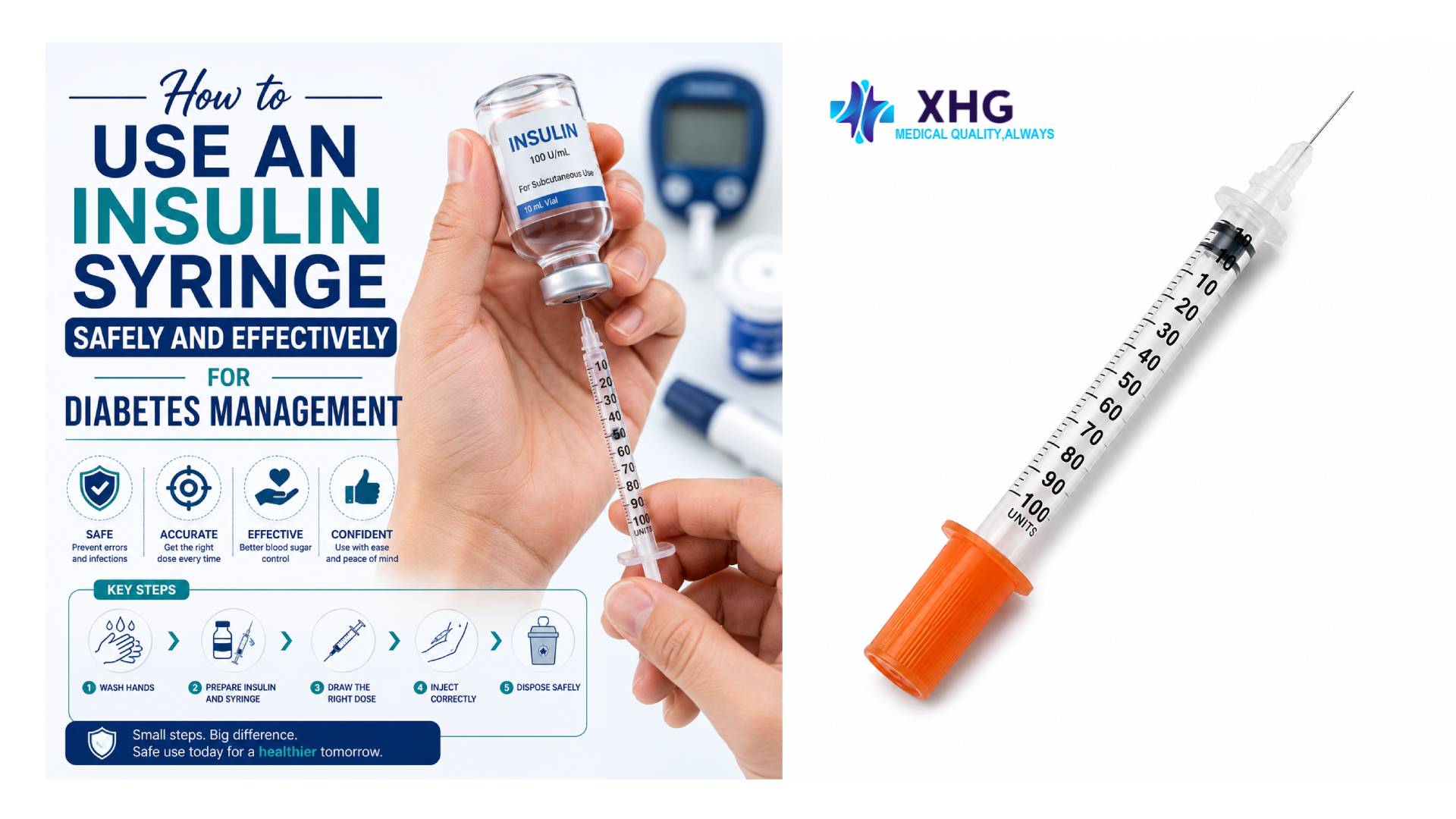
Diabetes management remains a critical global health challenge, driving the demand for precise, reliable, and user-friendly medical devices. For wholesalers, distributors, and healthcare providers, understanding the nuances of these devices is essential to meet the rising needs of the market. The ability to safely administer insulin is the cornerstone of patient care, and the tools provided to the end-user play a pivotal role in treatment success. Selecting the right inventory, such as high-quality easy touch insulin syringes, ensures that patients have access to equipment that minimizes pain and maximizes dosage accuracy.
The market for diabetic supplies is not only about functionality but also about trust and brand reliability. When businesses stock a superior insulin syringe, they are investing in patient compliance and safety. As we look toward the statistics of 2025 and the projections for 2026, the volume of required supplies is set to increase, making it imperative for B2B buyers to refine their procurement strategies. This guide delves into the safe usage of these devices, the importance of product specifications like the 1ml insulin syringe, and how customization can elevate a wholesale business to new heights.
1. Why Choosing the Right Insulin Syringe is Critical for Patient Safety
Patient safety is the primary objective in diabetes care, and the choice of equipment directly influences health outcomes. An inferior or poorly designed insulin syringe can lead to dosage errors, which in turn can cause hypoglycemia or hyperglycemia, both of which are dangerous for the patient. High-quality syringes are engineered to ensure smooth plunger movement and clear, precise markings, reducing the likelihood of user error. For wholesalers, prioritizing safety in the product selection process builds a reputation for reliability and care among healthcare partners.
Beyond basic functionality, the material quality of the syringe impacts the patient experience. Syringes with non-toxic, medical-grade plastic and ultra-fine needles reduce the risk of allergic reactions and injection site bruising. Products like easy touch insulin syringes are designed with patient comfort in mind, featuring lubricated needles that penetrate the skin effortlessly. This focus on comfort encourages adherence to medication schedules, a critical factor in long-term disease management. Distributors must recognize that comfort features are not merely luxuries but essential components of effective treatment.
The standardization of specific volumes, such as the 1ml insulin syringe, also plays a vital role in safety protocols. This specific size allows for the measurement of larger doses often required by patients with significant insulin resistance, ensuring they can administer their full prescription in a single injection rather than splitting it into multiple painful shots. Providing a range of sizes, including the popular U-100 standard, ensures that clinics and pharmacies can cater to the diverse needs of their patient base. Accurate volume measurement is non-negotiable, and stocking the correct configurations is a responsibility of the supply chain.
Furthermore, the risk of infection is mitigated by the use of single-use, sterile syringes. Wholesale buyers must verify that their manufacturing partners adhere to stringent sterilization standards and quality control measures. A compromised syringe can introduce pathogens directly into the bloodstream, leading to severe complications. Therefore, the safety argument extends beyond the mechanics of injection to the hygienic integrity of the product. By sourcing from reputable manufacturers who guarantee sterility, businesses protect themselves from liability and, more importantly, protect the end-user.
1.1 How the Global Demand for Insulin Syringes is Shaping 2026 Market Trends
The diabetic population is expanding at an unprecedented rate, creating a surge in demand for consumable medical supplies. Recent 2025 statistics indicate a continued rise in Type 2 diabetes diagnosis globally, particularly in emerging markets. This trend necessitates a robust supply chain to ensure that an insulin syringe is available to every patient who needs one. Market insights for 2026 suggest that the demand will not only grow in volume but also in sophistication, with buyers seeking more advanced features such as shorter needles and ultra-fine gauges to improve the patient experience.
This growing demand presents a significant opportunity for wholesalers and distributors to expand their market share. However, it also brings challenges in inventory management and logistics. Businesses must anticipate seasonal fluctuations and long-term trends to avoid stockouts that could jeopardize patient care. The focus is shifting towards just-in-time delivery systems and bulk purchasing agreements that ensure a steady flow of easy touch insulin syringes to hospitals and retail pharmacies. Staying ahead of these curves requires data-driven forecasting and strong relationships with manufacturers.
The market is also seeing a shift in consumer behavior, with more patients purchasing their supplies in bulk online. This B2C trend impacts B2B distributors, who must now equip their e-commerce platforms to handle larger individual orders while maintaining professional service standards. The accessibility of the 1ml insulin syringe through online channels means that wholesalers must optimize their digital presence. Visibility on search engines and the availability of detailed product information are becoming key differentiators in a crowded digital marketplace.
Additionally, economic factors in 2026 are expected to drive the consolidation of supply chains. Healthcare providers are looking to reduce costs by partnering with large-scale distributors who can offer competitive pricing on high-volume orders. This puts pressure on smaller wholesalers to differentiate themselves through value-added services like customization or specialized product training. Understanding these market dynamics is crucial for any business looking to thrive in the medical supply sector over the coming years.
1.2 Which Key Features Define a High-Quality 1ml Insulin Syringe
When evaluating products for bulk purchase, specific technical features distinguish a premium product from a standard one. The 1ml insulin syringe is a staple in inventory due to its versatility, but the quality can vary significantly between brands. The primary feature to look for is the clarity of the barrel graduation. Bold, easy-to-read numbers minimize the risk of dosage errors, a critical aspect for elderly patients or those with visual impairments. A high-quality barrel allows for precise measurement down to the smallest unit, ensuring exact insulin delivery.
The needle technology is another defining characteristic. Advanced manufacturing processes produce needles that are not only sharp but also electropolished to remove any microscopic burrs that can cause pain or tissue trauma. Easy touch insulin syringes, for example, utilize this technology to ensure a smooth injection process. For wholesale buyers, stocking syringes with various needle gauges, such as 28G, 29G, 30G, and 31G, allows customers to choose the level of comfort that suits their specific skin type and injection preference. Thinner needles generally mean less pain, a major selling point for patient compliance.
The plunger mechanism is the third critical component. A high-quality insulin syringe features a lubricated plunger that moves with minimal friction. This “smooth glide” action is essential for patients with limited dexterity, such as the elderly, who may struggle with stiff syringes. A smooth plunger allows for the aspiration of the medication and the depression of the plunger to be controlled and steady. If the plunger sticks, it can lead to sudden, fast injection of insulin, which is painful and delivers the medication too quickly. Ensuring consistent quality in this mechanical part is vital for user satisfaction.
Finally, the flange design contributes to the overall usability. The flange is the wings at the base of the syringe that the user holds against their skin to stabilize the device. A wider flange provides a better grip and prevents the syringe from slipping during injection. For businesses looking to customize their products, the flange offers an excellent surface area for branding or color-coding different needle sizes. These subtle design improvements enhance the functionality of the 1ml insulin syringe and demonstrate a manufacturer’s commitment to user-centric design.
2. How to Maximize Safety When Using an Insulin Syringe
Ensuring the safety of insulin administration involves a combination of proper technique and high-quality equipment. For healthcare providers and educators teaching patients, the process begins with inspection. Users must be trained to examine the insulin syringe packaging for integrity and check the expiration date before use. A damaged package or expired product compromises sterility and potency. Distributors can support this step by ensuring that packaging is durable and clearly marked. Teaching the importance of a sterile barrier is the first line of defense against infection.
The actual injection technique is equally important for safety and efficacy. Patients should be instructed on how to rotate injection sites to prevent lipodystrophy—the thickening of fatty tissue which can affect insulin absorption. Using a fresh 1ml insulin syringe for every injection is non-negotiable; reuse can dull the needle, bend the tip, and introduce bacteria. Wholesalers play a role here by making single-use syringes affordable and accessible, thereby removing the economic temptation for patients to reuse devices. Education on “single use” should be a key part of the marketing material provided with bulk orders.
Air bubbles are another safety concern that can affect dosage accuracy. Proper technique involves tapping the side of the insulin syringe to float air bubbles to the top and expelling them before injecting. This ensures the patient receives the full intended dose of insulin. For B2B customers, providing instructional guides or QR codes on packaging that link to tutorial videos adds immense value. When the end-user feels confident in their technique, adherence improves, and the perceived value of the product increases. This service-oriented approach helps distributors build stronger relationships with clinics and pharmacies.
Disposal is the final step in the safety protocol. Used syringes are biohazards and must be disposed of in FDA-cleared sharps containers. Puncturing the skin creates a potential point of transmission for blood-borne pathogens. Easy touch insulin syringes often feature safety mechanisms or can be paired with safety caps that allow for safe handling post-injection. Distributors should consider offering a line of sharps disposal containers alongside their syringe inventory to provide a complete safety solution. This holistic approach to diabetes management packaging is highly attractive to institutional buyers looking to streamline their supply sourcing.
2.1 Which Customization Options Are Available for Wholesale Insulin Syringe Orders
In a competitive market, product differentiation is key, and customization offers a powerful avenue for distinction. Wholesalers and retailers can leverage private labeling to build their own brand identity within the medical space. By adding a company logo, specific colors, or unique packaging designs to an insulin syringe, businesses can foster brand loyalty. Patients often recognize and trust the brand they see at home repeatedly, making private label an effective strategy for pharmacies and large healthcare networks to retain their customer base.
Customization also extends to the technical specifications of the product. Buyers can work with manufacturers to customize the graduation markings on the barrel of a 1ml insulin syringe to align with specific prescription regimens or regional measurement preferences. For example, some markets may prefer half-unit markings for low-dose insulin users. Offering these specialized configurations sets a distributor apart from competitors who only stock standard, generic options. It demonstrates a deep understanding of clinical needs and a willingness to provide tailored solutions.
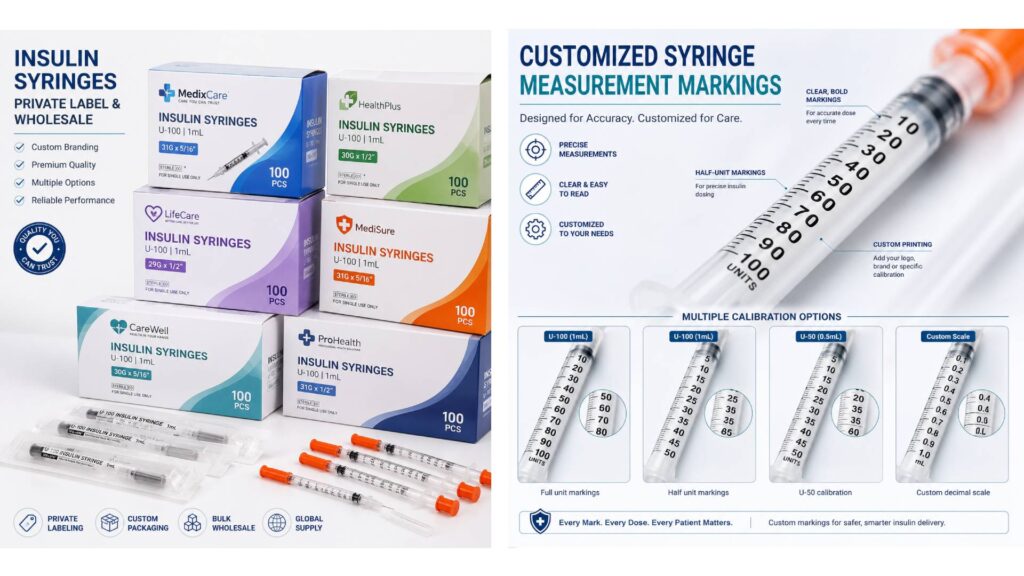
Packaging customization is another significant opportunity. Bulk orders can be packaged in quantities that suit the end-user, such as boxes of 100 for individual retail or larger cases for hospital use. Furthermore, the box design can include educational content, branding, and color-coding for different needle sizes. Easy touch insulin syringes can be bundled with complementary products like alcohol swabs in a custom kit. These bundles are particularly attractive to B2B buyers in the retail sector, as they increase the average order value and provide convenience to the customer.
Finally, customization can address environmental concerns, which are becoming increasingly important in the healthcare sector. Distributors can inquire about eco-friendly materials for packaging or explore syringe disposal programs that align with sustainability goals. While the insulin syringe itself must remain sterile and plastic-based for safety, the secondary packaging can often be made from recycled materials. Promoting a “green” line of medical supplies can attract contracts from environmentally conscious hospitals and government health organizations looking to reduce their carbon footprint.
2.2 How Customized 1ml Insulin Syringes Enhance Brand Value
Brand value in the medical supply industry is built on reliability, recognition, and trust. When a distributor offers a customized 1ml insulin syringe, they are effectively putting their reputation on the line with every injection. This strong association reinforces the brand’s commitment to quality. If a patient has a positive experience—specifically a painless and easy injection—they attribute that success to the brand name on the barrel. Over time, this creates a loyal customer base that specifically requests that brand, reducing churn for the distributor.
Customization also allows for targeted marketing. For instance, a distributor catering to pediatric diabetic clinics can order syringes with colorful, friendly packaging or smaller, easier-to-hold flanges. Conversely, a supplier for geriatric care might focus on high-contrast markings and ergonomic grips. By tailoring the insulin syringe to the specific demographic, the brand becomes deeply integrated into the specialized care protocol. This niche marketing is highly effective, as it solves specific problems that generic products cannot address.
From a B2B perspective, customized products act as a barrier to entry for competitors. Once a hospital or pharmacy chain has integrated a specific branded syringe into their inventory and electronic medical records, switching costs become high. The familiarity that the nursing staff and patients have with that specific 1ml insulin syringe creates inertia. Distributors who secure these custom contracts benefit from long-term, recurring revenue streams. It transforms a simple commodity into a strategic asset for the business.
Furthermore, brand value is enhanced through the perception of innovation. A company that continuously improves its product offerings through custom features is seen as a leader rather than a follower. By introducing easy touch insulin syringes with custom coatings or advanced safety features, the brand positions itself at the forefront of diabetes care technology. This perception of leadership attracts high-value partners and allows for premium pricing. Ultimately, customization moves the conversation from “how much does it cost” to “what unique value do you provide,” yielding better margins.
3. How to Navigate the Supply Chain for Easy Touch Insulin Syringes
Navigating the supply chain for medical devices requires a strategic approach to sourcing, logistics, and compliance. For high-demand items like easy touch insulin syringes, establishing direct relationships with manufacturers or authorized master distributors is crucial. This direct line of communication ensures transparency regarding production schedules, potential shortages, and quality control issues. Cutting out unnecessary middlemen not only improves cost margins but also ensures product authenticity, which is a major concern in the medical industry.
Inventory management is another critical aspect of the supply chain. Given the shelf life of medical products and the constant demand for diabetes supplies, distributors must utilize sophisticated forecasting tools. Overstocking can lead to expired products and financial loss, while understocking can damage relationships with B2B clients. Implementing a just-in-time inventory system, supported by reliable shipping partners, helps maintain the optimal stock levels of 1ml insulin syringe units. This efficiency is passed on to the customer in the form of consistent availability.
Regulatory compliance is a non-negotiable factor in the supply chain. Every shipment of insulin syringe products must be accompanied by the correct documentation, including certificates of analysis, sterility reports, and FDA clearances. Navigating these regulatory landscapes requires expertise. Successful distributors often employ dedicated compliance teams to ensure that all imports and exports meet the stringent standards of the destination countries. This diligence prevents costly border delays and legal complications that can disrupt the supply chain.
Finally, diversifying the supplier base is a risk management strategy. While sticking to a single manufacturer for easy touch insulin syringes might simplify ordering, it exposes the business to significant risk if that factory faces shutdowns or logistical hurdles. Savvy B2B buyers cultivate relationships with multiple certified suppliers to ensure redundancy. This agility allows them to pivot quickly during global disruptions, ensuring that their customers always have access to the life-saving medications and tools they need.
3.1 Which Safety Certifications Buyers Should Look For in 2025
As regulations evolve and safety standards become more rigorous, buyers must be vigilant about certifications. In 2025, the ISO 13485 certification remains the gold standard for quality management systems in the medical device industry. Suppliers of every insulin syringe must hold this certification, which demonstrates their ability to consistently meet customer and regulatory requirements. Checking for this certification is the first step in vetting a potential supplier, as it covers the entire lifecycle of the product, from design to distribution.
Specific regional certifications are also vital depending on the target market. For distribution in the United States, FDA 510(k) clearance is mandatory, proving that the device is safe and effective, substantially equivalent to a predicate device. In Europe, compliance with the Medical Device Regulation (MDR) and bearing the CE mark is essential. When sourcing 1ml insulin syringe products internationally, buyers must ensure that the manufacturer holds these relevant certifications to avoid legal pitfalls and ensure the products are legally sellable in their respective territories.
Environmental and social responsibility certifications are gaining traction as well. Buyers are increasingly looking for ISO 14001 (Environmental Management) and evidence of ethical labor practices. Hospitals and large healthcare chains often have corporate social responsibility (CSR) goals that influence their purchasing decisions. Stocking easy touch insulin syringes from a manufacturer that prioritizes sustainability and ethical labor can be a strong selling point. It aligns the distributor’s values with those of their major institutional clients, facilitating smoother contract negotiations.
Furthermore, certifications related to specific product features can be a differentiator. For instance, certifications proving that a syringe is “non-toxic” or “latex-free” are critical for patient safety. Verifying these claims through third-party testing adds a layer of assurance. As the market moves towards more transparency, having ready access to these certification documents allows B2B buyers to instantly answer procurement questions from their clients, speeding up the sales cycle and building trust.
3.2 Why Patient Education Materials Should Accompany Wholesale Orders
The efficacy of a medical device is ultimately tied to the user’s ability to operate it correctly. An insulin syringe is a precision instrument, and improper use can lead to serious health risks. Therefore, including patient education materials with wholesale orders adds immense value. These materials, which can be brochures, QR codes linking to video tutorials, or instructional charts, bridge the gap between the product and the patient. They serve as an extension of the healthcare provider’s guidance, ensuring safety continues outside the clinical setting.
For wholesalers and distributors, providing educational content enhances the package they offer to B2B clients. Pharmacies and clinics are often time-poor and appreciate pre-packaged resources that they can hand to patients. By supplying easy touch insulin syringes accompanied by clear, multi-lingual instructions on usage, storage, and disposal, distributors become partners in care. This value-added service differentiates them from competitors who merely sell boxes of syringes without any support materials, fostering deeper client loyalty.
Education also reduces the rate of product returns and complaints. A significant portion of reported “device failure” is actually user error. For example, a patient might think a 1ml insulin syringe is defective because they cannot draw the medication, not realizing they need to inject air into the vial first. Comprehensive troubleshooting guides included in the packaging can resolve these issues instantly. This reduces the administrative burden on the distributor’s customer service team and minimizes waste, protecting the bottom line.
Moreover, educational materials are an excellent channel for branding. Custom-printed guides that feature the distributor’s logo and contact information keep the brand top-of-mind. Every time a patient reads the instructions to safely use their insulin syringe, they see the brand that provided that critical information. This repeated exposure builds trust and authority. In the B2B market, where relationships are key, showing that you care about the end-user experience strengthens the partnership with the healthcare provider.
3.3 How to Future-Proof Your Inventory with 2026 Market Insights
The landscape of diabetes management is constantly shifting, influenced by technological advancements and changing patient demographics. To future-proof inventory, distributors must look beyond current needs and anticipate the demands of 2026. One clear trend is the move towards “smart” diabetes management, but until fully digital solutions are universal, the traditional insulin syringe remains dominant. However, the integration of safety features, such as retraction shields or needle-stick prevention mechanisms, is expected to become standard. Stocking these next-generation syringes now prepares a business for upcoming regulatory changes that may mandate safety-engineered devices.
Another insight is the increasing personalization of medicine. Patients are moving away from “one size fits all” solutions. This suggests that inventory should expand to include a wider variety of needle lengths and gauges. While the 1ml insulin syringe remains a staple, demand for specific ultra-fine or short-needle versions for intradermal injections is rising. By diversifying the SKU range to include these specialized variants, wholesalers can cater to niche markets and emerging treatment protocols that require precise delivery methods.
Sustainability will also shape the future of procurement. As healthcare systems strive to reduce their environmental impact, the pressure will mount on suppliers to provide eco-friendly options. While the insulin syringe itself is a biohazard, the secondary packaging can be optimized. Distributors should work with manufacturers to develop packaging solutions that use less plastic and more recyclable materials. Anticipating this shift allows a business to market itself as a forward-thinking, sustainable partner, ready to meet the green procurement policies of 2026.
Finally, geopolitical factors and supply chain resilience will continue to be a priority. The lessons of recent years have highlighted the dangers of relying on a single region for manufacturing. Future-proofing involves diversifying sourcing strategies to include near-shoring or multi-regional manufacturing partners. By securing a supply chain for easy touch insulin syringes that is resilient to global disruptions, a distributor ensures they can fulfill orders regardless of external crises. This reliability is the most valuable currency in the B2B medical supply market, ensuring longevity and success well into the future.
Conclusion
In conclusion, the safe and effective use of an insulin syringe is a multifaceted issue that encompasses product quality, patient education, and strategic distribution. For B2B buyers, focusing on high-quality products like the easy touch insulin syringe and the versatile 1ml insulin syringe is essential for meeting the demands of the 2025 and 2026 markets. By prioritizing safety features, embracing customization, and maintaining a robust supply chain, businesses can not only improve patient outcomes but also drive significant growth. As the industry evolves, those who adapt to market trends and prioritize value-added services will emerge as leaders in diabetes management.
Frequently Asked Questions
1. Why should distributors prioritize stocking Easy Touch insulin syringes?
Distributors should prioritize stocking Easy Touch insulin syringes because the brand is synonymous with patient comfort and reliability, which drives repeat business. These syringes are engineered with lubricated needles and smooth-gliding plungers that minimize injection pain and tissue trauma—a key selling point for patient adherence. For a B2B buyer, offering a trusted brand like Easy Touch reduces product returns and complaints, while building a reputation for quality among clinics and pharmacies. Their consistent manufacturing standards also ensure that every batch meets rigorous safety requirements, providing peace of mind for both the distributor and the end-user.
2. What are the primary applications for a 1ml insulin syringe in a clinical setting?
The 1ml insulin syringe is a versatile tool essential for both hospital and home care settings, primarily used for administering larger doses of insulin that cannot be accommodated by smaller syringes. In clinical environments, it is often preferred for its clear, bold graduation markings that allow healthcare professionals to measure precise dosages quickly. This capacity is particularly beneficial for patients with significant insulin resistance who require high-volume doses. By stocking this size, wholesalers ensure that providers can accommodate a wide spectrum of patient needs without resorting to multiple injections, thereby improving efficiency and patient comfort.
3. What customization options are available for bulk insulin syringe orders?
Wholesale buyers have extensive customization options to differentiate their brand, ranging from private labeling to technical modifications. Distributors can customize the barrel of the insulin syringe with their own logo, specific color-coding for different needle gauges, or unique graduation scales. Additionally, packaging can be tailored to include educational inserts, branding, or bundled kits that pair the syringe with alcohol swabs. These options allow pharmacies and healthcare networks to build their own brand identity within the diabetes care market, fostering greater customer loyalty and distinguishing their offerings from generic competitors.
4. How can businesses ensure a reliable supply chain for Easy Touch insulin syringes?
Ensuring a reliable supply chain involves establishing direct partnerships with certified manufacturers or authorized master distributors to guarantee product authenticity and consistent stock levels. Businesses should diversify their sourcing strategy to avoid reliance on a single manufacturing facility, which mitigates risks associated with geopolitical disruptions or factory shutdowns. Implementing advanced inventory forecasting tools is also crucial to predict demand spikes for Easy Touch insulin syringes based on seasonal trends and diabetes prevalence rates. By maintaining open lines of communication with suppliers and utilizing just-in-time inventory systems, wholesalers can prevent stockouts and ensure continuous availability for their clients.
5. What safety certifications should wholesalers verify when sourcing insulin syringes?
When sourcing an insulin syringe, wholesalers must verify that the products hold ISO 13485 certification, which demonstrates a robust quality management system. For distribution in the US, FDA 510(k) clearance is mandatory to prove the device is safe and effective, while the European market requires CE marking under the Medical Device Regulation (MDR). Buyers should also look for specific certifications confirming the product is latex-free and non-pyrogenic. Ensuring these certifications are up to date protects the distributor from legal liabilities and ensures that the healthcare providers purchasing these products are compliant with regional regulatory standards.
6. Why is it important to include patient education materials with bulk syringe orders?
Including patient education materials with bulk orders adds significant value by reducing the rate of user error, which is often mistaken for device failure. Materials that explain how to properly use a 1ml insulin syringe, such as instructional diagrams or QR codes linking to video tutorials, empower patients to manage their diabetes safely and effectively. For B2B clients like pharmacies and clinics, these pre-packaged resources save time and enhance the service they provide to their patients. This value-added service helps wholesalers build stronger, more collaborative relationships with their buyers by supporting the entire continuum of care.
7. How are 2026 market trends impacting the wholesale demand for insulin syringes?
Market insights for 2026 indicate a surge in demand driven by the rising global prevalence of diabetes and an aging population requiring long-term care. There is a growing trend towards safety-engineered devices and ultra-fine needles that minimize pain, influencing wholesalers to upgrade their inventory to include these advanced features. Furthermore, the market is seeing a shift towards sustainability, pushing distributors to seek eco-friendly packaging options for the insulin syringe. Staying ahead of these trends allows businesses to meet the evolving expectations of healthcare providers and capture emerging market segments early.
8. Which needle gauges and lengths should be included in a comprehensive wholesale inventory?
A comprehensive wholesale inventory should include a variety of needle gauges, typically ranging from 28G (thicker) to 31G (thinner), to accommodate different patient preferences and skin types. Shorter needle lengths (e.g., 4mm to 6mm) are increasingly recommended to reduce the risk of intramuscular injection, making them a must-stock for modern diabetes management. By offering a diverse selection of gauges and lengths alongside the standard 1ml insulin syringe, distributors ensure that healthcare providers can tailor the injection experience to the individual needs of each patient, thereby improving satisfaction and treatment outcomes.
9. How should wholesalers advise clients on the disposal of used insulin syringes?
Wholesalers should advise clients to comply with local and federal regulations by disposing of used insulin syringes in FDA-cleared sharps containers. It is best practice to offer these disposal containers as part of a product bundle or upsell them alongside syringe orders to provide a complete safety solution. Educating B2B clients on the importance of proper disposal helps prevent needle-stick injuries and the spread of blood-borne pathogens. By positioning themselves as a resource for safety compliance, wholesalers can assist clinics and pharmacies in maintaining a safe environment for their staff and patients.
10. What are the standard storage requirements and shelf life for 1ml insulin syringes?
1ml insulin syringes should be stored in a cool, dry, and ventilated area, away from direct sunlight and extreme temperatures to maintain the integrity of the materials and lubrication. While they are generally durable, wholesalers and their clients must adhere to the expiration dates printed on the packaging to ensure sterility and functionality. Effective inventory management is crucial to implement a First-In, First-Out (FIFO) system, ensuring that older stock is distributed before newer stock. This practice minimizes waste due to expiration and guarantees that the end-user always receives a product that is within its optimal usage period.