1. Why Enteral Syringes Are Indispensable in Medical Supply Chains
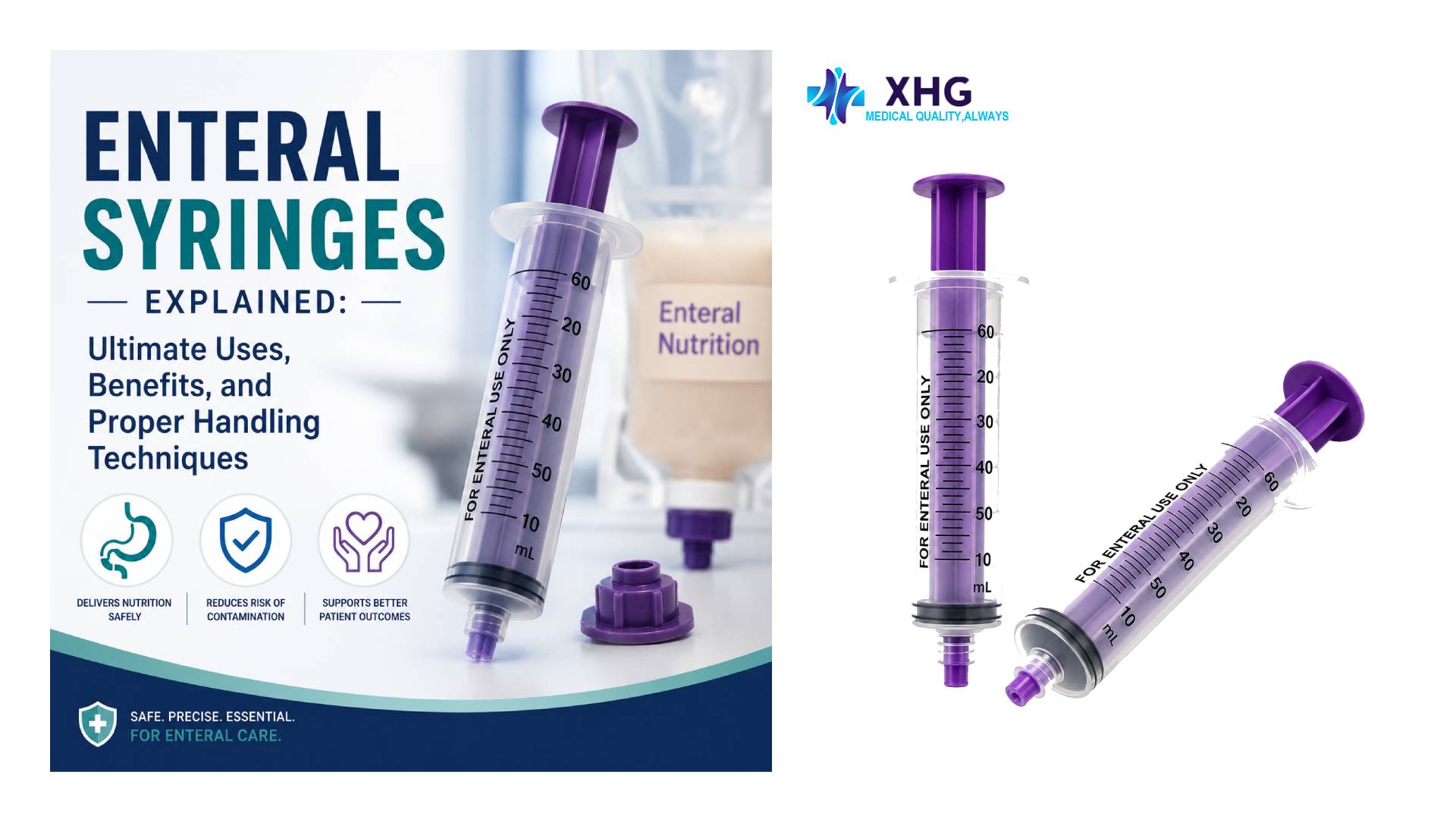
Enteral syringes serve as the fundamental link between nutritional formulas and patients who cannot ingest food orally, playing a vital role in both hospital and home care settings. These specialized devices are distinct from standard hypodermic syringes because they feature a unique design, often lacking a needle, to safely deliver liquid medication and nutrition directly into the gastrointestinal tract via feeding tubes. For B2B buyers and medical institutions, understanding the utility of these devices is crucial for maintaining high standards of patient care and ensuring operational efficiency within supply chains. The reliability of these syringes directly impacts patient health outcomes, making them a non-negotiable inventory item for distributors and healthcare providers alike.
Market analyses from late 2024 and early 2025 indicate a robust surge in the demand for enteral feeding devices, driven largely by an aging global population and a rise in chronic conditions requiring long-term nutritional support. Statistics project that the global market for enteral syringes will witness a compound annual growth rate (CAGR) of approximately 6% through 2026, reflecting a heightened need for reliable feeding solutions. This trend is not merely a numerical increase but signals a shift toward more sophisticated, patient-centric care models where safety and ease of use are paramount. Suppliers must, therefore, anticipate this upward trajectory to prevent stock shortages and ensure they meet the escalating volume of requisitions from healthcare facilities.
For wholesale distributors, the significance of procuring high-quality enteral syringes extends beyond simple transactional exchanges; it involves establishing a foundation of trust with healthcare providers who rely on consistent product performance. A steady supply of these syringes ensures that medical protocols can be administered without interruption, thereby reducing the risk of complications associated with improper feeding devices. Wholesalers who prioritize the availability of varied syringe sizes and types position themselves as strategic partners in the healthcare ecosystem, capable of adapting to the diverse needs of large hospital networks and small clinics alike. This reliability is a key differentiator in a competitive market where product availability can dictate vendor preference.
Customization options in enteral syringes offer an added layer of value for wholesale buyers looking to differentiate their offerings or meet specific institutional protocols. Manufacturers can now provide bespoke solutions, such as color-coded syringes for specific dosage ranges or custom-printed graduations to enhance readability and reduce dosing errors. By leveraging these customization capabilities, distributors can cater to niche markets or specific hospital requirements, thereby securing long-term contracts and fostering brand loyalty. The ability to offer tailored products demonstrates a deep understanding of clinical workflows and positions the supplier as a forward-thinking leader in the medical device sector.
1.1. How Market Trends Influence Wholesale Procurement Strategies
The dynamics of the medical device market are shifting rapidly, influenced heavily by technological advancements and changing patient demographics, necessitating a proactive approach to procurement. Recent industry reports for 2025 highlight a growing preference for ergonomically designed enteral syringes that reduce hand fatigue for caregivers during repetitive administration tasks. Wholesale buyers must align their inventory strategies with these evolving preferences to ensure they are stocking products that modern healthcare facilities actually demand. Ignoring these trends can lead to obsolete inventory and lost revenue opportunities, as providers increasingly seek out the latest innovations in patient care technology.
Furthermore, the push for cost containment in healthcare systems means that buyers are looking for the best balance between cost-effectiveness and clinical quality. Bulk purchasing agreements for disposable enteral syringes are becoming more complex, often incorporating performance clauses and guaranteed supply terms to mitigate risks. Wholesalers need to negotiate favorable terms with manufacturers that allow them to offer competitive pricing without compromising on material quality or safety standards. This financial balancing act is critical for maintaining margins while satisfying the budgetary constraints of large-scale hospital procurement departments.
Supply chain resilience has also emerged as a top priority following recent global disruptions, prompting wholesalers to diversify their sourcing strategies for enteral syringes. Relying on a single manufacturing hub or supplier creates significant vulnerability, whereas a multi-source approach ensures continuity of supply even during geopolitical or logistical crises. Strategic stockpiling of essential enteral devices is becoming a common practice among distributors to buffer against sudden demand spikes or shipping delays. This proactive inventory management is essential for maintaining the integrity of healthcare services and ensuring that patient needs are always met promptly.
Finally, the integration of digital tracking and inventory management systems is transforming how enteral syringes are distributed and monitored throughout the supply chain. Smart procurement platforms utilize data analytics to forecast demand more accurately, helping wholesalers optimize their stock levels of enteral nutrition syringes and reduce waste. Adopting these technologies allows B2B buyers to gain real-time visibility into their supply chains, enabling faster decision-making and more efficient logistics operations. As the industry moves toward 2026, digital proficiency will increasingly become a prerequisite for successful wholesale medical distribution.
2. How Disposable Enteral Syringes Redefine Safety Standards
Disposable enteral syringes have revolutionized patient care by significantly reducing the risk of cross-contamination and nosocomial infections, a primary concern in all clinical environments. Unlike reusable devices that require rigorous sterilization processes, single-use syringes are sterile straight out of the package and are discarded immediately after use. This practice eliminates the possibility of residual pathogens being transferred from one patient to another, a critical factor in immunocompromised populations. For healthcare providers, the adoption of disposable options is a direct implementation of evidence-based safety protocols that safeguard patient health and streamline caregiving workflows.
The economic implications of switching to disposable models are multifaceted, offering savings beyond the direct cost of the devices. While the per-unit cost might be higher than multi-use alternatives, the total cost of ownership is often lower when accounting for the labor, water, and energy required for reprocessing. Hospitals and clinics can reallocate these saved resources toward direct patient care activities, thereby improving overall operational efficiency. Wholesale suppliers play a pivotal role here by offering competitive bulk pricing on disposable enteral syringes, making it financially viable for institutions of all sizes to prioritize safety over reprocessing concerns.
Material science advancements have led to the development of high-quality, medical-grade plastics that are both durable and safe for single-use applications. These materials are designed to be free from harmful plasticizers like DEHP, addressing growing concerns about chemical leaching during enteral feeding. B2B buyers are increasingly requiring certification of material safety and biocompatibility when sourcing enteral syringes, as regulatory bodies tighten standards on medical device components. Ensuring that the products comply with these rigorous safety standards is not just a regulatory requirement but a moral imperative for protecting vulnerable patients from toxicity.
From a customization perspective, disposable syringes offer unique opportunities for branding and specialized functionality that reusable options do not. Manufacturers can easily modify molds to create specific features such as non-spill caps, special tip designs for different feeding tubes, or ergonomic grips for easier handling. Wholesale buyers can collaborate with manufacturers to develop proprietary lines of disposable enteral syringes that cater specifically to the needs of their client base. This level of product differentiation allows distributors to offer unique value propositions in a crowded market, securing their position as preferred vendors for top-tier medical institutions.
2.1. How ISO Standards Influence Manufacturing and Quality Control
International Organization for Standardization (ISO) standards, specifically ISO 80369-3, provide the rigorous framework within which enteral syringes are designed and manufactured to prevent misconnections with other medical devices. These standards mandate specific dimensions for connectors, ensuring that an enteral syringe cannot inadvertently connect to an intravenous (IV) line or a catheter, a potentially fatal error. Compliance with these standards is the cornerstone of patient safety and is a non-negotiable criterion for wholesale buyers vetting suppliers. Understanding these technical specifications allows B2B purchasers to assess the quality and safety reliability of the products they intend to stock and distribute.
Manufacturers adhering to ISO standards implement rigorous quality control (QC) protocols throughout the production process, from raw material selection to final packaging. Each batch of enteral syringes undergoes stringent testing for dimensional accuracy, leakage, and breakage resistance to ensure consistent performance. For wholesalers, partnering with ISO-certified manufacturers mitigates the risk of product recalls and liability issues that can arise from substandard manufacturing. The certification serves as a global mark of quality that facilitates smoother market entry and acceptance across different regions and regulatory jurisdictions.
The move toward updated ISO standards also drives innovation in the design of enteral feeding devices, pushing manufacturers to develop safer and more intuitive products. As regulations evolve to address emerging clinical challenges, manufacturers must continuously update their product lines to maintain compliance. This dynamic environment creates opportunities for wholesalers to introduce next-generation enteral syringes to their customers, positioning themselves at the forefront of patient safety technology. Staying informed about these regulatory changes is essential for B2B buyers to provide expert consultation to their clients and ensure their product portfolios remain current.
Quality control extends beyond the manufacturing floor to include packaging and labeling, which are critical for maintaining sterility and ensuring correct usage. Enteral syringes must be packaged in materials that preserve their sterility until the point of use and must feature clear, permanent markings that indicate volume and usage instructions. Wholesale buyers should look for suppliers who invest in high-quality packaging solutions that protect the product integrity during transit and storage. This attention to detail in the final stages of production reflects a manufacturer’s commitment to overall excellence and reduces the likelihood of receiving damaged or compromised goods.
3. Which Enteral Nutrition Syringes Best Suit Clinical Needs
Selecting the right enteral nutrition syringes requires a thorough understanding of the specific clinical scenarios and patient populations they are intended to serve. Different medical conditions, ranging from dysphagia to gastrointestinal disorders, necessitate varying syringe features such as capacity, plunger smoothness, and tip design. For instance, neonatal care requires syringes with extremely precise, low-volume graduations and ultra-smooth plungers to administer minute quantities of medication or nutrition accurately. B2B buyers must curate a diverse inventory that addresses these specific clinical requirements to ensure they can act as a comprehensive solution provider for healthcare facilities.
The viscosity of the nutritional formula being administered is another critical determinant in selecting the appropriate syringe. Some high-calorie or fiber-enriched formulas are significantly thicker than standard liquid feeds, requiring syringes with wider bore openings and more robust plungers to facilitate smooth flow. Standard enteral syringes might struggle with these viscous fluids, leading to clogging or inaccurate dosing, which can compromise patient nutrition. Wholesale suppliers should offer a range of syringes specifically rated for high-viscosity fluids, ensuring that caregivers have the right tools to administer complex nutritional regimens without frustration or error.
Ergonomics plays a significant role in the selection process, particularly for home care settings where family members or non-professional caregivers may be responsible for feeding. Syringes with clear, large-print graduations, flanged finger grips, and smooth-gliding plungers significantly reduce the physical effort required and minimize the risk of dosing mistakes. Manufacturers are increasingly focusing on user-centric designs to accommodate this growing segment of the market. Distributors who prioritize ergonomic designs in their product offerings will find greater acceptance among home health agencies and retail pharmacy channels, where ease of use is a primary purchasing driver.
Customization capabilities allow wholesalers to provide enteral nutrition syringes that align perfectly with the branding and functional requirements of large hospital networks. Options such as color-coded barrels for different volume ranges, custom logos to enhance brand recognition, and specific graduation markings (e.g., in milliliters or ounces) cater to diverse regional and institutional preferences. By offering these tailored solutions, B2B sellers can forge stronger relationships with their clients, moving beyond transactional sales to becoming strategic partners in patient care. This customization capability is particularly valuable in competitive bidding processes where unique product specifications can be a decisive factor.
3.1. Why Material Selection Affects Nutrition Delivery and Safety
The choice of materials used in the construction of enteral syringes has a profound impact on the safety and efficacy of nutrition delivery, influencing factors such as chemical compatibility and physical durability. Medical-grade polypropylene is widely used due to its inert nature, ensuring that it does not react with the nutritional formula or medications being administered. This chemical stability is crucial for preventing the leaching of harmful substances into the feed, which could cause adverse reactions in patients. Wholesale buyers must prioritize products that utilize high-grade, USP Class VI certified materials to guarantee the highest levels of biocompatibility and safety.
Opacity is another material characteristic that buyers must consider, particularly for syringes used with light-sensitive medications or nutritional supplements. While transparent syringes allow for easy visual inspection of air bubbles, some specialized applications require amber-tinted materials to protect the contents from light degradation. Advanced manufacturing techniques now allow for the production of syringes that combine these features, such as a clear barrel with a protected plunger tip. Providing a variety of material options enables distributors to meet the specialized needs of oncology, pediatric, and critical care units that handle sensitive pharmaceutical compounds.
The environmental impact of disposable enteral syringes is becoming a growing concern within the healthcare sector, prompting a shift toward more sustainable material choices without compromising performance. Manufacturers are exploring the use of eco-friendly plastics and biodegradable components that maintain the necessary sterility and durability for medical use. Wholesalers who stay ahead of this sustainability curve can appeal to healthcare organizations with ambitious environmental, social, and governance (ESG) goals. Offering greener product alternatives can be a significant competitive advantage, appealing to hospital procurement teams looking to reduce their ecological footprint.
Temperature tolerance is a critical material property, especially when syringes are used to administer warmed feeds or stored in varying clinical environments. Inferior quality plastics may warp or degrade when exposed to higher temperatures, leading to leakage or inconsistent plunger movement. High-quality enteral syringes are engineered to withstand a range of temperatures without losing their structural integrity or calibration accuracy. Ensuring that the stocked products can endure these conditions is vital for maintaining reliability and preventing product failure during critical feeding procedures.
4. Why Proper Handling Protocols Mitigate Liability and Risk
Proper handling of enteral syringes is not merely a matter of operational procedure; it is a critical risk management strategy that protects both the patient and the healthcare institution. Incorrect usage, such as using an enteral syringe for intravenous purposes, can lead to severe, life-threatening complications and substantial legal liabilities. Establishing and enforcing strict protocols for the storage, handling, and administration of these devices is essential for minimizing adverse events. For B2B clients, purchasing from suppliers who provide clear usage guidelines and training support can significantly reduce their institutional risk profiles.
Contamination control is a primary focus of proper handling protocols, as the gastrointestinal tract is highly sensitive to foreign bacteria and pathogens. Techniques such as “no-touch” handling of syringe tips and maintaining the sterility of the liquid feed connection are vital for preventing infections like peritonitis or sepsis. Suppliers can support these efforts by providing syringes with protective caps and easy-to-open sterile packaging that facilitates aseptic techniques. Distributors who emphasize products designed for infection control demonstrate a sophisticated understanding of clinical risk management, adding value to their customer relationships.
Documentation and traceability are increasingly important components of handling protocols, particularly in large hospital systems where patient safety initiatives are data-driven. Enteral syringes that feature lot numbers and manufacturing dates clearly printed on the barrel or packaging allow for better inventory tracking and rapid response in the event of a product recall. Wholesalers who utilize advanced inventory management systems can provide their clients with detailed traceability data, ensuring compliance with regulatory standards like the FDA’s Unique Device Identification (UDI) system. This capability is invaluable for hospital administrators seeking to enhance their supply chain transparency and accountability.
Regular training and education for nursing and pharmacy staff on the proper use of enteral syringes are indispensable for ensuring patient safety and device efficacy. While the syringes themselves are simple tools, the nuances of connecting them to different feeding tubes and managing dosage accuracy require hands-on competence. Progressive distributors often partner with manufacturers to offer educational resources, such as online training modules or in-service workshops, for their healthcare clients. Investing in customer education fosters long-term loyalty and positions the wholesaler as a knowledgeable authority in the medical device marketplace.
5. How Wholesale Partnerships Ensure Supply Consistency and Value
Building strong partnerships with reputable manufacturers is the most effective strategy for wholesalers to ensure a consistent and reliable supply of enteral syringes. The volatile nature of global supply chains, exacerbated by recent geopolitical tensions and logistical bottlenecks, has underscored the importance of diversified sourcing strategies. By establishing relationships with multiple certified producers, wholesalers can buffer against disruptions and maintain a steady flow of inventory to their healthcare clients. This reliability is the currency of trust in the B2B medical market, distinguishing top-tier distributors from their competition.
Volume leverage is a significant advantage of wholesale purchasing, allowing buyers to negotiate favorable pricing and payment terms that can be passed down the supply chain. Consolidating orders for enteral syringes and other consumables enables distributors to achieve economies of scale, reducing the unit cost and increasing profit margins. Furthermore, long-term contracts with manufacturers often include price-lock clauses that shield wholesalers from sudden raw material cost increases. This financial stability is crucial for maintaining competitive pricing structures in a market where healthcare providers are under constant pressure to reduce expenditures.
Beyond cost and availability, strategic wholesale partnerships facilitate access to the latest product innovations and market intelligence. Manufacturers often share their product roadmaps and R&D insights with their key distribution partners, allowing them to prepare their sales teams for upcoming product launches. This early access to information enables wholesalers to consult their clients proactively about upcoming trends in enteral nutrition syringes. Acting as a bridge between innovation and end-user implementation solidifies the wholesaler’s role as an indispensable advisor to the healthcare industry.
Collaborative planning and forecasting are hallmarks of successful wholesale partnerships, ensuring that production aligns closely with actual market demand. By sharing sales data and consumption trends with manufacturers, distributors can help optimize production schedules, reducing lead times and minimizing the risk of overstock or stockouts. This synchronized approach to supply chain management creates a leaner, more responsive operation that benefits all stakeholders. For the B2B buyer, this collaboration translates into a more efficient business model with higher turnover rates and healthier cash flow.
5.1. How Customization Enhances B2B Value and Brand Differentiation
Customization of enteral syringes offers a powerful avenue for B2B buyers to differentiate their brand and meet the specific needs of their target markets. Whether it is through unique color-coding systems that denote specific departments or custom-printed logos that enhance institutional branding, these tailored solutions create a distinct identity in the marketplace. Private labeling options allow distributors to market the syringes under their own brand name, building brand equity and customer loyalty. This strategic approach transforms a commodity product into a proprietary asset that commands customer loyalty and can justify premium pricing.
Specific functional customizations can address unique clinical challenges faced by healthcare providers, thereby solving critical problems and adding tangible value. For example, modifying the plunger resistance to accommodate patients with specific swallowing disorders or adding extended luer-lock tips for secure connections in neonatal care. Wholesale buyers who actively gather feedback from their clinical clients and relay these requirements to manufacturers become vital conduits for product innovation. This collaborative development process results in products that are perfectly suited to the end-user’s needs, securing long-term contracts and recurring revenue streams.
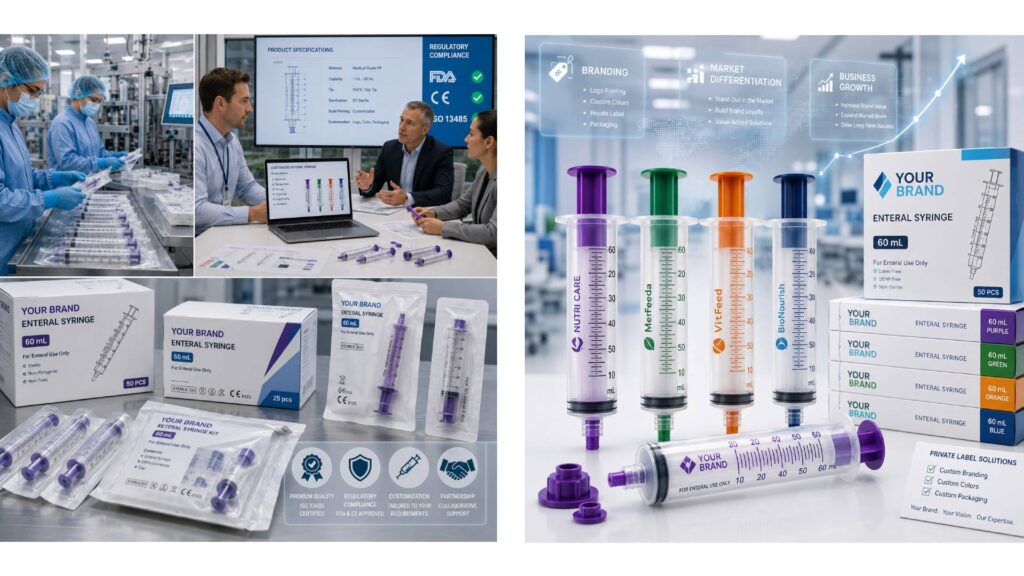
Packaging customization is another area where wholesalers can add significant value, particularly for retailers and institutions with specific storage constraints. Bulk-packs for high-volume hospital wards or individual sterile peel-packs for home care kits are examples of how packaging can be tailored to the application. Efficient packaging not only reduces waste but also improves storage efficiency and ease of access for caregivers. Distributors who offer flexible packaging solutions demonstrate a deeper understanding of their clients’ operational workflows, distinguishing themselves from competitors who offer only standard, off-the-shelf configurations.
Regulatory compliance is a complex aspect of medical device distribution, and customized products must adhere to the same stringent standards as standard items. Experienced manufacturers guide their wholesale partners through the regulatory landscape, ensuring that all customizations meet local and international requirements such as CE marking or FDA clearance. This expertise is invaluable for B2B buyers looking to expand into new geographic markets or launch specialized product lines. By ensuring compliance from the outset, wholesalers can accelerate time-to-market and avoid costly regulatory hurdles or product delays.
Conclusion
Enteral syringes are a critical component of modern medical care, requiring a strategic approach to sourcing, handling, and customization. As the market evolves toward 2026, the demand for high-quality, safe, and specialized enteral feeding devices continues to rise, driven by demographic shifts and heightened safety standards. For B2B buyers and wholesale distributors, focusing on the quality of disposable enteral syringes, understanding material science, and leveraging customization options are key strategies for success. By forging strong manufacturer partnerships and prioritizing the specific needs of healthcare providers, distributors can ensure supply chain resilience while delivering superior value to the market. To optimize your inventory with premium, customizable enteral nutrition syringes, contact our sales team today for a personalized consultation and wholesale quote.
Frequently Asked Questions
1. What are enteral syringes and how do they differ from standard hypodermic syringes?
Enteral syringes are specialized medical devices designed specifically for administering liquid nutrition, medication, or water directly into the stomach or intestine via a feeding tube. Unlike standard hypodermic syringes, they typically do not have a needle and feature a unique connector design, often governed by ISO 80369-3 standards, to prevent accidental misconnection with intravenous (IV) lines or other non-enteral devices. This design distinction is critical for patient safety, ensuring that feeds are delivered only to the gastrointestinal tract.
2. Why are disposable enteral syringes considered safer for patient care?
Disposable enteral syringes eliminate the risk of cross-contamination and nosocomial infections because they are sterile and intended for single-use only. Since they do not require reprocessing, there is no risk of residual pathogens remaining on the device after cleaning. For healthcare providers, using disposables streamlines workflow by removing the need for sterilization protocols, thereby allowing staff to focus more on direct patient care while maintaining the highest infection control standards.
3. How does the viscosity of enteral formulas affect syringe selection?
The thickness, or viscosity, of the nutritional formula dictates the type of syringe required to ensure safe and efficient administration. High-calorie or fiber-enriched formulas are thicker and require enteral nutrition syringes with wider bore openings and robust plungers to prevent clogging and ensure smooth flow. Standard syringes may struggle with these viscous fluids, leading to inaccurate dosing or increased administration time, which is why selecting the right device for the fluid density is essential.
4. Which materials are used to manufacture high-quality enteral syringes?
High-quality enteral syringes are typically constructed from medical-grade polypropylene, a durable and inert plastic that ensures chemical compatibility with various medications and nutritional formulas. Manufacturers prioritize materials that are free from harmful plasticizers like DEHP to prevent the risk of chemical leaching into the feed. Additionally, these materials are designed to be translucent or opaque depending on the need for light protection, while maintaining structural integrity across a range of temperatures.
5. How can customization benefit wholesale buyers of enteral syringes?
Customization offers wholesale buyers a significant competitive advantage by allowing them to offer products tailored to specific institutional needs or branding requirements. Options can include color-coded barrels for size identification, custom graduation markings (e.g., milliliters vs. ounces), and private labeling to enhance brand recognition. By providing these bespoke solutions, distributors can meet niche market demands, secure long-term contracts with hospital networks, and differentiate themselves from competitors selling generic, off-the-shelf products.
6. What are the key market trends for enteral syringes projected for 2025 and 2026?
Market analysis indicates a robust growth trajectory for enteral syringes through 2026, driven largely by an aging global population and the increasing prevalence of chronic conditions requiring long-term nutritional support. There is a noticeable trend toward ergonomic designs that reduce caregiver fatigue and smart packaging that enhances sterility and ease of use. Furthermore, the industry is moving toward greater sustainability, with a growing demand for eco-friendly materials that do not compromise on safety or performance.
7. Why is ISO 80369-3 compliance important when sourcing enteral devices?
Compliance with ISO 80369-3 is vital because it mandates specific connector dimensions that prevent enteral syringes from physically connecting with IV lines or luer-lock devices. This “non-connectability” is a critical safety feature designed to prevent accidental misconnections, which can result in fatal consequences if a nutritional feed is introduced into the bloodstream. For B2B buyers, sourcing ISO-compliant products is a non-negotiable aspect of risk management and regulatory adherence.
8. How do proper handling protocols mitigate liability for healthcare institutions?
Proper handling protocols ensure that enteral syringes are used correctly and hygienically, significantly reducing the risk of adverse events like infections or dosing errors. Training staff on “no-touch” techniques, correct connection methods, and accurate dosage measurement minimizes clinical errors. Furthermore, maintaining documentation and traceability of lot numbers allows institutions to respond quickly to any quality issues, thereby protecting them from legal liability and enhancing overall patient safety standards.
9. What strategic advantages do wholesale partnerships offer in the enteral syringe market?
Wholesale partnerships provide essential supply chain resilience, ensuring that distributors and healthcare institutions have consistent access to necessary inventory even during global demand spikes or logistical disruptions. These partnerships allow buyers to leverage volume purchasing for better pricing, gain early access to product innovations, and benefit from collaborative forecasting. A strong relationship with a manufacturer ensures that the wholesaler can meet the evolving needs of their clients with reliability and speed.
10. Which factors should B2B buyers prioritize when selecting a manufacturer for enteral syringes?
B2B buyers should prioritize manufacturers that adhere to strict international quality standards, such as ISO certifications, and utilize high-grade, non-toxic materials. It is also important to assess the manufacturer’s capacity for customization, their supply chain reliability, and their ability to provide scalable solutions to meet growing market demand. Partnering with a manufacturer that offers robust quality control and logistical support ensures a consistent supply of safe and effective enteral syringes.