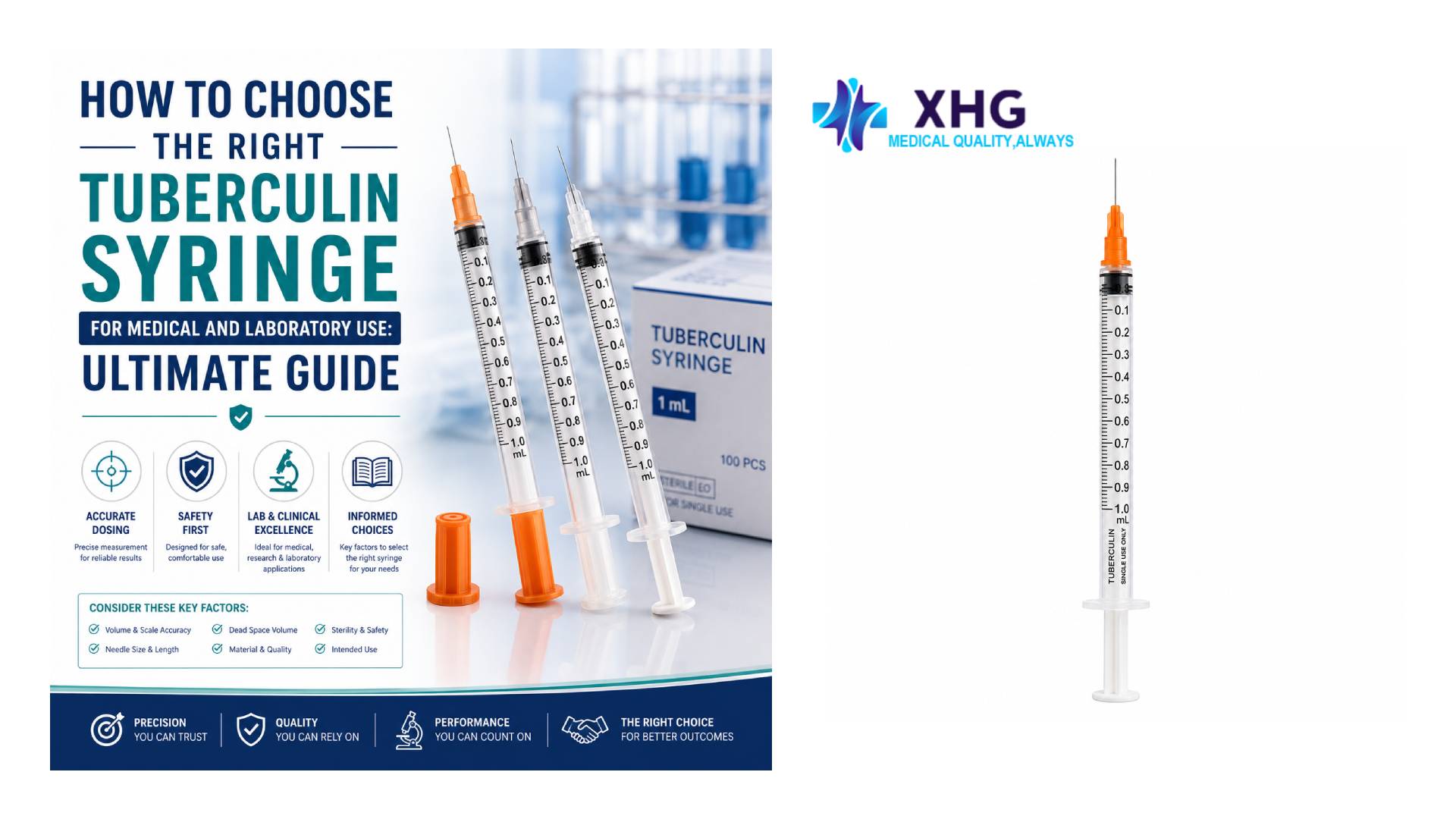
Choosing the correct medical equipment is a critical decision that directly impacts patient safety and diagnostic accuracy. When sourcing supplies for hospitals, clinics, or laboratories, the specific nuances of each device become paramount, especially when dealing with intradermal injections and precise fluid measurements. This guide provides a comprehensive analysis of what to look for when selecting a tuberculin syringe, ensuring that wholesale buyers and procurement specialists make informed decisions that align with 2025 industry standards.
1. Why Precision in Tuberculin Syringe Selection is Critical for Healthcare
The primary function of a tuberculin syringe is to deliver extremely small volumes of fluid, typically 1 mL or less, with absolute accuracy. In medical applications such as the Mantoux test for tuberculosis, even a minor deviation in the volume administered can lead to a false positive or false negative diagnosis. This level of precision requires a device that is meticulously engineered to handle minute doses, ensuring that the medication reaches the correct intradermal layer for proper reaction assessment.
For laboratory environments, the stakes are equally high, as researchers often rely on these syringes for measuring and transferring reagents in microliter quantities. A high-quality tuberculin syringe minimizes dead space and ensures that the intended volume is fully expelled or drawn, which is vital for experimental consistency. Inaccuracies in these settings can compromise data integrity, leading to wasted resources and flawed scientific conclusions, making the selection process a matter of both safety and fiscal responsibility.
When businesses procure these supplies on a wholesale scale, the cumulative effect of even slight manufacturing variances can become a significant operational issue. A batch of poorly calibrated syringes can lead to widespread inconsistencies across a facility, necessitating costly retraining or protocol adjustments. Therefore, prioritizing precision in the selection phase is not merely about clinical outcomes but also about maintaining operational efficiency and reducing the long-term costs associated with equipment failure.
Furthermore, the modern healthcare landscape places an immense emphasis on patient trust and regulatory compliance. Using substandard injection devices can result in increased patient discomfort and tissue damage, which harms the reputation of the healthcare provider. By selecting a tuberculin syringe that guarantees precision and smooth operation, buyers are investing in patient satisfaction and adherence to strict medical standards, which is crucial for accreditation and audit success.
2. How to Evaluate the Quality of a Disposable Tuberculin Syringe
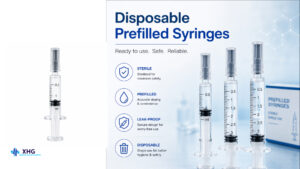
Evaluating the quality of a disposable tuberculin syringe begins with a thorough examination of the materials used in its construction. High-grade medical polypropylene is typically preferred for the barrel due to its clarity and chemical inertness, allowing healthcare professionals to visualize the fluid and check for air bubbles easily. The plunger should fit snugly within the barrel to prevent leaks but must move with minimal friction to ensure smooth injection, which reduces patient discomfort during the procedure.
The calibration markings on the barrel are another critical quality indicator, as they must be distinct, permanent, and accurate. For a sterile tb syringe, these graduations are usually scaled in hundredths of a milliliter, facilitating the precise measurement required for intradermal administration. Buyers should verify that the ink used for these markings does not smudge or fade upon contact with alcohol or other disinfectants, as this could lead to dosing errors during high-pressure medical situations.
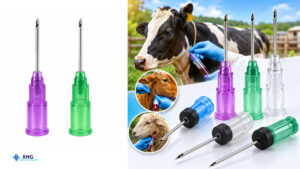
Needle integration is also a vital aspect of quality evaluation, particularly for fixed-needle models commonly used in tuberculosis testing. The needle must be securely attached to the hub to prevent detachment during injection, and the bevel design should be ultra-sharp to minimize pain and tissue trauma. A high-quality disposable tuberculin syringe features a tri-beveled needle tip that ensures smooth penetration, which is essential for patient compliance and the overall success of vaccination or testing programs.
Finally, the packaging integrity serves as a proxy for the overall sterility and quality of the product. Wholesale buyers should look for suppliers that utilize rigid, tamper-evident packaging that protects the sterile barrier during shipping and storage. compromised packaging can lead to contamination, rendering the entire batch unsafe for use, and strict quality control checks upon receipt are necessary to ensure that every unit meets the rigorous standards expected in professional medical environments.
3. Which Factors Determine the Best Sterile TB Syringe for Laboratory Environments
In a laboratory setting, the choice of a sterile tb syringe is often dictated by the specific chemical compatibility required for various experiments. Unlike standard medical applications where the syringe interacts exclusively with biological fluids, laboratory use may involve exposure to solvents, acids, or bases. Therefore, the material composition of the syringe barrel and plunger must be resistant to chemical corrosion to prevent degradation that could alter experimental results or contaminate samples.
The volume capacity and graduation scale are also determining factors when selecting equipment for research purposes. While the standard 1 mL tuberculin syringe is ubiquitous, specific laboratory protocols may require even finer measurements or specialized low-retention tips to ensure that expensive reagents are not wasted. Selecting a syringe with the appropriate scale, whether it be marked in U-100 insulin units or strict milliliters, depends entirely on the specific application and the precision requirements of the laboratory workflow.
Another significant factor is the mechanism of fluid retention, particularly in experiments involving volatile or sensitive liquids. Syringes designed with luer lock mechanisms provide a more secure connection between the barrel and the needle, preventing accidental disconnection or leakage. This feature is indispensable in laboratory environments where a small leak could not only ruin an experiment but also pose a safety hazard to technicians handling hazardous materials.
Furthermore, the ease of disposal and compliance with laboratory safety regulations play a major role in the selection process. Laboratories must adhere to strict biohazard disposal protocols, and using a disposable tuberculin syringe that can be easily and safely discarded reduces the risk of needlestick injuries. Buyers must ensure that the products they choose integrate seamlessly with their existing sharps disposal systems and that the supplier can provide the necessary documentation regarding the biodegradability or incineration guidelines for the materials used.
4. Why Customization Options Matter When Purchasing Tuberculin Syringes in Bulk
For wholesale buyers and large-scale distributors, the ability to customize medical supplies offers a strategic advantage in a competitive market. Customization can range from simple branding exercises, such as printing a hospital or laboratory logo on the barrel, to more complex modifications like colored hubs or specific needle lengths. These tailored options not only enhance brand visibility but also help in the quick identification of specific products within a busy inventory, thereby improving operational efficiency.
Beyond aesthetics, functional customization allows healthcare facilities to address specific clinical needs that standard off-the-shelf products may not meet. For instance, a specialized clinic might require a tuberculin syringe with an integrated safety feature to reduce needlestick injuries among staff. By working directly with manufacturers to specify these requirements, buyers can procure a product that perfectly aligns with their safety protocols and clinical workflows, rather than forcing their staff to adapt to generic tools.
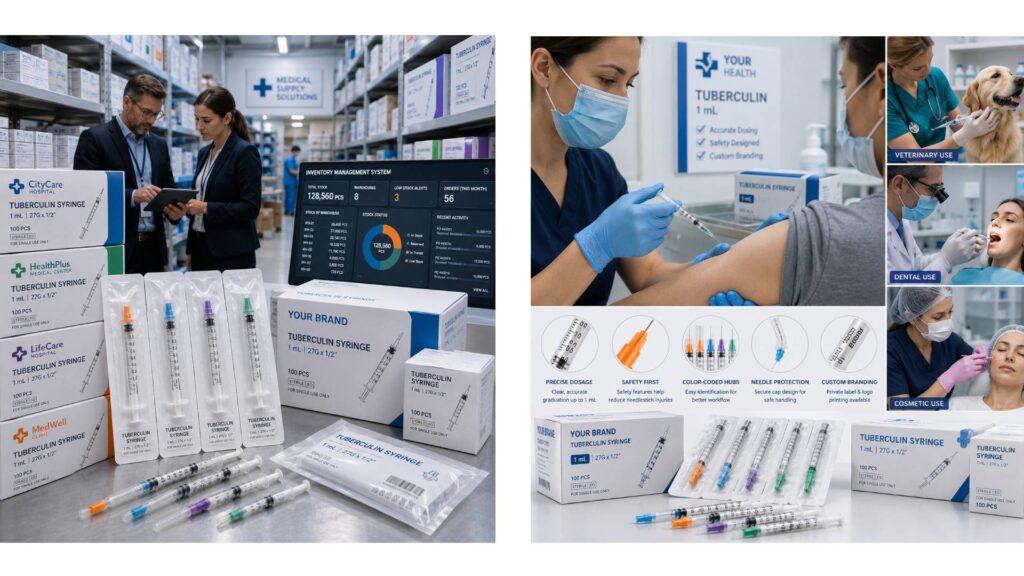
Customization also plays a pivotal role in inventory management and supply chain optimization. Large hospital networks often benefit from having standardized, customized supplies across all their facilities, which simplifies procurement processes and reduces the complexity of stock management. When purchasing a disposable tuberculin syringe in bulk, specifying unique packaging requirements or kit inclusions can streamline the distribution process, ensuring that the right tools are always available at the point of care without unnecessary excess.
Additionally, offering customized products can be a significant value-add for B2B distributors serving niche markets. By providing sterile tb syringes that cater to specific veterinary, dental, or cosmetic procedures, wholesalers can differentiate themselves from competitors who only offer standard commodities. This approach to customization fosters stronger relationships with end-users who feel their specific needs are understood and met, leading to higher customer retention and long-term business growth.
5. How Market Trends in 2025 Influence Wholesale Tuberculin Syringe Procurement
The medical device landscape in 2025 is being shaped by a heightened focus on safety-engineered devices and sustainability, significantly influencing procurement strategies. Recent industry statistics indicate a surge in demand for safety-engineered sharp devices, driven by global regulatory changes aimed at protecting healthcare workers. As a result, wholesale buyers are increasingly prioritizing the tuberculin syringe that integrates passive safety mechanisms, anticipating that these features will soon become a standard requirement rather than an optional upgrade.
Supply chain resilience has emerged as another critical trend following global disruptions in previous years. In 2025, procurement officers are looking to diversify their supplier base to mitigate risks associated with single-source dependencies. This shift means that wholesalers are seeking manufacturers who can guarantee consistent production volumes and reliable delivery timelines for the disposable tuberculin syringe, ensuring that hospitals and laboratories never face critical shortages that could impede patient care or research timelines.
Sustainability initiatives are also driving changes in manufacturing processes and material selection. There is a growing market trend toward the use of non-PVC plastics and eco-friendly packaging for medical disposables. Forward-thinking buyers are already adjusting their procurement criteria to favor suppliers who demonstrate a commitment to reducing environmental impact, knowing that regulatory bodies in 2026 and beyond are likely to enforce stricter environmental standards on medical waste and manufacturing carbon footprints.
Finally, data-driven procurement is becoming the norm, with buyers utilizing advanced analytics to forecast demand and optimize inventory levels. The integration of smart labeling and tracking systems with sterile tb syringe packaging allows for better traceability throughout the supply chain. This technological integration helps wholesale buyers manage expiry dates more effectively and reduce waste caused by obsolescence, ensuring that their inventory remains fresh, compliant, and financially efficient.
6. Which Certifications and Standards to Verify Before Buying Disposable Tuberculin Syringes
Verifying the appropriate certifications is the first and most crucial step in the procurement process to ensure compliance with international safety standards. Buyers must confirm that any disposable tuberculin syringe they consider carries the CE mark for European markets or FDA 510(k) clearance for the United States. These certifications indicate that the device has undergone rigorous testing for biocompatibility, functionality, and safety, providing a baseline assurance of quality that is non-negotiable in professional healthcare settings.
ISO standards, specifically ISO 8537 for sterile single-use syringes, serve as a critical benchmark for quality management in manufacturing. This standard specifies requirements for the design, materials, and performance of syringes, ensuring that they can withstand the pressures of injection without leaking or breaking. Wholesale buyers should request documentation of ISO compliance from suppliers to verify that the manufacturing processes are consistently monitored and controlled, reducing the risk of receiving defective or substandard batches.
Specific regional regulations may also impose additional requirements, such as latex-free certifications and restrictions on phthalates like DEHP, which are used to plasticize PVC. As allergies and sensitivities to these materials become a growing concern, it is essential to verify that the tuberculin syringe is free from these substances. Ensuring compliance with these specific material safety standards protects healthcare facilities from liability and ensures the safety of patients who may have unknown sensitivities or allergies.
Beyond the product itself, buyers should also assess the supplier’s adherence to Good Manufacturing Practices (GMP) and their quality management system certifications. A supplier that maintains high standards in their facility is more likely to produce a sterile tb syringe that is reliable and consistent. Auditing suppliers or requiring third-party inspection reports adds an extra layer of security to the procurement process, ensuring that the products delivered meet the exact specifications promised and are safe for immediate clinical or laboratory use.
Conclusion
Selecting the right tuberculin syringe for medical and laboratory use is a multifaceted process that requires a deep understanding of clinical requirements, quality standards, and market trends. By prioritizing precision, verifying essential certifications, and leveraging customization options for wholesale needs, healthcare providers and laboratories can ensure optimal patient outcomes and operational efficiency. As the industry moves towards safer and more sustainable practices in 2025 and beyond, making informed procurement decisions will be key to staying ahead in a competitive and regulated environment.
Frequently Asked Questions
1. Why is a tuberculin syringe specifically required for TB testing and intradermal injections?
A tuberculin syringe is specifically designed to deliver extremely small fluid volumes, typically 1 mL or less, with high accuracy. The Mantoux test for tuberculosis requires injecting precisely 0.1 mL of tuberculin into the intradermal layer of the skin. Standard syringes often lack the fine graduation markings necessary to measure such minute doses, leading to potential dosing errors. Using a dedicated tuberculin syringe ensures that the diagnostic test is administered correctly, which is vital for accurate patient assessment and reliable results.
2. Are disposable tuberculin syringes suitable for laboratory research applications?
Yes, disposable tuberculin syringes are highly suitable for laboratory research, particularly when handling reagents in small quantities. Their precise calibration allows researchers to measure and transfer microliter volumes accurately, which is essential for experimental consistency. Furthermore, the disposable nature of these syringes eliminates the risk of cross-contamination between experiments, ensuring the integrity of the data. Laboratories should ensure that the materials used in the syringe are chemically compatible with the specific solvents or biological fluids being handled.
3. What customization options are available when ordering sterile TB syringes in bulk?
Wholesale buyers can access a variety of customization options to align products with their brand or specific clinical needs. Common customizations include printing company logos or batch codes directly onto the barrel for enhanced brand visibility and inventory tracking. Additionally, buyers can specify different needle gauges, hub colors, or specialized packaging configurations. For B2B clients, manufacturers can also create custom kits that include a sterile TB syringe along with alcohol prep pads, streamlining the procurement process and improving operational efficiency.
4. How does the ISO 8537 standard impact the quality of a disposable tuberculin syringe?
The ISO 8537 standard sets the international benchmark for sterile single-use syringes, specifying strict requirements for design, materials, and performance. Compliance with this standard ensures that the disposable tuberculin syringe has undergone rigorous testing for leakage, breakage, and injection force. For wholesale buyers, sourcing products that meet ISO 8537 guarantees a baseline of safety and reliability. It confirms that the syringes are manufactured under strict quality control systems, reducing the likelihood of receiving defective or substandard medical supplies.
5. Which factors should B2B buyers prioritize when selecting a supplier for tuberculin syringes?
B2B buyers should prioritize suppliers who demonstrate robust quality management systems, such as ISO 13485 certification, and offer transparent traceability throughout the supply chain. Reliability in delivery and the ability to meet large-scale volume demands are also critical factors to prevent stockouts. Additionally, buyers should look for suppliers who provide comprehensive documentation, including FDA 510(k) clearance or CE marking, and who are responsive to customization requests. A strong supplier relationship is key to navigating market fluctuations and ensuring consistent product quality.
6. Why is needle gauge important when selecting a tuberculin syringe?
The needle gauge is crucial because it determines the diameter of the needle and subsequently the patient’s comfort during administration. Tuberculin syringes are typically fitted with thin needles, ranging from 26G to 27G, which are specifically designed for intradermal injections. A finer needle reduces pain and minimizes tissue trauma, which is particularly important for diagnostic tests like TB screening where patient anxiety can affect compliance. Selecting the correct gauge ensures the medication is delivered smoothly to the correct skin layer without leakage or backflow.
7. How are 2025 market trends influencing the design of sterile TB syringes?
The 2025 market is seeing a significant shift toward safety-engineered devices and sustainable manufacturing practices. Newer designs of sterile TB syringes increasingly incorporate passive safety mechanisms to prevent needlestick injuries, responding to stricter occupational safety regulations. Simultaneously, there is a growing demand for eco-friendly materials, such as non-PVC plastics and biodegradable packaging. Wholesale buyers are now favoring products that not only meet clinical performance standards but also align with corporate sustainability goals and future regulatory requirements.
8. What are the risks of using non-sterile or low-quality syringes in a medical setting?
Using non-sterile or low-quality syringes poses severe risks, including patient infections, abscesses, and the transmission of bloodborne pathogens. Poorly manufactured syringes may have rough plungers that cause excessive friction, leading to inconsistent dosing, or leaking barrels that compromise sterility. In a wholesale context, procuring low-quality inventory can lead to increased liability, product recalls, and damage to the institution’s reputation. Ensuring the supply of high-quality, sterile products is therefore essential for patient safety and legal compliance.
9. How can proper storage affect the shelf life and performance of a disposable tuberculin syringe?
Proper storage is essential to maintain the sterility and functionality of a disposable tuberculin syringe throughout its shelf life. Syringes should be kept in their original, tamper-evident packaging and stored in a cool, dry, and well-ventilated area away from direct sunlight and extreme temperatures. Improper storage can degrade the plastic components, causing the barrel to become brittle or the plunger to stick, which affects accuracy. For B2B warehouses, implementing a First-In, First-Out (FIFO) inventory system ensures that older stock is used before it approaches its expiration date.
10. Which specific features help in reducing medication waste when using a tuberculin syringe?
To minimize medication waste, buyers should look for a tuberculin syringe designed with low-dead space characteristics. These syringes are engineered so that very little fluid remains in the hub or needle after injection. This feature is particularly important when administering expensive medications or conducting precise laboratory experiments where every microliter counts. A smooth, well-fitted plunger also contributes to reduced waste by ensuring that the full intended dose is expelled without leftover residue clinging to the barrel walls.