Introduction
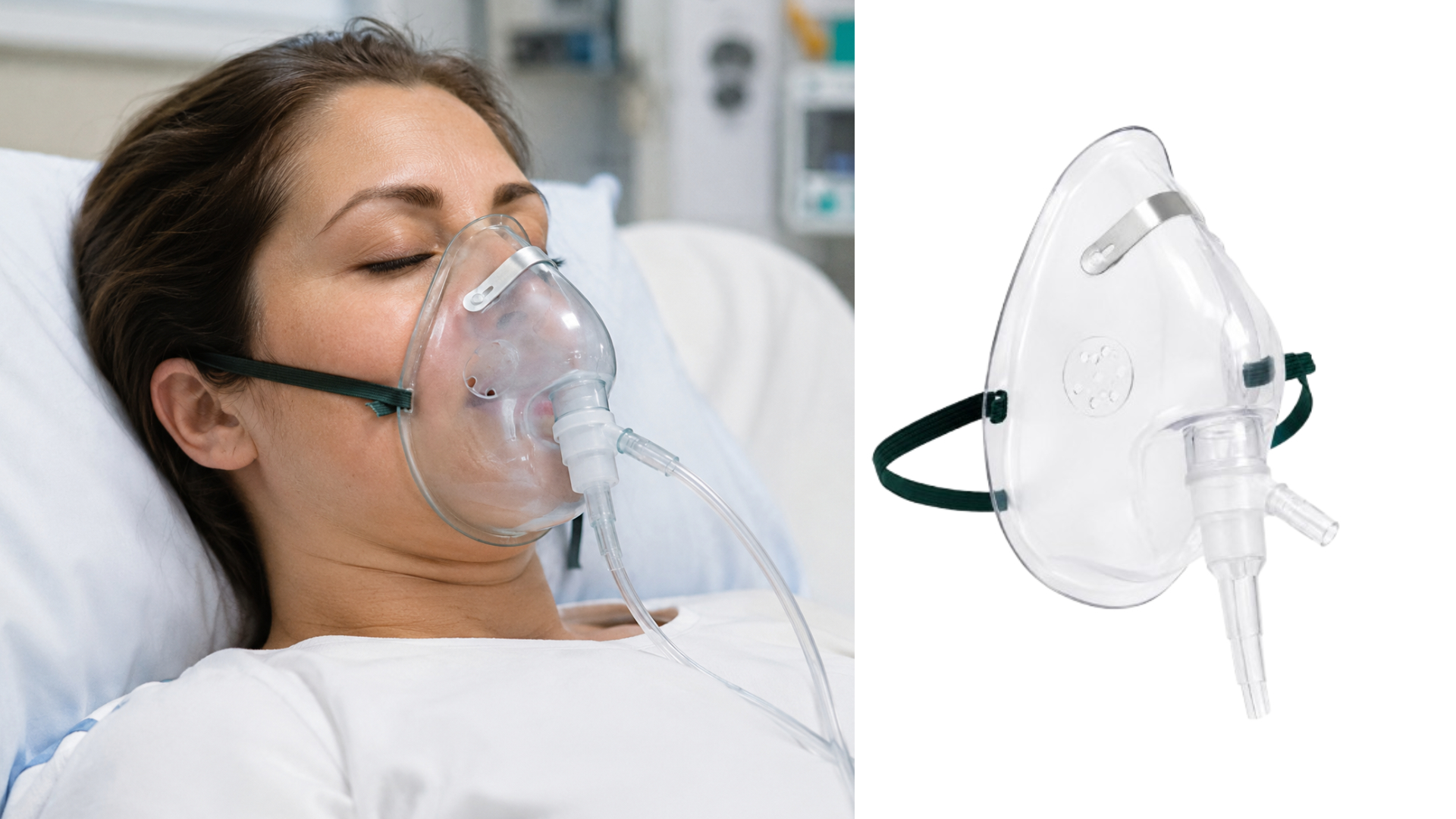
The global healthcare landscape continues to prioritize respiratory support, placing significant emphasis on the reliability of medical consumables. Oxygen face masks serve as a critical interface between patients and life-sustaining gas, making their quality a non-negotiable standard for hospitals and home care providers. As the demand for respiratory care evolves, the focus has shifted from basic functionality to precision engineering that ensures optimal delivery and patient comfort. For distributors and procurement managers, understanding the technical nuances of these devices is essential for maintaining a competitive edge in a crowded market.
Effective oxygen delivery relies heavily on the mask’s ability to maintain a precise concentration of oxygen while minimizing leakage and discomfort. Medical oxygen masks are no longer viewed as disposable commodities but as sophisticated tools that require rigorous design standards to meet diverse clinical needs. The intersection of material science and ergonomic design dictates how well a mask performs under various pressures and flow rates. Consequently, businesses dealing in oxygen therapy masks must recognize the value of superior product specifications to drive customer loyalty and ensure positive clinical outcomes.
The wholesale market for these medical devices is expanding, driven by an aging population and the rising prevalence of chronic respiratory conditions such as COPD. Procurement strategies are now increasingly data-driven, requiring a deep understanding of manufacturing processes and material durability. Buyers are looking beyond unit cost, seeking suppliers who can offer consistency, certification, and the ability to customize products for specific patient demographics. This shift necessitates a closer look at the features that define high-quality masks and the benefits they bring to end-users.
Navigating the complexities of the oxygen mask market requires a strategic approach to sourcing and inventory management. By focusing on key features such as adjustability, material clarity, and connection security, wholesalers can better serve their clients. Furthermore, integrating recent market insights and future trends into purchasing decisions allows businesses to anticipate demand and align their offerings with the latest healthcare standards. This guide provides a comprehensive analysis of what makes an effective oxygen mask and how wholesale buyers can leverage this knowledge for sustainable growth.
1. Why the Global Demand for Oxygen Face Masks is Escalating in 2025
The respiratory care sector is witnessing an unprecedented surge in demand, a trend that has solidified its place in the post-pandemic healthcare environment. Recent 2025 statistics indicate a robust growth trajectory for the oxygen face masks market, fueled by a heightened awareness of respiratory health and the necessity for preparedness against future outbreaks. Hospitals and clinics are systematically upgrading their emergency stockpiles, moving away from just-in-time procurement models toward maintaining higher inventory levels of critical consumables. This behavioral shift ensures that healthcare facilities are never caught short during respiratory crises, thereby driving consistent volume orders for wholesale distributors.
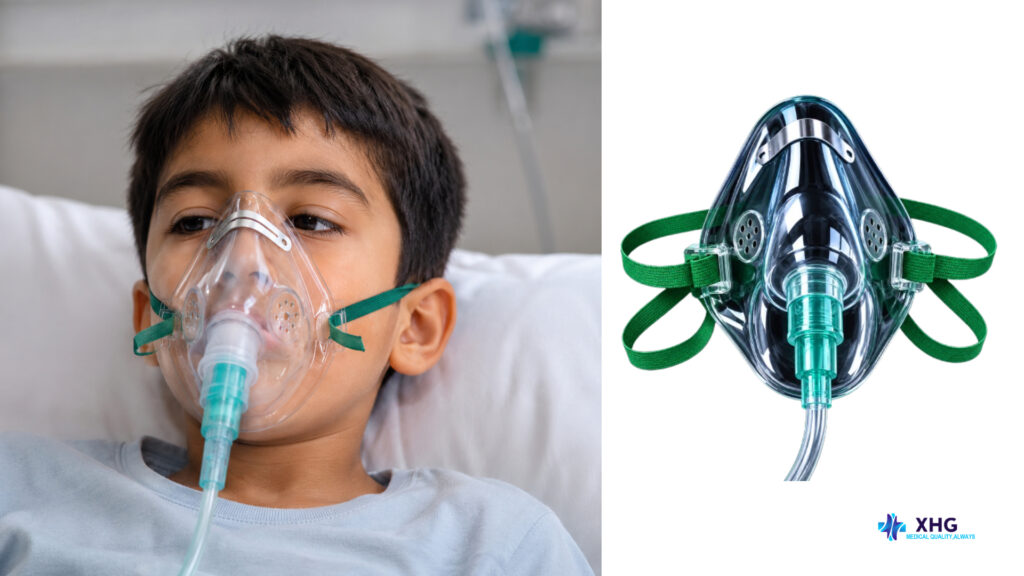
A significant driver of this demand is the global demographic shift toward an older population, which naturally correlates with higher incidences of respiratory ailments. Geriatric patients frequently require long-term oxygen therapy (LTOT), necessitating a steady supply of reliable, comfortable medical oxygen masks that can be worn for extended periods. The rise in chronic obstructive pulmonary disease (COPD) and asthma cases further amplifies this need, creating a sustained baseline demand that extends far beyond seasonal spikes. For B2B buyers, this represents a stable revenue stream provided they can source products that cater specifically to the sensitivities of long-term users, such as skin-friendly materials and lightweight designs.
Technological advancements in emergency medicine have also expanded the application of oxygen therapy masks, integrating them more deeply into ambulance services and rapid response teams. Pre-hospital care protocols now emphasize immediate oxygen administration, requiring masks that are durable enough to withstand transport conditions while delivering precise concentrations. The versatility of these masks, ranging from simple face masks to venturi and reservoir varieties, allows healthcare providers to tailor treatment to the severity of the patient’s condition. This versatility is a key selling point for wholesalers, as it allows them to offer comprehensive product bundles that meet the full spectrum of emergency care requirements.
Environmental and regulatory factors are playing an increasingly pivotal role in shaping demand, particularly as healthcare systems strive to reduce their ecological footprint. There is a growing preference for oxygen face masks made from eco-friendly, biodegradable PVC or non-PVC materials that do not compromise on performance. Buyers are responding to this trend by seeking out manufacturers who prioritize green manufacturing processes without inflating costs. As 2026 market insights suggest, the push for sustainable medical supplies will likely intensify, making it imperative for wholesalers to align their catalogs with these evolving standards to remain relevant and compliant with international procurement policies.
1.1 How Market Dynamics Influence Wholesale Procurement Strategies
The volatility observed in recent supply chains has compelled wholesalers to rethink their procurement strategies fundamentally. The days of relying on a single supplier or region for medical oxygen masks are fading, replaced by a diversified sourcing approach that mitigates risk. Businesses are now actively vetting multiple manufacturers to ensure continuity of supply, even if one geographic region faces logistical hurdles or raw material shortages. This strategic pivot involves building relationships with OEM partners who have redundant manufacturing capabilities, thereby securing the supply chain against future global disruptions.
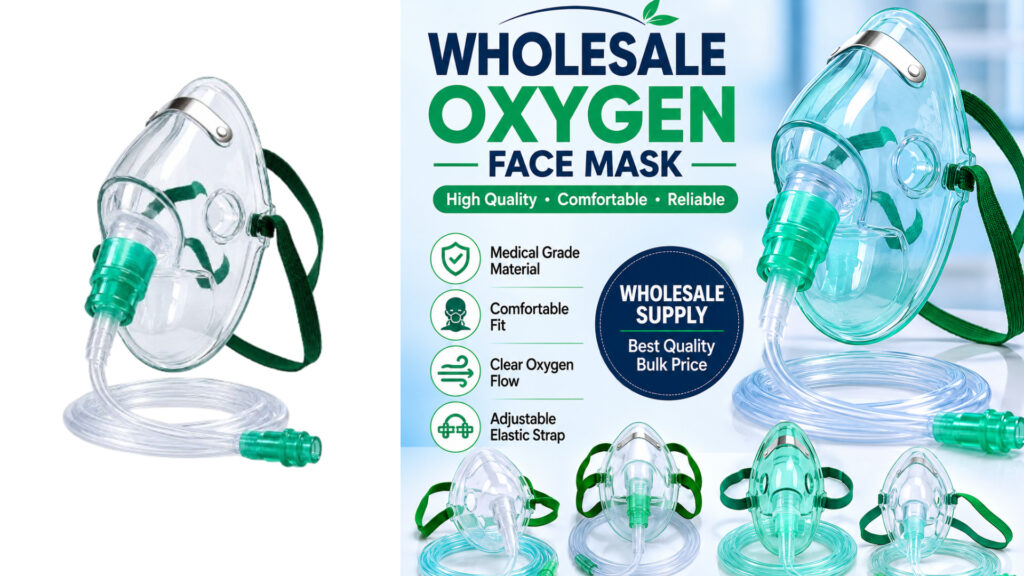
Cost management remains a critical component of procurement, but it is being balanced more heavily against quality assurance and reliability. Wholesale buyers are increasingly adopting total cost of ownership models, where the cost of potential recalls or patient complications resulting from inferior oxygen therapy masks is factored into the purchasing decision. Investing in slightly higher-priced, certified products reduces long-term liability and enhances the reputation of the distributor among healthcare providers. Consequently, procurement teams are scrutinizing ISO certifications and FDA/CE approvals more rigorously than ever before to ensure every unit meets global safety standards.
The demand for customization is also reshaping how wholesalers place orders and manage inventory. Healthcare providers often seek specific features tailored to their patient demographics, such as pediatric sizes or masks equipped with specific tubing lengths. To accommodate this, successful distributors are moving towards hybrid inventory models that combine stock standards with configurable options. This flexibility allows them to respond quickly to bespoke orders without holding excessive amounts of specialized stock. The ability to offer customized packaging or private labeling further strengthens the relationship between the wholesaler and the end-client, fostering long-term contracts.
Data-driven forecasting tools are becoming essential for aligning procurement with actual consumption patterns. By analyzing historical usage data of oxygen face masks, wholesalers can predict seasonal fluctuations and emerging hotspots of demand with greater accuracy. This analytical approach prevents overstocking, which ties up capital, and understocking, which leads to lost sales opportunities. As we move into 2026, the integration of AI and machine learning in supply chain management is expected to refine these predictions further, allowing buyers to operate with leaner, more responsive inventory systems that maximize profitability.
1.2 Which Key Trends Will Define the 2026 Market Landscape
Looking ahead to 2026, the integration of smart technology into respiratory care devices is poised to become a defining trend. While traditional oxygen face masks remain passive devices, there is increasing research and development into sensors that can monitor oxygen saturation levels and respiratory rate directly from the mask interface. These smart masks could transmit real-time data to electronic health records (EHR), providing clinicians with immediate feedback on treatment efficacy. For wholesalers, staying abreast of these innovations is crucial, as early adoption of next-generation products can position them as market leaders in high-tech medical solutions.
Sustainability will transition from a preference to a strict requirement within the procurement policies of major health systems. The 2026 market landscape will likely be dominated by medical oxygen masks that utilize advanced, non-toxic bioplastics and recyclable packaging materials. Manufacturers who invest in “green” chemistry to create PVC-free alternatives that maintain the same clarity and flexibility as traditional materials will capture significant market share. B2B buyers must prepare for this transition by auditing their current product lines and establishing partnerships with suppliers who have a clear roadmap for environmental compliance and sustainable production practices.
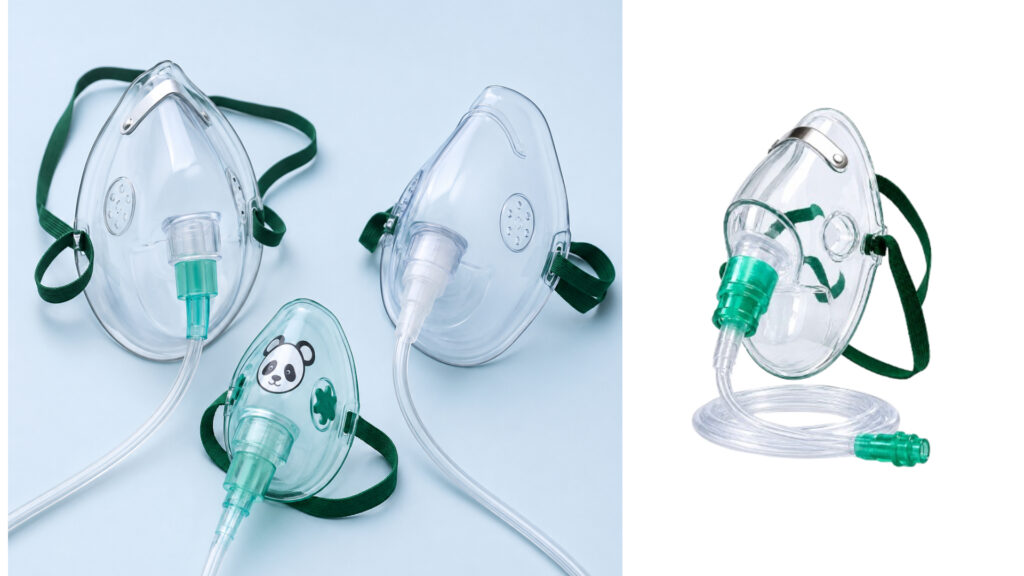
The concept of patient-centric design will evolve to include features that drastically improve comfort and adherence to therapy. Innovations such as ultra-thin, hypoallergenic ear loops and anatomically shaped cheek seals will become standard expectations for oxygen therapy masks. These design improvements are driven by the understanding that patient discomfort often leads to the premature removal of oxygen therapy, impeding recovery. Distributors should prioritize products that showcase these ergonomic advancements, marketing them not just as medical supplies, but as tools for enhancing patient experience and outcomes in both hospital and home care settings.
Globalization of healthcare standards will lead to greater harmonization of regulatory requirements for respiratory equipment. As emerging markets upgrade their healthcare infrastructure to match developed nations, the demand for internationally certified, high-quality oxygen face masks will surge across borders. This creates an opportunity for wholesalers to expand into new territories, provided they can navigate the complex web of international medical device regulations. The successful players in the 2026 market will be those who can leverage global supply networks to deliver consistent, compliant products to a diverse and expanding international client base.
2. Which Material Specifications Ensure Optimal Performance
The choice of material is the foundational element that dictates the durability, safety, and functionality of oxygen face masks. Medical-grade PVC (Polyvinyl Chloride) remains the industry standard due to its excellent clarity, allowing medical staff to visually monitor the patient’s nose and mouth for condensation or obstruction. High-quality PVC is also supple, which reduces the risk of pressure sores during prolonged use. Wholesalers must ensure that the materials used are phthalate-free and meet biocompatibility standards to prevent allergic reactions or skin irritation in sensitive patients. This focus on material safety is a primary concern for procurement officers in large hospital networks.
Flexibility and memory retention are critical physical properties of medical oxygen masks that ensure an airtight seal without causing excessive pressure. The material should be soft enough to conform to the contours of the face yet resilient enough to return to its original shape after compression. Inferior materials often crack or become brittle over time, especially when stored in varying temperatures, leading to leaks that compromise oxygen concentration. By sourcing masks that utilize high-grade, flexible compounds, distributors can minimize returns and complaints related to product failure, thereby building trust with their healthcare clientele.
The thickness of the plastic used in the mask body and the tubing significantly impacts the performance and longevity of oxygen therapy masks. While ultra-thin materials may reduce costs, they are prone to kinking and collapsing, which can obstruct the flow of oxygen to the patient. Conversely, overly thick materials can feel heavy and uncomfortable on the patient’s face. The optimal balance is a material gauge that ensures structural integrity and anti-kink properties while remaining lightweight. Manufacturers who achieve this balance provide a superior product that performs reliably in the demanding environments of emergency rooms and intensive care units.
Anti-scratch and anti-fog properties are additional material specifications that enhance the usability of oxygen face masks. Clear visibility is vital for paramedics and nurses to quickly assess the patient’s condition, particularly in traumatic situations where the patient may vomit or bleed. Advanced formulations that resist fogging caused by the heat and moisture of exhaled breath are essential for maintaining this visibility. For B2B buyers, emphasizing these optical qualities in product listings can be a key differentiator, signaling to customers that the equipment provided facilitates superior patient monitoring and care.
2.1 How Design Variations Affect Clinical Outcomes
The specific design configuration of an oxygen mask, particularly the inclusion of a reservoir bag, plays a pivotal role in determining the concentration of oxygen delivered to the patient. Partial rebreather and non-rebreather masks are designed with attached bags that collect oxygen during exhalation, making it available for inhalation in the next breath. This mechanism is crucial for patients requiring high concentrations of oxygen, typically above 60%. Wholesalers stocking oxygen face masks must ensure that the reservoir bags are adequately sized and constructed with materials that do not collapse easily, as these features are vital for critical care scenarios where oxygen saturation levels are precarious.
Venturi masks represent another specialized design variation that allows for precise control of oxygen concentration by utilizing adjustable valves and entrainment ports. These masks are indispensable in treating patients with COPD, who retain carbon dioxide and require controlled, lower-flow oxygen to avoid respiratory depression. The accuracy of the medical oxygen masks in delivering specific flow rates—such as 24%, 28%, or 35%—relies on the precision engineering of these vents and color-coded adapters. For buyers, offering a range of Venturi options demonstrates a commitment to specialized respiratory care, catering to the nuanced needs of pulmonology departments and long-term care facilities.
The nose bridge and fit of the mask are design elements that directly influence the efficiency of oxygen delivery and patient comfort. An adjustable nose clip that conforms to the bridge of the nose is essential to prevent oxygen from escaping into the eyes or the surrounding environment. Modern designs often feature a malleable aluminum strip or a soft, molded plastic nose bridge that eliminates sharp edges. Ensuring a proper fit minimizes wastage of oxygen, which is a significant operational cost for hospitals. Distributors should prioritize oxygen therapy masks that offer ergonomic face-fitting characteristics, as effective sealing is the primary barrier to efficient therapy.
Portability and ease of application are design considerations that significantly impact the utility of masks in emergency and home care settings. Masks with swivel connectors allow tubing to move freely without tangling, reducing drag and dislodgement during patient transport. Furthermore, designs that are intuitive and quick to apply enable first responders to administer oxygen without delay. In the wholesale context, highlighting these user-friendly design features can attract buyers from ambulance services and home health agencies, where the speed of application and reliability of the equipment during movement are paramount operational requirements.
2.2 Why Quality Assurance Protocols Are Non-Negotiable
In the manufacture and distribution of oxygen face masks, adherence to rigorous quality assurance (QA) protocols is the cornerstone of patient safety and regulatory compliance. Each batch of masks produced must undergo testing for burst strength, leakage, and biocompatibility to ensure they perform consistently under clinical pressures. For B2B buyers, partnering with manufacturers who possess ISO 13485 certification is essential, as this standard specifically relates to quality management systems for medical device manufacturers. This certification provides assurance that the supplier has a systematic approach to risk management and consistent production quality.
Traceability is a critical component of QA that allows manufacturers and distributors to track products from the raw material stage to the end user. In the event of a defect or a safety concern, the ability to quickly identify and isolate affected batches of medical oxygen masks can prevent widespread harm and mitigate liability. Advanced manufacturing facilities employ lot control and serialization technologies to maintain this traceability. Wholesalers should inquire about the traceability systems of their suppliers, as this capability is increasingly becoming a requirement for large hospital tenders and government procurement contracts.
Visual and functional inspections during the packaging phase are vital to catch defects that automated machinery might miss, such as debris inside the mask or improper sealing of the packaging. compromised packaging can lead to contamination, rendering the sterile product unsafe for use. High-quality oxygen therapy masks are packaged in sterile, peelable pouches that maintain integrity until the point of use. For distributors, ensuring that products are delivered in pristine condition is crucial, as damaged packaging can lead to immediate rejection by receiving healthcare facilities, resulting in costly returns and wasted logistics.
Finally, ongoing validation of the sterilization process, typically involving Ethylene Oxide (EtO) or Gamma irradiation, is necessary to ensure that masks are free from pathogens. Residual testing must be conducted to verify that no harmful sterilization byproducts remain on the mask that could cause irritation or toxicity. Wholesale buyers should request validation certificates and residue analysis reports as part of their due diligence. By prioritizing suppliers with transparent and exhaustive QA documentation, businesses protect themselves from legal risks and ensure that the products they deliver contribute positively to patient care rather than introducing new hazards.
3. How Customization Drives Competitive Advantage for Distributors
In a saturated market, the ability to offer customized oxygen face masks provides a distinct competitive edge that sets a distributor apart from competitors selling generic commodities. Customization can range from private labeling, where the distributor’s branding is prominently displayed on the packaging, to bespoke product modifications tailored to specific clinical needs. This level of service transforms the supplier relationship from a simple transaction into a strategic partnership. Healthcare providers often prefer branded, reliable supplies that reinforce their own identity, giving distributors who offer private labeling a stronger foothold in account retention and customer loyalty.
Tailoring the physical specifications of medical oxygen masks allows distributors to address specific gaps in the market. For instance, developing masks with extended tubing for bariatric wards or creating neonatal masks with extra-soft materials for NICUs addresses unmet needs. By working closely with manufacturers to modify designs, wholesalers can create unique selling propositions (USPs) that justify premium pricing. This approach demonstrates a deep understanding of the end-user’s challenges and positions the distributor as a solution provider rather than merely a box-mover, adding significant value to the supply chain.
Customization also extends to packaging solutions, which is a critical factor for inventory management in hospitals. Kits that bundle oxygen therapy masks with specific tubing lengths, connectors, or humidification bottles can streamline clinical workflows and reduce the time nurses spend gathering supplies. Distributors who offer these ready-to-use customized kits can solve logistical headaches for hospital procurement managers, making their offerings indispensable. This bundling capability not only increases the order value per transaction but also deepens the integration of the distributor’s products into the daily operations of the healthcare facility.
Furthermore, adapting products to meet regional regulatory preferences or cultural expectations can open doors to international markets. Some regions may prefer specific color codes for oxygen concentration levels, while others might prioritize particular materials based on local environmental guidelines. A distributor capable of navigating these nuances and sourcing oxygen face masks that comply with local preferences can successfully penetrate diverse geographical markets. This adaptability is key to global expansion, allowing businesses to scale their operations by catering to the specific demands of different healthcare systems around the world.
3.1 Which Customization Options Are Most Valuable to Buyers
One of the most highly sought-after customization options in the B2B sector is variable length and diameter of the oxygen supply tubing. Standard lengths may not suit all hospital bed layouts or home care setups, leading to clutter and tripping hazards. By offering oxygen face masks with options for star lumen tubing that is anti-kink and available in lengths ranging from standard seven feet to extended twenty feet, distributors can cater to specific usage scenarios. Additionally, providing different tubing diameters to accommodate high-flow oxygen requirements adds another layer of utility, making the product portfolio attractive to intensive care units and respiratory therapy centers.
Branding and packaging customization is equally valuable, particularly for large hospital networks and government health organizations looking to consolidate their supply chain under a unified identity. Custom printing on the mask itself, such as a logo or specific usage instructions, can enhance brand recall and ensure proper usage. Furthermore, medical oxygen masks packaged in polybags with custom barcodes facilitate seamless integration into hospital inventory management systems. Buyers value these options because they improve efficiency and inventory tracking, making the distributor a partner in optimizing their operational logistics rather than just a source of goods.
The inclusion of specialized connectors and accessories as part of a customized package is another feature that drives value. Some buyers require specific DISS (Diameter Index Safety System) connectors to prevent the accidental connection of oxygen lines to other gas systems, a critical safety feature. Others may need humidification cups integrated into the mask design for patients requiring moistened oxygen. By offering oxygen therapy masks that come with these specific accessories pre-attached or bundled, distributors simplify the procurement process for their clients, ensuring compatibility and safety while reducing the need for separate purchasing orders.
Color-coding for clinical differentiation is a practical customization that significantly enhances workflow efficiency in high-stress environments. For example, using specific colors to denote different mask sizes (pediatric vs. adult) or oxygen concentration levels helps healthcare workers identify the correct equipment instantly. Visual cues reduce the likelihood of errors during emergency situations. Distributors who can provide oxygen face masks in custom color configurations help their clients maintain high safety standards and operational speed, reinforcing the distributor’s reputation for thoughtful, user-centric product development.
3.2 Why Selecting the Right Manufacturing Partner is Critical
The capability to deliver high-quality, customized oxygen face masks rests entirely on the strength of the partnership with the manufacturer. A reliable manufacturer acts as an extension of the distributor’s business, providing the technical expertise, production capacity, and quality control necessary to meet market demands. Selecting a partner with state-of-the-art manufacturing facilities ensures that products are produced with precision and consistency. For B2B buyers, the manufacturer’s ability to scale production quickly in response to sudden surges in demand is a critical factor in maintaining supply chain resilience and meeting contractual obligations.
A manufacturing partner with robust Research and Development (R&D) capabilities is invaluable for distributors looking to innovate their product lines. The medical field is constantly evolving, and medical oxygen masks must evolve to meet new clinical challenges and standards. A partner that invests in R&D can collaboratively develop new features, such as improved sealing mechanisms or novel eco-friendly materials. This collaborative innovation allows distributors to bring cutting-edge products to market faster, keeping them ahead of competitors who rely on stagnant, generic product offerings from less engaged suppliers.
Transparency in communication and ethical business practices are non-negotiable traits when selecting a manufacturing partner. The production of oxygen therapy masks involves complex supply chains for raw materials like PVC and packaging components. A trustworthy partner will provide full visibility into their sourcing, labor practices, and environmental impact. This transparency is increasingly important to end-buyers who are under pressure to ensure corporate social responsibility compliance. By aligning with ethical manufacturers, distributors protect their brand reputation and satisfy the growing demand for responsibly sourced medical products.
Finally, logistical efficiency and the manufacturer’s location play a significant role in the total cost and speed of delivery. Partners with multiple distribution hubs or those located in strategic geographic proximity to key markets can drastically reduce shipping times and costs. They are also better equipped to handle just-in-time delivery models that many hospitals now prefer. For a distributor, a manufacturer who offers reliable lead times and protects against freight volatility is a strategic asset. This reliability ensures that the distributor can fulfill promises to their customers, cementing their status as a dependable supplier in the competitive medical equipment marketplace.
Conclusion
The landscape of respiratory care is complex and demanding, requiring oxygen face masks that combine technical precision with patient-centric design. As the market evolves through 2025 and into 2026, the emphasis on quality, material safety, and customization will continue to grow. For wholesale buyers and distributors, understanding these key features is not merely an academic exercise but a business imperative.
Success in this sector hinges on more than just moving inventory; it requires a strategic approach to sourcing that prioritizes quality assurance and regulatory compliance. Medical oxygen masks must meet rigorous standards to ensure safety and efficacy, and the responsibility falls on the entire supply chain to uphold these benchmarks. Whether through the adoption of sustainable materials or the integration of smart design features, the future belongs to those who innovate. Distributors must align themselves with manufacturing partners who share this forward-thinking vision and commitment to excellence.
Customization offers a powerful pathway to differentiation, allowing businesses to tailor their offerings to the specific needs of diverse healthcare environments. From private labeling to specialized tubing and unique connector configurations, the ability to provide bespoke solutions is a key driver of customer loyalty. As oxygen therapy masks become more advanced, the opportunity to create specialized, value-added product lines will expand. Distributors who leverage these opportunities will find themselves leading the market, setting the standards for quality and service.
To capitalize on these trends and secure a robust supply of high-quality respiratory products, businesses must act now. Evaluate your current product lines, engage with reputable manufacturers capable of customization, and stay attuned to the shifting dynamics of the global healthcare market. Contact us today to explore our comprehensive range of wholesale oxygen face masks and discover how our customization services can meet your specific business needs and those of your clients.
Frequently Asked Questions
1. Why is material selection critical when sourcing wholesale oxygen face masks?
Material selection is paramount because it directly impacts patient safety, comfort, and the overall efficacy of oxygen delivery. High-quality medical-grade PVC is preferred for its clarity, allowing healthcare providers to monitor the patient’s condition, and its flexibility, which ensures a secure seal without causing skin trauma. As we move toward 2026, there is also a growing market demand for eco-friendly, non-PVC alternatives that maintain these performance characteristics. For wholesale buyers, selecting masks made from phthalate-free, biocompatible materials is essential to minimize the risk of allergic reactions and ensure compliance with international health standards.
2. How can customization benefit my wholesale oxygen mask business?
Customization provides a significant competitive advantage by allowing distributors to tailor products to the specific needs of their client base. This can range from private labeling and custom packaging to technical modifications like specialized tubing lengths or unique connector types. By offering bespoke oxygen therapy masks, you transition from a commodity supplier to a strategic solutions provider, fostering stronger customer loyalty and justifying premium pricing. Customization also allows you to meet the rigorous branding and logistical requirements of large hospital networks and government contracts.
3. Which types of oxygen masks should I include in my product catalog?
A comprehensive catalog should cater to a variety of clinical scenarios to maximize market reach. This includes standard simple face masks for low-concentration oxygen, Venturi masks for precise delivery in COPD patients, and non-rebreather masks for high-concentration emergencies. Additionally, stocking pediatric sizes and soft, long-term care masks ensures you can serve diverse demographics from NICUs to geriatric home care. Offering a full spectrum of medical oxygen masks positions your business as a one-stop-shop for respiratory supplies.
4. What are the key quality assurance certifications I should look for in a manufacturer?
Compliance with rigorous quality standards is non-negotiable in the medical device industry. When selecting a manufacturing partner, ensure they hold ISO 13485 certification, which demonstrates a commitment to quality management systems specific to medical devices. Additionally, products should meet regional regulatory requirements such as FDA approval (USA), CE marking (Europe), or other relevant local certifications. These documents serve as proof that the oxygen face masks have undergone comprehensive testing for safety, biocompatibility, and performance.
5. How does the design of an oxygen mask influence clinical outcomes?
The design of the mask plays a crucial role in determining the efficiency of oxygen therapy and patient compliance. Features such as an adjustable nose clip and anatomical shaping are vital for creating an airtight seal, which prevents oxygen leakage and ensures the patient receives the prescribed concentration. Furthermore, designs that incorporate anti-kink tubing and swivel connectors enhance mobility and prevent flow interruption. For B2B buyers, prioritizing ergonomically designed masks leads to better patient feedback and reduced product returns.
6. Why is the demand for oxygen face masks projected to grow through 2026?
The demand for respiratory equipment continues to rise due to an aging global population and the increasing prevalence of chronic respiratory diseases like COPD and asthma. Furthermore, healthcare systems are investing heavily in emergency preparedness stockpiles following recent global health crises. Market insights for 2026 also suggest a surge in demand driven by technological advancements and a shift toward sustainable medical products. This sustained growth offers a stable revenue opportunity for wholesalers who can maintain a consistent, high-quality supply chain.
7. Which packaging options are best for bulk oxygen mask orders?
Packaging should balance protection, sterility, and ease of use in clinical settings. Individually wrapped masks in peelable pouches are standard for maintaining sterility until the point of use. However, for bulk wholesale, offering options such as customized master cartons with clear labeling and barcoding can significantly improve inventory management for hospitals. Some distributors also find value in offering kits that bundle oxygen therapy masks with compatible tubing or humidification bottles, which simplifies the procurement process for end-users.
8. How can I ensure the oxygen masks I source are eco-friendly?
Sustainability is becoming a key decision-making factor for healthcare procurement officers. To ensure eco-friendliness, look for manufacturers that utilize PVC-free materials or biodegradable plastics that do not compromise on durability or clarity. Additionally, inquire about the manufacturer’s production processes to ensure they minimize waste and utilize sustainable energy sources. As regulations tighten in 2026, stocking oxygen face masks that meet environmental standards will future-proof your inventory and appeal to eco-conscious institutions.
9. What are the minimum order quantities (MOQs) for customized oxygen masks?
MOQs typically vary depending on the level of customization required. For standard products with simple private labeling (such as adding a logo to existing packaging), MOQs are generally lower. However, for fully customized OEM orders— involving changes to material formulation, mold design, or complex packaging specifications—manufacturers usually require larger volumes to offset the initial tooling and setup costs. Discussing your specific volume needs upfront with suppliers will help determine the most cost-effective sourcing strategy.
10. How do I choose between different oxygen tubing options for my clients?
Tubing selection is as important as the mask itself because it ensures the uninterrupted delivery of oxygen. Key considerations include the length (standard vs. extended), the diameter (lumen size), and the material’s resistance to kinking and crushing. Star lumen tubing is often recommended for its ability to maintain airflow even if the tube is stepped on or bent. Wholesale buyers should offer a variety of tubing options compatible with their medical oxygen masks to ensure they can meet the specific spatial and flow requirements of different hospital wards and home care environments.